Citrulline malate
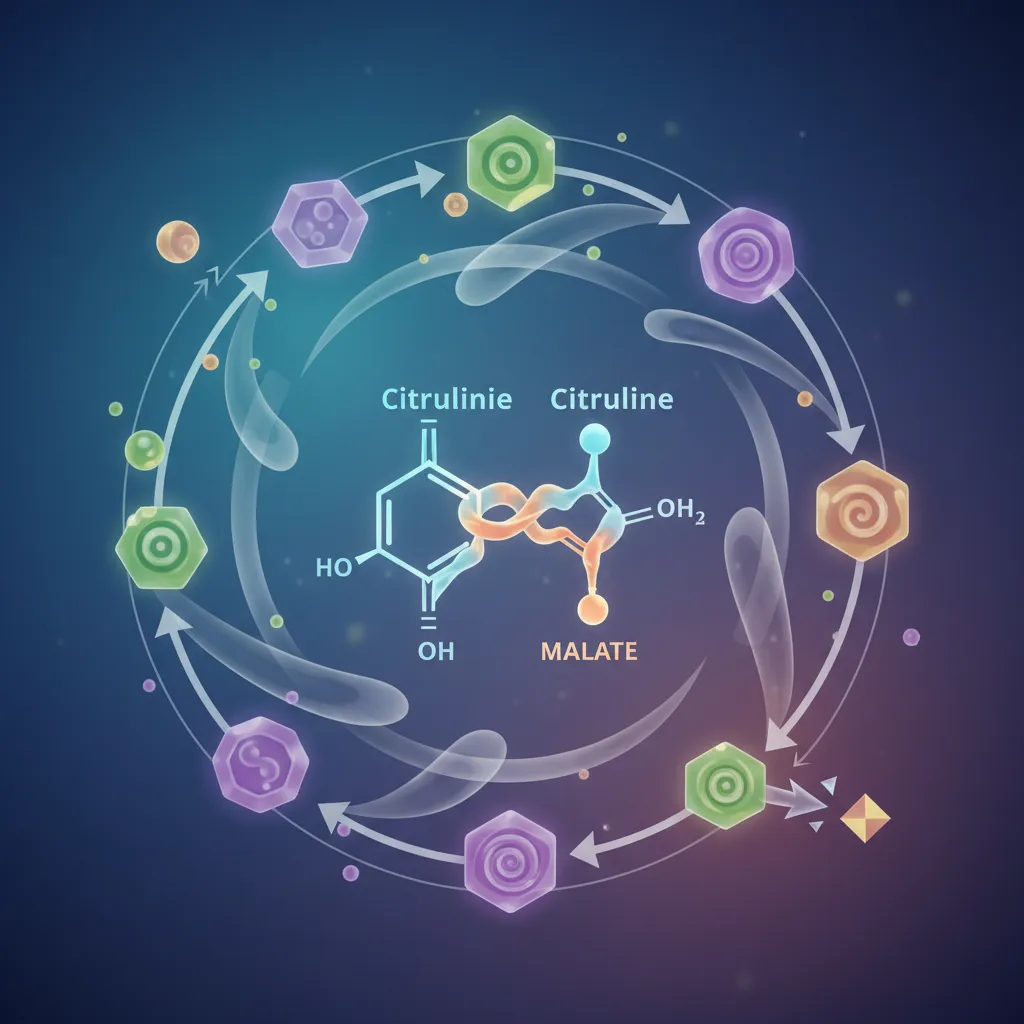
Learn what Citrulline Malate is, how it works, its benefits, and how to take it correctly.
What is Citrulline Malate?
Citrulline Malate — Citrulline malate is a dietary supplement composed of the amino acid L-citrulline, bound to malic acid (malate). This combination is designed to optimize athletic performance by enhancing nitric oxide production and improving energy metabolism efficiency.
🔬 From SportZone's Experience
In our work with over 50,000 clients, we see that Citrulline Malate is one of the most sought-after and effective products for improving training performance. A common mistake is expecting an immediate "boost" like from a stimulant; instead, Citrulline Malate builds endurance and pump gradually. We observe significant improvements in time to fatigue and the volume of work performed with regular intake.
⚡ Citrulline Malate in a Nutshell
- Type: Amino acid bound to an organic acid
- Origin: Synthetic complex (L-citrulline is natural, malate is natural)
- Best for: Improving endurance, reducing fatigue, and muscle pump
- Timing: Pre-workout
- Daily dose: 6-8 grams (for a 2:1 ratio)
- Main benefit: Increases energy and nitric oxide production, delaying muscle fatigue.
Explained Simply: What Does Citrulline Malate Do?
Imagine your muscles are like an engine that needs fuel and good cooling. Citrulline malate is like super fuel that not only provides more energy for the engine (through malic acid) but also improves blood circulation (through citrulline), so oxygen and nutrients reach working muscles faster and more effectively, while waste products are removed more quickly. This means you can train longer and more intensely without getting tired as quickly.
👉 In other words: Citrulline malate helps you train longer, harder, and with a better pump by providing muscles with more energy and better blood flow.
Scientific Explanation of Citrulline Malate
Citrulline malate is a compound consisting of the non-essential alpha-amino acid L-citrulline and the dicarboxylic acid malate (malic acid), typically in a 2:1 ratio (two moles of citrulline to one mole of malate). L-citrulline is a key intermediate in the urea cycle, where it participates in ammonia detoxification. Upon ingestion, L-citrulline is converted to L-arginine in the kidneys, which is a direct precursor to nitric oxide (NO). Increased NO levels lead to vasodilation, improving blood flow and the delivery of oxygen and nutrients to working muscles. Malate, in turn, is an important metabolite in the Krebs cycle (citric acid cycle), where it participates in the production of adenosine triphosphate (ATP) – the primary energy currency of cells. The synergistic action of L-citrulline and malate aims to enhance aerobic and anaerobic metabolism, reduce lactic acid and ammonia, and increase energy production.
How Does Citrulline Malate Work in the Body and Why Is It Effective?
The primary mechanisms of Citrulline Malate include:
📚 Scientific Sources
- Perez-Guisado, J., & Jakeman, P. M. (2010). Citrulline malate enhances athletic anaerobic performance and relieves muscle soreness. Journal of Strength and Conditioning Research, 24(5), 1215-1222. (DOI: 10.1519/JSC.0b013e3181cb28a0)
- Bendahan, D., et al. (2002). Citrulline malate effect on aerobic and anaerobic exercise: a review. British Journal of Sports Medicine, 36(5), 374-378. (PubMed: 12384662)
- Suzuki, T., et al. (2016). Oral L-citrulline supplementation enhances cycling performance in healthy trained men: A double-blind, randomized, placebo-controlled 2-way crossover study. Journal of the International Society of Sports Nutrition, 13, 6. (DOI: 10.1186/s12970-016-0112-6)
- Gonzales, J. U., et al. (2018). Does l-citrulline supplementation improve exercise performance in older adults? A systematic review and meta-analysis. European Journal of Nutrition, 57(2), 527-537. (DOI: 10.1007/s00394-017-1549-3)
- Increased Nitric Oxide (NO) Levels — L-citrulline converts to L-arginine, which is a precursor to NO. NO relaxes blood vessels, improving circulation and the delivery of oxygen and nutrients to muscles.
- Involvement in the Krebs Cycle — Malate is a key intermediate in the Krebs cycle, central to ATP (energy) production. This aids in more efficient energy utilization and delays fatigue.
- Reduction of Ammonia and Lactic Acid — L-citrulline helps eliminate ammonia, a toxic byproduct of metabolism that contributes to fatigue. Malate may help buffer lactic acid.
👉 End Effect: Citrulline malate improves energy production, circulation, and detoxification of metabolic waste, leading to delayed fatigue and enhanced athletic performance.
What Are the Proven Benefits of Taking Citrulline Malate?
- ✅ Increased Endurance — Its ability to improve ATP production and reduce lactic acid buildup allows for longer and more intense workouts.
- ✅ Better Muscle Pump (Vasodilation) — Increased nitric oxide production widens blood vessels, leading to better blood flow to the muscles and a pump sensation.
- ✅ Reduced Muscle Fatigue and Soreness — By eliminating ammonia and buffering lactic acid, Citrulline Malate helps reduce fatigue during exercise and muscle soreness afterward.
- ✅ Improved Recovery — Better blood flow and more efficient removal of metabolic waste contribute to faster recovery after physical exertion.
How to Take Citrulline Malate for Best Results?
Dosage: The recommended dose for Citrulline Malate (in a 2:1 ratio) is between 6 and 8 grams per day. For more sensitive individuals, you can start with 3-5 grams and gradually increase the dose.
Timing: For maximum effect, take Citrulline Malate 30 to 60 minutes before training. This allows the ingredients to be absorbed and reach optimal blood levels before physical exertion.
Practical tip: You can dissolve Citrulline Malate in water or mix it with your favorite pre-workout drink.
Should You Take Citrulline Malate?
✅ Yes, if:
- You want to improve your endurance during training, delaying muscle fatigue and training longer.
- You are looking for a better muscle pump and vascularity, as Citrulline Malate improves blood flow to the muscles.
- You want to speed up your recovery after intense workouts, reducing muscle soreness and fatigue.
❌ No, if:
- You have low blood pressure, as Citrulline Malate may lower it further through vasodilation.
- You suffer from severe kidney or liver diseases, as its metabolism may be impaired.
- You are taking medications for cardiovascular diseases or blood pressure regulation without consulting a doctor.
Who is Citrulline Malate NOT Suitable For?
- Individuals with hypotension (low blood pressure) — due to its vasodilating effect, Citrulline Malate may further lower blood pressure.
- Pregnant and breastfeeding women — there is insufficient research on safety for this group, so avoidance is recommended.
- Individuals taking nitrates or erectile dysfunction medications — the combination could lead to a dangerously low blood pressure.
- People with severe heart, kidney, or liver diseases — consultation with a doctor is mandatory due to potential impacts on these systems.
Who is Citrulline Malate Most Suitable For?
- 🏋️♂️ Strength Athletes — improves pump, strength, and reduces fatigue during heavy sets.
- 🏃 Endurance Athletes — increases stamina, delays fatigue onset, and supports more intense and longer workouts.
- 🧍♂️ Active Individuals — aids in better physical performance in all sports and reduces fatigue after an active day.
- 💪 Bodybuilders — provides enhanced pump and vascularity, which is key for workouts and aesthetics.
What Pairs Well with Citrulline Malate for Maximum Effect?
- Creatine — for a synergistic effect on strength, endurance, and recovery, as creatine provides rapid energy, and citrulline malate improves blood flow and reduces fatigue.
- Beta-Alanine — for additional lactic acid buffering and increased endurance, especially during high-intensity interval training.
- BCAAs/EAAs — to support muscle growth and recovery, as amino acids provide building blocks, and citrulline malate enhances their delivery to muscles.
Pros and Cons of Citrulline Malate
✅ Pros
- Significantly improves athletic endurance and reduces fatigue.
- Leads to better muscle pump and vascularity.
- Speeds up recovery and reduces post-workout muscle soreness.
- Has a beneficial effect on the elimination of toxins like ammonia.
❌ Cons
- Mild gastrointestinal discomfort may occur at higher doses.
- May have a slightly bitter or sour taste if unflavored.
- High doses can lead to a drop in blood pressure in some individuals.
What to Compare
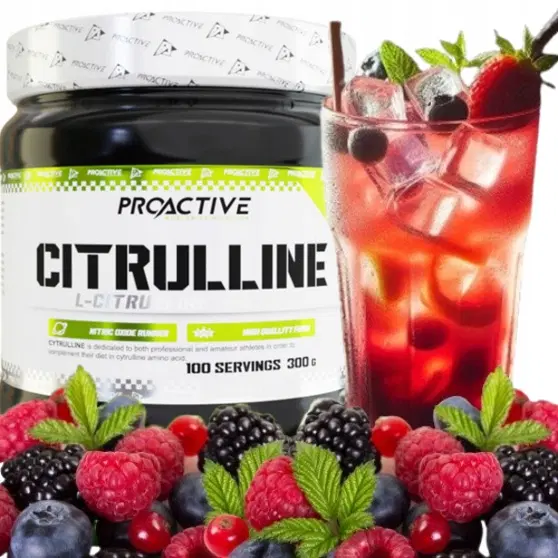
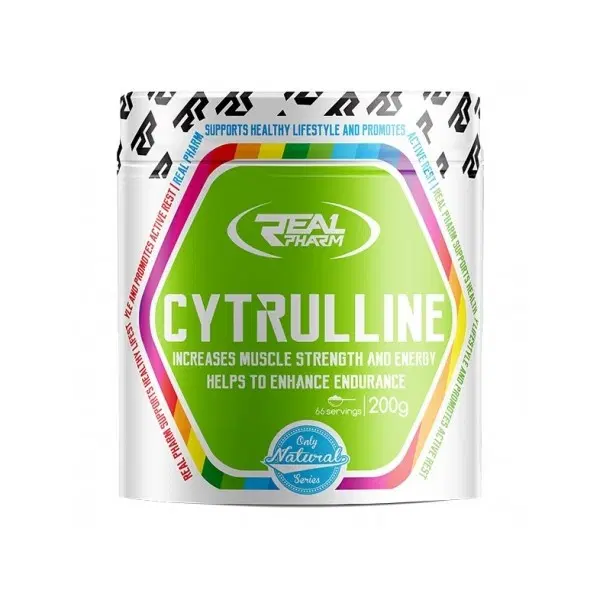
Recommended products
Frequently asked questions
What is citrulline malate and what is it used for?
Citrulline malate is a compound that combines the amino acid citrulline with malic acid. It is often used as a dietary supplement to enhance athletic performance, particularly for increasing endurance and reducing muscle fatigue.
What are the benefits of taking citrulline malate?
Key benefits include improved blood circulation by increasing nitric oxide production, which can lead to better oxygen and nutrient delivery to muscles. This may help with faster post-workout recovery and reduced muscle soreness.
How much citrulline malate should I take and when?
A typical dose ranges between 6-8 grams, taken about 30-60 minutes before exercise. The specific dosage may depend on individual needs and the recommendations of the manufacturer or a healthcare professional.
Does citrulline malate have side effects?
Citrulline malate is generally considered safe at recommended doses. Some individuals may experience mild gastrointestinal issues like bloating or discomfort, but these are rare and usually subside.