CLA

Learn what CLA is, how it works, its benefits, and how to take it correctly. Expert analysis from SportZone.
What Exactly Is CLA (Conjugated Linoleic Acid) in the Context of Sports Nutrition?
CLA — CLA (Conjugated Linoleic Acid) is a group of naturally occurring isomers of linoleic acid, which is an omega-6 fatty acid. It is primarily found in the meat and dairy products of grass-fed animals and is known for its potential benefits for fat metabolism and body composition.
🔬 From SportZone's Practice
In our work with over 50,000 clients, we've seen that CLA is often sought as a non-stimulating alternative to support weight loss, especially when individuals want to preserve muscle mass during a calorie deficit. A common mistake is expecting miraculous results without changes in diet and training; CLA works best in synergy with a balanced lifestyle.
⚡ CLA at a Glance
- Type: Organic acid (fatty acid)
- Origin: Dietary (meat and dairy products)
- Best For: Supporting fat reduction and preserving lean body mass
- When to Take: With main meals
- Daily Dose: 3-6 grams
- Main Benefit: Supports body transformation by reducing fat stores and preserving muscle.
Simple Explanation: What Does CLA Do?
Imagine your body has two main "storage units" – one for fat and one for muscle. CLA acts like a "gatekeeper" that not only helps move fat out of the fat storage for energy but also makes it harder for this storage to be excessively refilled with new fat. At the same time, it supports the "building" and "maintenance" of the muscle storage, without being a stimulant.
👉 In other words: CLA helps the body use more fat for energy and preserve muscle, while preventing new fat from accumulating easily.
Scientific Explanation of CLA
Conjugated linoleic acid (CLA) is a group of positional and geometric isomers of octadecadienoic acid (C18:2), which is a polyunsaturated fatty acid. It is naturally formed in the digestive system of ruminant animals through the biohydrogenation of linoleic acid by bacteria of the genus Butyrivibrio and accumulates in their tissues and milk. The most common isomers, and those most studied, are cis-9, trans-11 (c9,t11) and trans-10, cis-12 (t10,c12).
These isomers exhibit various biological effects. For instance, the t10,c12 isomer is primarily linked to anti-adipogenic properties (fat tissue reduction), while c9,t11 has more pronounced anti-carcinogenic and immunomodulatory effects. CLA works by modulating enzymes involved in lipid metabolism, such as lipoprotein lipase and acetyl-CoA carboxylase, as well as influencing the gene expression of adipocytes, leading to a reduction in their number and size.
How Does CLA Affect Metabolism and Body Processes to Be So Effective?
The primary mechanisms of CLA include:
📚 Scientific Sources
- Whigham, L. D., O'Connor, D., & Eagan, M. M. (2004). Conjugated linoleic acid reduces body fat in obese humans. The American Journal of Clinical Nutrition, 79(6), 1146-1150. (DOI: 10.1093/ajcn/79.6.1146)
- Blankson, H., Stakkestad, J. A., Fagertun, H., Thom, E., Waddell, J., & Gudmundsen, O. (2000). Conjugated linoleic acid reduces body fat mass in overweight and obese humans. The Journal of Nutrition, 130(12), 2943-2948. (PubMed ID: 11091515)
- Risérus, U., Berglund, L., & Vessby, B. (2002). Conjugated linoleic acid (CLA): a new fatty acid in the regulation of bodyweight and risk factors for cardiovascular disease. Trends in Food Science & Technology, 13(7), 213-219. (DOI: 10.1016/S0924-2244(02)00192-3)
- Lehnen, T. E., Ramos-Lopez, O., Perez-Cadena, E. P., & Oñate-Escalante, J. L. (2018). Conjugated Linoleic Acid (CLA) in the Reduction of Body Weight Gain and Fat Mass: A Systematic Review. Nutrients, 10(7), 896. (DOI: 10.3390/nu10070896)
- Inhibition of Adipogenesis — CLA, especially the t10,c12 isomer, inhibits the differentiation of pre-adipocytes into mature adipocytes and reduces lipid accumulation within them.
- Stimulation of Lipolysis — It accelerates the breakdown of stored triglycerides in fat cells, releasing fatty acids for energy.
- Increased Fat Oxidation — CLA can enhance mitochondrial activity and the expression of enzymes involved in beta-oxidation of fatty acids, leading to more efficient fat burning.
👉 End Effect: CLA aids in reducing body fat, preserving lean muscle mass, and improving metabolic health.
What Are the Real, Scientifically Proven Benefits of Regular CLA Intake for Athletes?
- ✅ Reduction of Body Fat — Some studies indicate that CLA can contribute to a decrease in body fat mass, particularly in the abdominal area, by inhibiting lipogenesis and stimulating lipolysis.
- ✅ Preservation of Muscle Tissue — Although not a direct anabolic agent, CLA can help preserve muscle mass during a calorie deficit, which is crucial for optimizing body composition.
- ✅ Improved Energy Metabolism — It can contribute to more efficient use of fats as an energy source, enhancing overall metabolism and energy efficiency.
- ✅ Antioxidant and Anti-inflammatory Support — CLA exhibits antioxidant activity and can modulate inflammatory processes in the body, which is beneficial for overall health and recovery.
What Is the Optimal Dosage and Method of Taking CLA for Maximum Results?
Dosage: The typical effective dose ranges between 3 and 6 grams daily, divided into 2-3 intakes. It is important to adhere to the recommended dosage on the specific product.
When to Take: Take CLA with your main meals, as it is fat-soluble and its absorption is improved in the presence of food. Dividing the dose throughout the day ensures more consistent levels in the body.
Practical Tip: For maximum results, combine CLA intake with a balanced diet and regular physical exercise.
Should You Take CLA?
✅ Yes, if:
- You want to support body fat reduction, especially in combination with an active lifestyle and a controlled diet.
- You are looking for a supplement that helps preserve muscle mass during a calorie deficit, without a stimulating effect.
- You aim for better body composition and metabolic health without relying on stimulants.
❌ No, if:
- You have chronic liver or kidney diseases without consulting a doctor.
- You have a sensitive stomach or digestive issues, as high doses can cause mild side effects.
- You are pregnant or breastfeeding, as there is insufficient research on safety during these periods.
Who Is CLA NOT Suitable For?
- Pregnant and breastfeeding women — There is insufficient data on the safety of CLA during pregnancy and breastfeeding, so intake is not recommended.
- Individuals with liver or kidney diseases — CLA is metabolized in the liver and excreted by the kidneys; in cases of existing problems, intake may be risky without medical supervision.
- Individuals with diabetes or insulin resistance — Some studies suggest a potential impact on insulin sensitivity, which could be problematic for these groups.
- People who do not exercise and do not follow a diet — CLA is not a magic weight loss pill, and its effects are most pronounced when combined with physical activity and healthy eating.
For Which Groups of Athletes and Individuals Aiming for Specific Goals Is CLA Most Suitable?
- 🏋️♂️ Strength Athletes — Supports muscle mass preservation during cutting phases and improves body composition.
- 🏃 Endurance Athletes — May optimize the use of fats as an energy source, which is beneficial for long workouts.
- 🧍♂️ Active Individuals — Helps maintain a healthy weight and improve the fat-to-muscle ratio with regular physical activity.
- 🤸♀️ Individuals Aiming for Body Recomposition — Suitable for those who want to reduce body fat while simultaneously preserving or increasing muscle mass.
With Which Other Supplements or Foods Does CLA Combine Best to Enhance its Effects?
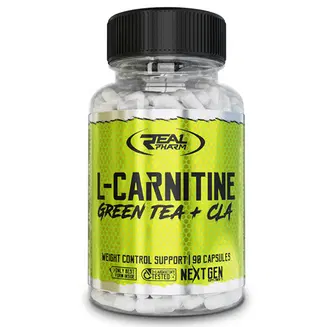
- L-Carnitine — This combination is a powerful non-stimulant fat-burning tool; L-Carnitine transports fatty acids to the mitochondria, while CLA prevents the accumulation of new fats.
- Green Tea Extract (EGCG) — Synergistic action to stimulate thermogenesis and fat oxidation, supporting CLA's metabolic effects.
- Omega-3 Fatty Acids — Improve overall health, reduce inflammation, and can support metabolic functions, complementing the benefits of CLA.
Pros and Cons of CLA
✅ Advantages
- It is not a stimulant, suitable for people sensitive to caffeine.
- Supports reduction of body fat and preservation of muscle mass.
- May have antioxidant and anti-inflammatory properties.
- Naturally found in food sources.
❌ Disadvantages
- Weight loss effects are moderate and require prolonged intake.
- In some cases, may cause mild digestive upset.
- Effectiveness varies individually and depends on the isomer composition of the supplement.
How to Choose Quality CLA?
- CLA percentage on the label: In most cases, look for products with at least 70-80% active CLA (c9,t11 and t10,c12 isomers). Some products may have a lower percentage, requiring higher doses to achieve an effect.
- Form of CLA: In quality products, CLA is available as a free fatty acid (FFA) or triglycerides (TG). FFA may have faster absorption, while TG is more stable.
- Additives (fillers, artificial colors): Avoid products with unnecessary fillers, artificial colors, or flavorings. Pure CLA is usually tasteless and comes in capsules.
- Source of CLA: In most cases, CLA is extracted from safflower or sunflower oil. Ensure the source is clearly stated and from a reliable manufacturer.
- Certifications and third-party testing: For quality products, look for purity and content certifications from independent laboratories. This ensures the product contains the declared amount of CLA and is free of contaminants.
When to Choose CLA Over Alternatives?
- Choose CLA if:
- You aim to support body recomposition, potentially reducing body fat and preserving muscle mass, especially during a calorie deficit.
- You are looking for a supplement that can influence fat metabolism without directly stimulating the central nervous system (unlike stimulants like caffeine).
- You aim for long-term support for weight management, as CLA's effects typically manifest after several weeks to months of consistent use (e.g., 3-6 grams daily).
- Choose [base
Recommended products

Frequently asked questions
What exactly is CLA and what is it used for?
CLA is short for conjugated linoleic acid. It is a naturally occurring fatty acid found mainly in meat and dairy products from ruminant animals. CLA is used as a dietary supplement, most commonly associated with potential benefits for reducing body fat and supporting muscle mass.
Are there any side effects of CLA I should be aware of?
For most people, CLA is considered safe when taken at recommended doses. However, some users may experience mild gastrointestinal issues such as nausea or diarrhea. It is important to consult with a doctor before starting, especially if you have pre-existing health conditions.
How long does it take to see results from CLA?
The time it takes to see visible results from CLA varies significantly among individuals and depends on factors such as dosage, diet, physical activity, and individual response. It typically takes several weeks to months of consistent intake to notice changes.
Can I take CLA with other weight loss supplements?
While CLA can be taken with other dietary supplements, it is always recommended to consult with a healthcare professional or a nutritionist. They can help you determine the most appropriate combination and dosage to avoid unwanted interactions and achieve the best results.