D-Aspartic Acid
Learn what D-Aspartic Acid is, how it works. Expert analysis from SportZone.
What is D-Aspartic Acid?
D-Aspartic Acid — D-Aspartic Acid (DAA) is a natural amino acid that plays a key role in regulating hormonal production in the body, especially testosterone. It is found in the nervous and endocrine systems, where it participates in protein synthesis and neurotransmitters, influencing reproductive functions and muscle development.
🔬 From the practice of SportZone
In our work with over 50,000 clients, we see that D-Aspartic Acid (DAA) is most effective in men over 30 whose testosterone levels are already starting to decline. A common mistake is expecting dramatic results in young athletes with optimal levels, where the effect is less pronounced. The best results are achieved with cyclic intake – for example, 4 weeks of intake followed by 2 weeks of rest, to avoid adaptation.
⚡ D-Aspartic Acid in Brief
- Type: Amino acid
- Origin: Natural (synthesized in the body, found in food)
- Best for: Testosterone stimulation, muscle volume support, strength, libido
- Timing of intake: Morning or before training
- Daily dose: 2-3 grams
- Main benefit: Supports natural production of testosterone and growth hormone.
Explained in Simple Terms: What does D-Aspartic Acid do?
Imagine your body is a hormone factory, and D-Aspartic Acid is like a key that unlocks some of the machines responsible for testosterone production. It sends a signal to the "boss" of the factory (the brain) to send more workers (hormones) to stimulate the "workers" in the testes to produce more testosterone.
👉 In other words: DAA helps the body produce more of its own testosterone, which can lead to more muscle, strength, and energy.
Scientific Explanation of D-Aspartic Acid
D-Aspartic Acid (DAA) is one of the two isomeric forms of aspartic acid, the other being L-aspartic acid. Unlike the L-isomer, which is a building block of proteins, DAA plays a specialized role as a free amino acid in the endocrine and nervous systems. It is synthesized endogenously and accumulates in endocrine glands, including the pituitary, hypothalamus, and testes. At a molecular level, DAA acts as a neurotransmitter and neuromodulator, binding to N-methyl-D-aspartate (NMDA) receptors.
The primary mechanism of action of DAA is related to the regulation of steroidogenesis. In the hypothalamus, DAA stimulates the release of gonadotropin-releasing hormone (GnRH). GnRH in turn stimulates the pituitary gland to produce luteinizing hormone (LH) and follicle-stimulating hormone (FSH). LH travels to the testes, where it stimulates Leydig cells to synthesize testosterone. Additionally, DAA directly affects steroidogenic enzymes in the testes, increasing testosterone production. It also participates in the regulation of growth hormone (GH) and prolactin, contributing to the overall anabolic state of the body.
How does D-Aspartic Acid work in the body and why is it effective?
The primary mechanism of D-Aspartic Acid involves:
📚 Scientific Sources
- Topo et al., 2009. The role and molecular mechanism of D-aspartic acid in the release and synthesis of LH and testosterone in humans and rats. Reproductive Biology and Endocrinology, 7(1), 120. (DOI: 10.1186/1477-7827-7-120)
- Gemma et al., 2013. The role of D-aspartic acid on human reproduction. Reproductive Biology and Endocrinology, 11, 41. (PubMed ID: 23642145)
- Roshan et al., 2017. The effect of D-aspartic acid administration on testosterone synthesis and male reproductive function: A review. Andrologia, 49(10), e12771. (DOI: 10.1111/and.12771)
- D'Aniello et al., 2000. D-Aspartic acid: an endogenous amino acid with an important neuroendocrine role. Trends in Endocrinology & Metabolism, 11(3), 105-110. (PubMed ID: 10759883)
- Hypothalamus Stimulation — DAA triggers the release of gonadotropin-releasing hormone (GnRH), which is the first signal in the testosterone production cascade.
- Increased Luteinizing Hormone (LH) — GnRH stimulates the pituitary gland to release LH, which is a direct precursor to testosterone.
- Direct Action on Testes — DAA can act directly on the Leydig cells in the testes, increasing testosterone synthesis.
👉 End Effect: All these pathways lead to increased natural testosterone production, which supports anabolic processes in the body.
What are the proven benefits of taking D-Aspartic Acid?
- ✅ Increased Testosterone Levels — Studies show that DAA can increase total and free testosterone levels, especially in men with low baseline values.
- ✅ Improved Muscle Mass and Strength — By stimulating testosterone, DAA can support muscle protein synthesis and increase hypertrophy, leading to greater strength and endurance.
- ✅ Increased Libido and Reproductive Function — Higher testosterone levels are directly linked to increased sexual desire and improved sperm quality in men with fertility issues.
- ✅ Mood and Energy Improvement — Optimal testosterone levels contribute to better mood, reduced fatigue, and increased overall energy levels.
How to take D-Aspartic Acid for best results?
Dosage: The usual effective dose ranges between 2 and 3 grams daily. Some protocols suggest up to 6 grams, but the benefits of higher doses are not clearly proven and may increase the risk of side effects.
When to take: It is best to take DAA in the morning, with or after breakfast, to align with the natural circadian rhythm of hormonal production. Alternatively, it can be taken before training for a potential energy boost.
Practical advice: Take DAA in cycles, for example, 2-4 weeks on, followed by 1-2 weeks off, to prevent receptor adaptation and maintain the supplement's efficacy.
Should you take D-Aspartic Acid?
✅ Yes, if:
- You want to naturally boost testosterone levels, as DAA stimulates hormonal production.
- You aim to improve muscle growth and strength, because higher testosterone supports anabolic processes.
- You experience reduced libido or fatigue associated with low testosterone levels, as DAA can restore hormonal balance.
❌ No, if:
- You already have high testosterone levels, as additional intake may not bring benefits and could cause imbalance.
- You are taking medications that affect hormonal balance without consulting a doctor, to avoid unwanted interactions.
- You are a woman, pregnant, or breastfeeding, as the effects on female hormonal balance are not fully studied and can be undesirable.
Who is D-Aspartic Acid NOT suitable for?
- Women: DAA can affect female hormonal balance, potentially increasing androgen levels, which is not desirable.
- Individuals under 18 years old: The hormonal system of adolescents is developing, and external intervention can disrupt this natural process.
- People with hormonal disorders: Anyone suffering from hormonal imbalance conditions (e.g., polycystic ovary syndrome, prostate cancer) should avoid DAA without medical consultation.
- Individuals with high testosterone levels: Taking DAA with already high testosterone levels may not bring additional benefits and could even cause side effects.
Who is D-Aspartic Acid most suitable for?
- 🏋️♂️ Strength Athletes — DAA supports natural testosterone production, which is key for muscle growth, strength, and recovery after intense training.
- 🏃 Endurance Athletes — While not a primary supplement, increased testosterone levels can contribute to better endurance, reduced fatigue, and faster recovery.
- 🧍♂️ Active Individuals — Men over 30 who feel a decline in energy, libido, or muscle mass can benefit from DAA for maintaining optimal hormonal levels.
- 👴 Men with mild to moderate testosterone deficiency — DAA can be an effective way to naturally increase testosterone without the need for hormone replacement therapy.
What is D-Aspartic Acid well combined with for maximum effect?
- Creatine — DAA boosts testosterone, and creatine directly improves strength and endurance, creating a synergistic effect for muscle growth.
- ZMA (Zinc, Magnesium, Vitamin B6) — ZMA is known for its ability to support healthy testosterone levels and improve recovery, complementing DAA's action.
- Vitamin D3 — Vitamin D3 is closely linked to testosterone production and hormonal balance, and combining it with DAA can enhance the effect.
Pros and Cons of D-Aspartic Acid
✅ Pros
- Naturally increases testosterone without synthetic hormones.
- Supports muscle growth, strength, and recovery.
- May improve libido and fertility.
- Relatively low cost and good tolerance.
❌ Cons
- The effect is more pronounced in people with low baseline testosterone levels.
- The effect is temporary and requires cyclic intake.
- In some individuals, it can lead to mild side effects like headaches or mood changes.
How to choose quality D-Aspartic Acid?
- Percentage of D-Aspartic Acid: In most cases, quality products contain over 98% pure D-Aspartic Acid. Check the label for the specific percentage.
- Form of D-Aspartic Acid: Prefer the D-Aspartic Acid (DAA) or N-Methyl-D-Aspartate (NMDA) form, which are common and well-researched.
- Additives and Fillers: With quality products, the ingredient list is short. Avoid products with unnecessary sweeteners, artificial colors, or fillers that do not contribute to efficacy.
- Certifications and Third-Party Testing: The presence of certifications from independent laboratories (e.g., for purity and absence of contaminants) can support the high quality and safety of the product.
When to choose D-Aspartic Acid over alternatives?
- Choose D-Aspartic Acid if:
- The goal is to potentially increase natural testosterone levels, especially in men with lower baseline levels.
- You are looking for a supplement that can support libido and fertility.
- You want to experiment with a supplement that has data on impacting hormonal balance, at doses of 2-3 grams daily.
- Choose [main alternative, e.g., Creatine Monohydrate] if:
- The primary goal is to increase strength and muscle mass through direct impact on muscle energy processes.
- You are looking for a supplement with widely proven effectiveness in improving sports performance at doses of 3-5 grams daily.
- Priority is fast recovery between sets and workouts.
What to compare D-Aspartic Acid with?
Understand how D-Aspartic Acid differs from other supplements:
- Tribulus Terrestris — DAA has a more direct mechanism for stimulating testosterone via the pituitary, while Tribulus focuses on LH and may be more suitable for general libido enhancement.
- Creatine — DAA is a hormonal modulator affecting testosterone, while creatine directly improves muscle energy, so the two supplements are often combined for a comprehensive effect.
- Testosterone Boosters (Complex) — DAA is one of the ingredients often included in complex boosters, but on its own, it is more focused on one primary mechanism.
⚠️ Important: Nutritional supplements are not a substitute for a balanced diet and a healthy lifestyle. The information in this article is for educational purposes only and does not constitute medical advice. Consult a doctor before use, especially if you are taking medication, have chronic conditions, or are pregnant/breastfeeding.
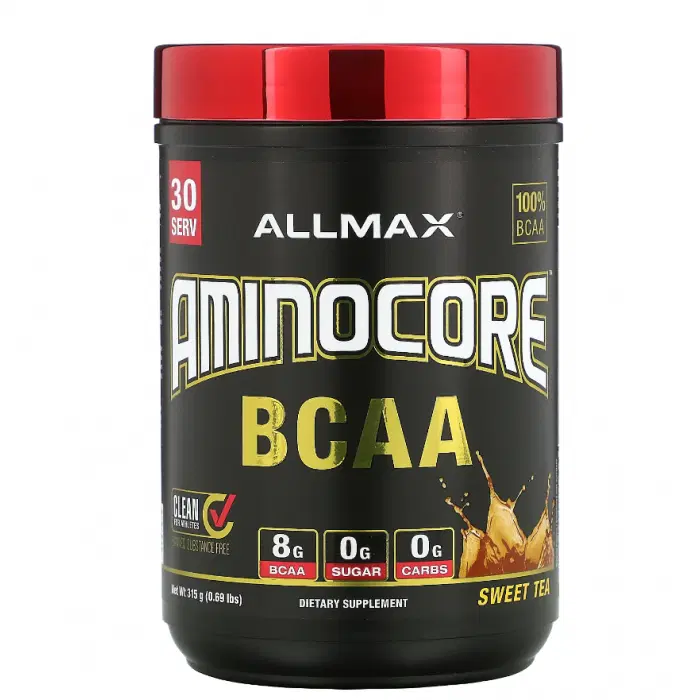
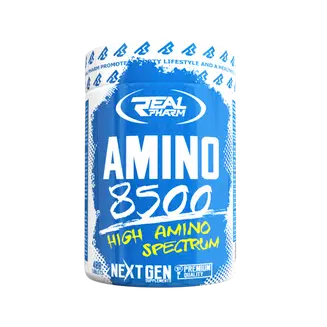
Recommended products
Frequently asked questions
What is D-aspartic acid and what is it used for?
D-aspartic acid (DAA) is a naturally occurring amino acid that plays a role in testosterone synthesis in men. It is often used as a dietary supplement to support muscle growth, increase energy, and improve libido.
Does D-aspartic acid have side effects?
D-aspartic acid is generally well-tolerated by most people. However, some users report mild side effects such as headaches, fatigue, or irritability. It is always recommended to consult a doctor before taking it.
How long does it take to see results from D-aspartic acid?
The time it takes to see visible results varies among individuals. Some users notice improvements in energy and libido within a few weeks, while others may need a longer period to achieve effects on muscle mass.
Can D-aspartic acid be taken by women?
Although D-aspartic acid is primarily associated with male hormones, some women take it to support energy and overall well-being. However, the effects in women are not as well studied, and it is advisable to consult a medical professional.