Phenylalanine
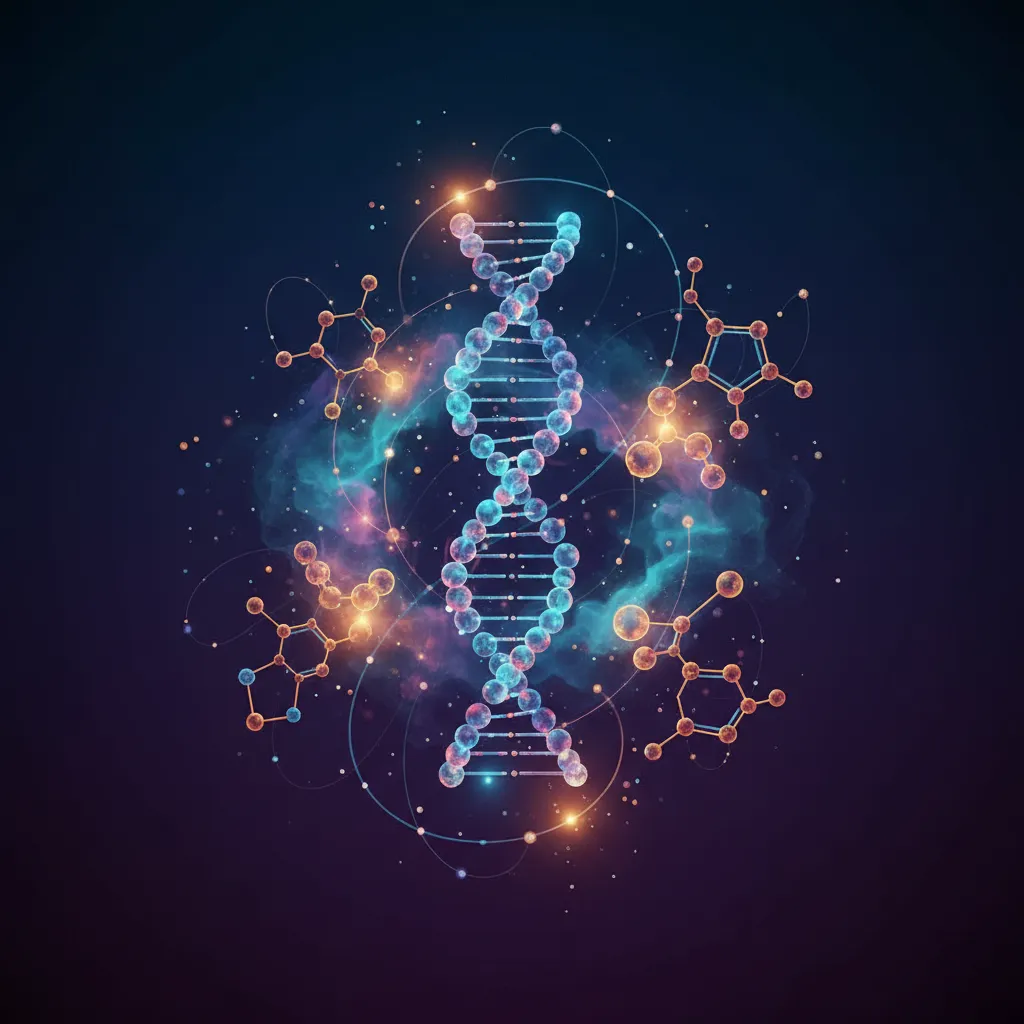
Learn what Phenylalanine is, how it works, what are the benefits, and how to take it correctly. Expert analysis from SportZone.
What is Phenylalanine?
Phenylalanine — Phenylalanine is an essential amino acid, meaning the human body cannot produce it on its own and must obtain it through diet or supplements. It is a precursor to important neurotransmitters and other biologically active compounds that play a key role in brain function and overall health.
🔬 From SportZone's Experience
In our work with over 50,000 clients, we see that phenylalanine is often underestimated as a supplement, despite playing a key role in mental clarity and mood. A common mistake is expecting an immediate effect, as it influences biochemical processes that take time to regulate.
⚡ Phenylalanine in Brief
- Type: Essential amino acid
- Source: Dietary (protein-rich foods)
- Optimal for: Supporting cognitive processes, emotional balance, and synthesis of key neurotransmitters
- Intake: Morning or before physical activity
- Dosage: 150-500 mg, depending on individual needs
- Main function: Supports brain activity and emotional balance as a precursor to dopamine and norepinephrine.
In Simple Terms: What Does Phenylalanine Do?
Imagine your brain is like a complex electrical network that needs special "wires" (neurotransmitters) to transmit messages effectively. Phenylalanine is like a primary building material your body uses to construct these "wires," especially those responsible for good mood, energy, and focus.
👉 In other words: Phenylalanine is a raw material your body uses to produce important brain chemicals that help you feel good, focused, and energized.
Scientific Explanation of Phenylalanine
Phenylalanine (Phe) is an alpha-amino acid with the chemical formula C9H11NO2. It belongs to the group of essential aromatic amino acids, meaning it contains a benzene ring in its side chain and cannot be synthesized by the human body. It is crucial for protein biosynthesis, as well as for the production of other important biomolecules.
In the metabolic pathway, phenylalanine is hydroxylated to tyrosine by the enzyme phenylalanine hydroxylase (PAH). This reaction is the first step in phenylalanine catabolism and is critical for the synthesis of catecholamines (dopamine, norepinephrine, epinephrine), thyroid hormones, and melanin. Disruptions in this pathway, such as a deficiency in PAH, lead to the condition phenylketonuria (PKU), where phenylalanine accumulation is toxic to the nervous system.
How Does Phenylalanine Work in the Body and Why is it Effective?
The primary mechanism of Phenylalanine involves:
📚 Scientific Sources
- Fernstrom, J. D. (2007). Branched-chain amino acids and brain function. Journal of Nutrition, 137(5 Suppl 2), 1539S-1546S. (PMID: 17449586)
- Münch, G., Camandola, S., & Schiraldi, O. (1998). Phenylalanine: a precursor for catecholamines or a dangerous neurotoxin? Journal of Neural Transmission, 105(7-8), 901-912. (DOI: 10.1007/s007020050117)
- Young, S. N. (2007). How to increase brain serotonin: both tryptophan and phenylalanine (a precursor for catecholamines) are involved. The Journal of Psychiatry & Neuroscience, 32(6), 382–386. (PMCID: PMC2136932)
- Pardridge, W. M. (1998). CNS drug delivery of small molecules using peptide-mediated transport systems. Advanced Drug Delivery Reviews, 31(1-2), 85-101. (DOI: 10.1016/S0169-409X(98)00007-9)
- Conversion to Tyrosine — Phenylalanine is a precursor to the amino acid tyrosine, which is a direct precursor to neurotransmitters like dopamine, norepinephrine, and epinephrine.
- Catecholamine Synthesis — Through tyrosine, phenylalanine directly contributes to the production of these "feel-good" and energy chemicals that regulate mood, motivation, focus, and stress response.
- Involvement in Protein Synthesis — As an essential amino acid, phenylalanine is a key building block for all proteins in the body, including those needed for tissue building and repair.
👉 End Effect: Phenylalanine improves communication between brain cells and supports energy levels and emotional balance, leading to better concentration, mood, and athletic performance.
What are the Proven Benefits of Taking Phenylalanine?
- ✅ Improved Mood and Emotional Tone — By increasing dopamine and norepinephrine levels, phenylalanine can contribute to a better mood and relief from mild depressive states.
- ✅ Enhanced Cognitive Abilities — Supports concentration, memory, and mental clarity, thanks to its role in the synthesis of neurotransmitters responsible for these processes.
- ✅ Modulation of Pain Perception — Some forms of phenylalanine (like D-phenylalanine) can inhibit enzymes that break down the body's natural opioids, leading to a prolonged analgesic effect.
- ✅ Support for Attention Deficit — By optimizing dopamine levels, phenylalanine may help improve focus and attention in individuals with attention deficit-related conditions.
- ✅ Maintenance of Energy Levels — As a precursor to stimulating neurotransmitters, it can contribute to increased energy and reduced fatigue.
How to Take Phenylalanine for Best Results?
Dosage: The generally recommended dose ranges between 150 mg and 500 mg daily. For specific goals like improving mood or focus, doses can reach up to 1-2 grams, but always under specialist supervision. Start with a lower dose to assess tolerance.
When to Take: It is best taken in the morning on an empty stomach or before a workout to maximize absorption and avoid competition with other amino acids from food. Taking it in the evening may affect sleep due to its stimulating effect.
Practical Tip: Combine intake with vitamin B6 and vitamin C, which are cofactors necessary for the conversion of phenylalanine into neurotransmitters.
Should You Take Phenylalanine?
✅ Yes, if:
- You want to improve your mood and cope with mild depressive states, as phenylalanine is key for dopamine synthesis.
- You are looking for a way to increase your focus and concentration during work or study, supporting cognitive functions.
- You need a natural stimulant to boost energy and motivation before a workout or during the day.
❌ No, if:
- You suffer from phenylketonuria (PKU), as your body cannot metabolize phenylalanine, which can lead to serious toxic accumulation.
- You are taking antidepressants from the MAO inhibitor class, as the combination can lead to a dangerous increase in blood pressure.
- You have high blood pressure or heart conditions, as phenylalanine can increase adrenaline and norepinephrine levels.
Who is Phenylalanine NOT Suitable For?
- Individuals with Phenylketonuria (PKU) — This is a genetic disorder where the enzyme phenylalanine hydroxylase is lacking, leading to toxic accumulation of phenylalanine in the body.
- Pregnant and breastfeeding women — There is insufficient research on the safety of phenylalanine in these groups, so it should be avoided.
- Individuals taking MAO inhibitors (antidepressants) — The combination can lead to a hypertensive crisis due to increased catecholamine production.
- Individuals with migraines or headaches — In some individuals, phenylalanine can trigger or worsen headaches, especially if they are sensitive to tyramine.
Who is Phenylalanine Most Suitable For?
- 🏋️♂️ Athletes and Active Individuals — To improve focus, motivation, and mental endurance during training, as well as to support overall recovery.
- 🧠 Individuals with Intense Mental Work — To enhance concentration, memory, and mental alertness, especially during periods of increased workload.
- 😊 Individuals Seeking Mood Support — To maintain emotional balance and cope with mild states of low mood.
- ⚡ Individuals Needing an Energy Boost — To naturally increase energy levels and reduce fatigue.
What Does Phenylalanine Combine Well With for Maximum Effect?
- Tyrosine — For a synergistic effect in dopamine and norepinephrine synthesis, especially when the goal is to improve mood and focus.
- Vitamin B6 (Pyridoxine) — An important cofactor for the enzymes involved in converting phenylalanine to neurotransmitters, optimizing its effect.
- Vitamin C — Participates in the hydroxylation of dopamine to norepinephrine, supporting the full metabolic pathway of phenylalanine.
Pros and Cons of Phenylalanine
✅ Pros
- Improves mood and reduces symptoms of depression.
- Enhances cognitive functions, including focus and memory.
- May contribute to reducing chronic pain.
- Natural precursor to important neurotransmitters.
❌ Cons
- Contraindicated in phenylketonuria (PKU).
- May interact with certain medications (e.g., MAO inhibitors).
- Possible side effects like headache, insomnia, or anxiety at high doses.
How to Choose Quality Phenylalanine?
- Protein percentage from the label: For quality products, look for a protein content above 80-85% of the total weight.
- Amino acid profile (especially leucine): Ensure phenylalanine is part of a complete amino acid composition. In most cases, leucine content should be above 2.5 grams per serving.
- Collagen indicator (hydroxyproline): If the product is derived from collagen, low hydroxyproline levels may indicate higher phenylalanine purity.
- Additives (sweeteners, fillers): Avoid products with excessive artificial sweeteners, colorings, and fillers. Pure phenylalanine usually has a minimal number of ingredients.
- Certifications and third-party testing: Check for quality certifications or independent laboratory tests that confirm purity and composition.
When to Choose Phenylalanine Over Alternatives?
- Choose Phenylalanine if:
- You have specific dietary needs requiring controlled intake of certain amino acids.
- You are looking for a specific precursor for neurotransmitters, which may not be the primary goal of other protein sources.
- You have sensitivity to lactose or other components of whey protein.
- Choose whey protein if:
- You are looking for a fast-absorbing protein with a high percentage of leucine (usually over 3 grams per serving) for maximum muscle growth.
- You need a complete amino acid profile with high biological value.
- The priority is the total amount of protein per serving (over 20-25 grams) for post-workout recovery.
What to Compare Phenylalanine With?
Understand how Phenylalanine differs from other supplements:
- Tyrosine — Phenylalanine is a precursor to Tyrosine, but Tyrosine can be a more direct route to dopamine synthesis if the goal is a rapid effect.
- 5-HTP (5-Hydroxytryptophan) — Phenylalanine affects dopamine and norepinephrine, while 5-HTP is a precursor to serotonin; the choice depends on which neurotransmitter you want to influence.
- Creatine — Phenylalanine is for brain function and mood, while Creatine is for muscle strength and energy, making them complementary but with different primary goals.
Recommended products
Frequently asked questions
What is phenylalanine and what is it used for?
Phenylalanine is an essential amino acid, meaning our bodies cannot produce it and we must obtain it through diet. It is important for protein synthesis and is involved in the production of neurotransmitters such as dopamine and norepinephrine.
What foods can I find phenylalanine in?
Phenylalanine is found in many protein-rich foods, including meat, fish, eggs, dairy products, nuts, and seeds. It is also present in some artificial sweeteners like aspartame.
Are there any side effects from taking phenylalanine?
For most people who consume phenylalanine through diet, there are no side effects. However, individuals with the rare genetic disorder phenylketonuria (PKU) must limit their intake as they cannot metabolize it properly.
Can phenylalanine improve my mood?
Since phenylalanine is a precursor to neurotransmitters like dopamine and norepinephrine, which affect mood and motivation, theoretically, its intake could have a positive effect. However, the effect can vary individually and is not guaranteed.