Glycerol

Learn what Glycerol is, how it works, its benefits, and how to take it correctly.
What is Glycerol?
Glycerol — Glycerol is a simple polyol alcohol naturally found in the body as a component of triglycerides and phospholipids. In sports nutrition, it is known for its ability to attract and retain water, making it an effective hydrating agent.
🔬 From SportZone Practice
In our work with over 50,000 clients, we observe that glycerol is extremely effective for athletes participating in endurance training or competitions in hot weather. A common mistake is consuming it with insufficient water, which can lead to stomach discomfort. For optimal effect, we always advise drinking at least 1.5-2 liters of water along with glycerol.
⚡ Glycerol in Brief
- Type: Polyol alcohol
- Origin: Natural (in the body and fats) / synthetic (dietary supplement)
- Best for: Improving hydration and endurance
- Timing: Before training or competition
- Daily dose: 1.0 – 1.2 grams per kilogram of body weight
- Main benefit: Significantly increases total body fluid volume and thermoregulation efficiency.
Explanation in simple terms: What does Glycerol do?
Imagine your body is a sponge, and Glycerol is like a super absorbent material that helps this sponge hold much more water than usual. When you take Glycerol with water, it distributes throughout the body and attracts extra fluid, "locking" it into the cells and the spaces between them.
👉 In other words: Glycerol turns your body into a larger "reservoir" for water, helping you stay hydrated longer and perform better.
Scientific explanation of Glycerol
Glycerol (propane-1,2,3-triol) is a trivalent alcohol that forms the basic backbone of triglyceride molecules. It is a highly hygroscopic compound, meaning it has a strong affinity for water. Upon ingestion, Glycerol is rapidly absorbed in the gastrointestinal tract and distributes into the extracellular and intracellular fluid compartments of the body.
Its effectiveness as a hydrating agent is due to its osmotic effect. Once in the bloodstream, Glycerol increases the osmotic pressure of the plasma, which stimulates the movement of water from the interstitial spaces back into the blood vessels. This leads to an increase in total body fluid volume (hyperhydration) and a reduction in urine production, which delays dehydration during prolonged physical exertion.
How does Glycerol work in the body and why is it effective?
The main mechanisms of Glycerol include:
📚 Scientific sources
- Riedesel et al., 1993 - Hyperhydration with glycerol: effects on thermoregulatory and cardiovascular functions during exercise in the heat (PubMed ID: 8102604)
- Hitchens et al., 2012 - Glycerol hyperhydration: new perspectives on the physiological consequences of enhancing fluid intake (European Journal of Applied Physiology)
- van Rosendal et al., 2010 - Glycerol hyperhydration attenuates the reductions in stroke volume and cardiac output during exercise in a hot environment (Journal of Applied Physiology)
- Goulet, 2010 - Effect of glycerol-induced hyperhydration on thermoregulation and fluid-electrolyte balance during a 2-h run in the heat (British Journal of Sports Medicine)
- Osmotic effect — Glycerol increases the osmotic pressure of blood plasma, drawing water from interstitial spaces into the blood vessels. This leads to an increase in plasma volume.
- Hyperhydration — The increased volume of blood plasma and total body fluids creates a state of hyperhydration, which delays the onset of dehydration during intense and prolonged efforts.
- Improved thermoregulation — The increased fluid volume allows the body to regulate its temperature more effectively through sweating, reducing the risk of overheating.
👉 End effect: All of this leads to a longer maintenance of optimal hydration, more effective body cooling, and delayed onset of fatigue.
What are the proven benefits of taking Glycerol?
- ✅ Improved hydration — Significantly increases water retention in the body, which is particularly beneficial in hot conditions or during long training sessions.
- ✅ Increased endurance — Maintaining optimal hydration delays fatigue and allows athletes to train or compete longer.
- ✅ Enhanced thermoregulation — Helps the body maintain a lower heart rate and body temperature during physical exertion.
- ✅ Reduced risk of dehydration — Prevents fluid loss that can lead to performance decrease and health problems.
How to take Glycerol for best results?
Dosage: The recommended dose varies, but the generally accepted effective dose is 1.0 – 1.2 grams of Glycerol per kilogram of body weight, dissolved in a large amount of water (1.5 – 2.0 liters) over a period of 60-90 minutes.
When to take: It is best to take it 60-120 minutes before training or competition to allow sufficient time for absorption and fluid distribution.
Practical tip: Split the dose into several smaller servings within one hour to avoid stomach discomfort.
Should you take Glycerol?
✅ Yes, if:
- You have a long competition or training session ahead: If you will be exerting yourself for more than 60-90 minutes, Glycerol will help maintain hydration.
- You train or compete in hot and humid environments: The risk of dehydration is higher in such conditions, and Glycerol will improve thermoregulation.
- You want to optimize your endurance: Improved hydration directly correlates with higher endurance and delayed onset of fatigue.
❌ No, if:
- You have short and low-intensity workouts: The benefits of Glycerol are minimal for these and do not justify potential discomfort.
- You are sensitive to stomach discomfort: High doses can cause nausea or bloating in some individuals.
- You are looking for a direct stimulus for strength or muscle growth: Glycerol is not directly related to these goals, but to hydration and endurance.
Who is Glycerol NOT suitable for?
- People with kidney problems: Increased fluid volume can strain the kidneys.
- People with cardiovascular diseases: Changes in blood volume can be risky.
- Pregnant and breastfeeding women: There is insufficient research on safety in these groups.
- People who are not actively exercising: The benefits of Glycerol are specific to physical exertion and hydration.
Who is Glycerol most suitable for?
- 🏋️♂️ Strength athletes — Can help maintain hydration during long training sessions or competitions with many sets.
- 🏃 Endurance athletes — Marathon runners, triathletes, cyclists who need maximum hydration and thermoregulation during prolonged efforts.
- 🧍♂️ Active individuals — Anyone who trains intensely in hot conditions or for long periods and wants to avoid dehydration.
What does Glycerol combine well with for maximum effect?
- Electrolytes — Combination with sodium, potassium, and magnesium is key, as Glycerol increases fluid volume but does not provide electrolytes, which are also lost through sweat.
- Creatine — Both supplements increase cell hydration through different mechanisms, potentially acting synergistically to improve muscle cell volume and performance.
- Carbohydrates — Taking Glycerol with a carbohydrate drink provides not only hydration but also energy, which is ideal for prolonged sporting events.
Advantages and disadvantages of Glycerol
✅ Advantages
- Significantly improves hydration and thermoregulation.
- Increases endurance during prolonged physical exertion.
- Delays the onset of fatigue, especially in hot conditions.
- May contribute to a "pump" effect in muscles due to increased fluid volume.
❌ Disadvantages
- High doses can cause stomach discomfort, nausea, headaches.
- Requires consumption of very large amounts of water, which may be impractical.
- In some sports, it may have been on the list of banned substances (it used to be, but no longer is).
- Not suitable for fast and short workouts.
How to choose quality Glycerol?
- Glycerol percentage from the label: In most cases, look for products with a high percentage of pure glycerol, usually above 99.5%. Lower percentages may indicate the presence of other ingredients.
- Form of glycerol: Prefer powdered glycerol (glycerol monostearate) as it is easier to dose and mix. Liquid glycerol may be more concentrated but also harder to measure precisely.
- Additives (sweeteners, fillers): For quality products, avoid those with unnecessary artificial sweeteners, colorings, or fillers. Pure glycerol is tasteless.
- Certificates and third-party testing: The presence of purity certificates and laboratory tests from independent organizations can support high quality and absence of contaminants.
When to choose Glycerol over alternatives?
- Choose Glycerol if:
- The goal is hyperhydration and improving endurance during prolonged training in hot environments.
Recommended products
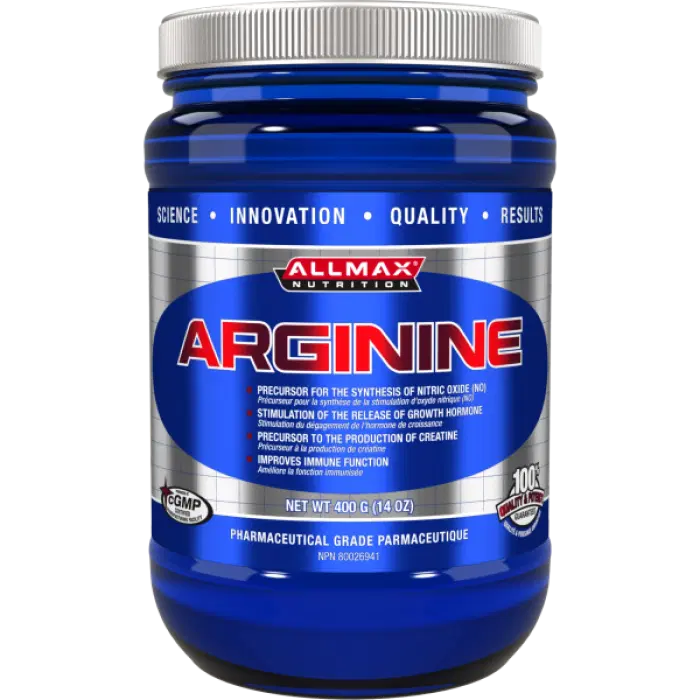
Frequently asked questions
What is glycerol used for?
Glycerol has wide applications in cosmetics as a moisturizer, in the food industry as a sweetener and stabilizer, and in pharmaceuticals for the production of medicines and syrups.
Is glycerol safe to use?
Yes, glycerol is considered safe for both external and internal use within permissible concentrations. It is a naturally occurring substance in the body and does not cause toxicity with normal use.
What are the benefits of glycerol for the skin?
Glycerol is an excellent humectant that attracts water to the skin and helps maintain its elasticity and softness. It can also help soothe irritated skin and improve the skin barrier.
Can glycerol be harmful if ingested in large quantities?
Ingesting very large amounts of glycerol can lead to mild gastrointestinal problems such as nausea and diarrhea. However, it is not toxic and these effects are usually temporary.