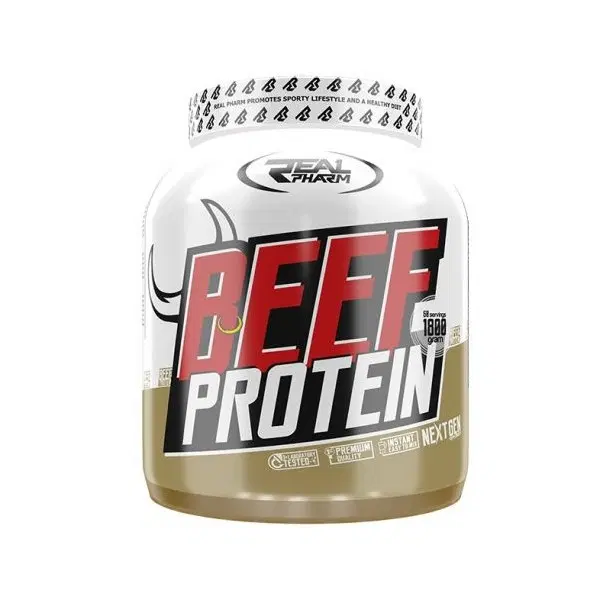
Beef Protein
Learn what Beef Protein is, how it works, what its benefits are, and how to take it correctly. Expert analysis from SportZone.
What is Beef Protein and What are its Main Characteristics?
Beef Protein — Beef protein is a high-quality protein supplement derived from beef, offering a complete amino acid profile necessary for muscle growth and recovery. It is an excellent choice for individuals seeking an alternative to dairy proteins or for those who value the additional nutrients found in beef.
🔬 From SportZone's Experience
In our work with over 50,000 clients, we observe that many users choose beef protein as an alternative to whey due to lactose intolerance or allergies. A common mistake is assuming all beef proteins are equivalent to a complete muscle protein – our observations suggest it's critical to check the label for collagen content, as it has a lower biological index.
Beef protein is a good alternative to whey for individuals with lactose intolerance, but it typically contains less leucine and may be less effective for maximal muscle protein synthesis (MPS). Many products on the market are actually based on hydrolyzed collagen, not complete muscle protein – therefore, always check the amino acid profile on the label.
⚡ Beef Protein in a Nutshell
- Type: Protein food supplement (from beef)
- Origin: Extracted from beef through filtration and hydrolysis
- Best for: Muscle building, regeneration, lean mass maintenance, dairy-free alternative
- Intake time: Post-workout, between meals, before sleep
- Daily dose: 20-40 grams, 1-3 times a day, depending on individual needs
- Main benefit: Supports protein synthesis in the body and provides valuable micronutrients like iron and creatine.
Simple Explanation: What Does Beef Protein Do?
Imagine your muscles are like a construction site that constantly needs new bricks to be built and repaired. Beef protein is like the highest quality bricks, delivered straight from the butcher shop, ready to be incorporated into your muscle structure, but without carrying the whole meat.
👉 In other words: It delivers all the necessary "building blocks" (amino acids) to your muscles so they can grow and recover more effectively, especially if you avoid dairy products.
Scientific Explanation of Beef Protein
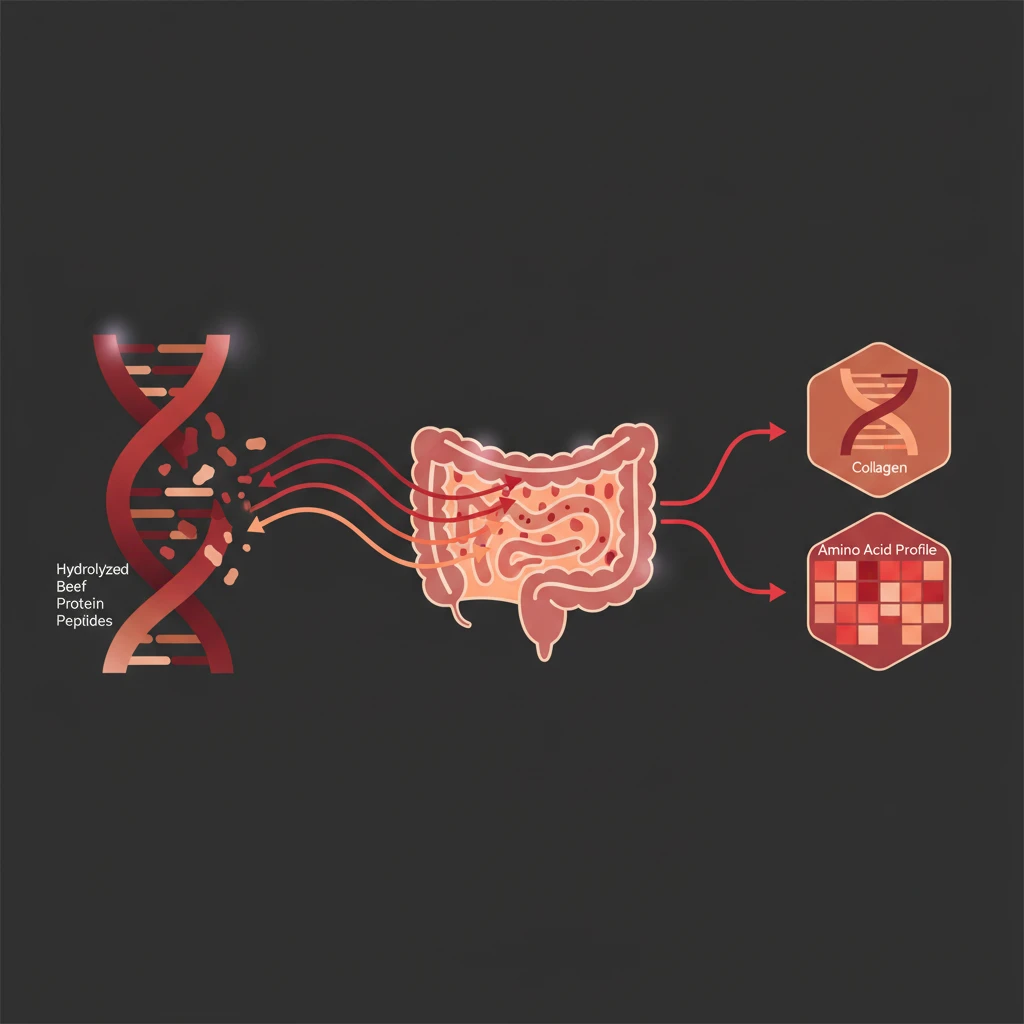
Beef protein, often found in isolate or hydrolysate form, is a concentrated source of protein derived from beef. The manufacturing process typically involves hydrolysis, where protein chains are broken down into smaller peptides and free amino acids. This facilitates their rapid absorption and utilization by the body. Unlike whey protein, beef protein is lactose-free and suitable for individuals with allergies or intolerances to dairy products.
Its amino acid profile is rich in all essential amino acids (EAAs), including branched-chain amino acids (BCAAs – leucine, isoleucine, valine), which are critical for stimulating muscle protein synthesis (MPS). Furthermore, beef protein often contains naturally occurring compounds such as creatine, iron, zinc, and B vitamins, which contribute to energy metabolism, red blood cell function, and overall athlete health.
How Exactly Does Beef Protein Work in the Body and Why Is It Considered So Effective for Athletes?
The primary mechanism of Beef Protein involves:
📚 Scientific Sources
- Areta et al., 2013 - "Timing and amount of protein intake during resistance exercise for maximal protein synthesis" (B-type GOV protein vs. whey analogues)
- Devries & Phillips, 2015 - "Supplemental protein in support of muscle mass and health: advantage whey?" (PMID: 25757896)
- Mobley et al., 2017 - "Effects of carbohydrate and casein hydrolysate ingestion during high-intensity endurance exercise" (DOI: 10.3389/fphys.2017.00065)
- Reitelseder et al., 2011 - "Whey and casein proteins increase postprandial anabolism and suppress catabolism more effectively than soy protein in young men" (PMID: 21973686)
- Providing Complete Amino Acids — It delivers all nine essential amino acids that the body cannot synthesize, directly stimulating muscle protein building.
- Rapid Absorption (for hydrolysates) — Through hydrolysis, protein molecules are pre-digested, allowing them to enter the bloodstream faster and reach the muscles, accelerating recovery.
- Micronutrient Support — Naturally contains essential nutrients like iron, zinc, B vitamins, and creatine, which support energy metabolism, immune system function, and muscle strength.
👉 End Effect: Beef protein can effectively support muscle growth and regeneration, enhance athletic performance, and maintain overall health, especially for those who need a dairy-free protein option.
What are the Main Proven Benefits of Regular Beef Protein Intake for Improving Athletic Performance?
- ✅ Supports Muscle Mass Building — Rich in BCAAs, especially leucine, which is a key activator of the mTOR pathway responsible for muscle protein synthesis.
- ✅ Promotes Rapid Recovery — Quickly delivers amino acids to damaged muscle fibers, reducing muscle soreness and shortening regeneration time.
- ✅ Ideal for Lactose Intolerance/Allergies — Serves as an excellent alternative to whey and casein protein for individuals who avoid dairy products.
- ✅ Strengthens Connective Tissue — Often contains collagen peptides, which contribute to the health of joints, tendons, skin, and hair.
- ✅ Provides Valuable Micronutrients — Naturally rich in iron, zinc, and B vitamins, which are essential for energy metabolism and immune function.
What Makes Beef Protein Different from Other Proteins?
Beef protein occupies a unique niche among major protein supplements. Here's what sets it apart:
- Lower Leucine than Whey — Whey protein contains ~10-12% leucine, while beef is typically in the 7-9% range. This means a weaker mTOR signal for maximal muscle protein synthesis (MPS).
- Slower Absorption — Unless hydrolyzed, beef protein is absorbed more slowly than whey isolate, making it more suitable for sustained amino acid delivery than for a rapid post-workout spike.
- More Collagen ≠ More Muscle Growth — Many beef protein products on the market are primarily based on hydrolyzed collagen. Collagen is low in leucine and tryptophan, meaning it is not optimal for MPS despite the high protein content on the label.
- Unique Micronutrient Profile — Unlike whey and plant-based proteins, beef protein naturally contains heme iron, zinc, creatine, and B vitamins – nutrients that are difficult to obtain from other protein supplements.
⚠️ Important: Not All Beef Proteins Are Created Equal
Most beef protein supplements on the market are actually based on hydrolyzed collagen, not complete muscle protein from beef. This means:
- Low content of leucine (the key amino acid for mTOR activation)
- Lack of tryptophan (one of the 9 essential amino acids)
- Incomplete amino acid profile for optimal muscle synthesis
How to check? Look at the amino acid profile on the label. If leucine is below 7% and hydroxyproline is high — the product is predominantly collagen, not complete beef protein.
What is the Optimal Way to Consume Beef Protein for the Best Results?
Dosage: Typically, 20-40 grams per serving is recommended, 1 to 3 times daily, depending on your total dietary protein intake and training goals. For optimal muscle growth, aim for 1.6-2.2 grams of protein per kilogram of body weight daily.
When to consume: The best time to consume it is immediately after training to accelerate recovery and stimulate muscle protein synthesis. It can also be taken between main meals as a protein snack or before bed to ensure a steady supply of amino acids overnight.
Practical tip: Mix beef protein with water, milk (if you have no intolerance), or a plant-based beverage to make a tasty shake, or add it to smoothies, oatmeal, or baked goods to increase their protein content.
Should You Take Beef Protein?
✅ Yes, if:
- You want to stimulate muscle building and recovery, as it provides all the necessary amino acids for these processes.
- You have lactose intolerance or dairy allergies and are looking for a high-quality dairy-free protein alternative.
- You are looking for a protein that naturally contains additional micronutrients like creatine, iron, and zinc, which support overall health and performance.
❌ No, if:
- You have an allergy to beef or other ingredients in the product, which could cause adverse reactions.
- You are already consuming enough protein from other sources, as additional intake may not bring significant benefits.
- You are looking for the fastest absorbing protein for immediate post-workout use and have no issues with lactose, as whey hydrolysate might be faster.
Who is Beef Protein NOT Suitable For?
- Vegans and vegetarians — The product is of animal origin and is not compatible with their dietary regimen.
- Individuals with beef allergies — Consumption can trigger allergic reactions such as rashes, swelling, or gastrointestinal issues.
- Individuals with certain kidney conditions — High protein intake can strain the kidneys, so medical consultation is necessary.
- Individuals seeking the most economical protein source — Beef protein is often more expensive compared to whey or plant-based proteins.
For Which Groups of Athletes and Individuals is Beef Protein Intake Most Suitable?
- 🏋️♂️ Strength Athletes — Supports muscle growth, recovery, and strength due to its complete amino acid profile and natural creatine.
- 🏃 Endurance Athletes — Aids in muscle recovery after prolonged exertion and supports immune function through iron and zinc.
- 🧍♂️ Active Individuals — Provides high-quality protein to maintain muscle mass, overall health, and energy levels in daily life.
- 🥛 Individuals with Lactose Intolerance/Dairy Allergies — Represents an ideal alternative to dairy proteins without compromising on quality.
With Which Other Supplements or Foods Does Beef Protein Combine Well for Maximum Effect?
- Creatine Monohydrate — For increased strength, explosiveness, and muscle volume, as beef protein is a natural source of creatine, but additional intake optimizes results.
Recommended products
Frequently asked questions
What is the difference between beef protein and whey protein?
Beef protein is derived from beef, while whey protein is a byproduct of cheese production. Beef protein is often richer in amino acids like glycine and proline, which are important for joint and skin health.
Is beef protein suitable for people with lactose intolerance?
Yes, beef protein is a great option for individuals with lactose intolerance as it is dairy-free. It is naturally lactose-free and often hypoallergenic.
When is the best time to take beef protein?
Beef protein can be taken at any time of the day, but it is particularly beneficial after a workout to aid muscle recovery. It can also be used as a meal supplement to increase overall protein intake.
Does beef protein have any side effects?
Generally, beef protein is well-tolerated. Some individuals may experience mild digestive issues, especially with excessive consumption. It's always a good idea to start with a smaller dose to see how your body reacts.