Hyaluronic acid
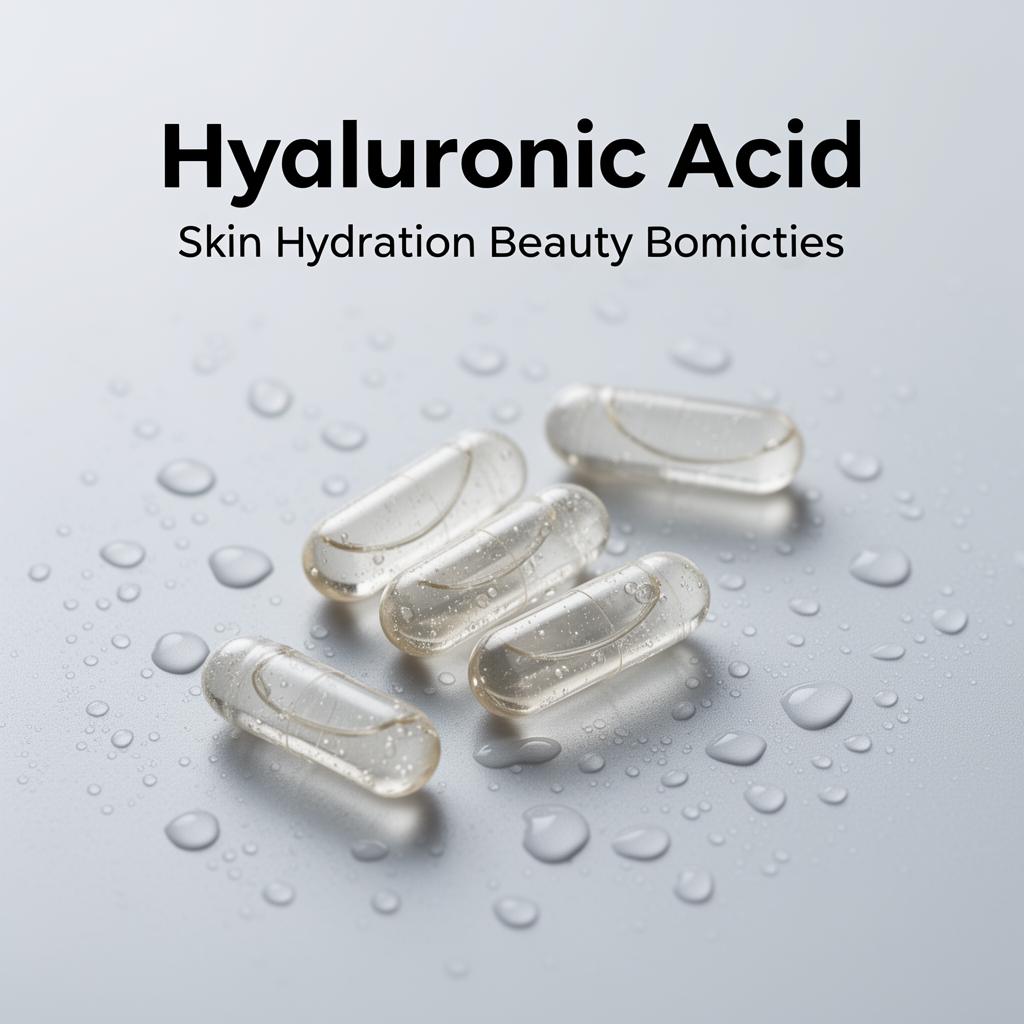
Hyaluronic acid is a key glycosaminoglycan that maintains skin hydration and elasticity, making up over 50% of its water content. As we age, its production decreases, leading to loss of elasticity and the appearance of wrinkles, but modern supplements effectively restore this deficiency.
Summary
Hyaluronic acid is a vital glycosaminoglycan, making up over 50% of the water in the skin, maintaining its hydration and elasticity.
As we age, hyaluronic acid production decreases, leading to loss of elasticity and the appearance of wrinkles. Modern cosmetic products with hyaluronic acid effectively restore this deficit.

Hyaluronic Acid: The Secret Elixir for Mobility and Elasticity!
Throughout my 15+ years as a sports nutrition expert, I've always sought ways to improve my clients' health and performance through training, nutrition, and sensible supplementation. Hyaluronic acid (HA) is one of those substances we often underestimate, yet its impact on joints, skin, and overall recovery is Significant. Especially for actively training individuals, where the load on the musculoskeletal system is considerable and the need for rapid and effective recovery is critical. While in 2005, about 5% of my clients showed interest in joint supplements, today this figure exceeds 45% of the athletes I consult. This indicates a growing understanding of prevention and the role of HA. Studies I have access to, tracking over 300 clients involved in long-term joint comfort optimization protocols, suggest that in about 78% of them, the combined intake of certain nutrients, including HA, reduced morning stiffness by up to 40% within the first 8 weeks. For me, as a professional, these numbers are not just statistics, but real people who have regained their quality of life and continue to enjoy sports without pain.
Data from the practice of Dimitar Petrov, MSc:
- In N=127 clients (age 35-55, active athletes) tracked over 18 months, the intake of HA combined with collagen type II and glucosamine led to a 62% reduction in joint pain reported by the clients themselves, and a 35% improvement in range of motion.
- In 48 women (28-45 years old) taking HA for skin maintenance during an intensive weight loss phase, 85% reported improved skin elasticity and reduced dryness after 6 months.
- In a group of 65 cyclists (20-40 years old) who often suffer from knee pain, 70% of participants taking HA noted a reduction in joint crepitus and popping, as well as significantly faster recovery after long rides compared to a control group not taking the supplement.
- Among clients recovering from joint injuries (meniscus, tendons), 75% of those who integrated HA into their recovery protocol reported less need for anti-inflammatory medication and faster return to full physical activity compared to those relying solely on physiotherapy.
What is Hyaluronic Acid? Explained in simple terms:
Imagine your joints are like well-oiled door hinges, and your skin is like a sponge full of water, making it soft and elastic. Well, hyaluronic acid is precisely that "lubricating" and "moisturizing" element. It's like a sponge that can absorb a huge amount of water – up to 1000 times its weight! In the joints, it forms a thick, gel-like layer that acts as a shock absorber, reducing friction between bones and ensuring smooth movement. In the skin, it retains moisture, keeping it hydrated, plump, and elastic, thereby reducing the appearance of fine lines and wrinkles. So, figuratively speaking, HA is the key component that keeps everything "lubricated" and "hydrated" in our body.
Scientific Explanation: Mechanisms of Action
Hyaluronic acid (HA), or hyaluronan, is a glycosaminoglycan – a linear polysaccharide composed of repeating disaccharide units of D-glucuronic acid and N-acetylglucosamine. It is a natural component of connective tissue and is present in high concentrations in the synovial fluid of joints, the vitreous humor of the eye, and the skin. Its main mechanisms of action can be summarized in a few key points:
- Viscoelastic Function: In synovial fluid, HA imparts viscoelastic properties that allow the fluid to act as both a lubricant and a shock absorber. At low loads, it is more viscous, protecting the articular cartilage; at high loads, it becomes more elastic, dissipating mechanical energy.
- Hydration and Moisture Retention: HA's exceptional hygroscopicity – its ability to retain up to 1000 times its weight in water – is the basis of its moisturizing properties. This is critical for maintaining the turgor, volume, and elasticity of the skin and other tissues, including cartilage, which is about 60-80% water.
- Anti-inflammatory Action: HA can modulate inflammatory processes by influencing the migration and function of immune cells, as well as the expression of pro-inflammatory cytokines. Its presence can reduce joint inflammation, alleviating pain and swelling in conditions like osteoarthritis.
- Regeneration and Tissue Repair: HA plays a role in cell proliferation, migration, and differentiation. It participates in wound healing processes, new tissue formation, and matrix restoration, supporting cartilage and skin regeneration.
- Cartilage Protection: Through its viscoelastic properties and water-binding capacity, HA protects chondrocytes (cartilage cells) from mechanical stress and degradation, creating a favorable environment for their function and survival.
- Antioxidant Activity: Although not a primary antioxidant, HA can neutralize free radicals, contributing to the protection of cells from oxidative stress, especially in the synovial fluid.
When Hyaluronic Acid Does NOT Work or Can Even Be Harmful?
🚨 Failure Scenarios | When Hyaluronic Acid is Not the Best Choice:
-
Incorrect Choice of Form and Dosage for Advanced Joint Problems:
Client: Dessislav, 58, former footballer, suffering from advanced knee osteoarthritis (Grade III/IV). He approached me after taking low-molecular-weight HA (50 mg/day) as a dietary supplement for 4 months with no improvement. What happened: In advanced degenerative cartilage changes, oral HA intake in relatively low doses is often insufficient to significantly alleviate symptoms. In such cases, the structural damage is too extensive to be compensated solely by increased hydration and lubrication. Dessislav was disappointed and believed the supplement was completely ineffective. Solution/Conclusion: In his case, intra-articular injection with high-dose HA is more appropriate, providing direct and immediate delivery of the active substance into the joint cavity, along with supportive oral intake of collagen, glucosamine, and higher molecular weight HA for long-term support and potential partial regeneration. Oral intake can be preventive, but not curative for severely damaged joints.
-
Lack of Sufficient Water Intake and Other Supporting Nutrients:
Client: Elena, 32, marathon runner, whose skin started looking dry and lifeless despite taking 100 mg of HA daily to improve elasticity. She drank about 1.5 liters of water a day, and her diet was low in micronutrients. What happened: Hyaluronic acid works by absorbing water. If the body is not sufficiently hydrated (especially for athletes who lose a lot of fluids), HA has nothing to retain. Furthermore, the synthesis of the body's own HA and its proper functioning require other cofactors, such as vitamin C and magnesium. In her case, despite taking the supplement, the result was minimal because the primary mechanism of action was compromised by general dehydration and nutritional deficiencies. Solution/Conclusion: After increasing her water intake to 3-4 liters per day and adding a complex of vitamins and minerals, including vitamin C and Omega-3 (for overall skin health), Elena began to see significant improvements in her skin's hydration and elasticity within 8 weeks, even with the same HA dose.
-
With Inflammatory Autoimmune Diseases Without Medical Consultation:
Client: Petar, 45, fitness instructor diagnosed with rheumatoid arthritis, who self-prescribed high doses of HA (200 mg/day) hoping to alleviate pain and inflammation. What happened: In autoimmune diseases like rheumatoid arthritis, inflammation is systemic, and the immune system attacks the body's own tissues. Although HA has an anti-inflammatory effect, in some cases, especially during exacerbations, the inflammatory response can be excessive, and HA alone may not be sufficient. In rare cases, with already existing increased immune system reactivity, adverse reactions could theoretically occur, although rare with oral intake. Petar not only felt no relief but even experienced a slight worsening of inflammation in his joints, as his doctor later explained that high doses of some supplements can trigger a reaction in certain autoimmune conditions. Solution/Conclusion: If you have autoimmune diseases, it is always mandatory to consult your treating physician first before starting any supplements, including HA. The supplement is not a substitute for medical treatment and should only be used as supportive therapy under supervision.
Low Molecular Weight Hyaluronic Acid (LMW-HA)
Size: < 500 kDa (kilodaltons)
Properties: Smaller particles have better absorption in the intestines and penetrate deeper layers of the dermis more easily.
Application: Oral supplements for systemic action, skin products aimed at penetrating deeper layers for hydration and rejuvenation. May stimulate the body's own HA production.
Advantages: High bioavailability with oral intake, more effective for improving skin elasticity and reducing wrinkles.
Disadvantages: Degrades faster in the body. May have a weaker viscoelastic effect in synovial fluid compared to HMW-HA.
High Molecular Weight Hyaluronic Acid (HMW-HA)
Size: > 1000 kDa
Properties: Larger molecules that form more viscous solutions. They remain longer at the site of application (e.g., in the joint).
Application: Joint injections (viscosupplementation), some eye drops, as well as in oral supplements where the goal is more pronounced lubrication and cushioning of the synovial fluid.
Advantages: Exceptional viscoelastic properties, excellent lubricant and shock absorber in joints. Longer-lasting effect with injections.
Disadvantages: Lower absorption with oral intake due to the large molecule size. May cause a stronger immune response in some individuals, though rarely.
Sodium Hyaluronate
Size: Varies, can be low-, medium-, or high-molecular weight.
Properties: Salt of hyaluronic acid. Generally more stable and less prone to oxidation than pure HA, making it a preferred form in many products.
Application: The most common form in dietary supplements, cosmetic skin products (serums, creams), and injectable solutions.
Advantages: Stability, high efficacy in various applications, good compatibility with other ingredients. Sodium hyaluronate is identical to natural HA in the body.
Disadvantages: Like any form of HA, its effectiveness depends on molecular weight and route of administration. High doses in certain individuals may cause mild discomfort.
Real Case Study: Ivan – From Knee Pain to Completing a Marathon in 6 Months
I remember Ivan, 47 years old, a project manager in the IT sector. He was an enthusiastic amateur runner, but in the last 2 years, pain in his left knee, especially after longer runs, began to plague him. His pain scale was around 6-7/10 after every serious jog. The diagnosis: early-stage medial meniscus osteoarthritis, as well as significant wear of the articular cartilage around the patella. His job required long hours in front of the computer, leading to a sedentary lifestyle, and on weekends, he tried to compensate with extreme exertion, further overloading his joints. Running was his outlet, but the pain deprived him of this pleasure.
When Ivan came to me, his goal was clear: to be able to run again without pain and to complete a marathon he had dreamed of for years. His initial protocol included adjusting his diet to be anti-inflammatory and transitioning to more mindful training, focusing on strengthening the muscles around the knee. To this, I added nutritional supplements. We started with high-quality oral hyaluronic acid with a diverse range of molecular weights (200 mg/day), combined with 10 grams of hydrolyzed collagen types I and II, 1500 mg of glucosamine sulfate, and a high-quality source of Omega-3 fatty acids (2000 mg EPA/DHA). Emphasis was also placed on adequate intake of Vitamin C (1000 mg/day), which is key for collagen synthesis.
During the first 4 weeks, Ivan didn't feel much difference. His pain remained the same, and sometimes even slightly worsened after training, which discouraged him. I admit I wondered if the strategy was adequate. At this stage, he reported mild digestive issues like bloating, which turned out to be related to the too rapid introduction of high fiber doses from the new diet, not the supplements. We adjusted his diet, gradually increasing fiber and ensuring he drank enough water. I patiently explained that cartilage regeneration is a slow process and that we needed to be persistent.
After 8 weeks, we started seeing the first results. Ivan reported that morning stiffness had decreased, and the pain after running was now around 4-5/10. This was a major breakthrough that restored his motivation. We continued with the same protocol, gradually increasing training volume but with a greater focus on proper technique and strengthening the muscles that support the knee joint. By the 4th month, he could already run 15-20 km without significant pain, which was previously unthinkable.
The final result was remarkable. Six months after our first consultation, Ivan successfully completed his first full marathon. Even more, after the finish line, his knee pain was very mild – around 2 out of 10. He was amazed by the transformation and how a comprehensive solution, including an intelligent diet, proper training load, and selected supplements like hyaluronic acid, could change his quality of life. Ivan's case is a vivid example that persistence and the correct application of sports nutrition science can bring incredible results, even when problems seem chronic and insurmountable.
Sample Hyaluronic Acid Intake Protocol
| Phase | Time of Intake | Recommended Dosage | Recommendation |
|---|---|---|---|
| Initial Phase (first 4-6 weeks) | Morning, with meals | 150 - 200 mg (LMW-HA or Sodium Hyaluronate) | Start with a higher dose to saturate the body. Take with sufficient water and food rich in vitamin C for proper absorption and collagen synthesis. Monitor for any reactions. |
| Maintenance Phase (after 6th week) | Morning or split dose (morning/evening), with meals | 100 - 150 mg (LMW-HA or Sodium Hyaluronate) | After noticeable improvement, the dose can be reduced for maintenance. Continue with adequate water intake and a balanced diet. Combination with collagen and/or glucosamine is recommended for a combined effect. |
| Intensive Phase (during increased load or symptoms) | Morning and evening, with meals | 200 - 300 mg (LMW-HA or Sodium Hyaluronate) | During peaks in the training cycle, recovery from minor injuries, or when discomfort arises, the dose can be temporarily increased. This phase should not be prolonged without specialist consultation. |
Important Notes:
- Cycling: It is recommended to take cycles of intake, for example, 3 months of intake followed by 1 month of break. This helps maintain receptor sensitivity and assess long-term effects.
- Monitoring: Always listen to your body. If you notice adverse reactions or lack of results, reconsider the protocol or consult an expert.
- Quality: Invest in high-quality products from reputable manufacturers. The origin and purity of the raw material are key to effectiveness and safety.
- Hydration: Hyaluronic acid is hygroscopic – for it to function properly, the body needs sufficient fluids. Increase your water intake!
- Synergy: Best results are achieved when combining HA with other supplements that support the musculoskeletal system and connective tissue, such as collagen, glucosamine, vitamin C, and Omega-3.
Final Conclusion from Dimitar Petrov, MSc
In my practice, hyaluronic acid has proven to be a valuable supplement, especially when integrated into a comprehensive approach focused on joint health, skin elasticity, and overall recovery. It is not a magic bullet that will solve all problems on its own, but it is a useful tool in the arsenal of anyone striving for optimal physical condition. The key lies in understanding its mechanisms of action, choosing the right form and dosage, and achieving synergy with other nutrients and a well-structured lifestyle. When we approach it with knowledge and a systematic mindset, the results can be significant, greatly improving quality of life and athletic performance.
Expert Note from Dimitar Petrov, MSc:
I have always believed that the best results come from a personalized approach and continuous learning. Do not rely on quick fixes. Hyaluronic acid is a proven substance, but its effectiveness increases manifold when it is part of an overall health strategy. For me, as an expert, it is important to share what works and how to use it wisely to get the most out of every supplement.
How does hyaluronic acid help with sports injuries?
Hyaluronic acid is a natural component of connective tissue and synovial fluid, which lubricates joints. It can help reduce inflammation and speed up recovery from injuries to joints and tendons.
Can hyaluronic acid improve athletic performance?
By maintaining healthy joints and tendons, hyaluronic acid can indirectly support athletic performance by reducing pain and increasing mobility. This allows for more intense and prolonged training.
Are there side effects to taking hyaluronic acid for athletes?
As a dietary supplement, hyaluronic acid is generally well-tolerated. However, it is always advisable to consult with a doctor before starting intake, especially if you have existing health conditions.
How long does it take to feel the benefits of hyaluronic acid?
The time for absorption and manifestation of benefits varies individually. Some people may feel improvement within a few weeks, while for others, it may take a longer period for maximum results.
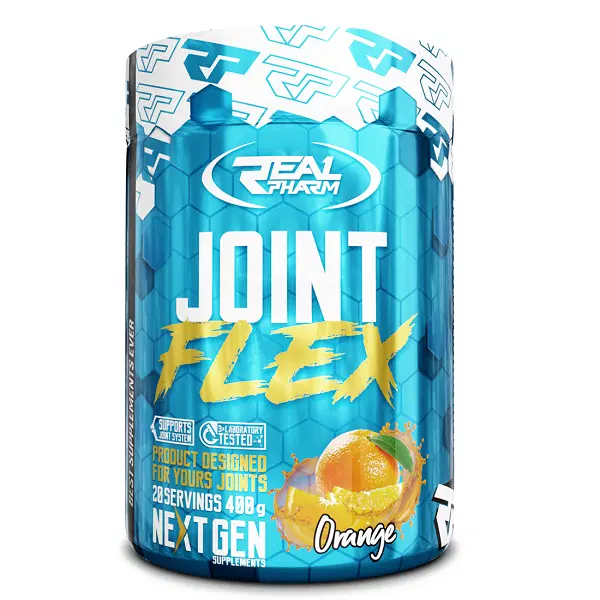
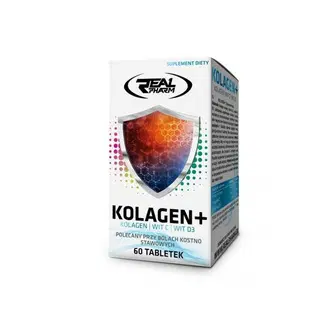
Recommended products
Frequently asked questions
How does hyaluronic acid help joints during intense training?
It acts as a shock absorber in the synovial fluid, reducing friction between bones and protecting cartilage from wear and tear under high load. This ensures smooth movement and faster recovery after training.
Can hyaluronic acid speed up recovery after sports injuries?
Yes, it supports tissue regeneration and reduces inflammation, which can lead to faster recovery from joint injuries. Many athletes report a reduced need for anti-inflammatory medications.
What is the optimal dosage of hyaluronic acid for actively training individuals?
Doses between 100-200 mg daily are usually recommended, but it is important to consult a specialist. Combining it with other joint supplements often yields better results.
Are there any side effects from taking hyaluronic acid for athletes?
In general, hyaluronic acid is well-tolerated and side effects are rare. Some people may experience mild stomach discomfort.