Hydration
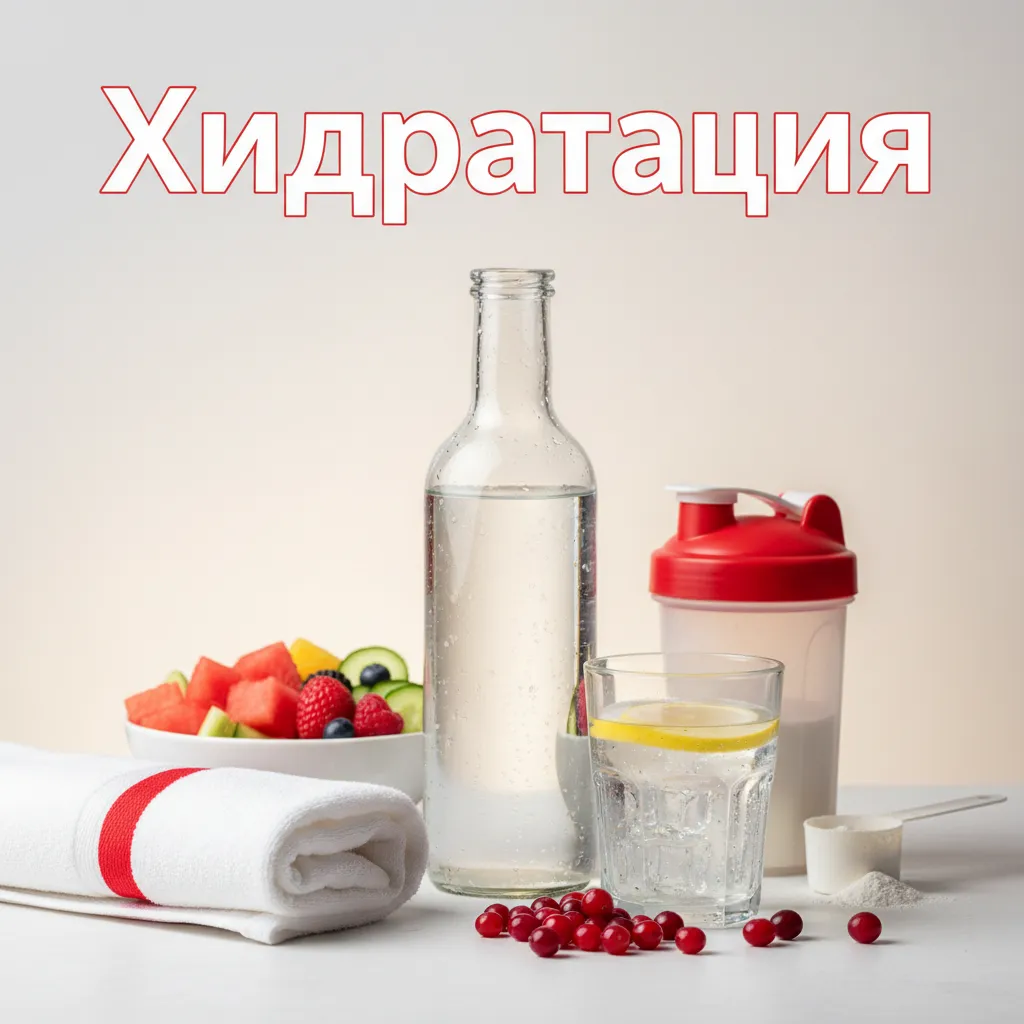
Brief expert definition: What is Hydration, how it works in the body, and how it is applied in sports nutrition.
Short answer: Hydration is a vital physiological process for maintaining water balance, with even 1-2% dehydration potentially reducing athletic performance. Water participates in all metabolic processes, and electrolytes like sodium are key for osmotic balance. Practical advice: For optimal results, consume 500-600 ml of fluids 2-3 hours before training and 200-300 ml every 10-20 minutes during it.
Hydration is the physiological process of maintaining adequate water balance in the body through fluid intake and retention.
For a comprehensive overview, see the complete guide to proper nutrition — a key resource from the Sport Zona expert team.
What is Hydration?
Hydration is the process by which the body obtains and retains sufficient water to function properly.
📖 Maintaining Water Balance
Hydration is the physiological process of maintaining good water balance in the body through fluid intake and retention, which is crucial for survival and proper bodily function.
Hydration involves maintaining an adequate level of bodily fluids, which is necessary for the survival and proper functioning of the organism. Approximately 60% of the human body is composed of water, which is involved in every metabolic process – from cellular transport and biochemical reactions to regulating body temperature and lubricating joints. Water is a fundamental component of blood, lymph, interstitial fluid, and intracellular fluid.
Maintaining this balance is a dynamic process that depends on numerous factors such as ambient temperature, physical activity, diet, and health status. The body constantly loses water through urine, feces, sweat, and respiration, and these losses must be promptly compensated by consuming fluids and foods containing water. Inadequate hydration, known as dehydration, can have serious negative consequences for health and performance, especially for athletes.
How Does Hydration Work?
Hydration is the process of replenishing the body's water reserves, which supports good cellular transport, biochemical reactions, and regulates body temperature.
- Supports good cellular transport and biochemical reactions
- Regulates body temperature
- Prevents reduction in athletic performance and cognitive functions
- Aids anabolic processes and protein synthesis for muscle growth
Disadvantages
- Mild dehydration (1-2%) reduces strength and endurance
- Can cause headaches, dizziness, and muscle cramps
- Leads to overheating and increased risk of heatstroke with severe dehydration
- Inadequate electrolyte balance affects nerve function and muscle contractions
The mechanism of hydration is based on a complex system for regulating water balance, involving hormonal and neural signals. When water levels in the body decrease, the concentration of dissolved substances (osmolality) in the blood increases. This signal is detected by osmoreceptors in the hypothalamus, which stimulate the sensation of thirst and trigger the release of antidiuretic hormone (ADH, or vasopressin) from the pituitary gland. ADH acts on the kidneys, increasing water reabsorption and reducing urine output, in order to retain fluids in the body.
Conversely, when there is an excess of water, ADH secretion decreases, the kidneys excrete more urine, and the sensation of thirst weakens. Electrolytes such as sodium, potassium, and chloride help maintain water balance. They distribute water between cells and the extracellular space. Maintaining this delicate electrolyte balance is significant for proper nerve function, muscle contractions, and overall homeostatic state.
Why is Hydration Important for Athletes?
For athletes, proper hydration is one of the most crucial aspects of sports nutrition, as even mild dehydration, amounting to just 1-2% of body weight, can lead to a significant decrease in athletic performance, including reduced strength, endurance, coordination, and cognitive functions.
Recommended daily fluid intake varies, but the generally accepted norm for adults is about 2.7 liters for women and 3.7 liters for men, including water from food and beverages. For athletes, these needs are significantly higher due to increased fluid loss through sweat. For example, the International Society of Sports Nutrition (ISSN) recommends that athletes consume about 500-600 ml of fluids 2-3 hours before training, 200-300 ml every 10-20 minutes during training, and 1.25-1.5 liters of fluids for every kilogram of body weight lost after physical activity. Adequate intake of electrolytes, especially sodium (around 500-700 mg/L for endurance athletes), is also critical for preventing hyponatremia.
What are Related Concepts?
Lean bulk is a phase where adequate hydration is important for proper cell volume and maintaining anabolic processes, while also helping in the effective absorption of increased nutrients needed for muscle growth. Body recomposition is a process where proper hydration improves metabolism and supports simultaneous fat burning and muscle gain. Anabolism is a critical process.
According to the International Society of Sports Nutrition (ISSN), athletes should consume about 500-600 ml of fluids 2-3 hours before training and 1.25-1.5 liters of fluids for every kilogram of body weight lost after physical activity. — Petar Mitkov
Remember: Proper hydration is a fundamental factor for health and performance, especially for athletes, directly influencing metabolism, recovery, and athletic achievements.
Expert Note from Sport Zona
From my observations over the years, most athletes know about hydration, but few truly maintain it actively throughout the day, not just during training. The difference in performance is huge and often underestimated. Poor hydration leads to accumulated fatigue and slower recovery in the long run.
Recommended products
Frequently asked questions
What is the optimal level of hydration that athletes should maintain?
Optimal hydration means maintaining a balance between fluid intake and loss. For athletes, this is critical as sweat losses are higher, and even mild dehydration can impair performance.
How does dehydration affect athletic performance?
Even a 1-2% loss of body weight due to dehydration can significantly reduce strength, endurance, and coordination. More severe dehydration leads to headaches, dizziness, and increases the risk of overheating.
How much fluid should athletes consume before, during, and after training?
It is recommended to consume 500-600 ml of fluids 2-3 hours before training, 200-300 ml every 10-20 minutes during activity, and 1.25-1.5 liters for every kilogram of weight lost afterward.
What is the role of electrolytes in athlete hydration?
Electrolytes, especially sodium, are key to maintaining fluid balance and the proper functioning of muscles and nerves. They help retain water and prevent conditions like hyponatremia.