Histidine
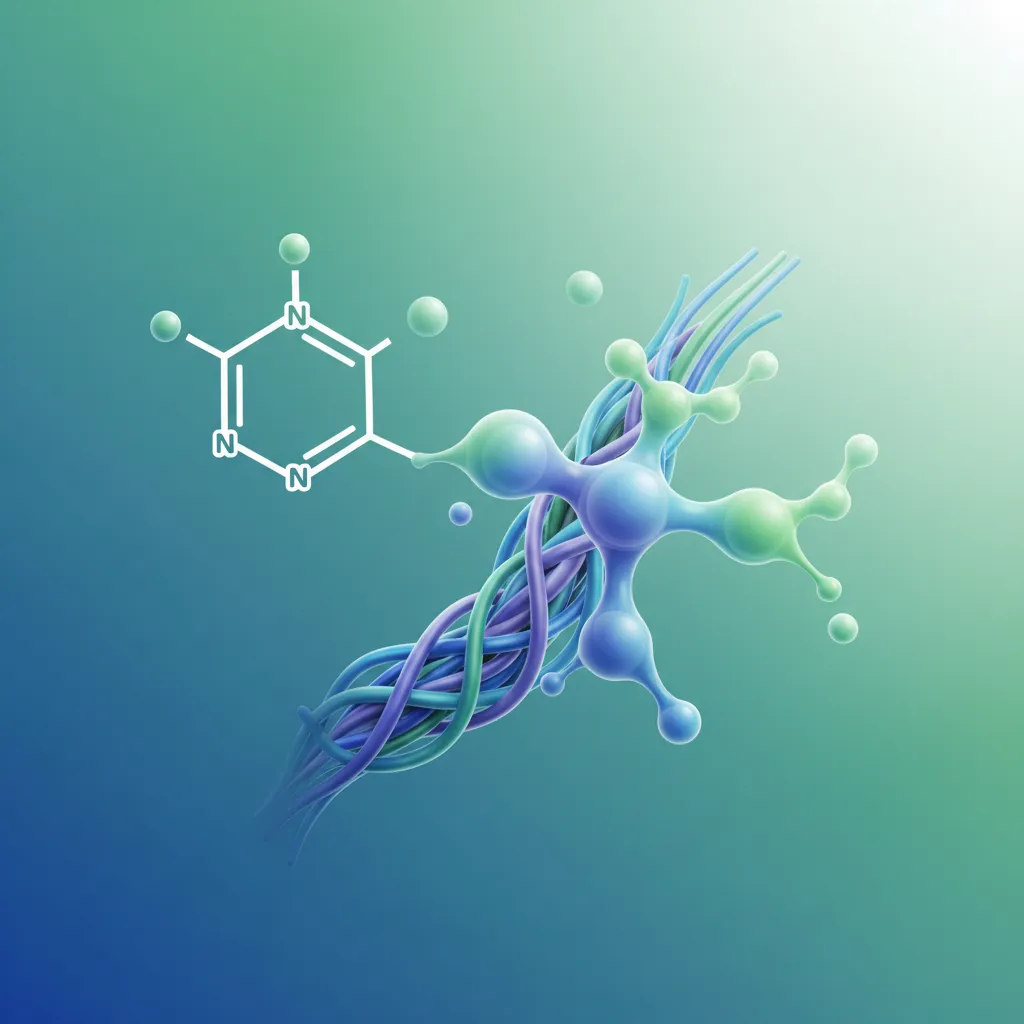
Learn what Histidine is, how it works, what its benefits are, and how to take it correctly. Expert analysis from SportZone.
What is Histidine?
Histidine — Histidine is an essential amino acid that plays a key role in numerous biological processes, including tissue growth and repair, blood cell production, and the maintenance of nerve cell myelin sheaths. It is a precursor to histamine and carnosine, which are important for immune function, digestion, and muscle endurance.
🔬 From SportZone's Practice
In our work with over 50,000 clients, we see that athletes taking combinations with beta-alanine and histidine report significantly improved endurance during intense workouts. A common mistake is to overlook histidine as a standalone supplement, relying only on food, while needs can be higher under increased load.
⚡ Histidine in Brief
- Type: Essential amino acid
- Origin: Dietary
- Best for: Maintaining muscle endurance, immune function, and recovery
- Intake time: Anytime of day, often with food or before/after training
- Daily dose: Typically 1-4 grams, depending on goals and individual needs
- Main benefit: Improves muscle buffering capacity and supports immune defense.
Explained in Simple Terms: What Does Histidine Do?
Imagine Histidine as a small but very important building block in your body that not only helps build muscles and tissues but also signals the immune system when it needs to intervene. It's also a "protective shield" for your muscles during tough workouts, helping them work longer without getting tired.
👉 In other words: Histidine is a key element that keeps your body healthy, strong, and resilient, especially during physical exertion.
Scientific Explanation of Histidine
Histidine (abbreviated His or H) is an α-amino acid with an imidazole side chain, making it unique among the proteinogenic amino acids. The imidazole group has a pKa of around 6.0, meaning that at physiological pH (around 7.4), it can exist in both protonated and deprotonated forms. This characteristic allows histidine to act as an effective buffer, which is essential for maintaining pH balance within cells and blood.
As an essential amino acid for humans, histidine cannot be synthesized de novo in sufficient quantities and must be obtained through diet. It is a precursor to bioactive compounds such as histamine (a neurotransmitter and mediator of inflammation), carnosine (a dipeptide composed of beta-alanine and histidine, found in high concentrations in muscles), and anserine. It actively participates in enzymatic reactions, protein and nucleic acid metabolism, as well as hemoglobin formation and the maintenance of myelin sheaths. Its contribution to carnosine is particularly important for athletic performance, as carnosine acts as an intracellular buffer, neutralizing lactic acid and hydrogen ions that accumulate during intense anaerobic exercise.
How Does Histidine Work in the Body and Why is it Effective?
The primary mechanisms of Histidine involve:
📚 Scientific Sources
- Harris, R. C., et al. (2006). The absorption of orally supplied beta-alanine and its effect on muscle carnosine synthesis in human subjects. Amino Acids, 30(3), 279-281. (PubMed ID: 16790772)
- Derave, W., et al. (2010). beta-Alanine supplementation augments muscle carnosine content and attenuates fatigue during repeated bouts of high-intensity exercise in athletes. Amino Acids, 39(2), 321-329. (PubMed ID: 19894400)
- Hipkiss, A. R. (2009). Carnosine and its constituents: a new class of anti-ageing therapeutics? Biogerontology, 10(2), 113-125. (DOI: 10.1007/s10522-008-9168-y)
- Deurell, T., & Söderberg, R. (2007). L-Histidine in the human diet: a review. Amino Acids, 32(3), 405-412. (PubMed ID: 17293529)
- Carnosine Synthesis — Histidine is the rate-limiting amino acid for carnosine synthesis in muscles, which acts as a potent intracellular buffer, neutralizing hydrogen ions and delaying muscle fatigue.
- pH Buffering — The imidazole group of histidine allows it to accept or release hydrogen ions, helping to maintain optimal pH in the blood and cells, which is critical for enzyme function.
- Precursor to Bioactive Molecules — It is a fundamental building block for the production of histamine (important for immune response, digestion, and neurotransmission) and other peptides like anserine, which have antioxidant properties.
👉 End Effect: Enhances the body's ability to cope with metabolic stress during exercise, strengthens the immune system, and supports overall tissue recovery.
What are the Proven Benefits of Histidine Supplementation?
- ✅ Increased Muscle Endurance — Through carnosine synthesis, histidine effectively buffers lactic acid in muscles, allowing for longer and more intense workouts.
- ✅ Immune System Support — As a precursor to histamine, it plays a role in the immune response and the body's defense against pathogens.
- ✅ Antioxidant Protection — Carnosine, formed from histidine, possesses strong antioxidant properties, protecting cells from oxidative stress and damage.
- ✅ Improved Digestion — It is involved in the production of histamine, which is important for stomach acid secretion and proper digestion.
How to Take Histidine for Best Results?
Dosage: Typical doses range from 1 to 4 grams daily, often in combination with beta-alanine for maximum carnosine synthesis. For general health, lower doses are sufficient, while for athletic purposes, a higher intake may be necessary.
When to take: It can be taken at any time of day, but to optimize muscle carnosine, it is recommended to spread the intake throughout the day or take it before and/or after training. Taking it with food may improve absorption and reduce potential side effects.
Practical advice: For maximum effect on muscle endurance, combine histidine intake with beta-alanine to stimulate carnosine synthesis.
Should You Take Histidine?
✅ Yes, if:
- You want to improve your muscle endurance and reduce fatigue during intense workouts, as histidine is critical for carnosine synthesis.
- You are looking for support for your immune system and overall health, as it participates in important biochemical processes.
- You follow a vegan or vegetarian diet and have limited protein intake, as histidine is an essential amino acid that may be deficient.
❌ No, if:
- You already consume a balanced diet rich in animal-based proteins, which likely provides sufficient histidine.
- You suffer from allergies or asthma, as histidine is a precursor to histamine, which can worsen symptoms in some individuals.
- You have kidney or liver disease, where the intake of additional amino acids should be discussed with a doctor.
Who is Histidine NOT Suitable For?
- Individuals with allergies and asthma: Since histidine is a precursor to histamine, high doses can potentially intensify allergic reactions or asthma attacks in sensitive individuals.
- Individuals with kidney or liver disease: Amino acid metabolism occurs in the liver and kidneys, so additional intake may burden these organs.
- Pregnant and breastfeeding women: There is insufficient research on the safety of high doses of histidine in these groups, so avoidance or consultation with a doctor is recommended.
- Individuals taking certain medications: Histidine may interact with some medications, particularly those affecting histamine levels or the immune system.
Who is Histidine Best For?
- 🏋️♂️ Strength Athletes — Supports lactic acid buffering, leading to greater endurance during intense sets and better recovery.
- 🏃 Endurance Athletes — Improves high-intensity work capacity, delaying fatigue and maintaining optimal muscle function.
- 🧍♂️ Active Individuals — Supports overall health, immune function, and recovery after physical activity.
- 🌱 Vegans and Vegetarians — As an essential amino acid, it is important for ensuring adequate intake, especially on diets with limited animal protein.
What Does Histidine Combine Well With for Maximum Effect?
- Beta-alanine — This is the most logical and effective combination, as beta-alanine and histidine are precursors to carnosine; taking them together significantly increases muscle carnosine levels for better endurance.
- Creatine — The combination can provide a synergistic effect to improve strength, power, and endurance, with creatine supporting energy stores and histidine supporting buffering capacity.
- Vitamin C — As a potent antioxidant, Vitamin C can enhance the antioxidant properties of carnosine and support the immune system, in which histidine also plays a role.
Pros and Cons of Histidine
✅ Pros
- Significantly improves muscle endurance and reduces fatigue.
- Supports a healthy immune system and participates in important metabolic processes.
- Possesses antioxidant properties through carnosine synthesis.
- Essential for many bodily functions and tissue repair.
❌ Cons
- May exacerbate allergic reactions in predisposed individuals due to histamine synthesis.
- High doses can lead to gastrointestinal discomfort in some people.
- Not sufficiently studied in certain specific groups like pregnant and breastfeeding women.
What to Compare Histidine With?
Understand how Histidine differs from other supplements:
- Beta-alanine — Unlike beta-alanine, which is a limiting factor for carnosine synthesis in muscles, histidine is the other amino acid needed for this synthesis, and their combination is more effective than taking beta-alanine alone.
- Creatine — While creatine focuses on increasing strength and explosive power through ATP resynthesis, histidine, through carnosine, improves endurance and buffering capacity.
- Branched-Chain Amino Acids (BCAAs) — BCAAs are directly linked to muscle growth and recovery, whereas histidine has a broader range of functions, including immune support and pH buffering.
⚠️ Important: Dietary supplements are not a substitute for a balanced diet and a healthy lifestyle. The information in this article is for educational purposes and does not constitute medical advice. Consult with a doctor before use, especially if you are taking medication, have chronic conditions, or are pregnant/breastfeeding.
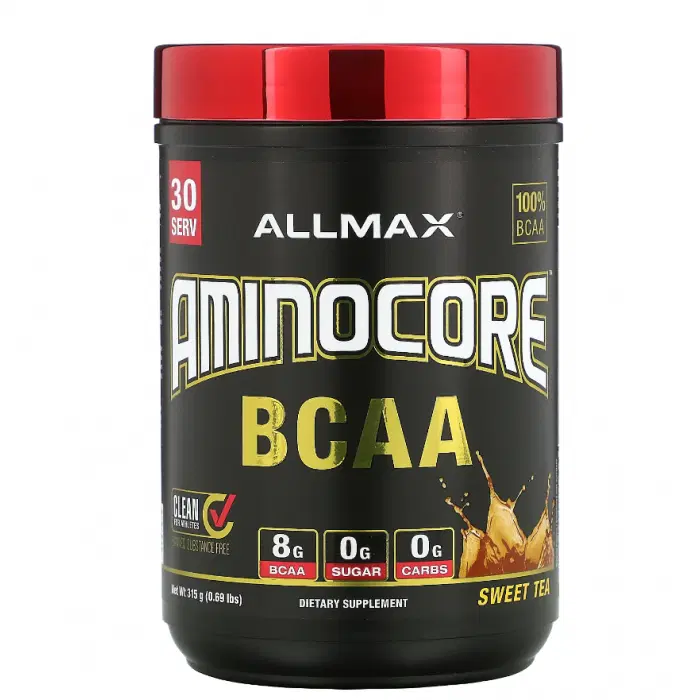
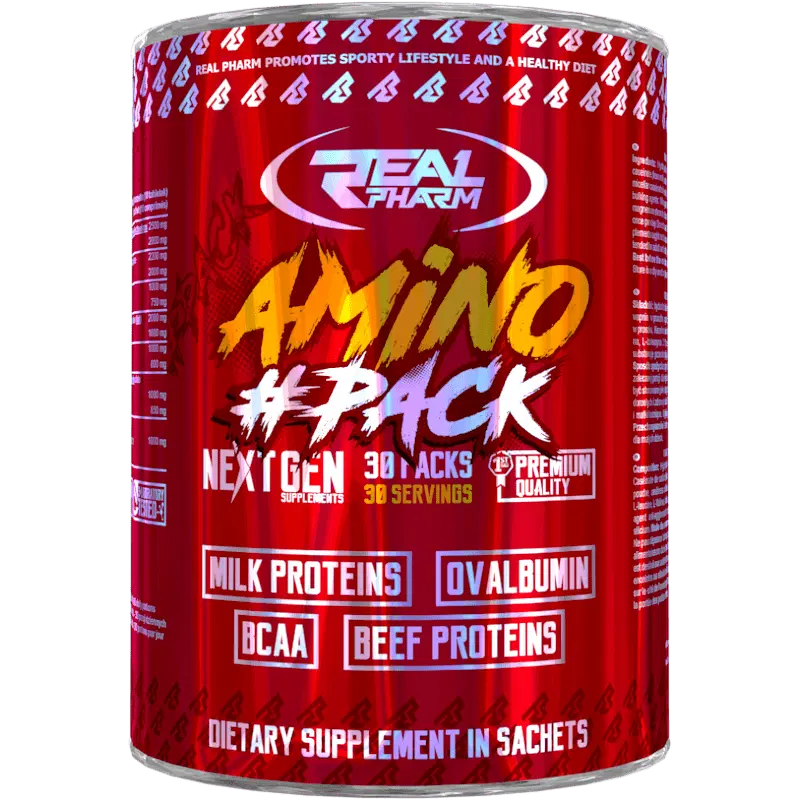
Recommended products
Frequently asked questions
What is histidine and what is it for?
Histidine is one of the 20 basic amino acids that build proteins in the body. It plays an important role in various metabolic processes, including the synthesis of hemoglobin and muscle proteins.
In which foods can I find histidine?
Histidine is found in many protein-rich foods. Good sources include meat, fish, dairy products, eggs, as well as some plant-based foods such as legumes and nuts.
What are the symptoms of histidine deficiency?
Histidine deficiency is rare, but can lead to symptoms such as fatigue, weakness, and growth problems in children. In adults, it can manifest with skin problems and reduced immune function.
Can I have an excess of histidine and what are the risks?
An excess of histidine is usually not a problem, as the body can metabolize it. However, in very rare cases of genetic disorders, excessive accumulation may be associated with certain health conditions.