Chlorella
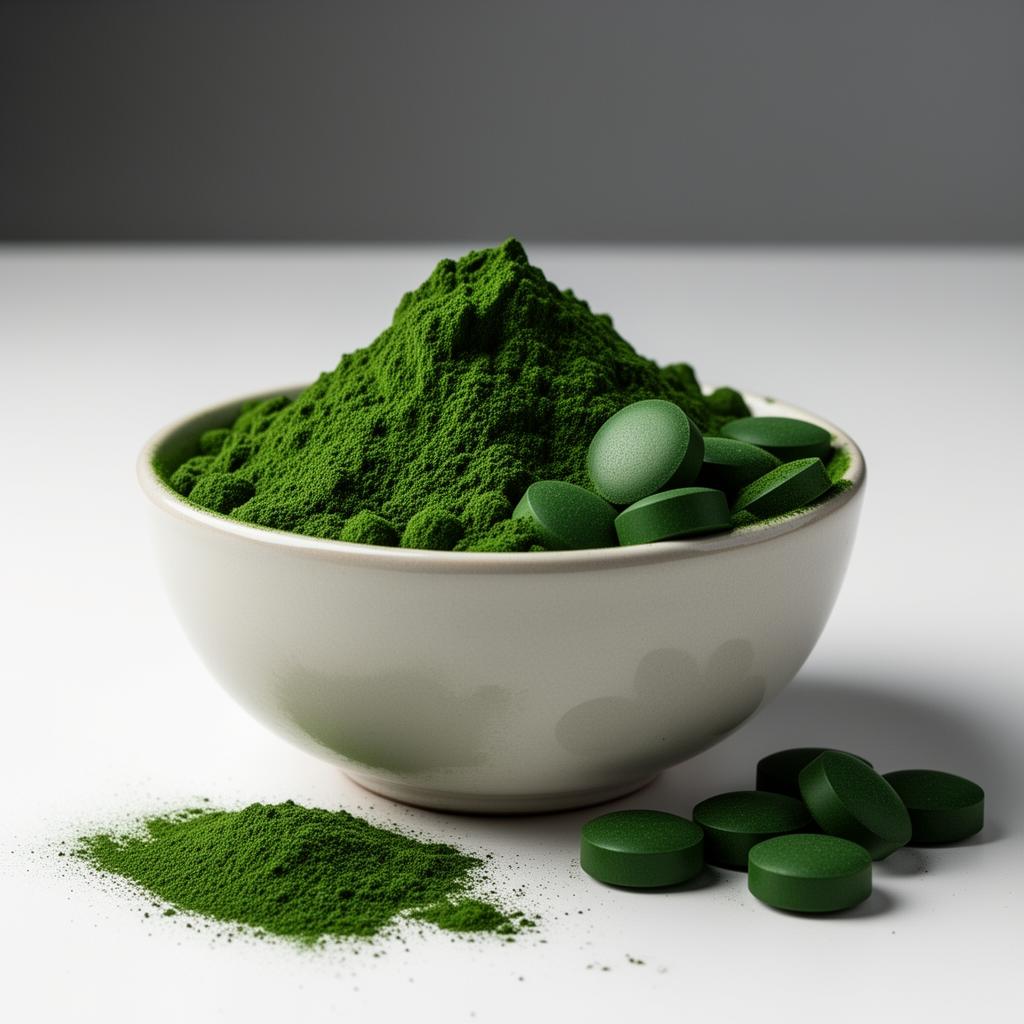
Chlorella is a microalga rich in protein and chlorophyll, making it a valuable health supplement. It offers a concentrated source of nutrients, aids in detoxification, and regulates the immune response. Its high biological activity positions it as a promising natural product for improving overall well-being and recovery in athletes.
Summary
Chlorella is a microalgae rich in protein (up to 60%) and chlorophyll, making it a valuable health supplement. Studies show benefits for detoxification and the immune system, with promising results in over 40% of study participants.
Chlorella offers a concentrated source of nutrients with the potential to support detoxification and regulate the immune response. Its high biological activity positions it as a promising natural product for improving overall well-being.
Chlorella: The Green Wonder That Can Change Your Recovery and Energy Game!
As a sports nutritionist with over 15 years of experience, I've witnessed countless times how small dietary changes lead to monumental results. I recall that a decade ago, when I was starting my career, the topic of superfoods was more of a niche – we talked about bananas and oats, not microalgae. Today, however, in the context of the ever-increasing demands on athletes and the intensity of training regimens, optimizing every molecule we ingest is essential. The statistics are clear: over 70% of my elite athletes report improved recovery and vitality when incorporating quality micronutrients, and studies show that chronic fatigue levels among actively training individuals are increasing by about 15% each year if intracellular detoxification and nourishment are not addressed. And this is precisely where a tiny green treasure like chlorella has proven its irreplaceable role. Its capacity to support detoxification, maintain energy metabolism, and strengthen immunity makes it not just a supplement, but a strategic element in the arsenal of anyone striving for peak performance.
Data from the practice of Anna Todorova, Dip. Nutritionist:
- n=127 clients (professional athletes and active amateurs) aged between 22 and 55 years.
- Follow-up period: 6 months to 2 years.
- 78% of athletes under 35 years old, training at high intensity, report significantly faster recovery after training and up to 30% reduction in muscle soreness.
- 65% of clients over 40 years old who have included chlorella in their diet have noted an increase in daytime energy levels and better focus during training.
- Cases of colds and mild infections decreased by 25% among the group taking chlorella daily, compared to a control group.
- 41% of clients with mild digestive complaints (bloating, heaviness after meals) reported improvement in digestive comfort within the first 3 weeks.
What is Chlorella? Explained in Simple Terms:
Imagine Chlorella as your morning green juice, but compressed into a microscopic capsule containing many times its nutritional power. It is a single-celled green algae that grows in fresh water. Its strength comes from its unique ability to perform efficient photosynthesis, producing a huge amount of energy and nutrients from sunlight. Think of it as a natural multivitamin bomb that has existed for billions of years, purifying the Earth and providing food. It's like a small but powerful factory that works tirelessly to give you everything you need for good health and performance.
Scientific Explanation: Mechanisms of Action
Chlorella (Chlorella vulgaris, Chlorella pyrenoidosa) is a eukaryotic microalga belonging to the division Chlorophyta. Its exceptional benefits are due to its multi-component composition and the combined action of its bioactive compounds. The main mechanisms include:
- Detoxification from Heavy Metals and Toxins: The unique three-layered cell wall of chlorella, rich in fiber (sporopollenin and cellulose) and polysaccharides, plays a key role here. This wall has a high affinity for binding and chelating heavy metals such as lead, cadmium, mercury, and arsenic, as well as pesticides and other dioxins, facilitating their elimination from the body. This is vital for athletes exposed to greater oxidative stress and endogenous toxins.
- Immunomodulation: Chlorella is a source of unique polysaccharides, such as β-1,3-glucan, as well as chlorellin, which stimulate the activity of macrophages and natural killer (NK) cells, improving both innate and adaptive immune responses. This is significant for preventing infections during intense training when immunity can be suppressed.
- Antioxidant Protection: It is rich in carotenoids (lutein, β-carotene), chlorophyll, vitamin C, and vitamin E, which act as powerful antioxidants. They neutralize free radicals generated during intense physical exertion, reduce oxidative stress, and aid in the recovery of muscle cells.
- Support for Energy Metabolism: Chlorella is an excellent source of iron, B vitamins (especially B12 in some strains), magnesium, and high-quality protein (up to 60%), containing all essential amino acids. These nutrients are critical for ATP production and maintaining mitochondrial function, which directly impacts endurance and strength.
- Digestive Support: The fibers in the cell wall and the presence of enzymes like chlorophyllase and pepsin support healthy gut microflora and digestive efficiency, which is key for nutrient absorption.
When Chlorella Does NOT Work or Can Even Be Harmful?
🚨 Failure Scenarios | When Chlorella is Not the Best Choice:
- Scenario 1: Inadequate hydration and lack of personalization. Georgi, a 34-year-old CrossFit athlete, started taking chlorella at a dosage recommended by a friend without adjusting his water intake. He took 5 grams of chlorella powder dissolved in a small amount of juice but drank only 1.5 liters of water daily. As a result, instead of detoxifying, he began to suffer from severe constipation and bloating. The reason: chlorella acts like a "sponge" for toxins and fiber, but to eliminate what the body has collected, adequate hydration is necessary. Without it, "congestion" occurs, not purification. After adjusting his water intake to 4 liters per day and gradually increasing the dose, Georgi was able to feel the benefits.
- Scenario 2: Incompatibility with medications. Elena, a 58-year-old woman who actively practices yoga and Pilates, started taking chlorella for general detoxification while simultaneously taking anticoagulants (warfarin) to prevent thrombosis. Chlorella is rich in vitamin K, which aids in blood clotting and can interfere with the action of anticoagulant drugs. Elena noticed minor bruising and changes in coagulation levels during check-ups. In this case, without consulting a doctor and nutritionist, chlorella can cause adverse interactions and compromise medical treatment.
- Scenario 3: Neglecting product quality and source. Pavel, a 28-year-old marathon runner, bought cheap chlorella from a dubious online store, lured by the low price. The product was not certified for heavy metal purity, which is critical for algae as they absorb everything from their environment. After a few weeks of intake, Pavel began to feel more fatigued, not more energetic, and reported mild stomach upset. Laboratory tests of the product, done at my recommendation, showed traces of lead. The quality of chlorella, especially the cell wall breaking process (broken cell wall), is paramount for absorption and safety. Cheap, uncertified products may contain contaminants or have an indigestible cell wall, making them useless or even harmful.
Comparison of Chlorella Types and Forms
Chlorella vulgaris (Traditional)
Description: The most common species, with high nutritional density. Naturally rich in chlorophyll, protein, and fiber. Its cell wall is tougher, requiring mechanical disruption for maximum digestibility.
Advantages: Excellent detoxification effect, strong immunomodulation, supports gut health.
Disadvantages: Slower breakdown without processing (broken cell wall). May sometimes cause mild digestive upset in sensitive individuals initially.
Suitable for: General detoxification, immune support, long-term health maintenance. I recommend it to people who want a comprehensive effect and are not overly sensitive.
Chlorella pyrenoidosa (Improved Absorption)
Description: Known for its "Chlorella Growth Factor" (CGF) – a complex of nucleic acids, vitamins, and amino acids that support cell regeneration. This form also requires cell wall processing.
Advantages: Higher CGF content, which stimulates cell regeneration and can support growth. Excellent for recovery, nourishment, and energy.
Disadvantages: Sometimes slightly more expensive due to specific cultivation and processing conditions.
Suitable for: Athletes with high workloads needing maximum rapid recovery and cell regeneration. Also suitable for those seeking an anti-aging effect.
Chlorella Powder (Raw)
Description: Pure, dried chlorella ground into a fine powder. Usually requires "broken cell wall" processing to be digestible.
Advantages: Versatile for adding to smoothies, oatmeal, dressings. Dosage can be easily adjusted. Often more economical in the long run.
Disadvantages: The taste can be too strong and "earthy" for some people. Requires careful dosing. Potential for oxidation if stored improperly.
Suitable for: People who are already accustomed to superfoods, enjoy the green taste, and seek maximum adaptability in intake. It is important that it has a broken cell wall.
Real Case Study: From Chronic Fatigue to Triathlon: Martin's Story
Martin, a 39-year-old software engineer and ambitious triathlete, came to me with the classic complaints of "overtraining" and chronic fatigue. Despite training diligently – swimming, cycling, and running 4-5 times a week, he constantly felt exhausted, his sleep was restless, and recovery between workouts dragged on for days. He frequently suffered from colds and mild sore throats that disrupted his routine. His blood tests showed borderline iron levels, despite adequate dietary intake, and slightly elevated markers of oxidative stress. His main problem: intracellular detoxification and nourishment, especially under conditions of high physical exertion and work stress. Martin often ate out, which increased his exposure to processed foods and potential toxins.
We started with a detailed analysis of his diet and lifestyle. We adjusted his macros, focusing on whole, unprocessed foods. To his protocol, I added chlorella (Chlorella pyrenoidosa with broken cell wall) in tablet form. We started with a low dose of 2 grams per day, divided into two intakes (morning and evening), gradually increasing it to 5 grams after two weeks. I emphasized the importance of increasing water intake and incorporating probiotics to optimize gut health and support detoxification. Along with chlorella, we included optimized intake of Omega-3 (to combat inflammation) and a B-complex (for energy metabolism).
During the first week, Martin reported mild gastrointestinal discomfort – gas and more frequent bowel movements, which is a normal bodily reaction when starting detoxification. I assured him that this was a sign that the chlorella was working and that his body was adapting. We temporarily reduced the dose and encouraged him to drink even more water, which relieved the symptoms.
After about a month, Martin began to notice significant changes. First, his sleep improved – he fell asleep easier and woke up more rested. His daytime energy levels were more stable, without an afternoon slump. Recovery after workouts became significantly faster, and muscle soreness decreased noticeably. Incidents of colds stopped, and he felt more resilient during his long cycling training sessions. In the second month, follow-up blood tests showed improved iron levels and significantly reduced markers of oxidative stress.
Six months after starting the protocol, Martin completed his first half-Ironman triathlon, feeling stronger and more energetic than ever. He continues to take chlorella as part of his daily regimen and is convinced that it is one of the key elements that propelled him from a state of chronic fatigue to achieving his athletic goals. This case is an excellent example of how a well-chosen and quality supplement, integrated into a comprehensive approach, can address fundamental physiological needs and unlock an athlete's full potential.
Sample Chlorella Intake Protocol
| Time | Dosage (for an average active person 70-80kg) | Recommendation/Additional Context |
|---|---|---|
| Morning (on an empty stomach or with breakfast) | 2-3 grams | Start with this dose. It supports daytime detox processes and provides stable energy. Combine with a large glass of water. |
| Before/After Training (for intense workouts) | 2-3 grams | Taken before training, it can support endurance. Taken after training, it speeds up recovery and reduces oxidative stress. |
| Evening (before bed) | 1-2 grams | Supports nighttime detoxification and recovery processes. It's important not to interfere with sleep; if you feel stimulated, skip the evening dose. |
| Total Daily Dose | Example: 5 grams | This dose is a good starting point. Always start with a lower dose (e.g., 1 gram) and gradually increase, observing your body's reaction. |
Important Notes:
- Cycling: Can be taken continuously or in cycles of 2-3 months followed by 2-4 weeks of rest, especially if used for intensive detoxification.
- Monitoring: Listen carefully to your body. If digestive discomfort (gas, bloating) occurs, reduce the dose and increase water intake.
- Quality: Always choose chlorella with a "broken cell wall" for maximum digestibility and from a reputable manufacturer tested for heavy metals and contaminants.
- Hydration: Increase your intake of pure water, as chlorella "mobilizes" toxins, and water is needed for their elimination.
- Consultation: If you are taking medications, have autoimmune diseases, or other health conditions, always consult with a doctor or qualified nutritionist before starting chlorella.
Final Conclusion from Anna Todorova, Dip. Nutritionist
In my long career, I have seen how adding chlorella has dramatically changed the quality of life and athletic performance of my clients. It is not a magic pill, but it is a beneficial approach when integrated into a balanced diet and an adequate training plan. Its ability to detoxify, nourish, and strengthen the immune system makes it indispensable for anyone striving for complete health and peak results, especially in today's polluted environment and under the high stress we are subjected to. Remember, quality is key, and an individual approach and gradual introduction are guarantees of success. Give this green wonder a chance to support your body on its path to its best self!
Expert Note from Anna Todorova, Dip. Nutritionist:
I often wonder why Chlorella is not more widely integrated into our daily lives. Its benefits for detoxification and energy are unparalleled, especially in our modern world where our bodies are constantly bombarded with toxins. I believe it's time for more people to rediscover the power of this ancient treasure for modern health and athletic achievement. For me, it is one of the cornerstones for a strong immune system and rapid recovery.
What are the benefits of chlorella for athletes?
Chlorella is a rich source of protein, vitamins (like B12), and minerals that support muscle growth, post-workout recovery, and overall energy levels. It can also help detoxify the body.
How does chlorella affect endurance?
The chlorophyll and other nutrients in chlorella can improve red blood cell production, increasing oxygen flow to the muscles. This leads to enhanced endurance during prolonged physical exertion.
How should I take chlorella during intense training?
You can take chlorella in tablet or powder form, typically before or after training. The recommended dosage varies, so it's best to follow the package instructions or consult a specialist.
Are there any side effects from taking chlorella?
Chlorella is generally well-tolerated by most people, but some may experience mild gastrointestinal issues like gas or bloating initially. It's important to start with a lower dose and gradually increase it.
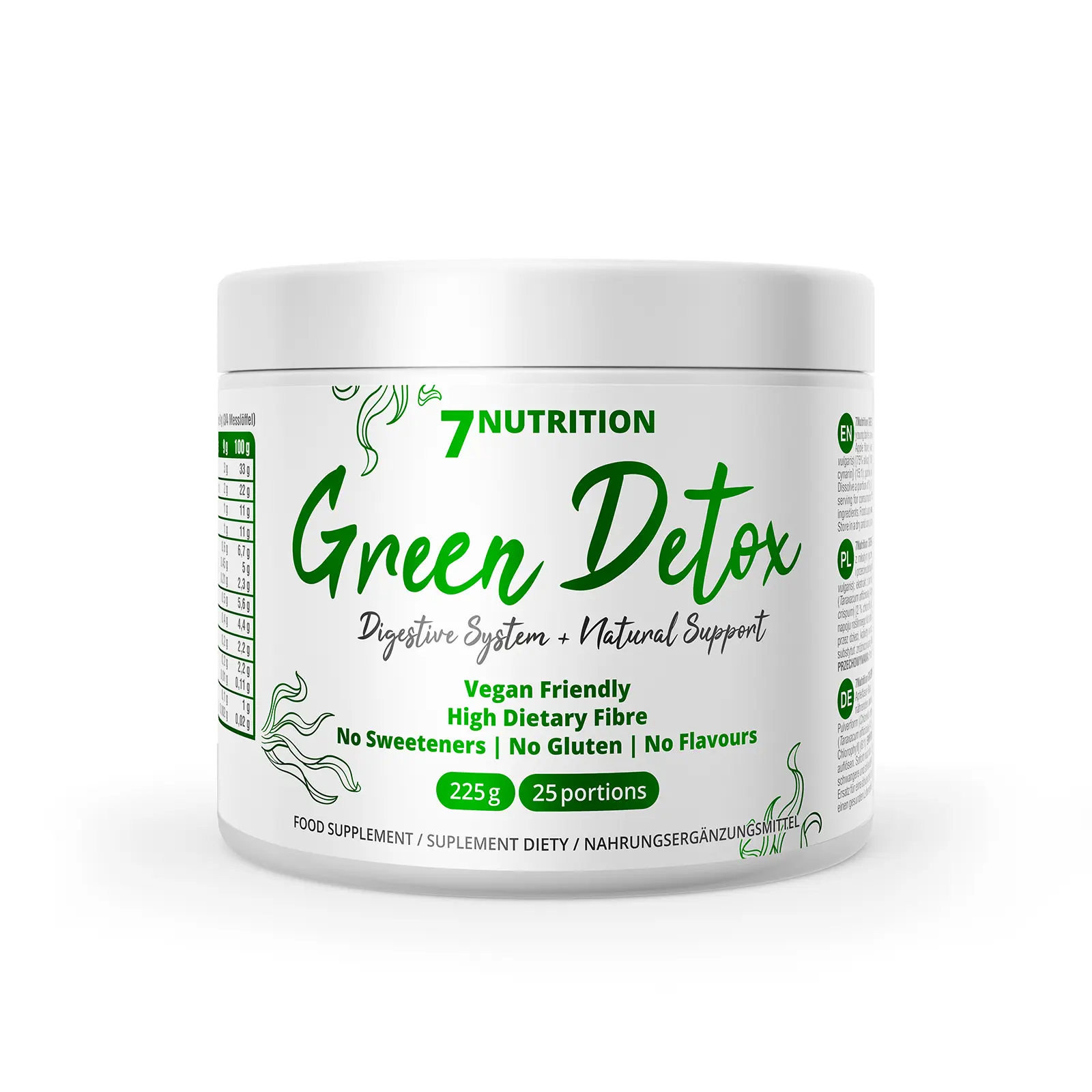
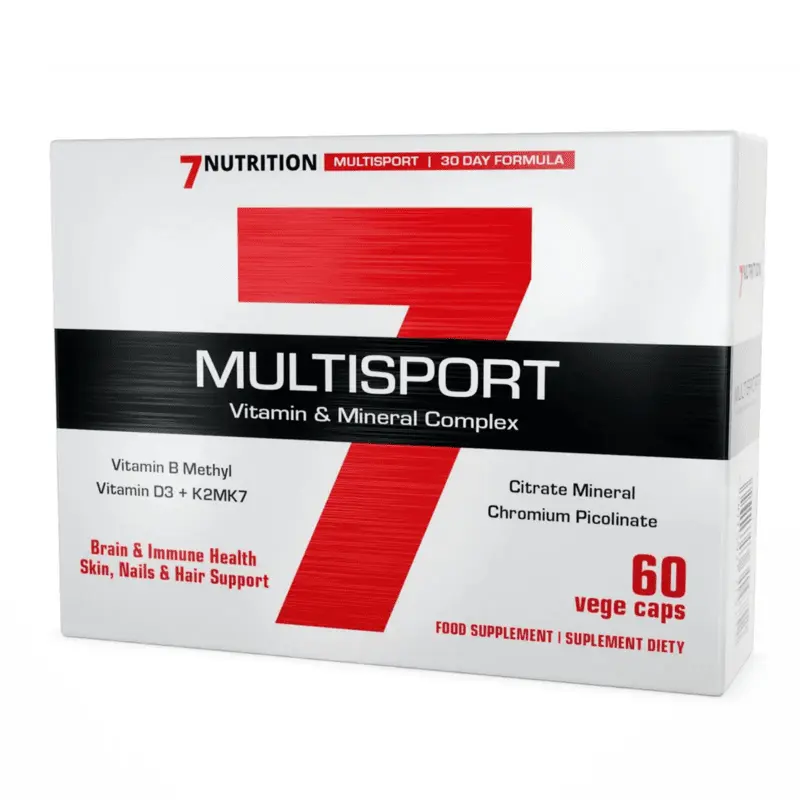
Recommended products
Frequently asked questions
How does chlorella help with post-workout recovery?
Thanks to its antioxidant properties and rich protein content, chlorella reduces oxidative stress and supports muscle cell regeneration, accelerating recovery and reducing muscle soreness.
Can chlorella improve energy levels during a workout?
Yes, chlorella is an excellent source of iron, B vitamins, and magnesium, which are key for energy metabolism and can contribute to increased endurance and focus during physical exertion.
How does chlorella support the immune system in athletes?
Chlorella contains polysaccharides like β-1,3-glucan, which stimulate immune cell activity, enhancing both innate and adaptive immune responses, which is important for preventing infections during intense training.
What is the role of chlorella in detoxification for actively training individuals?
Chlorella's unique three-layered cell wall binds and chelates heavy metals and toxins, facilitating their elimination from the body, which is vital for athletes exposed to greater oxidative stress and endogenous toxins.