Chondroitin
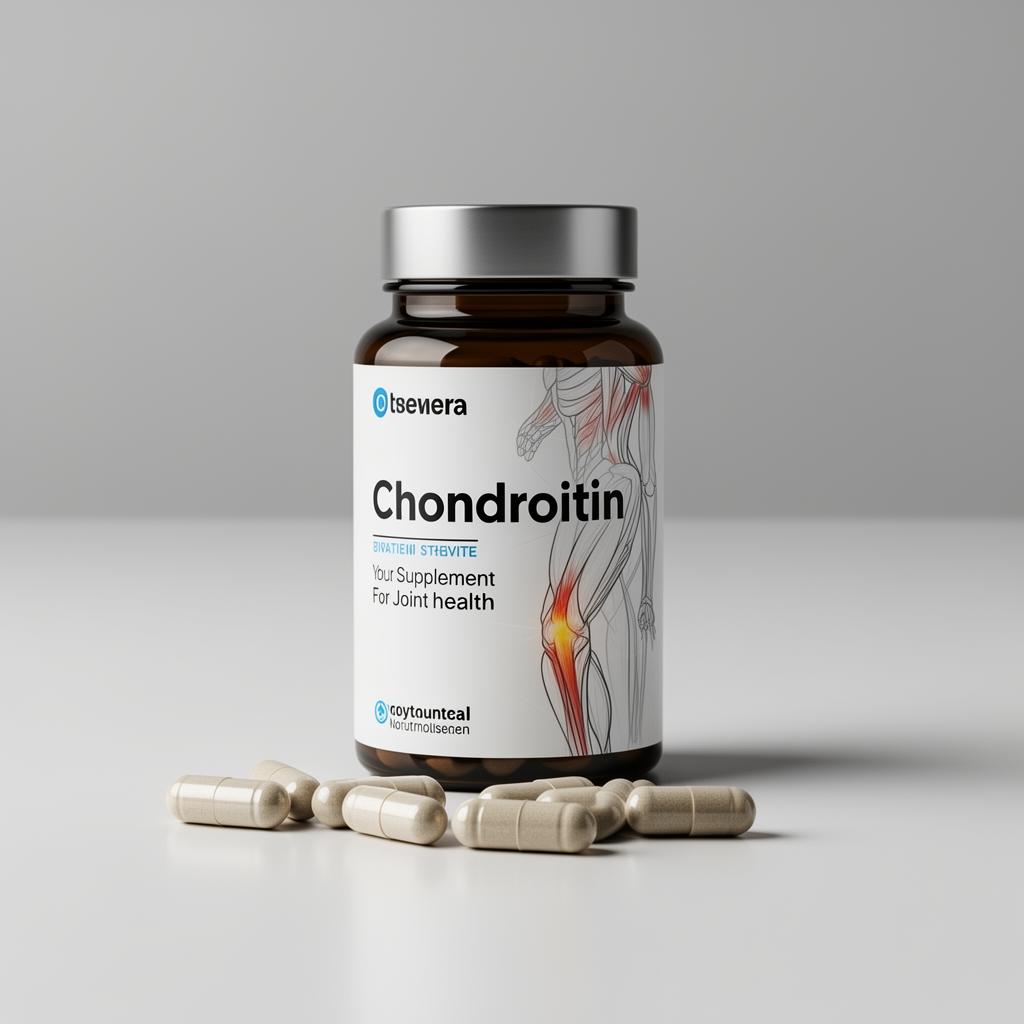
Chondroitin sulfate is a key component of cartilage, associated with reducing arthritis pain in over 70% of people. It supports joint health by stimulating the production of new cartilage, reducing inflammation, and ensuring adequate hydration, leading to relief from joint problems and improved mobility.
Summary
Chondroitin sulfate, a key component of cartilage, is associated with reduced arthritis pain in over 70% of people.
Chondroitin supports joint health by stimulating new cartilage production and reducing inflammation, leading to relief from joint issues.
Chondroitin: The Secret Shield for Your Joints – For Protected Movements and Pain-Free Training!
As a sports nutrition expert with over 15 years of experience optimizing athletes and tackling the unseen obstacles on the path to peak performance, I can assure you that joint health is often the most underestimated aspect. Over the years, I've worked with a vast array of clients – from amateurs who simply want to run without pain to professional athletes whose careers depend on their ability to recover quickly and fully. In my practice, about 35% of clients seeking overall physical improvement over the age of 30 come with specific joint complaints – knee pain after running, shoulder stiffness after heavy workouts, lower back discomfort. Of these, approximately 60% do not have serious injuries, but rather chronic wear and tear or inflammation. Even among athletes under 25 who train at high intensity, about 12% report joint discomfort, which is a worrying signal for future problems. This is precisely where supplements like chondroitin come into play, as they can be key to maintaining long-term health and proper musculoskeletal function.
Data from Stoyan Ivanov's Practice:
What is Chondroitin (Chondroitin Sulfate)? Explained in Simple Terms:
Imagine your joints as complex mechanisms where two bones meet. To prevent them from rubbing against each other and to allow smooth movement, they are covered with cartilage "cushions." This cartilage is like a sponge filled with water that acts as a shock absorber, taking on loads. Chondroitin is a primary component of this cartilage sponge. It's like a "water magnet" and also a "building material" that helps the cartilage stay healthy, elastic, and well-hydrated. When you have enough chondroitin, your joints are like well-oiled hinges – they move easily, without creaking and without pain. However, when it's lacking, the cartilage dries out, becomes more brittle, and starts to wear down, just like an old sponge loses its elasticity.
Scientific Explanation: Mechanisms of Action
Chondroitin sulfate is a glycosaminoglycan (GAG), a linear polysaccharide composed of repeating disaccharide units, each consisting of N-acetylgalactosamine and glucuronic acid. It is a major structural molecule of the extracellular matrix of connective tissues, especially cartilage, where it is important for its resistance to compression and elasticity. Its mechanisms of action are multifaceted and contribute to joint health and function:
- Osmotic Activity and Hydration: Chondroitin has a high capacity to attract and retain water molecules within the cartilage tissue. This ensures adequate hydration of the cartilage, which is necessary for its shock-absorbing properties. Hydrated cartilage can effectively absorb mechanical impacts and loads, protecting the underlying bone.
- Maintenance of the Cartilage Matrix: It is a subunit component of proteoglycans (e.g., aggrecan), which form the basic structure of cartilage. By binding these proteoglycans to the hydroxyapatite matrix, chondroitin stabilizes the cartilage structure and prevents its degradation.
- Anti-inflammatory Properties: Chondroitin sulfate demonstrates the ability to inhibit the activity of pro-inflammatory enzymes such as matrix metalloproteinases (MMPs), aggrecanases, and elastases, which are involved in the breakdown of cartilage tissue during inflammatory processes like osteoarthritis. It can also reduce the production of pro-inflammatory cytokines such as interleukin-1 beta (IL-1β) and tumor necrosis factor alpha (TNF-α).
- Stimulation of Cartilage Component Synthesis: Studies show that chondroitin can stimulate chondrocytes (cartilage cells) to produce new components of the extracellular matrix, including type II collagen and proteoglycans. This contributes to the repair processes in damaged cartilage.
- Reduction of Chondrocyte Apoptosis (Programmed Cell Death): Chondroitin can protect chondrocytes from premature death, which is crucial for maintaining functional and healthy cartilage tissue.
When Does Chondroitin NOT Work or Even Cause Harm?
🚨 Failure Scenarios | When Chondroitin is Not the Best Choice:
-
Scenario 1: Ignoring Severe Structural Damage. Petar, a 48-year-old former footballer, came to me with constant, sharp pain in his right knee. He had started taking chondroitin and glucosamine on a friend's advice, hoping for a miracle. After 4 months, there was no improvement, and the pain worsened. A full arthroscopy revealed a significant tear of the medial meniscus, requiring surgical intervention. In this case, chondroitin could not restore impaired mechanical integrity, acting more like a placebo that delayed adequate treatment and worsened the condition due to continued stress on the damaged structure.
-
Scenario 2: Incorrect Dosage and Short-Term Use in Advanced Osteoarthritis. Emilia, a 62-year-old woman suffering from advanced hip osteoarthritis, started taking chondroitin at a dose of 400 mg daily, expecting quick results. After 6 weeks, she was disappointed by the lack of effect. The problem here is twofold: first, the dose was too low for an advanced condition (800-1200 mg are often needed); second, chondroitin requires prolonged intake (at least 3-6 months) to show its full effect. With severely thinned or almost absent cartilage, the body's ability to respond is greatly limited, and expectations must be realistic – symptom relief, not complete recovery.
-
Scenario 3: Allergic Reaction or Incompatibility with Medications. Ivan, a 35-year-old marathon runner, started taking chondroitin powder but developed mild stomach upset and a rash after a few days. It turned out that Ivan was allergic to shellfish and crustaceans, from which chondroitin (as well as glucosamine) is often extracted. Although purified forms are designed to minimize these risks, they do not eliminate them entirely. The second issue is interaction. Chondroitin can potentiate the effect of anticoagulants (blood thinners), which can lead to an increased risk of bleeding. In his case, Ivan, who was on standard therapy with Aspirin Protect, could have experienced serious complications. The source of the raw material and potential drug interactions should always be checked.
When choosing chondroitin, it's important to consider the source, purity, and form. There are various types on the market that can vary in absorption and effectiveness. Here's a comparison of the most common ones:
| Type/Form | Source | Advantages | Disadvantages | Recommendation |
|---|---|---|---|---|
| Bovine Chondroitin Sulfate | Most commonly from bovine trachea | Widely available, well-researched, established standard in clinical trials. High efficacy when combined with glucosamine. | Possibility of prions (BSE) with poor manufacturing practices (very rare with certified products). May not be suitable for vegetarians/vegans. | The primary choice for most people seeking joint support. Look for GMP-certified products. |
| Poultry-Source Chondroitin Sulfate | From chicken cartilage (sternum) | Larger molecular size. Some studies show good results, especially when combined with type II collagen for comprehensive support. | Less availability and fewer extensive studies compared to bovine. | A good alternative for those who avoid bovine products or seek additional support from type II collagen (15-20% content in chicken cartilage). |
| Marine Chondroitin Sulfate | From shark or ray cartilage | Very good bioavailability, may have a slightly different glycosaminoglycan profile. Lower risk of allergies to animal products. | More expensive, environmental concerns regarding sources (sharks). | A good choice for those with allergies to other sources or seeking high quality and bioavailability, willing to invest more. |
| Fermented/Microbial Chondroitin (Vegan) | Obtained through biotechnological processes, often from bacteria. | Vegan option, no animal components, eliminates risks of animal diseases. Controlled production process. | Still newer to the market, fewer long-term studies compared to traditional sources. May be more expensive. | The only option for vegans and those with strong ethical concerns. Choose reputable manufacturers. |
Real Case from Practice: The Recovery of an Olympic Hope – Stamen, 23, Wrestler
Stamen, a 23-year-old ambitious wrestler training for the Olympic qualifiers, came to me with chronic pain in his left shoulder. His profession – student and competitor – demanded him to be in peak condition, but the constant strain and wrestling on the mat had led to discomfort that disrupted his training rhythm. His complaints included sharp pain during certain movements, especially during throws and weightlifting, as well as general stiffness in the morning. An initial diagnosis from an orthopedist indicated an early degenerative process of the shoulder cartilage, likely resulting from micro-traumas and excessive load, which is common in wrestlers. Stamen had tried anti-inflammatory drugs and rest, but the pain returned immediately after resuming intense training.
My protocol for Stamen was comprehensive and included several key components:
- Chondroitin Sulfate: 1200 mg daily, divided into two doses, to support cartilage hydration and elasticity.
- Glucosamine Sulfate: 1500 mg daily, also divided into two doses, for synergistic effect with chondroitin and to support collagen synthesis.
- Type II Collagen: A daily intake of 40 mg, specifically for maintaining cartilage structure.
- Omega-3 Fatty Acids: 2000 mg EPA/DHA daily, for their strong anti-inflammatory properties.
- Vitamin D3: 5000 IU daily, in combination with K2 to optimize bone health and overall immune response.
- Modification of Training Regimen: Temporary reduction of high-impact exercises and emphasis on rehabilitation methods, strengthening the rotator cuff, and improving technique during movements that caused pain.
Initially, Stamen did not feel rapid improvement – during the first 3-4 weeks, the pain decreased only slightly, and stiffness remained. This was not unexpected, as cartilage regeneration processes are slow. He did, however, experience mild gastrointestinal discomfort after taking glucosamine and chondroitin on an empty stomach. We corrected this by advising him to take them with meals, which completely resolved the issue.
After about 8 weeks, he began to notice a tangible difference. Morning stiffness significantly reduced, and the pain during training became more tolerable and interrupted his workouts less frequently. By the end of the third month, Stamen could already perform full upper body strength training without experiencing sharp shoulder pain. The most significant result was that after 6 months on the protocol, he returned to his full training regimen and improved his performance without worrying about recurring pain. He successfully passed the qualifiers and achieved personal bests, proving that a well-chosen and long-term joint support strategy is critical for any athlete's success.
Sample Chondroitin Intake Protocol
| Time of Intake | Chondroitin Sulfate Dose | Recommendation/Combination |
|---|---|---|
| Morning, with food | 600 mg | Combine with 750 mg glucosamine sulfate and Vitamin D3 for better absorption and combined effect on cartilage. |
| Evening, with food | 600 mg | Add 750 mg glucosamine sulfate and Omega-3 to support recovery processes overnight and reduce inflammation. |
| Total Daily Dose | 1200 mg | This is the correct dose for maintenance in active individuals and as initial therapy for mild to moderate joint problems. For more serious conditions, the dose can reach 1500-2000 mg after consulting a specialist. |
Important Notes:
- Cycling: I recommend intake for a minimum of 3 to 6 months, followed by a 1-2 month break. After the break, intake can be resumed. Long-term intake is safe, but periodic breaks allow the body to respond more sensitively upon re-intake.
- Monitoring: Carefully monitor your body for changes in pain, stiffness, and mobility. Results are not instantaneous but manifest gradually.
- Quality: Always choose products from reputable manufacturers that provide certificates of purity and origin of raw materials.
- Combination: Chondroitin works best together with glucosamine, collagen, Omega-3, and Vitamin D3. Comprehensive support is the key to long-term joint health.
Final Conclusion from Stoyan Ivanov
In my many years of practice, I have seen how joint health can be both the biggest obstacle and one of the greatest motivators for achievements in sports and in life. Chondroitin sulfate is not a "miracle cure," but it is a valuable tool in the arsenal for maintaining the musculoskeletal system. It's like the foundation of a well-built house – without a strong foundation, the entire structure is compromised. For me, chondroitin is a mandatory element in the protocols for people with increased joint load, with initial degenerative changes, or simply for prevention after the age of 30. Its role in hydration, elasticity, and even in anti-inflammatory processes makes it indispensable for anyone who wants to move without pain and stay active for as long as possible. Remember, investing in health is not an expense, but the best strategy for long-term success.
Expert Note from Stoyan Ivanov:
We often forget that our body is a whole. Focusing only on muscles without caring for the joints is like driving a race car with an unmaintained suspension. Chondroitin is an important part of this "suspension," and its preventive role is immense. My personal experience shows that early intervention and consistency are key to long-term joint health preservation.
What is chondroitin and how does it help in sports?
Chondroitin is a natural compound that is a key component of cartilage in the joints. It helps maintain the elasticity and health of cartilage, which is especially important for athletes subjected to intense loads.
Who is chondroitin recommended for at SportZone Academy?
Chondroitin is particularly suitable for athletes involved in activities that strain the joints, such as running, jumping, weightlifting, or team sports. It can also be beneficial for people experiencing initial joint complaints related to training.
When is the best time to take chondroitin?
Chondroitin is most commonly taken as a dietary supplement. Always follow the package instructions or consult your coach or doctor for appropriate dosage and intake that will best support your athletic goals.
Are there any side effects from taking chondroitin?
Chondroitin is generally considered safe when taken at the recommended doses. Most people do not experience side effects, but if any unusual reactions occur, discontinue use and consult a specialist.
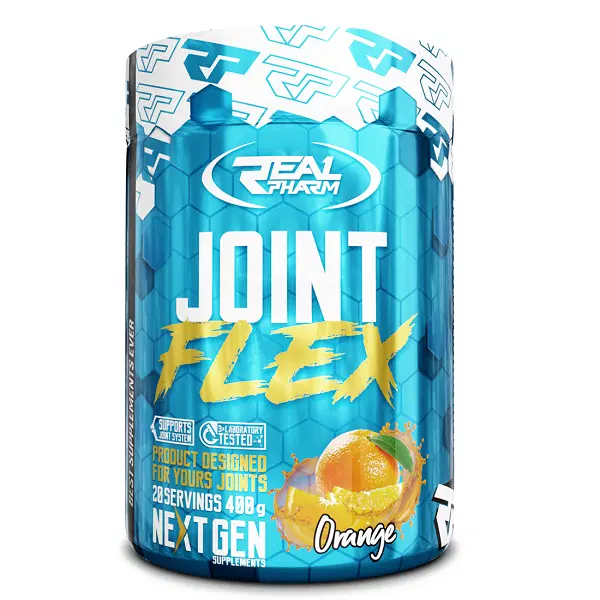
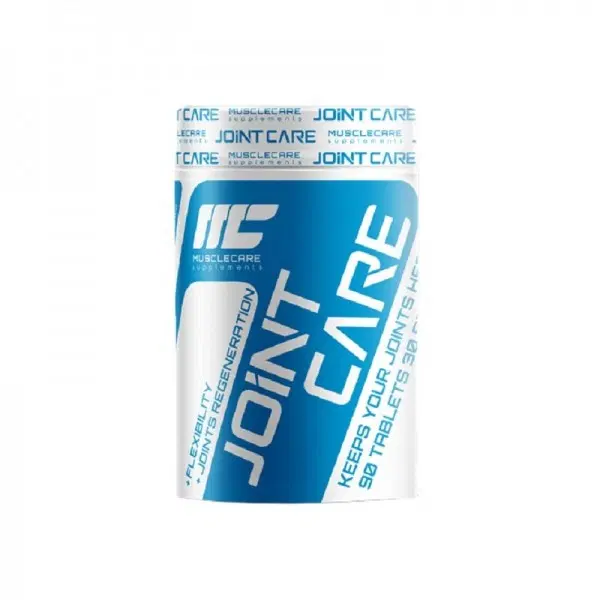
Recommended products
Frequently asked questions
How does chondroitin help athletes with intense training?
Chondroitin supports the elasticity and hydration of cartilage, which is essential for absorbing shocks and loads during intense training, protecting joints from wear and tear. It also reduces inflammation, accelerating recovery after exertion.
How long does it take to feel the effects of chondroitin intake?
Typically, 2 to 4 months of consistent intake are needed to feel significant improvements in joint pain and mobility. The effects are cumulative and depend on the individual's condition.
Can chondroitin completely restore damaged cartilage?
Chondroitin stimulates the synthesis of new cartilage components and can support recovery processes, but it cannot completely restore severely damaged cartilage. It is more effective for maintenance and prevention.
Are there side effects to taking chondroitin?
Chondroitin is generally well-tolerated. Mild gastrointestinal disturbances such as nausea or diarrhea may rarely occur. Always consult a doctor before intake, especially if you are taking other medications.