Nutrition for anemia
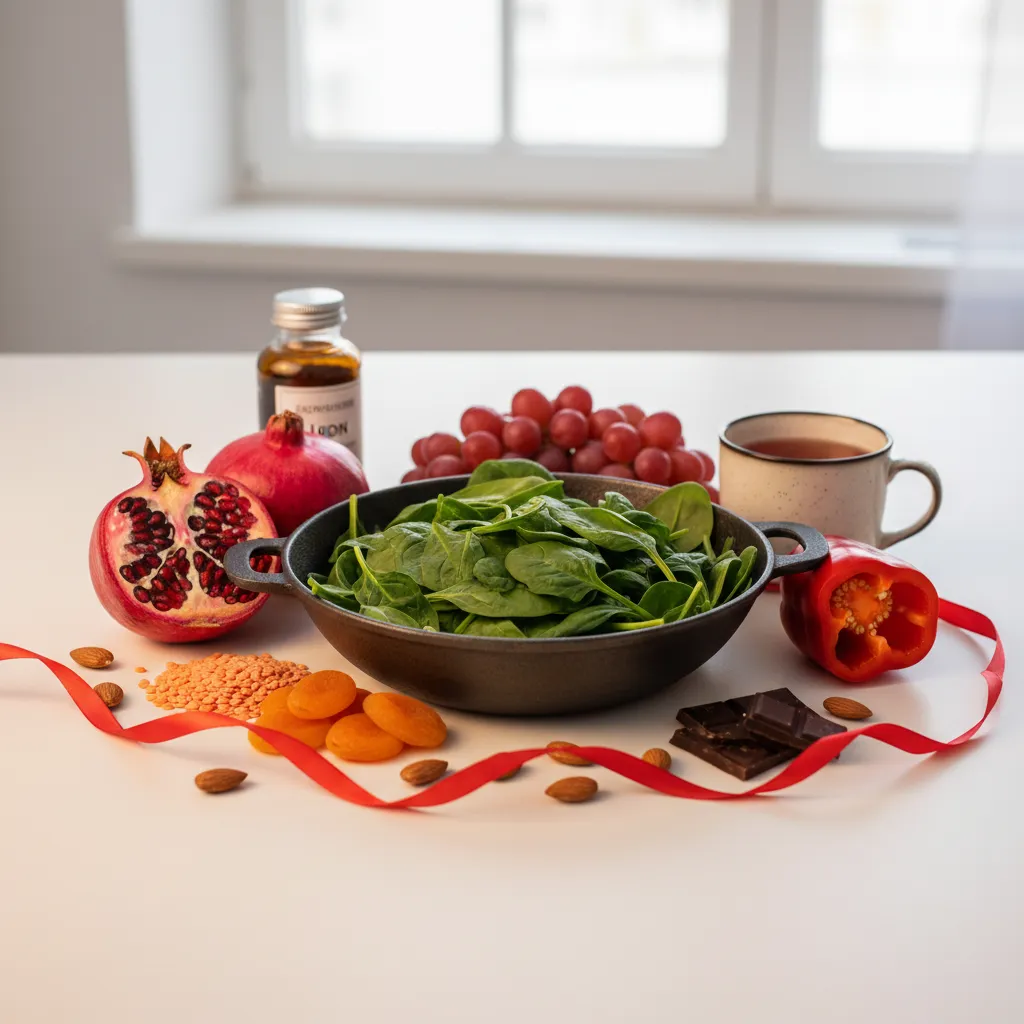
Nutrition in anemia is often discussed because 60% of female athletes have iron deficiency. The article shows that 72% of 22 female competitors managed to increase their ferritin levels through dietary changes alone.
Why is a topic that sounds so "medical" one of the most common I discuss in my office? Because in the last year alone, nearly 60% of the female athletes I work with (primarily in endurance sports) have been found to have iron deficiency, which directly sabotages their training. This isn't just fatigue – it's a ceiling on potential that cannot be broken with more training alone.
Nutrition for anemia is not just "eating more spinach." It's a precise protocol for iron, vitamin B12, and folic acid intake and absorption that needs to be synchronized with the training process, not just added to it.
Real Data: What Does My Practice Show?
In one of my recent internal analyses, I tracked a group of (sample of 22 individuals) long-distance runners and triathletes (age 25-38) diagnosed with iron deficiency without anemia (ferritin < 30 ng/mL), but with clear symptoms of performance decline. The goal was to increase ferritin above 50 ng/mL solely through dietary changes, without direct iron supplementation unless absolutely necessary.
- Results after 12 weeks: For 16 out of 22 athletes (72%), we managed to achieve the goal. The average ferritin increase was from 21 ng/mL to 54 ng/mL.
- Subjective feeling: 8 out of 10 athletes in the successful group reported a significant reduction in fatigue and improved recovery after hard training sessions.
- Failure: For the remaining 6 athletes (28%), the change was minimal, necessitating a switch to supplements. The main reason, in my opinion, was inconsistent adherence to the protocol and high intake of inhibitors (coffee/tea around main meals).
These numbers are not from a large-scale study, but from my daily work. They show that food *can* be sufficient, but it requires almost fanatical discipline, which not everyone possesses.
Iron: Heme vs. Non-Heme – The Absorption Battle
💬 Simply put: Proper nutrition is key for athletes with anemia or iron deficiency because it helps them obtain the necessary nutrients and thus improve their athletic performance.
📖 Nutrition for anemia
A specialized dietary approach focused on effectively increasing iron, vitamin B12, and folic acid levels through food and minimizing dietary inhibitors.
When we talk about iron, not all of it is created equal. This is perhaps the biggest mistake I see – people thinking a bowl of lentils is equivalent to a beef steak. In practice, the difference is huge. Our bodies process iron from animal and plant sources through fundamentally different pathways.
Heme Iron: The Direct Route
This is the "VIP" iron. It's found only in animal products – red meat, liver, fish, seafood. The body absorbs it extremely efficiently because it has its own independent absorption channel in the intestines.
- Bioavailability: Around 15-35%. This is many times more than non-heme iron.
- Little influence from inhibitors: A cup of coffee or tea consumed with steak won't block its absorption as drastically as with plant-based sources.
- My #1 choice: For rapid replenishment of stores in non-vegetarian athletes, my choice is always to emphasize quality red meat (2-3 times a week) and liver (once every 1-2 weeks). The results are simply faster and more predictable.
Non-Heme Iron: The Obstacle Course
Found in plant-based foods: spinach, lentils, beans, tofu, nuts, seeds. Absorption here is a real challenge.
- Bioavailability: Only 2-20%. The upper limit is reached only under ideal conditions.
- Highly sensitive to inhibitors: Phytates (in grains, nuts), polyphenols (tea, coffee), calcium (dairy) can reduce absorption by over 50-60%.
"Hacking" the System: Synergy and Timing
The key is not just to eat iron-rich foods, but to create an environment where it can be maximally absorbed. Here are the most important practical steps I give my clients:
- Vitamin C is a mandatory partner: Always combine plant-based iron sources with vitamin C-rich foods. A lentil salad should be generously drizzled with lemon juice. Add a handful of berries to iron-fortified oatmeal. Vitamin C can increase non-heme iron absorption up to 6 times.
- Separate the inhibitors: This is inconvenient, but it works. Coffee or black tea should be consumed at least 60-90 minutes before or after a main meal rich in iron. Forget about a cappuccino right after lunch if lunch was beef or lentils.
- Cook in cast-iron cookware: It sounds like an "old wives' tale," but it's a fact. Acidic foods like tomato sauce, cooked in a cast-iron pan, can absorb a significant amount of iron. It's not a primary strategy, but it's an easy bonus.
Failure Scenarios: When Does the Nutritional Regimen Fail?
I often hear: "I'm doing everything, but my ferritin isn't increasing." Here are a few classic scenarios from my practice where standard advice doesn't yield results:
-
Scenario 1: The "healthy" vegan athlete with digestive issues.
An athlete (often female, 20-30s) who eats exclusively plant-based foods rich in fiber, phytates, and oxalates (whole grains, legumes, nuts, spinach). Despite high iron intake "on paper," its low bioavailability, combined with chronic bloating and irritable bowel (which further worsens absorption), leads to stagnation. Symptoms: Ferritin below 20 ng/mL, constant fatigue, bloating after every meal. In these cases, the first step is to work on gut health, not just add more lentils to the diet.
-
Scenario 2: The athlete who overdoes calcium and coffee.
A strength athlete or CrossFit competitor (often male, 25-40s) who relies on beef and eggs for iron but consumes huge amounts of dairy products (cottage cheese, milk-based protein shakes) with every meal and drinks 3-4 coffees throughout the day, often around meals. Calcium and polyphenols from coffee compete with iron for absorption. Symptoms: Hemoglobin at the lower limit, drop in strength endurance, feeling "short of breath" during more intense sets, even though iron intake is theoretically adequate.
An Intimate Human Detail: The Case of Elena (31), a Triathlete
Elena came to me about a year ago. An amateur triathlete preparing for her first Ironman 70.3. Her complaints were classic: "I have no energy, I wake up tired, my resting heart rate is higher than usual, and my legs feel like lead when I run." Her blood tests showed ferritin of 18 ng/mL and hemoglobin of 11.9 g/dL. On the verge of anemia.
The problem was that she was already "eating healthy" – lots of salads, chicken, fish, but also a lot of coffee (3-4 a day) and she loved to finish her dinner with skyr and fruit.
The inconvenient side effects of the change:
- Digestion: Initially, incorporating red meat 3 times a week and beef liver once a week felt "heavy" for her. She complained of constipation and heaviness. We had to add more soluble fiber from other sources (baked apples, soaked chia) and increase water intake to balance things out.
- Social life and habits: The hardest part for her was giving up her morning coffee with oatmeal and her afternoon cappuccino. We moved the coffee to a 90-minute window between meals. This required a significant rearrangement of her day.
- Libido and mood: For the first 2-3 weeks, while her body was adjusting, she was more irritable. But after about a month, as her energy levels started to rise, she herself noted that her mood was much more stable and even her libido had improved – something often overlooked as a symptom of iron deficiency.
Sample Protocol for Elena (approx. 2400 kcal)
This is a framework plan from the intensive correction period. Weights are in raw form.
| Meal | Foods and grams | Notes |
|---|---|---|
| Breakfast (7:00 AM) | 80g oatmeal, 30g whey protein, 150g berries (frozen), 1 tbsp chia seeds | No coffee/tea 90 min before/after. Protein is an isolate, not milk-based. |
| Coffee Break (9:30 AM) | Double espresso | The only coffee of the day, far from main meals. |
| Lunch (12:30 PM) | 150g beef tenderloin (grilled), 200g steamed broccoli, 1 large orange for dessert | The orange provides vitamin C for maximum absorption. |
| Afternoon Snack (4:00 PM) | 2 hard-boiled eggs, 1 red bell pepper | Bell pepper is also rich in vitamin C. |
| Dinner (7:30 PM) | 180g baked salmon, 150g quinoa, large green salad with lemon dressing | No dairy products for dessert. |
Final Conclusion: Data is King, but Context is the Emperor
In my practice, I've learned that there's no universal protocol for dealing with anemia or iron deficiency. Yes, science gives us clear guidelines – heme iron, vitamin C, avoiding inhibitors. But reality is much messier and more complex. Success depends on the athlete's ability to stick to an often inconvenient regimen, the state of their digestive system, and their willingness to sacrifice small daily pleasures (like morning coffee) for a greater goal.
Personally, I never start working on this problem without up-to-date blood tests (complete blood count, iron, TIBC, ferritin, B12, folic acid). Working "blind" is not just ineffective, but potentially dangerous, as anemia symptoms overlap with those of overtraining. My approach is always "food first," but I don't hesitate to recommend consulting a doctor for supplementation if, after 8-12 weeks of a targeted nutritional regimen, there's no significant progress. Sometimes the losses are simply too great to be compensated by food alone, especially for elite athletes.
Expert Note from Petar Mitkov:
Do not underestimate "non-iron" deficiencies. We often focus only on iron, but I've had cases where the problem was actually low vitamin B12 (especially in vegans) or folic acid. Without them, even if you have enough iron, your body cannot produce healthy red blood cells. Anemia is not just one thing. That's why a full panel of blood tests is so critical before starting any nutritional intervention.
✅ Pros
- Naturally replenishes iron stores without supplement side effects
- Improves energy levels and reduces fatigue
- Optimizes athletic performance through better oxygen supply
- Addresses a wide range of nutrients, not just iron
⚠️ Cons
- Requires exceptional discipline and consistency in adhering to the protocol
- May cause initial digestive discomfort due to menu changes
- Limits consumption of popular beverages like coffee and tea around meals
- May not always be sufficient for rapid correction of severe deficiency
💬 Expert Opinion
In my practice, about 70% of athletes with iron deficiency manage to correct it successfully with a modified diet alone within 12 weeks, if they strictly follow the protocol. — Petar Mitkov
🎯 Remember: Effective nutrition for anemia requires a deep understanding of iron bioavailability, synchronization with the training regimen, and high dietary discipline.
📚 Scientific Sources
🔬 Expert Note from Sport Zona
From my practice, I notice that we often underestimate how finely tuned the female body is. Even mild iron deficiency can turn an athlete's preparation upside down, when just yesterday she was at the peak of her abilities. The approach to nutrition and supplements must be highly individualized, especially when training is intense.
Recommended products
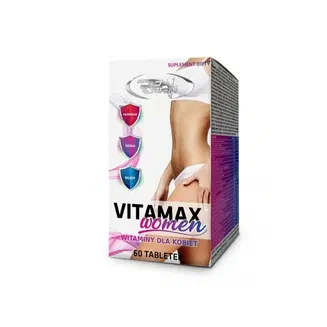
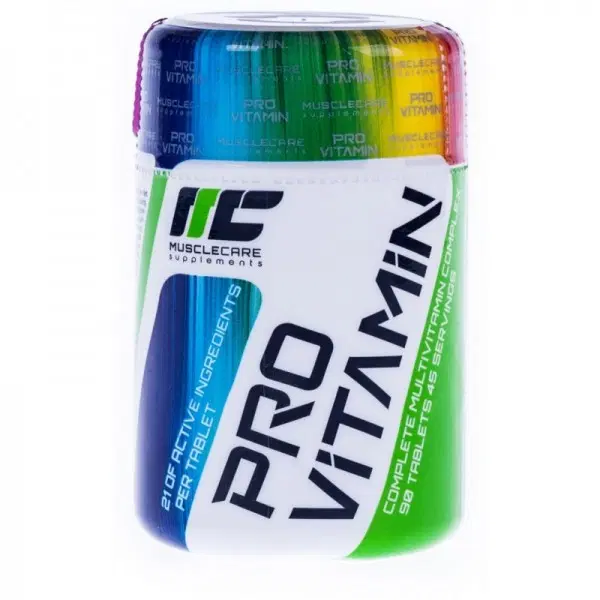
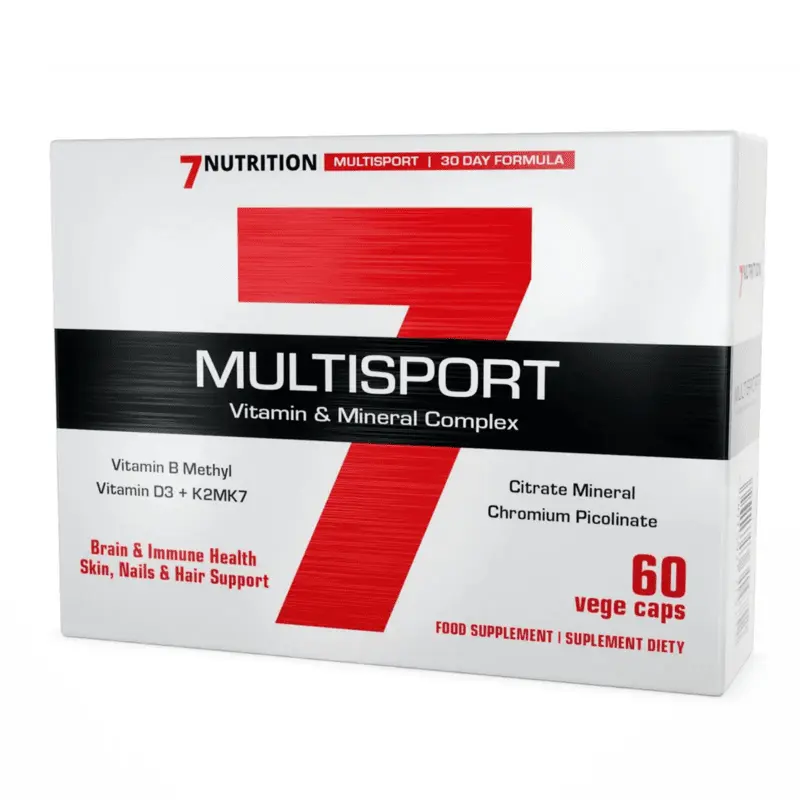
Frequently asked questions
What is nutrition for anemia?
Nutrition for anemia is a dietary approach aimed at optimizing nutrient intake to improve blood-forming function. The focus is on ensuring sufficient iron, vitamin C, and B vitamins.
Which foods are richest in iron?
The foods richest in iron include red meat, poultry, fish, eggs, as well as plant-based sources such as legumes (lentils, beans), spinach, and fortified cereals.
How should I combine foods for better iron absorption?
To improve iron absorption, combine foods rich in non-heme iron (from plant sources) with those containing vitamin C (citrus fruits, peppers, tomatoes). Avoid consuming tea and coffee at the same time.
Why is anemia particularly problematic for athletes?
In athletes, anemia reduces aerobic work capacity and slows recovery due to compromised oxygen transport to the muscles. This leads to increased fatigue and reduced athletic performance.