Nutrition during pregnancy

Brief expert definition: What is Pregnancy Nutrition, how it works in the body, and how it is applied in sports nutrition.
Short answer: Nutrition during pregnancy is a specialized dietary regimen that provides optimal nutrients for the mother and fetus, with needs potentially being 300-500 kcal higher daily for athletic women. Practical advice: Increase protein intake to about 1.1 g/kg of body weight daily to support muscle recovery and fetal growth.
Pregnancy nutrition is a specialized dietary regimen providing appropriate nutrients for the mother and developing fetus, supporting health and athletic performance.
For a more in-depth review, see the complete guide to proper nutrition — a foundational guide from the expert team at Sport Zona.
What is proper nutrition during pregnancy?
Proper nutrition during pregnancy involves ensuring all necessary nutrients for the health and normal development of the mother and baby.
📖 Pregnancy Nutrition
A specialized dietary regimen that provides nutrients for the mother and fetus, supporting their health, as well as athletic performance for active women.
Pregnancy nutrition represents a comprehensive approach to a woman's diet during the period of conception, pregnancy, and breastfeeding, aiming to meet both her own needs and those of the developing fetus. It is not just about increasing caloric intake, but rather about shifting towards nutrient-dense foods. Its primary goal is to provide the necessary building blocks and energy for the growth and development of the fetus's tissues and organs, as well as to support the physiological changes occurring in the mother's body.
Biochemically and physiologically, significant adaptations occur during pregnancy that alter the absorption, metabolism, and excretion of nutrients. For example, the efficiency of iron absorption increases, yet its requirements increase dramatically due to the expansion of the mother's blood volume and the fetus's needs. Changes in hormonal balance affect glucose metabolism, lipid profile, and protein synthesis, highlighting the importance of a balanced intake of macronutrients and adequate hydration to maintain homeostasis.
What are the pros and cons?
Pregnancy nutrition is an important aspect of maternal and fetal health, but it has advantages and disadvantages that must be considered.
- Ensures proper fetal development and reduces the risk of birth defects
- Maintains the mother's energy levels and prevents fatigue
- Reduces the risk of gestational diabetes and anemia in the mother
- Aids in faster recovery after training for pregnant athletes
Disadvantages
- Requires strict planning and can be challenging to adhere to
- Need for increased financial expenses for quality food products and supplements
- May lead to excessive weight gain if not properly balanced
Pregnancy nutrition works by providing a continuous supply of specific nutrients that are critical for the different stages of fetal development and supporting the mother's body. For example, folic acid intake is crucial in early pregnancy to prevent neural tube defects. Iron is necessary for the synthesis of additional hemoglobin and oxygen supply, while calcium and vitamin D are essential for the formation of the fetus's bones and teeth.
The mechanism also involves regulating blood sugar and energy levels, which is important for preventing gestational diabetes and maintaining the pregnant woman's energy, especially if she continues to train. Proper food choices also provide fiber, which helps manage common issues like constipation. Key aspects include:
- Energy Provision: Increased caloric intake to meet metabolic needs.
- Micronutrient Balance: Focus on vitamins and minerals critical for fetal development.
- Immune Support: Foods rich in antioxidants and probiotics.
- Good Hydration: Maintaining bodily fluids.
Why is nutrition important for pregnant athletes?
Adequate nutrition for pregnant athletes is a fundamental factor for a healthy pregnancy, maintaining athletic fitness, effective recovery from training, and prevention of fatigue and injuries. While the recommended daily energy intake increases by about 300-500 kcal during the second and third trimesters, for actively training women, these needs may be even higher, depending on the intensity and duration of physical activity, such as the American College of Obstetricians and Gynecologists (ACOG) recommendation for at least 150 minutes of moderate physical activity per week requiring corresponding energy support.
Specifically, protein intake is critical for muscle recovery and fetal growth, with recommendations increasing to about 1.1 g/kg of body weight per day. Iron is vital for preventing anemia, which can affect both maternal energy and fetal development, with a recommended daily intake of 27 mg, significantly more than for non-pregnant women. Supplements with omega-3 fatty acids, especially DHA, are linked to better fetal neurological development and can contribute to reducing post-exercise inflammation, with recommendations of about 200-300 mg of DHA daily. These precise needs underscore the importance of an individualized nutrition plan under the guidance of a specialist.
What are the related concepts?
Related concepts are Hydration, Nutrient Density, and Antioxidants in Food. Hydration is very important during pregnancy to prevent dehydration, maintain blood volume, and regulate body temperature, and nutrient density is key, as women need to consume enough vitamins and minerals without excessive caloric intake.
I strongly recommend every pregnant athlete increase their protein intake to at least 1.1 g/kg of body weight to ensure adequate recovery and fetal growth. — Petar Mitkov
Remember: Proper nutrition during pregnancy is critically important for both the health of the mother and fetus, as well as for maintaining athletic fitness and recovery.
Expert Note from Sport Zona
From numerous observations over the years, we have always emphasized a personalized approach. During pregnancy, it is critically important to listen to the body and not blindly follow general recommendations – needs are strictly individual and often change.
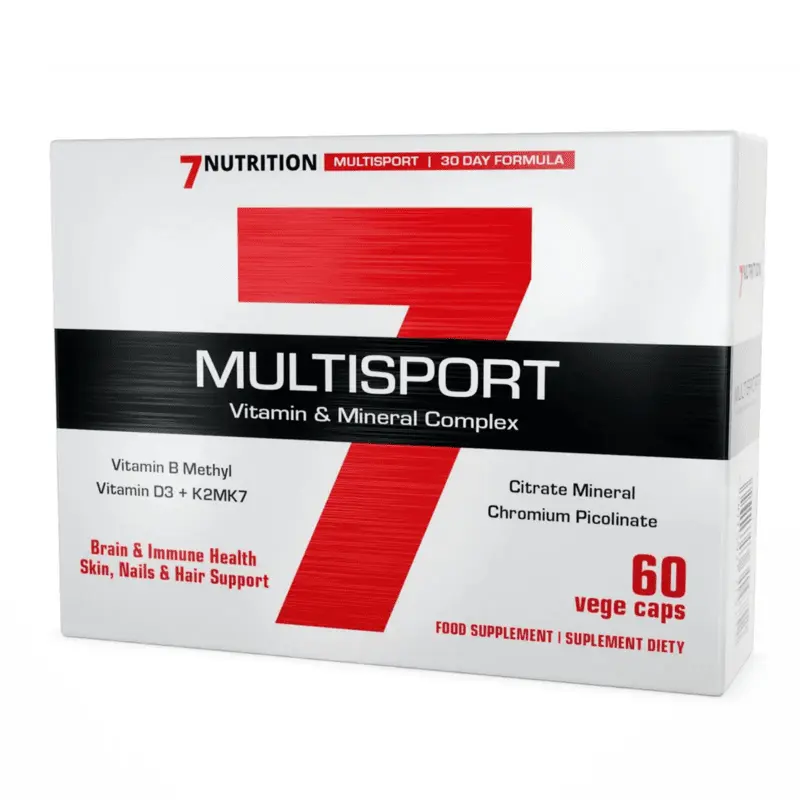
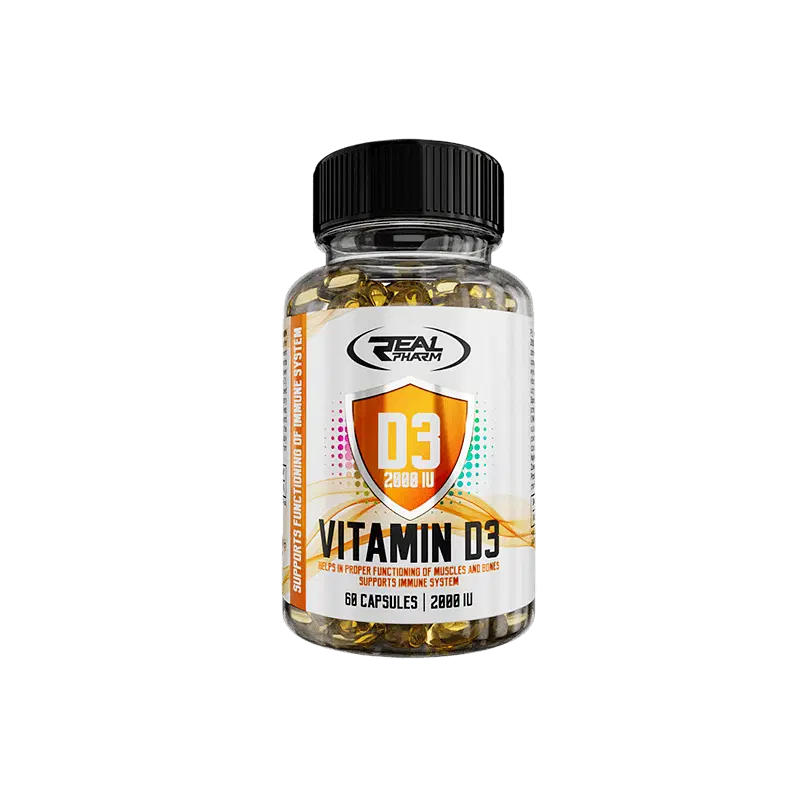
Recommended products



Frequently asked questions
What essential nutrients are in increased demand during pregnancy?
During pregnancy, there is an increased need for folic acid, iron, calcium, and omega-3 fatty acids. These are key for the healthy development of the fetus and maintaining maternal health.
How does the diet change during pregnancy?
The regimen focuses on nutrient-dense foods, not just increased caloric intake. The main goal is to provide the necessary building blocks and energy for the mother and baby.
Why is nutrition particularly important for pregnant athletes?
For them, adequate nutrition supports a healthy pregnancy, maintains athletic fitness, speeds up recovery, and protects against fatigue and injuries. Energy needs may be further increased.
What are the benefits of proper nutrition during pregnancy for female athletes?
It helps maintain energy levels, optimal muscle recovery, and overall well-being. It also reduces the risk of anemia and supports hormonal balance.