Nutrition for gastritis and reflux
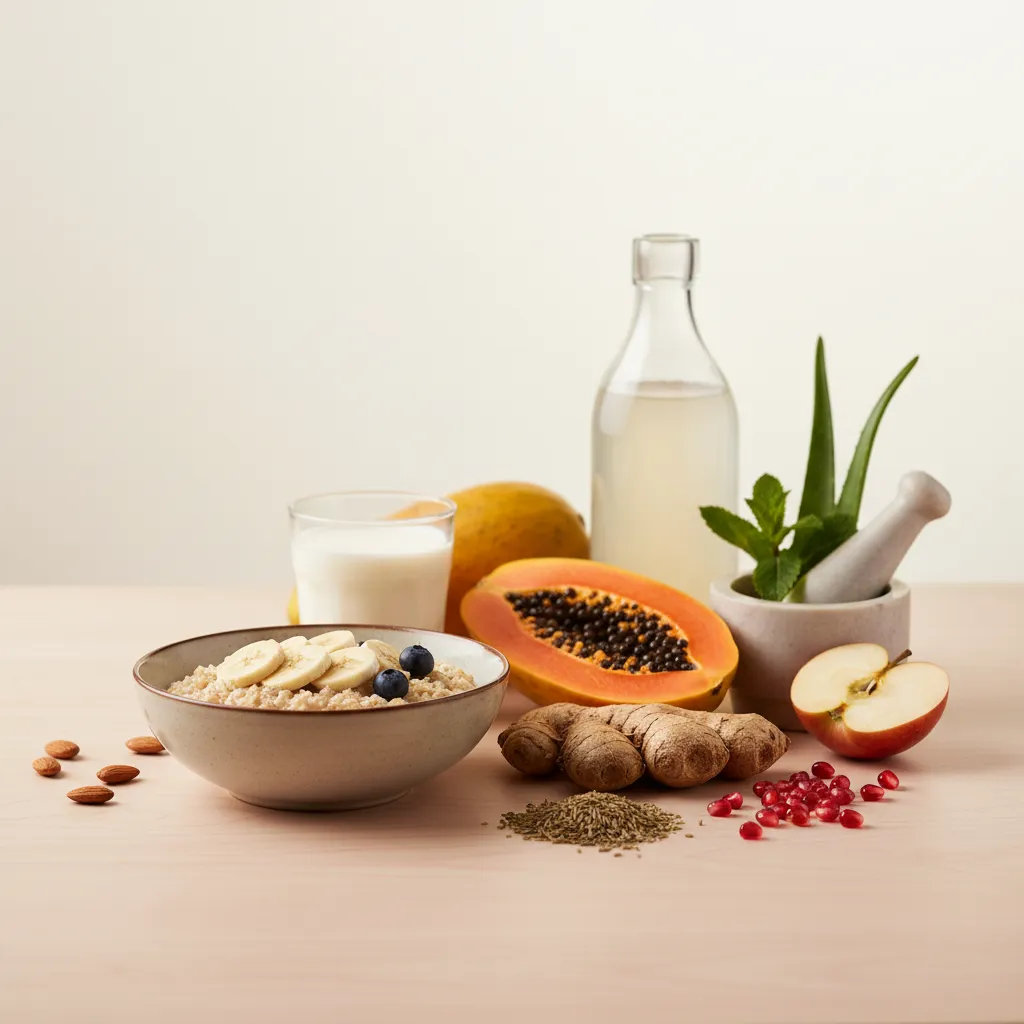
Brief expert definition: What is Nutrition for Gastritis and Reflux, how it works in the body, and how it is applied in sports nutrition.
Short answer: Nutrition for gastritis and reflux is a personalized approach to minimize irritating foods, optimizing digestion and reducing inflammation, allowing athletes to maintain energy levels and ensure the necessary 1.6-2.2 g/kg body weight protein without discomfort. Practical advice: Avoid spicy foods, citrus, and caffeine, focusing instead on frequent, small meals with easily digestible foods like rice and oats to support recovery and athletic performance.
Nutrition for gastritis and reflux is an adaptation of the diet that minimizes irritating foods, using a personalized approach to diet.
For a comprehensive overview, see the complete guide to proper nutrition — an essential manual from the expert team at Sport Zona.
What is nutrition for gastritis and reflux?
Nutrition for gastritis and reflux is a diet that avoids certain foods that irritate the stomach and encourages more frequent, smaller portions to reduce symptoms.
📖 Nutrition for gastritis and reflux
A specialized nutritional regimen aimed at alleviating symptoms and supporting recovery from gastritis (inflammation of the stomach lining) and reflux (the return of stomach contents into the esophagus).
Nutrition for gastritis and reflux is a specialized dietary approach aimed at alleviating symptoms and supporting recovery from these common gastrointestinal conditions. Gastritis is an inflammation of the stomach lining, which can be acute or chronic, while reflux (gastroesophageal reflux disease – GERD) is characterized by the return of stomach contents into the esophagus, causing irritation and damage.
The main goal of this diet is to reduce stomach acid production, prevent irritation of the stomach lining and esophagus, and accelerate the healing of affected tissues. This is achieved through a precise selection of foods and careful structuring of the diet, with an emphasis on individual tolerance and symptoms.
How does the diet for gastritis and reflux work?
Nutrition for gastritis and reflux is a dietary approach that reduces stomach acid production, prevents irritation of the stomach lining and esophagus, and accelerates the healing of affected tissues.
- Reduces stomach acid production
- Prevents irritation of the stomach lining and esophagus
- Accelerates the healing of affected tissues
- Supports training effectiveness and recovery in athletes
Disadvantages
- Requires strict avoidance of many foods, which can limit variety
- Need for individual adjustments based on tolerance
- May lead to insufficient nutrient intake if not planned properly
For gastritis and reflux, nutrition works by focusing on several key principles to reduce irritation and facilitate digestion. First, it limits the intake of foods that stimulate excessive stomach acid production or relax the lower esophageal sphincter – the muscle that prevents the reflux of stomach contents. Second, foods that directly irritate the inflamed lining of the stomach and esophagus are avoided.
The main mechanisms include:
- Avoiding irritants: Avoiding spicy foods, citrus fruits, tomatoes, chocolate, mint, caffeine, and alcohol, which can trigger or worsen symptoms.
- Reducing acidity: Preferring alkaline or neutral foods that help buffer stomach acid.
- Supporting digestion: Choosing easily digestible foods that do not burden the digestive system and reduce stomach emptying time.
- Regulating portions: Eating frequent, small meals to avoid overfilling the stomach and pressure on the lower esophageal sphincter.
Why is nutrition important for athletes with gastritis and reflux?
Nutrition for gastritis and reflux is critically important for athletes because these conditions can significantly compromise the training process and recovery, as well as lead to insufficient nutrient intake, malabsorption, and micronutrient deficiencies, which directly affect athletic performance and overall health.
Properly adapting the diet allows athletes to maintain an appropriate energy balance and ensure the necessary macro- and micronutrients without triggering unwanted digestive symptoms. For example, instead of consuming high-fat foods that slow stomach emptying (and are often triggers), athletes can focus on lean proteins (around 1.6-2.2 g/kg body weight for strength and endurance, according to ISSN), complex carbohydrates that are easily digestible (rice, oats), and moderate amounts of healthy fats. This keeps the digestive system in good condition and, moreover, provides stable energy levels and supports anabolism, which is key for muscle recovery and development, without compromising gastrointestinal comfort.
Expert opinion
For athletes with gastritis or reflux, it is crucial to consume at least 1.6-2.2 g of protein per kilogram of body weight, distributed over 5-6 small meals, to maintain anabolism without stomach discomfort. — Petar Mitkov
Remember: Appropriate nutrition for gastritis and reflux is essential for alleviating symptoms, restoring the digestive system, and maintaining athletic form, requiring an individual approach and avoidance of irritating foods.
Expert note from Sport Zona
In my work with Bulgarian athletes, I often observe how gastritis and reflux can seriously affect performance. The right diet is not just about relief, but an important factor for recovery and optimizing the training process. We often find that personalization and the elimination of certain foods lead to visible results within the first few weeks.
Recommended products



Frequently asked questions
What foods should I avoid if I have gastritis or reflux?
You should avoid spicy foods, citrus fruits, tomatoes, chocolate, mint, caffeine, and alcohol. These foods can stimulate stomach acid production or irritate the stomach lining and esophagus.
How does a gastritis and reflux diet help athletes?
This dietary approach helps athletes by reducing gastrointestinal discomfort that can hinder training and recovery. It improves energy levels and nutrient absorption, leading to better athletic performance.
How often should I eat with gastritis and reflux?
Frequent, small meals throughout the day are recommended. This helps prevent overfilling the stomach and reduces pressure on the lower esophageal sphincter, alleviating symptoms.
What foods are recommended for gastritis and reflux?
Focus on easily digestible foods that do not irritate the stomach. Good choices include lean proteins, easily digestible complex carbohydrates like rice and oats, and moderate amounts of healthy fats.