Nutrition during breastfeeding
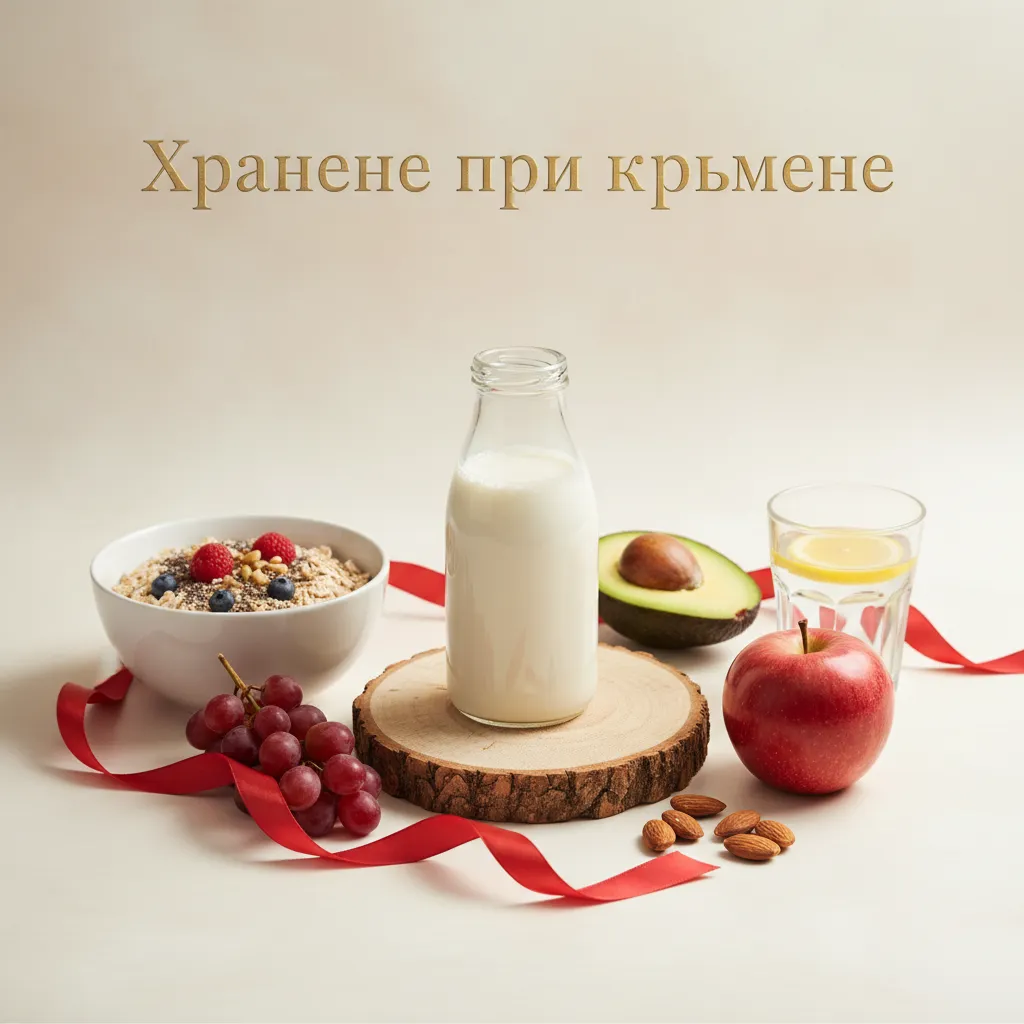
Brief expert definition: What is Lactation Nutrition, how it works in the body, and how it is applied in sports nutrition.
Short answer: Nutrition during breastfeeding requires a significantly increased caloric intake (330-400 kcal/day, up to 2500-3000+ kcal/day for athletes) and an optimal balance of macro- and micronutrients to maintain lactation and maternal health. Practical advice: Breastfeeding athletes should aim for a protein intake of 1.2-1.7 g/kg body weight to support recovery and ensure adequate nutritional density.
Breastfeeding nutrition is a specific dietary regimen for mothers that optimizes both maternal health and milk quality through a balanced intake of nutrients.
For a comprehensive overview, see the complete guide to proper nutrition — a fundamental manual from the expert team at Sport Zona.
What is breastfeeding nutrition?
Breastfeeding nutrition is a special dietary regimen that supports the mother's health and ensures the quality of breast milk for the baby.
📖 Breastfeeding nutrition
A specific dietary regimen for mothers that optimizes maternal health and milk quality through a balanced intake of nutrients, meeting increased energy and nutrient needs.
Breastfeeding nutrition is a complex nutritional approach aimed at meeting the increased energy and nutrient demands of the mother while she produces milk for her baby. This period is characterized by significant metabolic stress on the female body, as milk production requires substantial amounts of energy and specific micro- and macronutrients. A well-balanced diet is essential for adequate milk production, as well as for maintaining maternal health, energy, and recovery after pregnancy and childbirth.
The focus is on consuming whole foods rich in vitamins, minerals, and antioxidants. Adequate hydration is also an important aspect. A deficiency in certain nutrients in the mother's diet can affect her reserves and, to a lesser extent, the quality of breast milk, as the body prioritizes directing nutrients to milk production, sometimes at the expense of maternal stores.
How does breastfeeding nutrition work?
Breastfeeding nutrition is a process that ensures proper milk for the baby, supports the mother's postpartum recovery, and maintains high energy levels, while preventing the depletion of maternal nutrient stores. It requires increased caloric intake (330-400 kcal/day extra) and strict monitoring of micronutrients to avoid deficiencies.
- Ensures proper milk for the baby
- Supports the mother's postpartum recovery
- Maintains high energy levels and overall maternal health
- Prevents the depletion of maternal nutrient stores
Disadvantages
- Requires increased caloric intake (330-400 kcal/day extra)
- Necessitates strict monitoring of micronutrient intake for the mother
- Can lead to maternal deficiencies if nutritional intake is insufficient
The mechanism of breastfeeding nutrition is based on the physiological needs for milk production. Lactation is an energy-intensive process that requires an additional caloric intake of approximately 330-400 kcal/day during the first six months, depending on the amount of milk produced. These calories should come from nutrients that support energy, as well as the synthesis of proteins, fats, carbohydrates, vitamins, and minerals that make up breast milk. The mother's body has mechanisms to extract key nutrients from the blood and body stores to ensure a consistent milk composition, but this can lead to maternal deficiencies if intake is insufficient. The principle of adequate nutrition during breastfeeding covers several key areas:
- Increased energy intake: Compensating for the calories needed for lactation.
- Proper macronutrient intake: Sufficient protein for recovery and growth, carbohydrates for energy, and healthy fats for the baby's development and the mother's hormonal balance.
- Micronutrient support: Particularly important are vitamin D, B vitamins, iron, calcium, iodine, and omega-3 fatty acids, which are directly transferred into breast milk or are important for maternal health.
- Adequate hydration: Water is a major component of breast milk and essential for maintaining milk volume.
Why is breastfeeding nutrition important for active mothers?
For active mothers, breastfeeding nutrition is essential, as physical activity itself increases energy demands, and the combination with lactation necessitates careful dietary planning, with the recommended daily caloric intake potentially reaching 2500-3000+ kcal/day.
The emphasis should be on nutrient-dense foods. For example, protein intake is critical for muscle recovery and should be around 1.2-1.7 g/kg of body weight. While excess protein in the diet does not significantly increase the protein content of breast milk, it is vital for the maternal health of actively exercising women. Meanwhile, adequate carbohydrate intake (around 4-6 g/kg) is important for replenishing glycogen stores and providing energy for workouts and lactation. Hydration is particularly important for active mothers, with recommended intake potentially reaching over 3.8 liters of fluids daily to compensate for losses from sweat and milk production. Insufficient hydration can lead to fatigue and reduced milk production, which is particularly dangerous during intense physical exertion.
What are related concepts to breastfeeding nutrition?
Pregnancy nutrition is the nutrition immediately preceding the breastfeeding period, which forms the basis of maternal nutrient reserves. Hydration is vital for milk production and for maintaining the overall health and energy levels of the breastfeeding mother. Nutrient density is a concept that is significant during breastfeeding to ensure maximum nutrient intake with increased caloric needs. Whole foods (unprocessed foods) are the foundation of any appropriate diet during breastfeeding, providing a wide range of nutrients.
For breastfeeding mothers, especially active athletes, I recommend a minimum of 1.5 grams of protein per kilogram of body weight and fluid intake reaching up to 3.8 liters daily to compensate for training losses and milk production. Do not underestimate omega-3 fatty acids. — Petar Mitkov
Remember: Balanced nutrition and adequate hydration are critically important for breastfeeding mothers, especially active ones, to maintain their own health and the proper quality of breast milk.
Expert note from Sport Zona
From my many years of experience with Bulgarian athletes, I notice that even with the best intentions, many mothers find it difficult to maintain a consistent and nutritious diet. We often have to adjust nutritional intake to the individual challenges of daily life and personal preferences. Even small, but consistent, adjustments can bring significant improvement.
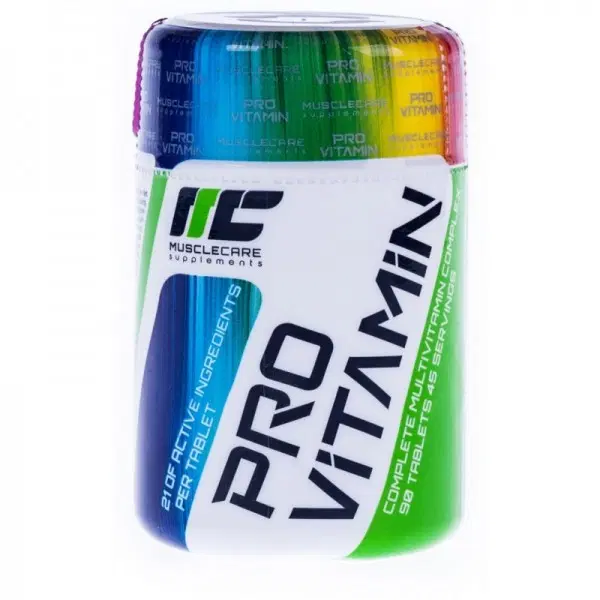
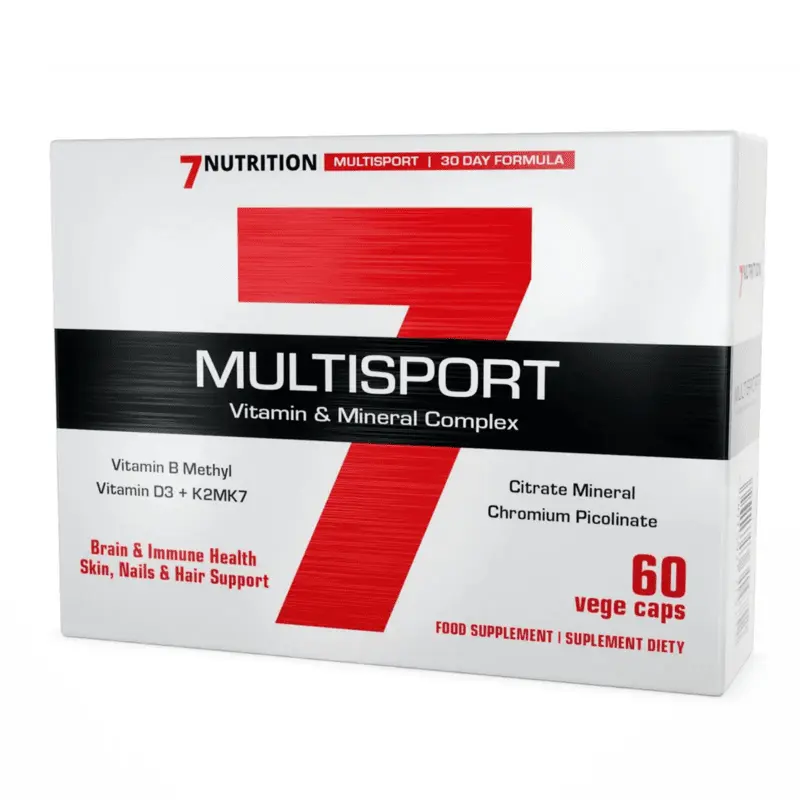
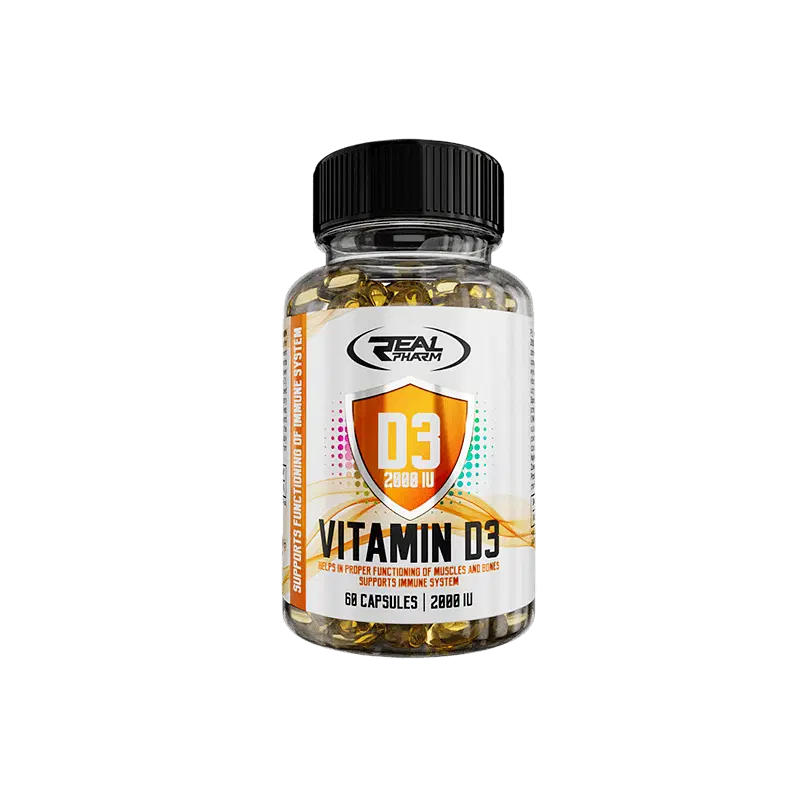
Recommended products


Frequently asked questions
What is breastfeeding nutrition?
Breastfeeding nutrition is a specialized dietary approach aimed at meeting the increased energy and nutrient demands of the mother during lactation. The goal is to support maternal health, ensure high-quality breast milk, and maintain energy levels.
How many additional calories are needed during breastfeeding?
During breastfeeding, approximately 330-400 additional calories per day are typically needed during the first six months. This value can vary based on individual milk production and the mother's energy expenditure.
What is the role of hydration in breastfeeding?
Adequate hydration is extremely important, as water is a primary component of breast milk. Sufficient fluid intake helps maintain optimal milk volume and the mother's overall well-being.
Why is nutrition particularly important for breastfeeding mothers who exercise?
For breastfeeding mothers who are athletes, the increased energy needs from physical activity are combined with those from lactation. This requires careful planning of high-quality foods to ensure sufficient energy, support post-exercise recovery, and maintain both maternal health and normal lactation.