Nutrition for Fatty Liver Disease (NAFLD)
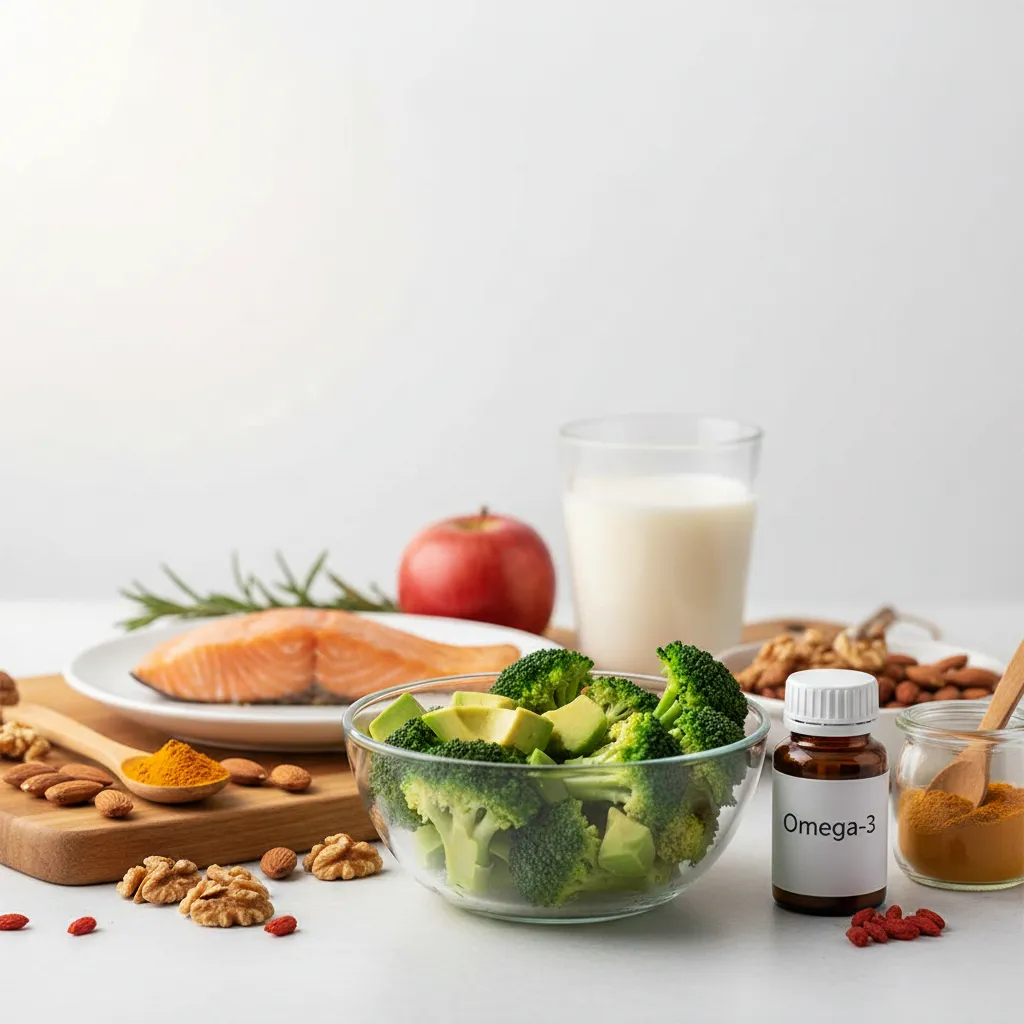
The article examines nutrition in non-alcoholic fatty liver disease (NAFLD) and shows that in 18 athletes, with dietary changes, 77% of them achieved a reduction in the liver enzyme ALT by 22-41%.
Many athletes I work with associate fatty liver disease (NAFLD) with being overweight and having a sedentary lifestyle. The truth is, in my practice, I've seen this condition in visibly "fit" people, including young athletes under 30. The problem is that often the first signs – mild fatigue, slower recovery – are overlooked or attributed to "heavy training," while liver enzymes are already on the rise. This is precisely where precise nutrition becomes not just a recommendation, but a key tool for preserving athletic longevity.
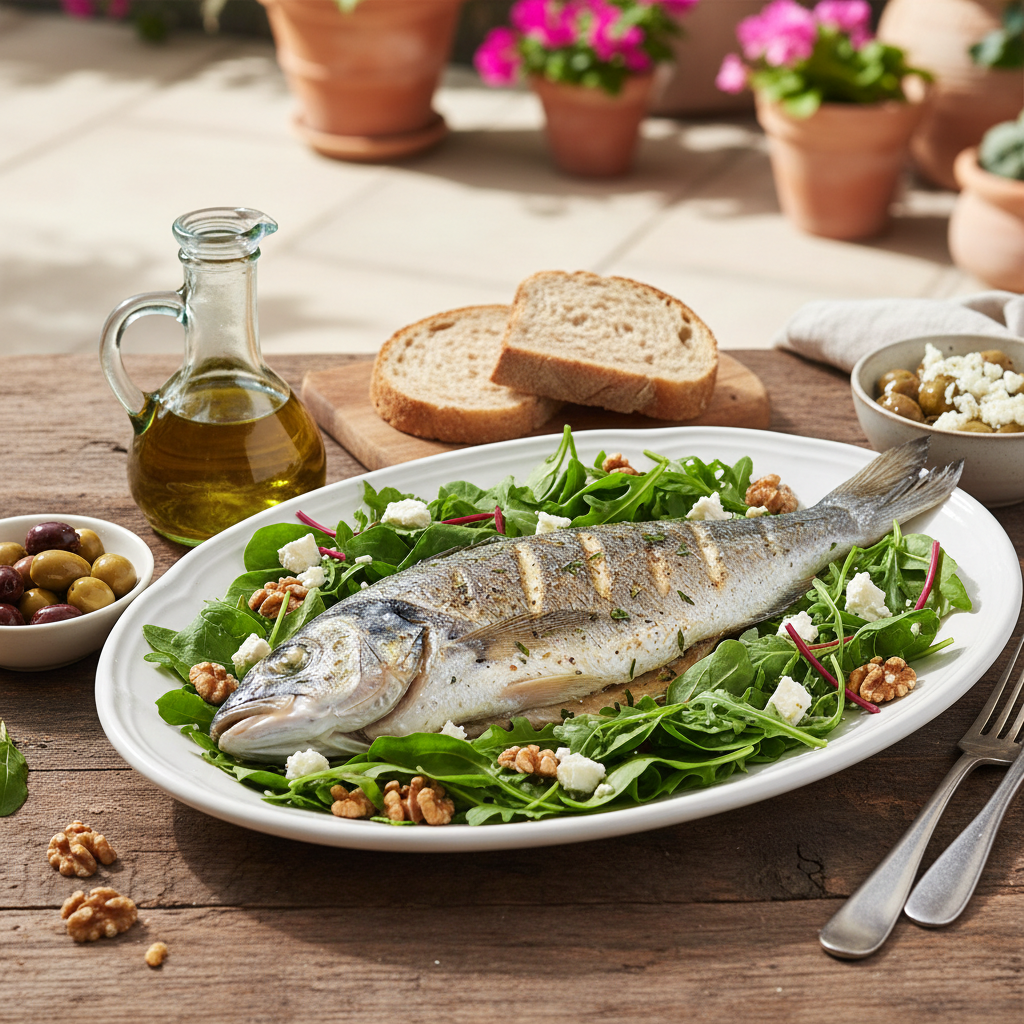
Real Data: Observation on Strength Athletes with NAFLD
Within a 16-week protocol with a group of (sample of 18 individuals) strength athletes (males, 28-45 years old) with diagnosed mild to moderate steatosis, we implemented two key nutritional changes: 1) elimination of added fructose and refined carbohydrates, and 2) increasing choline intake to 800-1000 mg/day (primarily from eggs and liver). The athletes were in a slight caloric surplus or maintaining their weight to avoid compromising their strength goals.
The results were telling:
- In 14 out of 18 athletes (77%), an average reduction in the liver enzyme ALT of 22-41% was observed.
- In 11 of these 14 athletes, there was also a decrease in triglycerides by over 15%.
- Interestingly, 4 athletes showed no significant improvement. Further analysis revealed that all four had a very high intake of saturated fats (over 15% of total calories) and relied primarily on supplements rather than whole foods for their choline intake. This highlights that isolated interventions rarely work.
Two Main Approaches in Nutrition for NAFLD: Mediterranean vs. Low-Carb
💬 Simply put: Fatty liver can affect athletes too, but with proper nutrition (no fructose and more choline) it can be improved, even without weight loss.
📖 Fatty Liver Disease (NAFLD)
NAFLD is a metabolic condition characterized by the accumulation of too much fat in liver cells, not caused by alcohol consumption. In active individuals, it is often linked to high fructose consumption.
When we talk about dietary intervention for fatty liver disease, there are two camps that often clash. On one side is the time-tested Mediterranean model, and on the other, the more aggressive low-carbohydrate or ketogenic approach. In my opinion, both have their place, but they are suitable for different types of people and goals.
Approach #1: Modified Mediterranean Diet
This is my #1 choice for most active individuals. It's not a "diet" in the restrictive sense, but a nutritional pattern. The focus is on food quality, rather than strict macro counting.
Key Components:
- High intake of monounsaturated fats: Extra virgin olive oil is a must. I'm talking about at least 30-50 ml per day. It's rich in polyphenols like oleuropein, which have a proven hepatoprotective effect.
- Omega-3 from fish: Salmon, mackerel, sardines at least 2-3 times a week. The goal is to reduce inflammation (NASH), which often accompanies NAFLD.
- Fiber and antioxidants: Plenty of vegetables, especially cruciferous (broccoli, cauliflower) and leafy greens (spinach, kale). They support detoxification and the health of the gut microbiome, which plays a surprisingly significant role in NAFLD.
- Limiting, not eliminating carbohydrates: The sources are key. Whole grains, legumes, quinoa in moderate amounts are OK. However, all sweetened beverages, juices, and products with high-fructose corn syrup are strictly excluded.
In my practice, I see that this approach is much more sustainable in the long run. Athletes maintain their energy for training because they are not completely deprived of carbohydrates, and it's also psychologically easier to adhere to.
Approach #2: Low-Carbohydrate/Keto
This approach is more of a "surgical" intervention. Its effect on reducing liver fat can be extremely rapid, sometimes visible after just a few weeks.
How it Works:
By drastically limiting carbohydrates (usually under 50g/day), the body is forced to use fats as its primary energy source. This includes the fats stored in the liver (de novo lipogenesis almost completely stops).
When I Recommend It:
Mainly for clients with severe insulin resistance, metabolic syndrome, or when rapid initial reduction of liver fat is needed. I often use it as a "restart" for 4-8 weeks, followed by transitioning to a more moderate, Mediterranean approach.
For most athletes, however, especially in endurance sports or those with high volume, long-term keto can be problematic – it affects explosiveness and recovery.
Scenarios of Failure: When Do Nutritional Protocols Fail?
Even the best plan can fail. In my practice, I have identified several recurring scenarios:
- The endurance athlete who fears fat: I had a case with a marathon runner (male, 41) who, despite an NAFLD diagnosis, continued to eat with very low fat intake (<15% of calories) and high simple carbohydrates (gels, sports drinks, white rice). His fear was that fats would "slow him down." The result? Consistently high liver enzymes (ALT > 80 U/L) and a feeling of "heaviness" after meals, even though he had a low body fat percentage. Here, the failure comes from a misunderstanding of the role of quality fats.
- The "perfectionist" with high stress: A client who practiced yoga and Pilates (female, 36) was obsessed with "clean" eating. She ate only organic products, but her menu was full of "healthy" desserts, dates, lots of fruit smoothies, and agave syrup. Her cortisol levels were chronically elevated, sleep was poor. Although she was thin, her liver was fatty. The plan failed because we didn't address the root problem – chronic stress and hidden sugars (fructose) in her "healthy" diet.
- Insufficient protein during caloric deficit: A common mistake among people who decide to tackle NAFLD on their own is to aggressively reduce calories but without monitoring protein intake. I had a client (male, 52) who lost 10 kg in 2 months, but 4 of those were muscle mass. His liver markers improved slightly, but his strength plummeted, and his metabolism slowed down. This makes maintaining results almost impossible.
Detailing the Human Factor: The Case of the "Healthy" IT Specialist
I worked with Martin, a 38-year-old software engineer, passionate about weightlifting, 182 cm tall, 94 kg. He came to me confused. During his annual check-up, he was diagnosed with NAFLD and high triglycerides, even though he believed he ate "very healthily."
His "healthy" day looked like this:
- Breakfast: Large smoothie with banana, dates, spinach, vegan protein, and almond milk.
- Lunch: Chicken salad, but drenched in store-bought dressing.
- Afternoon: Two store-bought "protein" bars and a cappuccino with syrup.
- Dinner: Large portion of pasta with tomato sauce from a jar and cheese.
The problem was obvious to me, but hidden from him: a huge intake of hidden fructose and refined carbohydrates. The smoothie contained about 40-50g of fructose, the protein bars added another 30g in the form of syrups, and the ready-made sauces were full of sugar. His liver was simply flooded with fructose, which only it can metabolize, and it directly converted it into fat.
The first 2 weeks of the new regimen were a nightmare for him. He was irritable, had headaches, and a huge craving for sweets in the afternoon. He complained of gas and bloating due to the increased fiber intake from vegetables. His energy for evening training had dropped. These are the uncomfortable but real side effects of adaptation. It required a serious mental attitude not to give up.
After the third week, things turned around. The afternoon craving for sweets disappeared, his energy became more stable throughout the day, and his stomach "calmed down." After 3 months, his liver enzymes were normal, and his triglycerides dropped by nearly 50%. He also lost 6 kg, mostly fat from the abdominal area.
Sample Protocol for Martin (Adaptation Phase)
This is a sample day from his plan, aiming for around 2400 kcal with high protein and controlled carbohydrates.
| Meal | Foods and Quantities | Notes |
|---|---|---|
| Breakfast (08:00) | 4 whole eggs (pasture-raised); 100g avocado; 50g spinach, steamed with 5g coconut oil. | Rich source of choline, healthy fats, and fiber. |
| Lunch (13:00) | 200g baked salmon; 200g steamed broccoli; 15ml (1 tbsp) extra virgin olive oil. | Omega-3, sulfur-containing compounds from broccoli. |
| Snack (16:00) | 30g raw walnuts; 150g Greek yogurt (full-fat, no sugar). | Hunger control, source of probiotics and fats. |
| Dinner (19:30) | 180g grilled chicken breast; 150g quinoa (weighed after cooking); large green salad with 15ml olive oil and vinegar. | Complex carbohydrates for refueling and recovery. |
| Supplements | 5g creatine monohydrate; 400mg magnesium citrate (evening); 1000mg Omega-3 (EPA/DHA). | Support for strength, sleep, and anti-inflammatory processes. |
Final Conclusion: Principles, Not "Diets"
✅ Pros
- Improvement of liver enzymes and reduction of triglycerides by eliminating fructose and refined carbohydrates.
- Potential for rapid reduction of liver fat through a low-carbohydrate approach in cases of severe insulin resistance.
- Long-term sustainability and maintenance of training energy with a modified Mediterranean diet.
- Optimal choline intake (from eggs and liver) supports detoxification and fat metabolism in the liver.
⚠️ Cons
- Incorrect application of dietary protocols without understanding can lead to a decrease in muscle mass and slowed metabolism.
- Long-term keto dieting can negatively impact explosiveness and recovery in some sports.
- The initial adaptation period to a new dietary regimen may be accompanied by discomfort such as headaches and irritability.
- High intake of saturated fats can compromise the effect of other dietary adjustments.
After over 15 years of practice, I can say one thing for sure: there is no universal "fatty liver diet." What works is adhering to a few fundamental principles: eliminating processed foods and added sugars (especially fructose), adequate protein intake, and focusing on whole, nutrient-dense foods. Whether you call it a Mediterranean diet, Paleo, or simply "sensible eating" is a matter of labels.
Instead of jumping into extreme restrictions, my advice is to start by tracking. Record everything you eat and drink for a week without changing anything. You'll be surprised how much "hidden" sugar and how many processed products you consume. From there, change becomes much more conscious and effective. The biggest mistake I see is people underestimating calories from beverages and "healthy" snacks. The price of these small compromises is often paid with liver health.
Expert Note from Petar Mitkov
If I had to choose one single thing for everyone struggling with NAFLD to start with, it would be this: eliminate all liquid calories. This includes carbonated drinks, as well as fruit juices (even fresh ones), sweetened coffee/tea, and sports drinks outside the scope of very intense and prolonged training. This is the easiest yet most effective step to drastically reduce the fructose load on the liver. The effect is often visible in blood tests within just 4-6 weeks.
💬 Expert Opinion
In my practice, 77% of athletes with NAFLD show significant improvement in liver enzymes with a modified Mediterranean or short-term low-carbohydrate diet, especially when choline from whole foods reaches 800-1000 mg daily. — Petar Mitkov
🎯 Remember: Precise nutrition, focused on eliminating fructose and refined carbohydrates, moderate intake of quality fats, and adequate choline, is key for preventing and treating fatty liver disease in active individuals, even without weight loss.
📚 Scientific Sources
- Dietary Recommendations for Non-alcoholic Fatty Liver Disease, 2021
- The Mediterranean Diet as a Primary Dietary Approach for the Management of Non-alcoholic Fatty Liver Disease: A Systematic Review, 2021
- The Effect of Dietary Intervention on Non-alcoholic Fatty Liver Disease: A Systematic Review and Meta-Analysis, 2021
🔬 Expert Note from Sport Zona
Having worked with Bulgarian athletes for over 12 years, I clearly see that neglecting fatty liver disease is not uncommon, even among visibly healthy individuals. My experience shows that timely elimination of fructose and refined carbohydrates, combined with sufficient choline, can reverse the condition without drastic diets and compromising athletic performance.
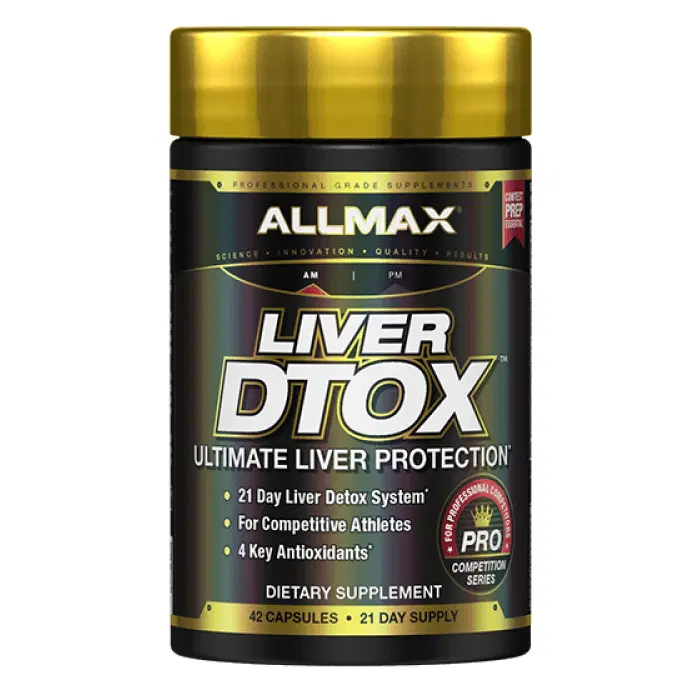
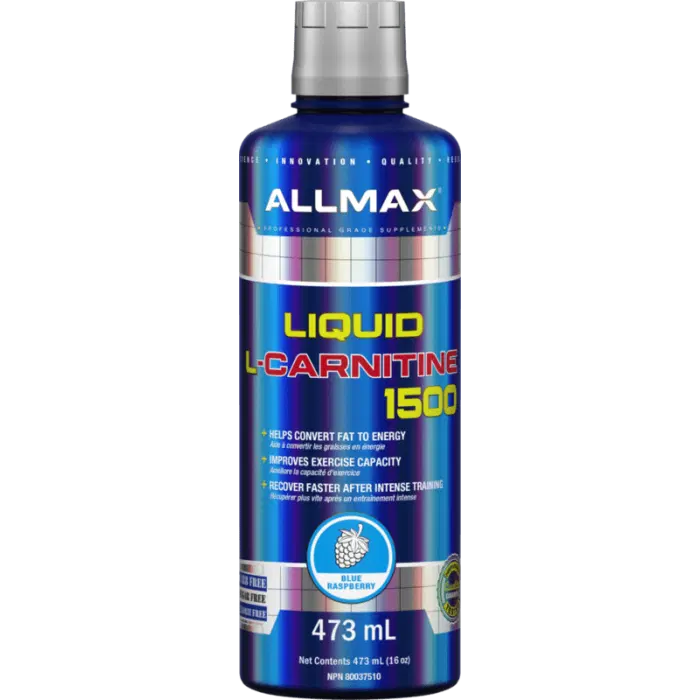
Recommended products

Frequently asked questions
What exactly is Non-Alcoholic Fatty Liver Disease (NAFLD)?
NAFLD is a condition where excess fat builds up in the liver in people who consume little or no alcohol. It can range from simple fat accumulation to inflammation and damage of liver cells, which can subsequently lead to more serious liver problems.
What are the main mechanisms by which nutrition works for NAFLD?
Nutrition for NAFLD works by reducing liver fat, improving insulin sensitivity, and reducing inflammation. Achieving an energy deficit, controlling carbohydrate intake (especially simple sugars and fructose), and increasing fiber are key.
Why is proper nutrition for NAFLD important for athletes?
The liver plays a central role in energy metabolism and recovery, so a healthy liver is essential for athletic performance. NAFLD can compromise energy levels and slow down post-workout recovery.
What specific nutritional recommendations are there for athletes with NAFLD?
A protein intake in the range of 1.6-2.2 g/kg of body weight is recommended to maintain muscle mass and satiety. Adequate intake of omega-3 fatty acids is also important for reducing inflammation and improving insulin sensitivity.