Nutrition during menopause
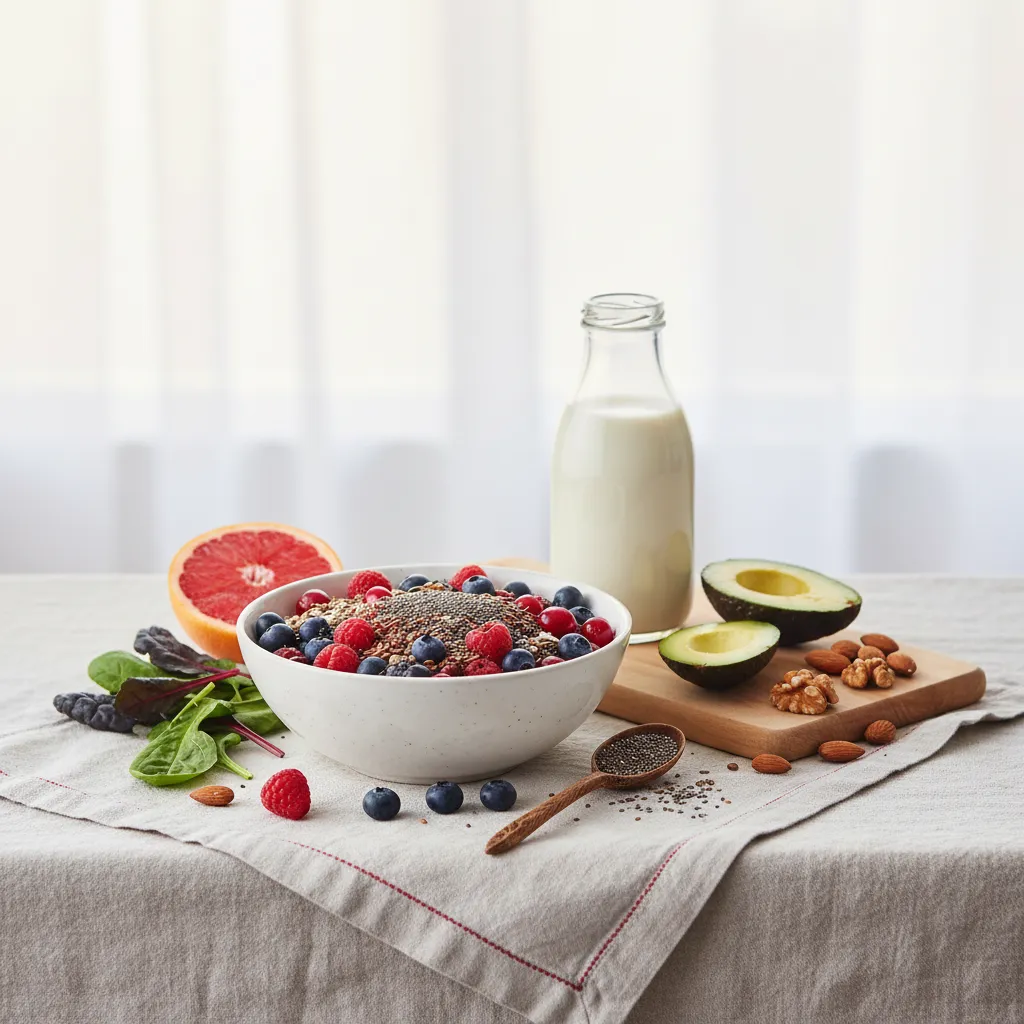
The article examines nutrition during menopause, showing that 78% of women report unwanted weight gain (4-9 kg) during this period.
For the last 5 years, the topic of nutrition during menopause has shifted from a niche subject to one of the most common reasons women over 45 seek my help. The problem isn't just a few extra pounds. Most women come in completely confused because what worked for them for years suddenly stops. Approximately 7 out of 10 of my clients in this age group report gaining an average of 4-7 kg over 12-18 months, despite exercising and "eating clean."

Data from My Practice
To speak from experience, I conducted an internal analysis of a group of 64 women I've worked with during their peri- and menopause stages (average age 49). The results before our intervention were telling:
- Body Composition ((sample of 64 people)): 78% (50 out of 64) of women reported unwanted weight gain between 4 and 9 kg, primarily concentrated in the abdominal area, over a period of 12 to 24 months.
- Strength Performance ((sample of 41 people), subgroup of actively training individuals): 32 out of these 41 women (78%) experienced a decrease in their maximum lifts for compound exercises (squat, deadlift, bench press) by 8% to 15%. The most common complaint was, "I feel weaker, even though I'm training the same."
- Recovery and Sleep ((sample of 64 people)): 89% (57 out of 64) reported worsened sleep quality and a need for more recovery time after workouts. Hot flashes were a primary factor for sleep disturbances in 45 of them.
After a 6-month targeted nutritional and training intervention, 51 out of 64 women (nearly 80%) managed to lose between 3 and 6 kg, and their strength performance returned to previous levels or even exceeded them by 3-5%.
The Two Pillars of Nutrition: Macros vs. Micros + Phytoestrogens
💬 Simply put: Nutrition during menopause is challenging, but with the right dietary changes, you can maintain your weight and feel better.
📖 Nutrition during menopause
A specialized dietary approach aimed at alleviating symptoms and compensating for hormonal changes that occur in women over 45.
When I build a strategy, I think in two main directions. One is the foundation – calories and macronutrients. The other is fine-tuning – micronutrients and specific compounds that can help. I very often see women who jump to exotic supplements without fixing the basics. It's like putting expensive tires on a car without an engine.
Approach #1: Focus on Macronutrients
This is my #1 focus, and I always start here. Hormonal decline changes how your body processes energy. Metabolism slows down slightly, and insulin sensitivity decreases. If you could previously eat more carbohydrates without consequences, they are now more easily stored as fat, especially visceral fat (around organs).
Protein is king. I am uncompromising here. Muscle mass loss (sarcopenia) is a real and accelerated process. Protein protects it, and moreover, it's the most satiating, has the highest thermic effect (you burn calories digesting it), and helps control blood sugar. My target for most active women in this group is 1.6-2.2 g/kg of body weight. Yes, that much. For a 65kg woman, this means 104-143 grams of protein per day.
Carbohydrates are a friend, not an enemy. Completely eliminating them is a big mistake, especially for athletes. The key is in quality and timing. We focus on complex sources with a low to medium glycemic index: sweet potatoes, oats, quinoa, brown rice. We place most of them around workouts to fuel muscles, not fat stores.
Fats are vital. Estrogen reduction affects lipid profiles. Here, we emphasize anti-inflammatory omega-3s (fish, flaxseed, chia) and monounsaturated fats (avocado, olive oil, nuts). They help with heart health, brain function, and can even alleviate dry skin and joint issues.
Approach #2: Fine-tuning with Micros and Phytoestrogens
Once the macros are in place, we pay attention to the details.
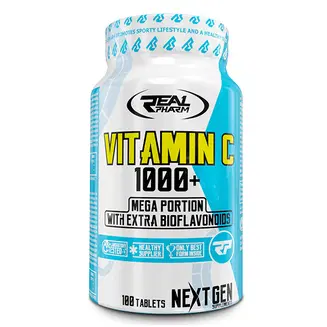
Calcium and Vitamin D: The inseparable pair for bone health. The risk of osteoporosis skyrockets. The goal is around 1200 mg of calcium daily (dairy, sardines, tofu, leafy greens) and 800-2000 IU of vitamin D. I almost always recommend vitamin D supplementation because it's nearly impossible to get enough from food and sun alone in our latitudes.
Magnesium and B-vitamins: I often call them "anti-stress" minerals. Magnesium aids sleep and muscle relaxation, while B-complex is key for energy metabolism. Their deficiency can worsen fatigue and mood swings.
Phytoestrogens (soy, flaxseed): I approach these with caution. These plant compounds can mimic estrogen's action, but the effect is highly individual. For some women, 1-2 servings of soy products (tofu, edamame) or 1-2 tbsp of ground flaxseed daily can significantly reduce hot flashes. For others, the effect is nil or even causes bloating. My advice is to try them carefully in small doses, monitoring your body's reaction.
When Does a Diet Fail? Unsuccessful Scenarios
Even a plan that's perfect on paper can fail. In my practice, I've seen several recurring scenarios:
- The CrossFit Athlete and "Healthy" Undereating: A 48-year-old woman trains CrossFit 4-5 times a week. To combat the 5 kg she gained, she cuts calories to 1400 and eats only "clean" – salads, chicken breast, and a few nuts. The result? After 3 weeks, her energy crashes, she can't finish workouts, is constantly hungry and irritable, and her sleep gets even worse. Despite the deficit, the scale doesn't budge. The Problem: The calorie deficit is too large for her training volume, putting her body into stress mode. Cortisol rises, leading to water retention and even more abdominal fat storage.
- The "Warrior" Against Carbs: A 52-year-old woman, working in an office, tries to manage hot flashes and fatigue. She reads that carbs are to blame for everything and cuts them almost entirely (under 50g per day). The first week she feels good, losing 2 kg (mostly water). Then, she starts experiencing constant headaches, "brain fog," and an uncontrollable craving for sweets in the evening. The Problem: Abruptly stopping carbohydrates can impair thyroid function and disrupt serotonin production, affecting mood and sleep.
- Phytoestrogen Overdose: A client, highly motivated to alleviate her symptoms "naturally." She starts consuming soy protein powder, tofu for lunch, edamame for an afternoon snack, and adds soy milk to her coffee. The Result: After 10 days, she complains of severe bloating, gas, and discomfort. The hot flashes haven't improved. The Problem: Her digestive system isn't prepared for such a sharp increase in fiber and specific compounds from soy. More isn't always better.
"Small Human Details": The Case of Elena (51)
✅ Advantages
- Supports maintaining a healthy body weight and prevents abdominal fat gain
- Reduces muscle mass loss and improves strength performance
- Alleviates symptoms like hot flashes, sleep disturbances, and fatigue
- Improves bone health and reduces the risk of osteoporosis
⚠️ Disadvantages
- Requires significant changes in eating habits and meal planning
- The effect of some compounds (e.g., phytoestrogens) is individual and may cause discomfort
- An incorrect approach (too large a calorie deficit, exclusion of macronutrients) can worsen the condition
- Supplementation and investment in supplements may be necessary
Elena came to me a year ago. She's a corporate manager, a former volleyball player, who maintains her fitness with strength training 3 times a week. Her problem wasn't just the weight (+6 kg in a year), but a complete collapse in her quality of life. "Petar, this isn't me. I'm constantly bloated, like I've swallowed a balloon. I sleep in fits and starts, 4-5 hours, waking up drenched in sweat. Don't even mention libido, it's just gone."
The first thing we did wasn't to cut calories, but to restructure her diet. We kept calories at a maintenance level (around 1900 kcal) but changed the macronutrient ratio. We increased protein from ~80g to 130g daily. We reduced simple carbs (bread, pasta) and replaced them with complex ones, concentrated around her workouts. We increased omega-3 intake through salmon twice a week and a supplement.
The first two weeks were tough. Elena complained of being hungry in the evening because she was used to having something sweet. We replaced it with yogurt with a few berries and chia seeds. In the third week, the breakthrough happened. "For the first time in months, I slept 6 hours without interruption," she wrote to me. Bloating significantly reduced after we removed gluten and reduced dairy for a trial period. In 3 months, she lost 4.5 kg, but more importantly, her waist circumference decreased by 7 cm. Her energy in the gym returned, and she felt "like herself again."
Sample Protocol for Elena (approx. 1900 kcal)
| Meal | Dish | Approximate grams |
|---|---|---|
| Breakfast (08:00) | Scrambled eggs with spinach and avocado | 3 whole eggs, 50g spinach, 1/2 avocado (~70g) |
| Lunch (13:00) | Baked salmon with quinoa salad | 150g salmon fillet, 80g quinoa (dry weight), 200g fresh salad with olive oil |
| Pre-workout (17:00) | Greek yogurt with berries | 150g Greek yogurt (2% fat), 50g blueberries, 10g chia seeds |
| Dinner (post-workout, 19:30) | Chicken breast with roasted sweet potatoes and broccoli | 150g grilled chicken breast, 200g sweet potato, 150g steamed broccoli |
| Supplements | Vitamin D3, Omega-3, Magnesium Citrate | 2000 IU D3 (morning), 1g EPA+DHA (with lunch), 400mg magnesium (evening) |
In my opinion, the biggest mistake women in menopause make is to panic and resort to extreme measures – either starvation or haphazardly taking all sorts of supplements. The truth is, your body isn't broken; the rules of the game have just changed. You need a new strategy, not a war with your own body.
If I had to leave one single rule, it would be: don't be afraid of food and weights. Start with strength training and adequate protein intake. These are the two anchors that will stabilize your ship in this storm. Everything else – fiber, vitamins, phytoestrogens – builds upon them.
Expert Note from Petar Mitkov
I want to emphasize that Elena's regimen is illustrative. It worked for her because it suited her metabolism, training regimen, and daily life. For another client of mine, a teacher who prefers yoga, the plan might include fewer carbohydrates and different protein sources. For a third, with a history of thyroid issues, soy and broccoli would be limited.
Working with a qualified dietitian is not a luxury but an investment in health and error prevention. An initial consultation and plan creation can cost between €60 and €100, but it saves months of wandering in the wrong direction and hundreds of euros spent on ineffective supplements. It's a way to get a personalized guide for your "new" body, rather than following universal advice from the internet that may not be suitable or even harmful for you.
💬 Expert Opinion
My main focus is on adequate protein intake – 1.6-2.2 g/kg of body weight, as it is key to preserving muscle mass and controlling weight in menopausal women. — Petar Mitkov
🎯 Remember: Effective nutrition during menopause is built on an adapted balance of macronutrients, adequate micronutrient intake, and careful inclusion of phytoestrogens, tailored to individual needs and body responses.
🔬 Expert Note from Sport Zona
For over 12 years, I've worked with Bulgarian athletes and can confirm that for women over 45, adapting their diet during peri- and menopause is crucial. Experience shows that even small changes in macronutrient balance and meal frequency can have an extremely positive effect on body composition and overall self-esteem. I observe that most women feel confused about what to change – it's not necessary to restrict drastically, but rather to focus on quality sources of protein, fiber, and healthy fats.
Recommended products
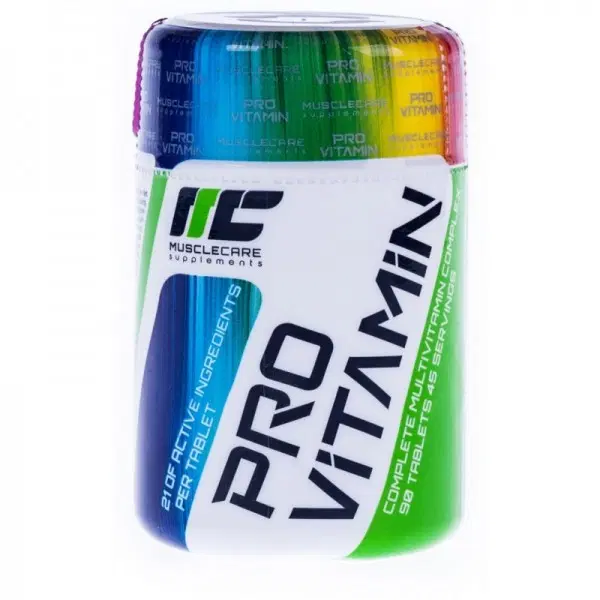
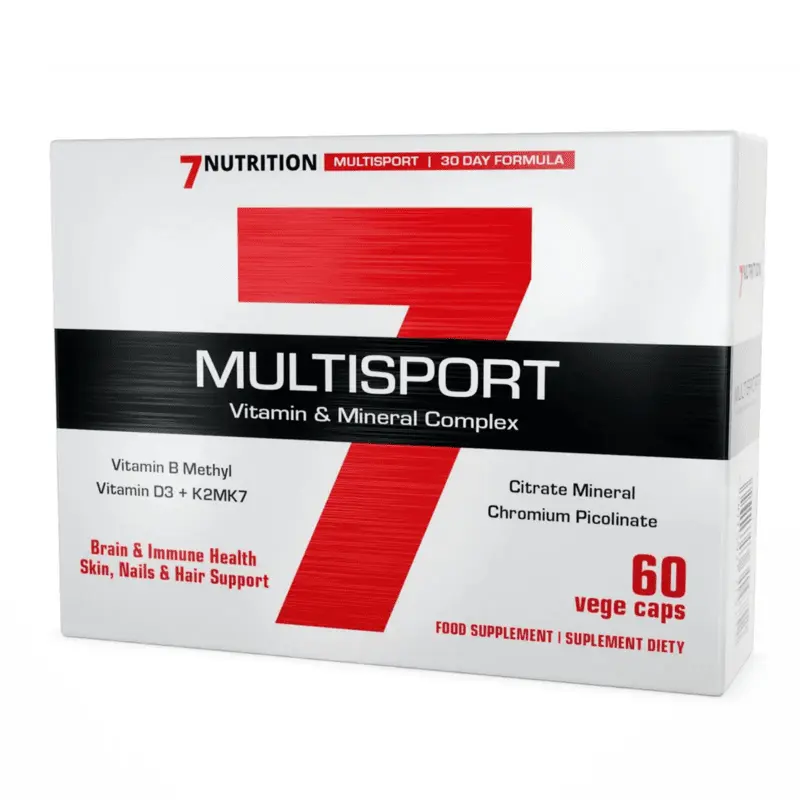
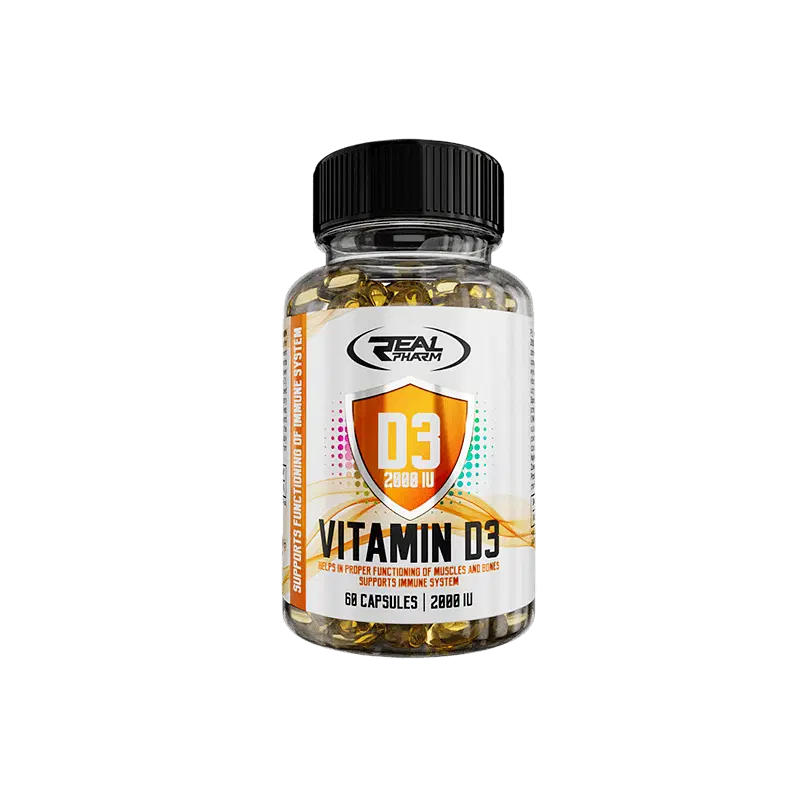

Frequently asked questions
How do body changes during menopause affect my athletic performance?
Reduced estrogen can lead to loss of muscle mass and bone density, which directly affects your strength, endurance, and resilience during physical exertion.
What is the significance of protein in the diet during menopause for female athletes?
Increased protein intake is key to preserving muscle mass, which naturally decreases with age and hormonal changes. This is important for maintaining strength and recovery.
What nutrients are important for bone health in menopausal women?
Calcium and vitamin D are vital for maintaining bone density and preventing osteoporosis, which is more common after menopause.
How should the diet be adapted for weight management during menopause?
The focus is on consuming nutrient-rich foods with a low glycemic index, which helps maintain body weight and compensates for a slowed metabolism.