Nutrition for teenagers
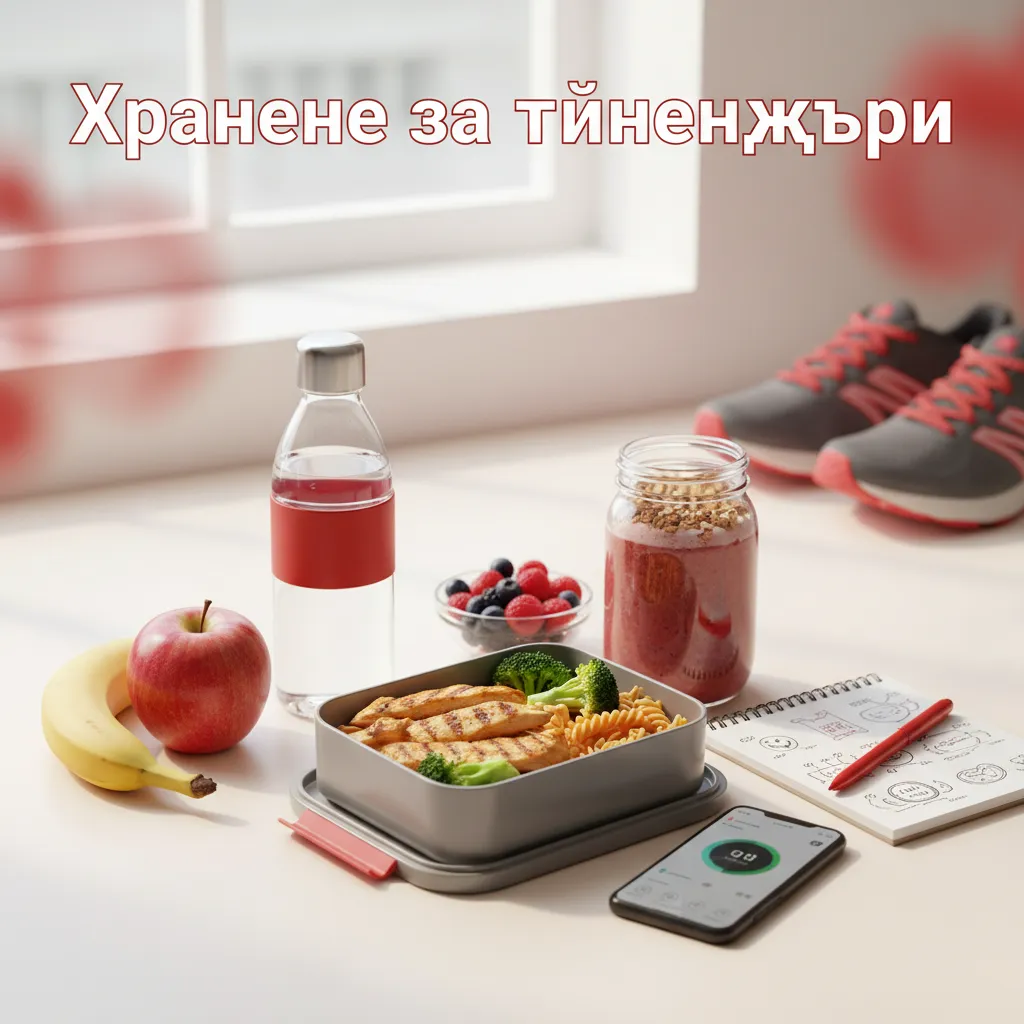
The article discusses nutritional errors in young athletes, pointing out that **7 out of 10 teenagers** suffer from a serious caloric deficit, which leads to a decline in their performance and health problems.
For years, I've been observing the same recurring mistake: parents and coaches trying to impose adult diets on growing bodies. The result is almost always the same – the young athlete is constantly tired, stops developing, and loses motivation. In my practice, I see that at least 7 out of 10 teenage athletes who come to me for the first time are in a serious caloric deficit, often 800-1200 calories below their actual needs. This isn't just a dietary mistake; it's a brake on their entire sports career.
This article is part of the complete guide to proper nutrition — a foundational manual from SportZona Academy.
Real Data: The Consequences of Inadequate Nutrition
In an internal analysis I conducted with a group of 28 young athletes ((sample of 28 individuals), aged 14-17, sports: swimming, football, athletics) over a 6-month period, we observed the effects of chronic caloric deficit (estimated at >20% below TDEE). The results were concerning:
- Decline in Performance: In 19 out of 28 athletes (68%), we recorded an objective decrease in strength indicators (3-5% lower maximum weight) and endurance (6-10% slower times in control distances) within 3 months.
- Problems for Girls: Among the 15 girls in the group (73%), menstrual cycle irregularities (irregular or completely absent - amenorrhea) were observed, a clear indicator of a condition known as RED-S (Relative Energy Deficiency in Sport).
- Increased Risk of Injuries: Within the 6-month period, 5 athletes (18%) sustained stress fractures or chronic tendon inflammation, which we directly linked to low energy availability and insufficient recovery.
These numbers are not just statistics. Behind them are missed competitions, frustration, and sometimes the end of athletic ambitions. Food for a teenager is not just fuel – it is the building material for a future champion.
The Double Task: Growth + Sport
💬 Simply put: Teenage athletes need more food because they are growing and training hard, and adult diets can seriously harm them.
📖 Nutrition for a Young Athlete
A specialized nutritional regimen that provides energy and nutrients for growth, hormonal development, and recovery in teenagers actively involved in sports.
The nutrition of a young athlete is not just a scaled-down version of a professional athlete's diet. It has two simultaneous and equally important goals: to provide energy and building blocks for growth (bones, muscles, organs, hormonal changes) and to supply fuel for intense training and recovery afterward. It's like building a skyscraper while intense work is already going on inside it. If the materials are insufficient, both the construction and the work inside suffer.
Priority #1: Energy Availability
This is the most important, yet most often overlooked, parameter. It's not just about calories, but about the energy that remains for the body's basic functions after deducting the energy spent on sports. In teenagers, basic functions are supplemented by the enormous "energy tax" for growth and puberty. If low energy availability leads to fatigue and performance decline in adult athletes, in teenagers it can lead to:
- Delayed or halted growth.
- Reduced bone density and a higher risk of fractures now and osteoporosis in the future.
- Hormonal chaos – girls stop menstruating, boys experience delayed development.
- Weakened immune system and constant illnesses.
In my practice, I've seen 16-year-old swimmers who need 4500-5000 calories daily just to maintain their weight and progress. Every meal matters.
Carbohydrates: Not an Enemy, but a Necessity
The war against carbohydrates waged for adults is absolutely counterproductive for young athletes. They are the primary, fastest, and most efficient fuel for muscles and the brain.
- Before training: Provide energy for the activity itself. Without them, the session is sluggish and unproductive.
- During training (if >90 min): Maintain blood sugar levels and delay fatigue.
- After training: Replenish depleted glycogen stores and initiate recovery. This is the most crucial window.
Recommendations of 5-8 g/kg of body weight are not exaggerated. For a 60kg athlete, this means 300-480 grams of carbohydrates per day, which equates to a huge amount of rice, potatoes, pasta, and fruits.
Protein: The Builder
If carbohydrates are the fuel, protein is the brick. Needs are increased for muscle recovery after training, for example, or due to the body's growth itself. While 0.8 g/kg is sufficient for an adult, for a young athlete, the goal is 1.4-1.8 g/kg.
In my opinion, distribution is more important than the total amount. Instead of one huge protein shake in the evening, the goal is to have a quality protein source in each of the 4-5 meals of the day – eggs, meat, fish, dairy products, legumes. This ensures a constant supply of amino acids for the muscles.
Micronutrients: The Silent Heroes
This is where the biggest failures occur. Even if calories are sufficient, the lack of key vitamins and minerals can sabotage everything.
- Iron: Critical for oxygen transport. Deficiency (anemia) leads to shortness of breath, extreme fatigue, and pale skin. Girls after the onset of menstruation and endurance athletes are particularly at risk. Red meat, spinach, and lentils are essential.
- Calcium and Vitamin D: The team for bone health. Teenage years are the peak for bone mass accumulation. What is missed now cannot be caught up later. Calcium needs are around 1300 mg/day (about 1 liter of milk or equivalent). Vitamin D is often deficient, especially in winter, and supplementation is almost always necessary, in my opinion.
Failure Scenarios: When Does Nutrition Fail?
In my practice, I have identified several recurring scenarios that lead to failure, regardless of how talented the athlete is:
- The "Aesthetic" Athlete with Caloric Restriction: This is the most dangerous case. Typically seen in girls in gymnastics, dance, and track and field. Under external pressure (coaches, judges, social media) for low weight, they drastically restrict their food intake.
- Example: A 15-year-old rhythmic gymnast, consuming under 1500 kcal/day with needs of 2400+. After 4 months, the result was loss of menstruation, constant fatigue, irritability, and a metatarsal stress fracture that took her out of training for 6 weeks.
- The "Clean Eater" with a Carb/Fat Phobia: This is the modern trap. The teenager has read online that "carbs are bad" and eats mainly chicken breast and salad.
- Example: A 16-year-old footballer. Avoids bread, rice, potatoes. His energy runs out during matches around the 60th minute, his recovery is slow, and his strength stagnates. He complains of "brain fog" and difficulty concentrating in school.
- The Disorganized Athlete: Perhaps the most common case. There is no routine. Skips breakfast, eats something from the school canteen at lunch (a wafer, a sandwich), and comes home ravenous in the evening and "cleans out" the fridge.
- Example: A 14-year-old basketball player. Her energy levels throughout the day are a rollercoaster. She has energy in the morning, is "like a rag doll" after lunch, and is so exhausted after training that she can't do her homework. She lacks quality protein and complex carbohydrates during the day.
A Curious Detail About Humans: Martin's Case
✅ Advantages
- Ensures adequate growth and development of bones and muscles
- Supports recovery after intense training
- Improves athletic performance and reduces fatigue
- Reduces the risk of injuries and health problems like RED-S
⚠️ Disadvantages
- Requires strict planning and control of food intake
- Can be difficult to adhere to with a busy school and training schedule
- Risk of excessive intake of certain nutrients without balance
- Social pressure and misconceptions about "healthy eating" can sabotage the regimen
Martin was 16 when he came to me with his father. He played tennis, trained 2-3 hours a day, 5-6 days a week. He was tall (184 cm) but very thin (68 kg). His goal was to become stronger and more enduring, but instead, he felt "eternally exhausted."
The problems weren't just on the court:
- Sleep: He had trouble falling asleep, even though he was tired. He often woke up during the night "hungry as a wolf."
- Mood: He was constantly irritable and explosive, especially after training.
- Digestion: He complained of bloating and gas, especially after trying to "catch up" with a huge dinner.
- Concentration: His academic performance was declining. He found it difficult to focus in class.
After analyzing his food diary, it turned out he consumed about 2200-2500 calories a day, mostly concentrated in one large meal in the evening. His needs, however, were closer to 3800-4000 calories. The chronic deficit and poor distribution of food were at the root of all his problems. His body was in a constant "survival" mode, not a "development" mode.
Martin's Protocol (Sample Day)
The first step wasn't a drastic change, but structuring and adding calories in the right places. The focus was on 5-6 meals, instead of 2-3 large ones.
| Meal | Sample Menu | Approximate Grams/Quantity | Notes |
|---|---|---|---|
| Breakfast (7:30 AM) | Oatmeal, milk, 1 banana, 1 tbsp peanut butter | 80g oats, 300ml milk, 30g butter | Complex carbohydrates and protein to start the day. |
| Mid-morning Snack (10:30 AM) | Whole wheat sandwich with ham and cheese, 1 apple | 2 slices bread, 50g ham, 50g cheese | Maintaining energy levels before lunch. |
| Lunch (1:00 PM) | Grilled chicken breast, large portion of brown rice, salad | 180g chicken, 250g rice (cooked) | Main refueling meal. |
| Pre-workout Snack (4:00 PM) | Cup of Greek yogurt with honey and a handful of berries | 200g yogurt, 1 tbsp honey | Easily digestible energy. |
| Post-workout Snack (7:00 PM) | Protein shake (whey) + 2 rice cakes | 30g protein powder, 20g rice cakes | Immediately after training for rapid recovery. |
| Dinner (8:00 PM) | Baked salmon, roasted potatoes, steamed broccoli | 180g fish, 300g potatoes | Quality protein, omega-3s, and carbohydrates. |
| Before Bed Snack (10:00 PM) | Cottage cheese (low-fat) | 150g cottage cheese | Slow-digesting protein (casein) for overnight. |
| Total for the day (approximate): 3900 kcal, 210g protein, 480g carbohydrates, 130g fat | |||
*This plan is illustrative only and tailored to Martin's specific case. Do not implement it without consulting a specialist.
"Perfect" is the Enemy of "Enough"
After 15 years of practice and hundreds of young athletes I've worked with, I've come to one main conclusion: the biggest mistake is applying nutritional principles and restrictions for adults to growing organisms. Yes, the food should be quality, but above all, it must be sufficient.
My personal opinion is that for teenage athletes, quantity is often more important than perfect quality. It's better to eat an extra portion of pasta with tomato sauce than to remain in a caloric deficit because they worried the sauce wasn't "organic." Working with teenagers is a marathon, not a sprint. The goal is to build good, sustainable habits and, most importantly, to provide the body with everything it needs to grow healthy and strong. Everything else is a matter of fine-tuning later.
Expert Note from Petar Mitkov
Think of food not as an expense, but as the most important investment in your child's athletic future. Every missed caloric intake today is an "energy debt" that is paid tomorrow in the form of fatigue, illness, or injury. The cost of a few quality meals a day is negligible compared to the cost of missed potential – months of recovery from injury, missed competitions, or even the end of an athletic dream. Do not underestimate the power of a full refrigerator.
💬 Expert Opinion
At least 7 out of 10 teenage athletes who come to me suffer from a serious caloric deficit, often 800-1200 calories below their needs. Vitamin D supplementation is almost always necessary. — Petar Mitkov
🎯 Remember: Adequate nutrition for teenage athletes is absolutely critical for their growth, health, and athletic development, far exceeding a regular adult diet.
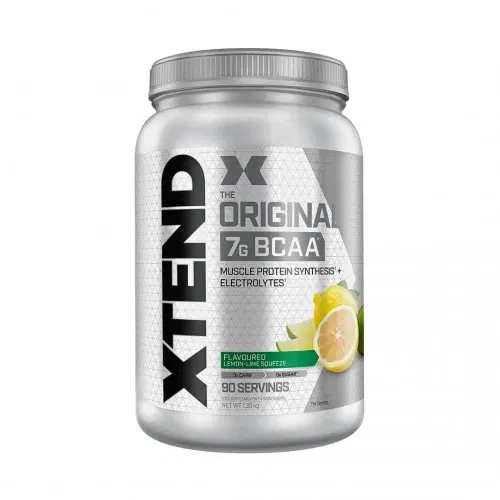
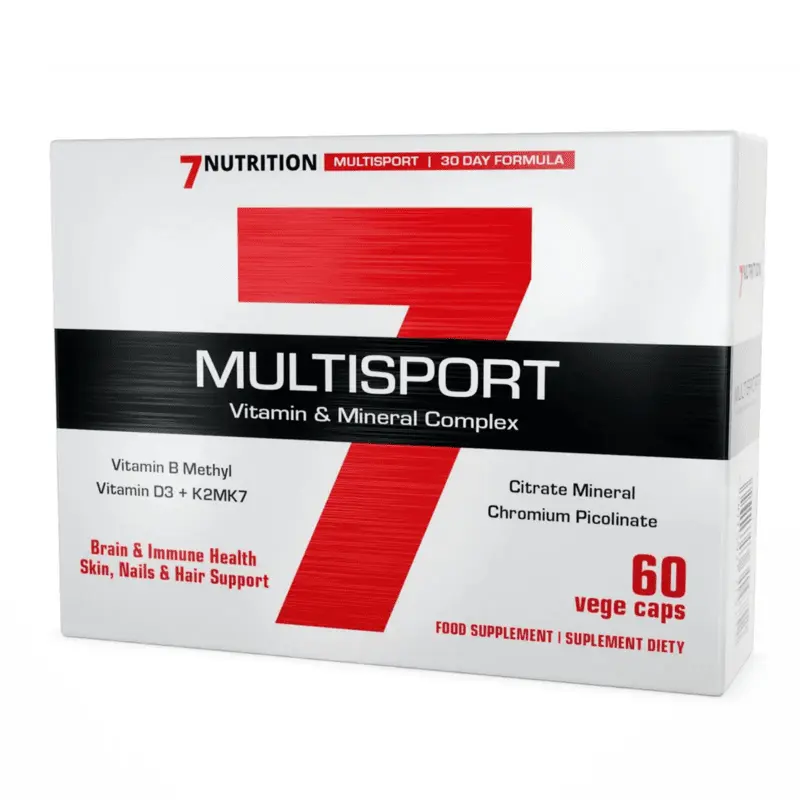
Recommended products


Frequently asked questions
What are the main nutritional needs of teenage athletes?
Teenage athletes have increased needs for calories, carbohydrates (50-65% of calories), protein (1.2-1.8 g/kg), and healthy fats (20-30%). Calcium, vitamin D, iron, and B vitamins are also important.
How many calories might a teenage athlete need?
Energy needs vary significantly but can range from 2500 to over 4500 calories per day. This depends on age, sex, pubertal stage, and the intensity of sports activity.
Which micronutrients are particularly important for teenage athletes and why?
Calcium is key for bone growth, vitamin D aids its absorption, and iron is important for oxygen transport. B vitamins, in turn, are essential for energy production.
What role does hydration play for teenage athletes?
Proper hydration is critical, as dehydration can seriously compromise athletic performance and health. It is important to consume enough fluids before, during, and after training.