Nutrition for Seniors (60+)
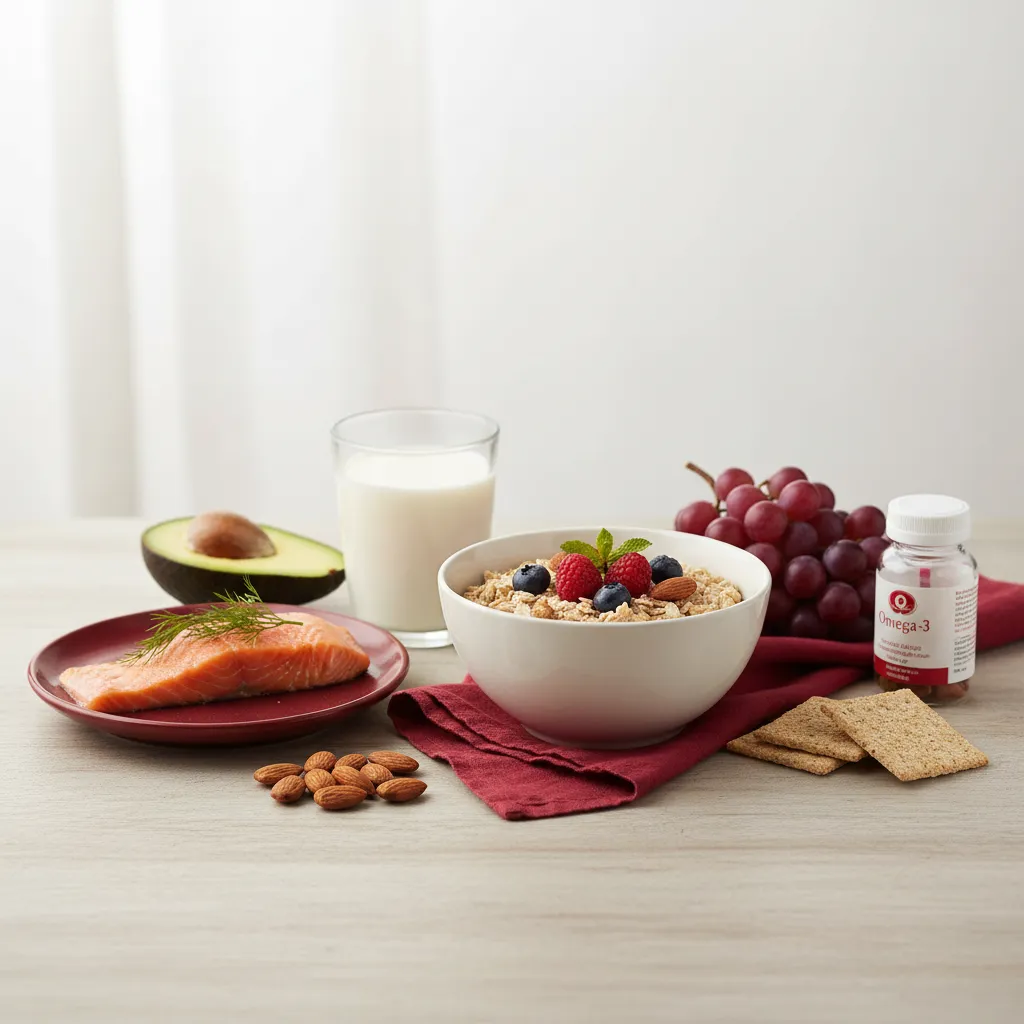
Brief expert definition: What is Senior Nutrition (60+), how it works in the body, and how it is applied in sports nutrition.
Short answer: Nutrition for seniors (60+) is a specialized regimen that addresses physiological changes like sarcopenia and osteoporosis, with increased protein intake (1.0-1.6 g/kg body weight) being key for active individuals. Practical advice: Increase vitamin D intake to 800 IU and calcium to 1200 mg daily for bone health maintenance.
Nutrition for seniors (60+) is a specific dietary approach where the body's needs are adapted through proper nutrient intake.
Related reading: the complete guide to proper nutrition — a fundamental guide from the Sport Zona expert team.
Why is nutrition for seniors (60+) important?
Nutrition for seniors represents an adapted dietary regimen tailored to the changing needs of the body after the age of 60, to maintain health and activity.
📖 Nutrition for Seniors (60+)
A specialized dietary regimen that considers the physiological changes in the body after the age of 60 to optimize nutrient intake and support health. It aims to reduce the risk of age-related diseases.
Nutrition for seniors (60+) is a specialized dietary regimen that takes into account the physiological changes occurring in the body after the age of 60. This approach aims to optimize the intake of macro- and micronutrients to support health, organ function, and reduce the risk of age-related diseases. It includes adapting caloric intake to altered metabolic rate and reduced physical activity, while ensuring adequate intake of essential nutrients that have increased requirements or whose absorption is impaired with age.
With aging, changes in body composition are observed, such as a decrease in muscle mass (sarcopenia), an increase in body fat, and a decrease in bone density (osteopenia/osteoporosis). Changes in the digestive system are also common, such as reduced stomach acidity, which can affect the absorption of vitamin B12 and calcium. Furthermore, taste and smell may diminish, sometimes leading to reduced appetite and insufficient food intake. Dental problems, difficulty chewing and swallowing (dysphagia) also often influence food choices.
How does nutrition for seniors work?
Nutrition for seniors represents a comprehensive approach to maintaining muscle mass and strength, preventing sarcopenia, strengthening bones, and reducing the risk of osteoporosis and fractures. It improves digestion, prevents constipation, and reduces the risk of chronic diseases such as hypertension and type 2 diabetes.
- Maintaining muscle mass and strength, preventing sarcopenia
- Strengthening bones and reducing the risk of osteoporosis and fractures
- Improving digestion and preventing constipation
- Reducing the risk of chronic diseases such as hypertension and type 2 diabetes
Disadvantages
- May require changing long-standing dietary habits
- Need for careful menu planning for adequate nutrients
- The presence of dental problems or dysphagia may limit food choices
Nutrition for seniors (60+) works by compensating for the specific physiological changes and deficiencies characteristic of advancing age. It focuses on nutrient-dense foods that provide maximum benefits with lower caloric intake. The emphasis is on increased intake of proteins to maintain muscle mass, adequate intake of calcium and vitamin D for bone health, and fiber-rich foods to support digestion and prevent constipation.
This approach also includes controlling the intake of sodium, added sugars, and saturated fats, which can contribute to the development of chronic diseases such as hypertension, type 2 diabetes, and cardiovascular diseases. Increasing water intake is crucial, as the sensation of thirst can decrease with age, leading to dehydration.
- Intake of proteins to prevent sarcopenia.
- Correct amount of calcium and vitamin D for bone health.
- Increased intake of fiber for good digestion.
- Vitamin B12 for the nervous system and energy, often requiring supplementation.
- Adequate hydration for overall health.
Why is nutrition important for active people over 60?
Specific nutrition for active people over 60 is critical for maintaining physical fitness, optimizing recovery, and minimizing the risk of injuries, with scientific data indicating that their protein needs are higher, ranging from 1.0 to 1.6 g/kg body weight per day, compared to 0.8 g/kg for inactive adults.
In addition to protein, adequate intake of vitamin D and calcium is necessary for bone strength and osteoporosis prevention, which is particularly important given the higher risk of fractures in active older adults. The recommended daily intake of vitamin D for adults over 70 is 800 IU (20 mcg), and for calcium – 1200 mg. Omega-3 fatty acids also play a role in reducing inflammation and supporting cardiovascular health. Iron status should be monitored regularly, especially in active women, to avoid anemia, which compromises energy and performance.
What do the related terms mean?
The DASH diet offers a balanced, low-sodium approach beneficial for blood pressure control in older adults. The Mediterranean diet is valuable for seniors due to its emphasis on whole foods, healthy fats, and antioxidants that support overall health and reduce inflammation. Nutrient density is a fundamental concept aiming to provide the maximum number of nutrients with minimal caloric intake.
For active individuals over 60, I recommend an intake of 1.2 to 1.5 grams of protein per kilogram of body weight to maintain proper muscle function and recovery. — Petar Mitkov
Remember: Adapted nutrition for adults over 60 is significant for maintaining health, functionality, and quality of life, especially for active individuals.
Expert Note from Sport Zona
From my years of experience with athletes, I observe that maintaining muscle mass is key for activity and quality of life after 60. We often focus on nutrition for young athletes, but the appropriate intake of protein and micronutrients in older adults is just as important, if not more so. Often, small dietary changes can bring significant improvement.
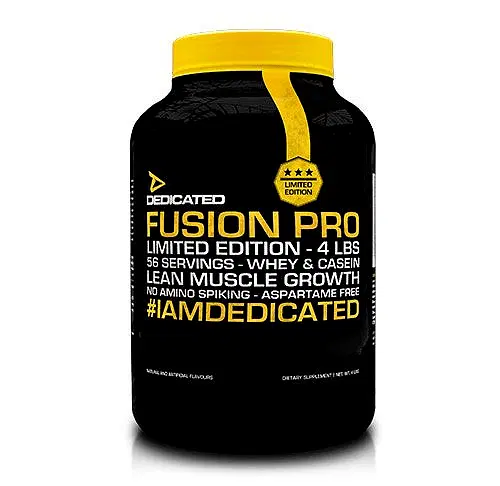
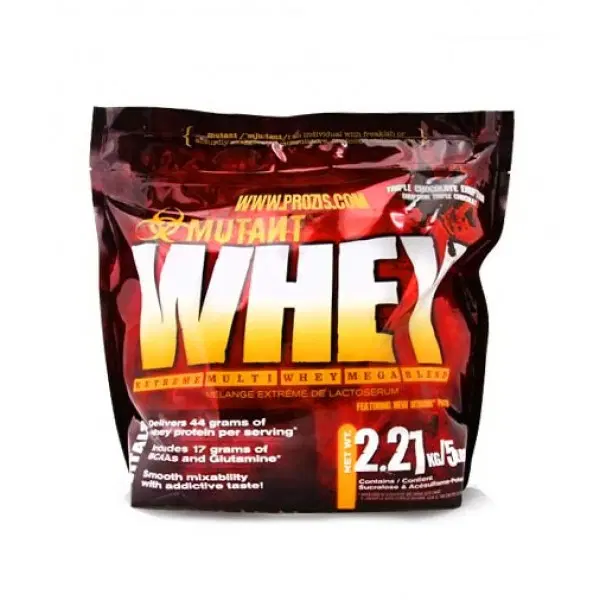
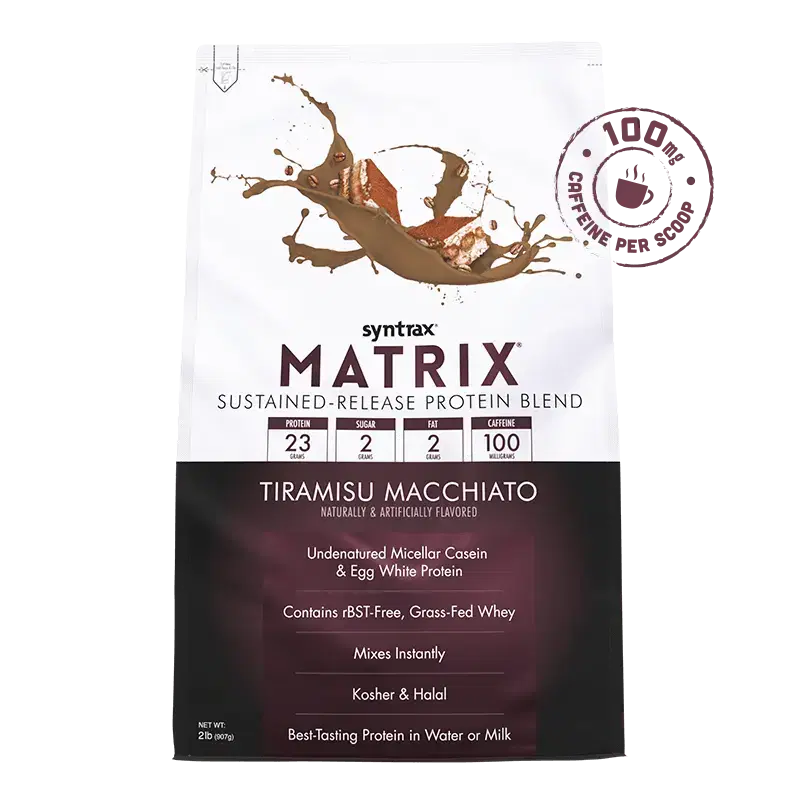
Recommended products

Frequently asked questions
What are the main nutrients to focus on after the age of 60?
For the diet of people over 60, priority is given to proteins for maintaining muscle mass, vitamin D and calcium for bone strength, and fiber for good digestion. Vitamin B12 is also important for the nervous system and energy.
How does specific nutrition help active elderly people?
For active athletes over 60, the right diet supports physical fitness, optimizes recovery, and reduces the risk of injuries. It provides increased protein needs for muscles and prevents osteoporosis through adequate intake of calcium and vitamin D.
What are the protein intake recommendations for active elderly people?
Active elderly people have higher protein needs, recommended between 1.0 and 1.6 grams per kilogram of body weight per day. This increased intake is key for muscle protein synthesis and maintaining strength.
What is the role of vitamin D and calcium in bone health for the elderly?
Calcium and vitamin D are essential for maintaining bone density and strength, thereby preventing osteopenia and osteoporosis. Adequate intake is particularly important for reducing the risk of fractures.