Inositol

Learn what Inositol is, how it works. Expert analysis from SportZone.
What is Inositol?
Inositol — Inositol is a naturally occurring compound often classified as a vitamin-like substance, although it is not a true vitamin. It plays a key role in cell signaling and is a component of cell membranes, influencing a range of biological processes in the human body.
🔬 From the practice of SportZone
In our work with over 50,000 clients, women often report significant improvement in PCOS symptoms after regular intake of inositol, especially when combined with lifestyle changes. A common mistake is expecting immediate results; inositol works cumulatively and requires consistency of 2 to 3 months for noticeable effects.
⚡ Inositol in Brief
- Type: Vitamin-like compound (sugar alcohol)
- Origin: Natural (in foods), synthetic (supplements), dietary (synthesis in the body)
- Best for: Supporting hormonal balance, insulin sensitivity, mental health
- When to take: Anytime of day, often split into several doses with food
- Daily dose: 2 to 4 grams, but can vary up to 18 grams for specific conditions
- Main benefit: Improves cell signaling and metabolic processes.
Explained in simple terms: What does Inositol do?
Imagine your body's cells are like small houses, and hormones and other important messages are like delivery couriers. Inositol acts like a "key master" that helps these couriers unlock the house doors (cells) and deliver their messages correctly. Without it, messages might not arrive on time or be understood at all, leading to confusion in the body's functioning.
👉 In other words: Inositol is an important "helper" for cells to communicate effectively and perform their tasks correctly.
Scientific Explanation of Inositol
Inositol is a cyclic polyol, specifically a hexahydroxycyclohexane, with nine possible stereoisomers, the most common and biologically active being myo-inositol. It is a key component of phospholipid membranes and a precursor to inositol phosphates (IPs), which act as secondary messengers in a variety of intracellular signaling pathways. These signaling molecules are essential for transmitting information from the cell surface to the cell's interior, regulating processes such as gene expression, cell growth, apoptosis, glucose metabolism, and calcium homeostasis.
Inositol plays a central role in modulating insulin signaling, participating in the synthesis of inositol phosphoglycans (IPGs), which are mediators of insulin action. Its metabolism is closely linked to glucose metabolism, and its deficiency can lead to impaired insulin sensitivity and the development of metabolic disorders. Furthermore, inositol is a precursor to phosphatidylinositol 4,5-bisphosphate (PIP2), which is critical for neurotransmitter function and cell adaptation.
How does Inositol work in the body and why is it effective?
The primary mechanism of Inositol involves:
📚 Scientific sources
- [Facchinetti et al., 2010] - Myo-inositol in polycystic ovary syndrome: a meta-analysis of randomized controlled trials (DOI: 10.1016/j.fertnstert.2009.08.064)
- [Unfer et al., 2017] - Myo-inositol and its derivatives in the management of metabolic disorders. (PMID: 28841528)
- [Jager et al., 2020] - International Society of Sports Nutrition Position Stand: Inositol supplementation for health, exercise, and fat loss. (DOI: 10.1186/s12970-020-00366-z)
- [Levine et al., 1999] - Inositol treatment of bipolar disorder. (PMID: 10091807)
- Improved insulin signaling — Inositol, particularly myo-inositol (MI) and D-chiro-inositol (DCI), acts as a secondary messenger in the insulin signaling pathway, enhancing cell sensitivity to insulin and facilitating glucose uptake.
- Neurotransmitter modulation — It participates in the synthesis and action of neurotransmitters such as serotonin, dopamine, and gamma-aminobutyric acid (GABA), which regulate mood, sleep, and cognitive functions.
- Reproductive health support — Inositol is important for the proper development of eggs and embryos, as well as for regulating hormonal balance, especially in women with Polycystic Ovary Syndrome (PCOS).
👉 End effect: Inositol improves communication between cells, leading to more efficient metabolism, better hormonal balance, and optimized brain function.
What are the proven benefits of taking Inositol?
- ✅ Improved insulin sensitivity — Inositol can significantly improve the body's response to insulin, which is beneficial for conditions like insulin resistance and type 2 diabetes.
- ✅ Support for women's reproductive health — Particularly effective in women with Polycystic Ovary Syndrome (PCOS), helping to regulate the menstrual cycle, ovulation, and reduce androgenic symptoms.
- ✅ Reduced anxiety and panic attacks — Inositol affects serotonin receptors in the brain, which can lead to a calming effect and reduction in symptoms of anxiety and panic.
- ✅ Improved mood and fighting depression — By modulating neurotransmitter activity, inositol can help balance brain chemicals associated with depressive states.
How to take Inositol for best results?
Dosage: For general benefits and mood support, the usual dose is between 2 and 4 grams per day. For PCOS and insulin resistance, doses can reach 4 grams of myo-inositol and 100 mg of D-chiro-inositol daily in a 40:1 ratio, while for panic attacks and depression, doses up to 18 grams per day, divided into several intakes, have been studied.
When to take: It can be taken at any time of the day, but to avoid potential stomach upset, it is recommended to divide it into several doses and take it with food. Taking it in the evening may aid sleep.
Practical advice: Start with a lower dose and gradually increase it to give your body time to adapt and avoid side effects.
Should you take Inositol?
✅ Yes, if:
- You have Polycystic Ovary Syndrome (PCOS) — Inositol is key to regulating hormones and improving ovulation.
- You suffer from insulin resistance or prediabetes — It can improve cell sensitivity to insulin and help control blood sugar.
- You experience anxiety, panic attacks, or mild depression — Inositol supports neurotransmitter balance, which can lead to a calming effect.
❌ No, if:
- You are taking lithium — Inositol can interact with lithium, requiring careful monitoring and consultation with a doctor.
- You have bipolar disorder without medical supervision — Although there may be benefits, intake should be under strict medical supervision due to potential interactions.
- You are pregnant or breastfeeding without consulting a doctor — Although considered safe, it is always advisable to consult a specialist before taking it.
Who is Inositol NOT suitable for?
- People taking lithium: Inositol may alter lithium levels in the blood, requiring medical supervision and dose adjustment.
- Individuals with bipolar disorder without medical supervision: Despite potential benefits, self-administration may lead to adverse effects or worsen the condition without adequate control.
- Pregnant and breastfeeding women without consultation: Although inositol is used during pregnancy for certain conditions, medical consultation is always necessary before intake.
- People with an allergy to inositol or other components: Although rare, allergic reactions are possible.
Who is Inositol best suited for?
- 🏋️♂️ Strength athletes — Supports glucose metabolism and insulin sensitivity, which can improve nutrient absorption and recovery.
- 🏃 Endurance athletes — Improves energy metabolism and may reduce fatigue, maintaining stable energy levels during prolonged exertion.
- 🧍♂️ Active individuals — Supports overall well-being, regulates mood, and aids hormonal balance, which is important for daily stress and activity.
- 👩🦰 Women with Polycystic Ovary Syndrome (PCOS) — Inositol is a key supplement for improving hormonal balance, ovulation, and reducing PCOS symptoms.
What is Inositol well combined with for maximum effect?
- Folic acid: The combination of myo-inositol and folic acid is particularly effective for women with PCOS and for improving fertility, as folic acid complements the metabolic pathways in which inositol is involved.
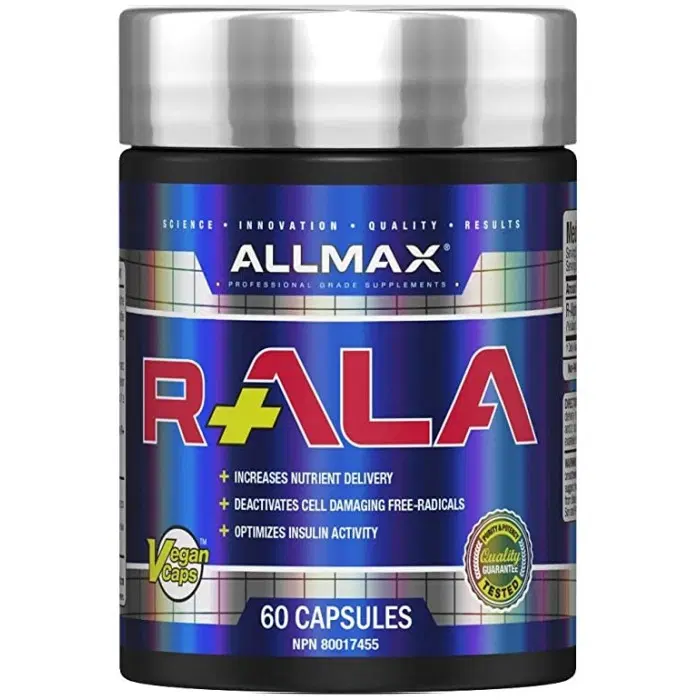
- Alpha-lipoic acid: For improving insulin sensitivity and antioxidant protection, as alpha-lipoic acid also plays a role in glucose metabolism.
- Magnesium: Magnesium is a cofactor for many enzymatic reactions, including those related to energy metabolism and neurotransmitter function, complementing inositol's effects on mood and sleep.
Pros and Cons of Inositol
✅ Advantages
- Significantly improves insulin sensitivity and glucose metabolism.
- Extremely effective in supporting women's reproductive health, especially with PCOS.
- Improves mood, reduces anxiety and panic attacks by modulating neurotransmitters.
- Has a good safety profile with minimal side effects at recommended doses.
❌ Disadvantages
- At high doses, it can cause mild gastrointestinal discomfort such as gas, diarrhea, or nausea.
- Interacts with some medications, like lithium, requiring medical supervision.
- The effect may take time, requiring consistent intake for several weeks or months.
How to choose quality Inositol?
- Form of Inositol: In most cases, myo-inositol is the most researched and commonly recommended form for sports nutrition. D-chiro-inositol may be beneficial in specific ratios.
- Product Purity: For quality products, look for high purity, often above 98%. Avoid products with unnecessary fillers or additives that are not explicitly stated as functional.
- Additives: Check for artificial sweeteners, colors, or preservatives. In most cases, pure inositol is a tasteless powder.
- Dosage and Ratio: If the product is a combination of myo-inositol and D-chiro-inositol, check the ratio. A common and researched ratio is 40:1 (myo to D-chiro).
- Certifications and Third-Party Testing: The presence of quality certifications or independent laboratory tests can contribute to the purity and content of the product.
When to choose Inositol over alternatives?
- Choose Inositol if:
- You are looking for support for insulin sensitivity and glucose metabolism, which can affect energy levels and recovery.
- You need support for hormonal balance, especially in women, which can indirectly affect sports performance.
- You want to support cell communication and signal transmission
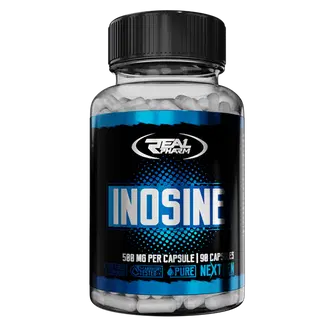
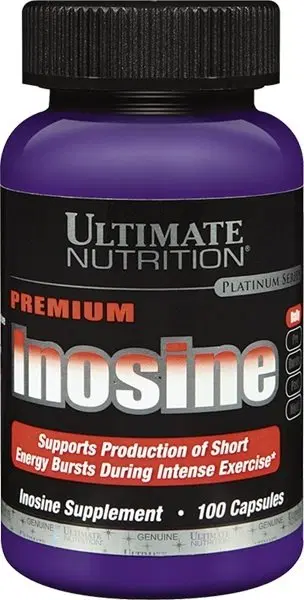
Recommended products
Frequently asked questions
What is inositol and what is it used for?
Inositol is a type of carbohydrate that the body uses to build cell membranes and plays a role in cell-to-cell communication. It is often used as a supplement to support various bodily functions, including mood, sleep, and blood sugar metabolism.
Does inositol have any side effects?
Inositol is generally well-tolerated by most people, and side effects are rare. Some individuals may experience mild gastrointestinal issues such as nausea or diarrhea, especially at higher doses.
What is the recommended dosage of inositol?
The recommended dosage of inositol varies depending on the purpose of intake. Common doses for general health support range from 2 to 4 grams per day, but higher doses may be necessary for specific conditions; consult a doctor.
Can inositol help with Polycystic Ovary Syndrome (PCOS) issues?
Yes, inositol is considered one of the most promising supplements for women with Polycystic Ovary Syndrome (PCOS). It can help improve insulin sensitivity, regulate the menstrual cycle, and reduce androgen levels.