Isoleucine

Learn what Isoleucine is, how it works, what its benefits are, and how to take it correctly. Expert analysis from SportZone.
What is Isoleucine?
Isoleucine — Isoleucine is one of the three branched-chain amino acids (BCAA), playing a key role in protein synthesis and energy metabolism regulation. It is an essential amino acid, meaning the human body cannot produce it on its own and must obtain it through diet or supplements.
🔬 From SportZone's Practice
In our work with over 50,000 clients, we see that isoleucine is often overlooked compared to leucine, but it is essential for balanced recovery. A common mistake is taking BCAAs only during workouts. For optimal results and to maintain blood sugar levels, we recommend taking it in the morning as well, especially during weight loss diets.
⚡ Isoleucine in Brief
- Type: Essential branched-chain amino acid (BCAA)
- Source: Dietary (meat, fish, eggs, dairy products)
- Best for: Muscle recovery and energy
- Timing: Before, during, or after training
- Daily dose: Typically 2-5 grams, as part of total BCAA intake
- Main benefit: Supports protein synthesis and regulates blood sugar.
Explained in Simple Terms: What does Isoleucine do?
Imagine your muscles are like buildings, and amino acids are the bricks. Isoleucine is one of those special bricks that not only helps build and repair the buildings (muscles) but also provides energy for the workers (your body), especially when they are under heavy load.
👉 In other words: Isoleucine is a key building block for muscles and fuel that helps the body withstand physical exertion and recover faster.
Scientific Explanation of Isoleucine
Isoleucine (L-isoleucine) is an α-amino acid with the chemical formula C6H13NO2, characterized by a branched side chain. It is hydrophobic and essential, meaning it cannot be synthesized de novo by the human body and must be obtained through diet. In the context of metabolism, Isoleucine is a glucogenic and ketogenic amino acid, meaning it can be converted into both glucose and ketone bodies.
Molecularly, isoleucine is an isomer of leucine, but with a different arrangement of its branches, which determines its specific biochemical functions. It is critical for protein synthesis, participating in the translation of messenger RNA into proteins. Furthermore, isoleucine plays an important role in regulating blood sugar by stimulating glucose uptake by muscle cells and in hemoglobin synthesis, making it important for oxygen transport.
How does Isoleucine work in the body and why is it effective?
The primary mechanisms of Isoleucine include:
📚 Scientific Sources
- Shimomura, Y., et al. (2010). Branched-chain amino acids in sport: a review. Journal of Nutritional Science and Vitaminology, 56(6), 469-472. (DOI: 10.3177/jnsv.56.469)
- Zhao, C., & Li, R. (2019). Isoleucine: a review of its metabolism and role in the regulation of glucose homeostasis. Amino Acids, 51(12), 1435-1447. (PubMed: 31650393)
- Pedro, A., et al. (2019). The physiological effects of specific amino acids: isoleucine. Current Opinion in Clinical Nutrition and Metabolic Care, 22(1), 77-84. (DOI: 10.1097/MCO.0000000000000531)
- Manders, R.J.F., et al. (2006). The effect of the leucine content of food items on the postprandial muscle protein synthetic response in healthy older men. Journal of Physiology, 574(Pt 1), 223-233. (PubMed: 16574768)
- Stimulating protein synthesis — Isoleucine, along with leucine and valine, is a direct precursor for building muscle proteins, which is fundamental for muscle tissue repair and growth.
- Regulating blood sugar — It improves glucose uptake by muscles, helping to maintain stable blood sugar levels during exercise and prevent hypoglycemia.
- Energy production — Isoleucine can be catabolized into intermediates of the Krebs cycle, providing an alternative energy source, especially during prolonged physical exertion when glycogen stores are low.
👉 End effect: These mechanisms lead to improved muscle recovery, reduced muscle fatigue, and more efficient energy utilization during physical activity.
What are the proven benefits of taking Isoleucine?
- ✅ Supports muscle recovery — By participating in protein synthesis, it accelerates the repair of damaged muscle fibers after intense workouts.
- ✅ Reduces muscle fatigue — It competes with tryptophan for entry into the brain, which can reduce serotonin production and delay central fatigue.
- ✅ Regulates blood sugar levels — It improves insulin sensitivity and supports glucose metabolism, which is important for energy balance.
- ✅ Maintains nitrogen balance — As an essential amino acid, isoleucine is important for maintaining a positive nitrogen balance, an indicator of anabolic processes in the body.
How to take Isoleucine for best results?
Dosage: It is generally recommended to take 2-5 grams of Isoleucine daily, often as part of a BCAA supplement, where the ratio of Leucine:Isoleucine:Valine is 2:1:1 or 4:1:1. The individual dose may vary depending on weight, training intensity, and goals.
When to take: It can be taken before, during, or after training to maintain an anabolic state, reduce muscle breakdown, and speed up recovery. Taking it during training can provide energy and reduce fatigue.
Practical advice: For optimal results, combine isoleucine intake with a balanced diet rich in protein and adequate hydration.
Should you take Isoleucine?
✅ Yes, if:
- You train intensely — Isoleucine supports rapid muscle recovery after strenuous physical exertion.
- You want to reduce muscle fatigue — Taking it can delay the onset of fatigue during prolonged workouts.
- You aim to maintain muscle mass — Especially during a calorie deficit, isoleucine helps protect muscles from breakdown.
❌ No, if:
- You have a balanced diet rich in protein — You are likely getting enough isoleucine from food, and additional intake will not bring significant benefits.
- You have liver or kidney diseases — Additional amino acid intake can burden these organs, and medical consultation is necessary.
- You do not train regularly or intensely — The benefits of the supplement will be minimal without adequate physical activity.
Who is Isoleucine NOT suitable for?
- People with Maple Syrup Urine Disease (MSUD) — They cannot metabolize BCAAs, and their intake can be dangerous.
- Pregnant and breastfeeding women — There is insufficient research on the safety of isoleucine supplementation for these groups.
- People with chronic kidney or liver diseases — Additional amino acid intake can burden these organs.
- Patients taking certain medications — Isoleucine may interact with some drugs that affect blood sugar levels.
Who is Isoleucine best suited for?
- 🏋️♂️ Strength athletes — Improves muscle growth, recovery, and reduces muscle breakdown after heavy workouts.
- 🏃 Endurance athletes — Provides energy during prolonged exertion and reduces muscle fatigue.
- 🧍♂️ Active individuals — Supports overall recovery and energy levels with regular physical activity.
- 🌱 Vegans and vegetarians — Can help ensure adequate intake of essential amino acids, which are often less concentrated in plant-based proteins.
What does Isoleucine combine well with for maximum effect?
- Leucine and Valine (BCAA) — Isoleucine is most effective when taken in combination with the other two BCAAs, as they act synergistically for muscle growth and recovery.
- Creatine — The combination can improve strength, power, and muscle volume, with creatine providing energy and isoleucine supporting recovery.
- Protein powder (whey, casein) — For a complete amino acid profile and optimal muscle recovery and growth, especially after training.
Pros and Cons of Isoleucine
✅ Pros
- Supports muscle protein synthesis.
- Reduces muscle fatigue and accelerates recovery.
- Regulates blood sugar levels.
- Can serve as an energy source during prolonged workouts.
❌ Cons
- Taking it alone, without other BCAAs, may not be optimal.
- High doses can affect the levels of other amino acids.
- Not necessary for people with adequate protein intake.
How to choose quality Isoleucine?
- Protein percentage from the label: In most cases, quality products contain over 80-85% pure protein. Check the total protein content per 100 grams.
- Amino acid profile (especially leucine): Ensure isoleucine is part of a complete amino acid profile. In quality products, the BCAA ratio (leucine:isoleucine:valine) is often 2:1:1 or 3:1:1.
- Indicator z
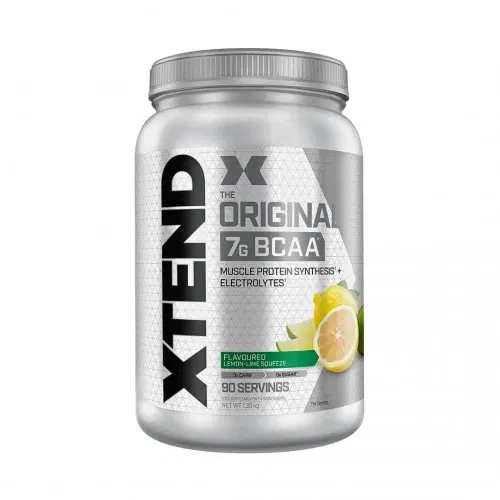
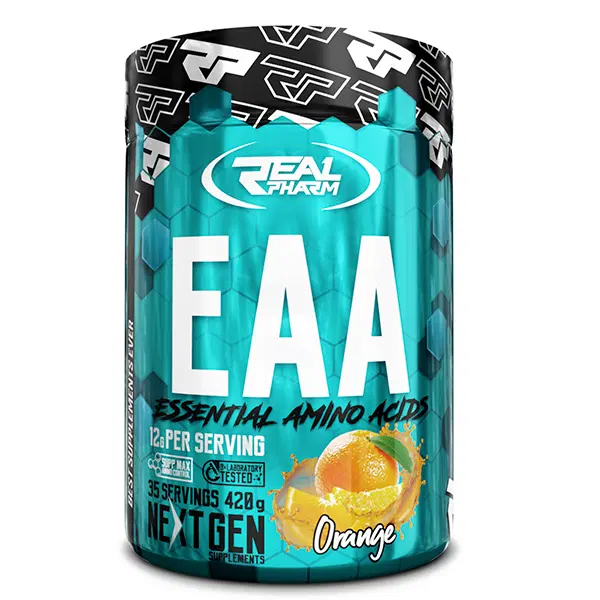
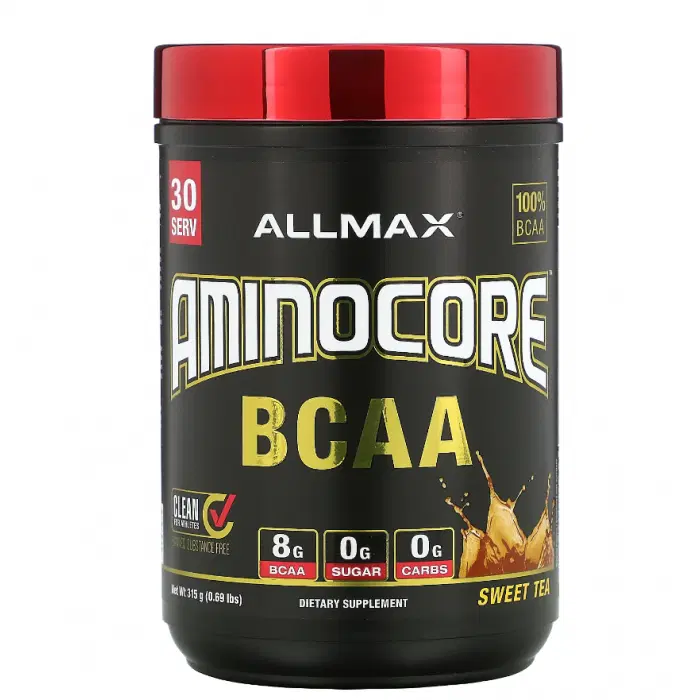
Recommended products
Frequently asked questions
What is isoleucine and what is it used for?
Isoleucine is one of the nine essential amino acids, meaning our body cannot produce it on its own and must obtain it through food. It plays a key role in energy metabolism, helping muscles produce energy and aiding recovery after physical exertion.
In which foods can I find isoleucine?
Isoleucine is found in many protein-rich foods. Good sources include meat, fish, eggs, dairy products, as well as some plant-based foods like legumes, nuts, seeds, and whole grains.
What are the benefits of isoleucine for athletes?
For athletes, isoleucine is particularly important as it supports protein synthesis, which is essential for muscle growth and recovery. It can also help prevent muscle breakdown during intense workouts.
Are there any side effects from taking isoleucine?
Taking isoleucine in recommended amounts through diet usually does not lead to side effects. However, excessive intake of isoleucine supplements may cause digestive issues in some individuals.