Isomaltulose
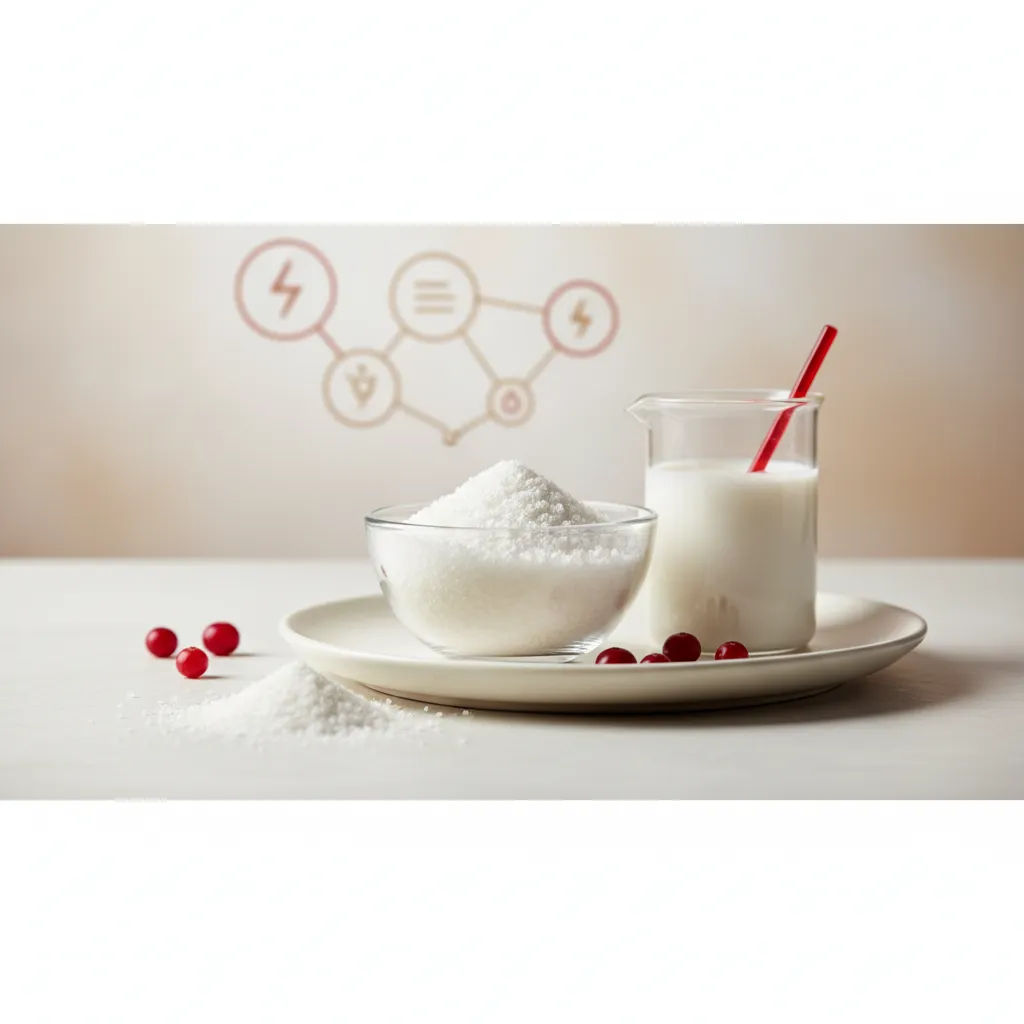
Brief expert definition: What is Isomaltulose, how it works in the body, and how it is applied in sports nutrition.
Short answer: Isomaltulose (Palatinose™) is a slow-digesting carbohydrate with a low glycemic index (GI=32), which provides stable energy without sharp blood sugar spikes and drops, thanks to its unique chemical structure. It promotes more efficient fat burning during exercise. Practical tip: For sustained energy, consume 30-60 grams of isomaltulose 30-45 minutes before endurance training or competitions.
Isomaltulose is a carbohydrate where slow energy release maintains stable blood sugar levels, utilizing a unique chemical structure.
This article is part of the complete guide to proper nutrition — a core guide from the Sport Zona expert team.
What is Isomaltulose?
Isomaltulose is a carbohydrate that gradually releases energy in the body, maintaining stable blood sugar levels for a longer period.
📖 Isomaltulose (Palatinose™)
Isomaltulose is a disaccharide carbohydrate, composed of glucose and fructose, which provides slow and stable energy release through a unique chemical bond, leading to a low glycemic index.
Isomaltulose, also known as Palatinose™, is a disaccharide carbohydrate consisting of one molecule of glucose and one molecule of fructose, linked by a specific alpha-1,6 glycosidic bond. This unique bond distinguishes it from sucrose (regular table sugar), which has an alpha-1,2 bond. The structure of isomaltulose makes it more resistant to enzymatic breakdown in the small intestine, resulting in slower and more gradual absorption.
Naturally found in small amounts in honey and sugarcane, isomaltulose is produced industrially through an enzymatic transglucosylation reaction from sucrose. This results in a white crystalline powder with a sweet taste, approximately half as sweet as sucrose. Its physicochemical properties include high stability in acidic environments and at high temperatures, making it suitable for a range of food applications.
How Does Isomaltulose Work?
Isomaltulose is a carbohydrate that maintains stable blood sugar levels, preventing energy spikes and crashes, thus providing prolonged and sustained energy supply during prolonged exertion.
- Maintains stable blood sugar levels, preventing energy spikes and crashes.
- Provides prolonged and sustained energy supply during prolonged exertion.
- Contributes to more efficient fat burning for energy, sparing muscle glycogen.
- Has a low glycemic index (GI=32), making it suitable for blood sugar management.
Disadvantages
- Not suitable for a quick energy boost when an immediate surge of energy is needed.
- Its cost may be higher compared to regular sugars.
- Further research is needed on its effects on individuals with certain metabolic conditions.
The primary mechanism of action of isomaltulose lies in its slow and complete absorption. Unlike fast-digesting sugars, which are rapidly broken down into glucose and fructose leading to a sharp spike in blood sugar levels, the enzyme sucrase in the small intestine breaks down isomaltulose much more slowly. This results in a gradual release of glucose into the bloodstream.
The gradual rise in glucose elicits a more moderate insulin response. This is crucial, as high insulin spikes can lead to rapid depletion of energy stores and a subsequent drop in blood sugar (hypoglycemia). With isomaltulose, energy is delivered more long-term and stably, which maintains consistent blood sugar levels and reduces the risk of energy crashes during prolonged physical activity. This mechanism also supports more efficient fat utilization for energy, especially at submaximal exercise intensities.
Why is Isomaltulose Important for Athletes?
Isomaltulose is important for athletes because it offers significant benefits such as a low glycemic index (GI = 32) and provides sustained energy release, which is critical for maintaining performance during prolonged training or competitions.
Recommended dosages for athletes vary, but typically 30-60 grams of isomaltulose, dissolved in water or a sports drink, are consumed about 30-45 minutes before exercise or during prolonged exertion. Studies suggest that incorporating isomaltulose into the diet can support increased fat burning during exercise while preserving muscle glycogen for more intense moments. Although there is no official recommended daily intake from organizations like the ISSN specifically for isomaltulose, it is classified as a safe carbohydrate and can be effectively included as part of the total carbohydrate intake, tailored to the athlete's individual needs, typically in the range of 3-10 g/kg body weight per day for athletes with high energy expenditures.
What are the Related Concepts?
Related concepts to isomaltulose include fructose, glycemic index (GI), glycemic load (GL), and sucrose.
I recommend endurance athletes include 30-60 grams of isomaltulose before or during training to optimize energy flow and reduce fatigue. This leads to about 10-15% better concentration maintenance during long efforts. — Petar Mitkov
Remember: Isomaltulose is a slow-release carbohydrate, suitable for maintaining stable performance and reducing fatigue during prolonged physical exertion.
Scientific Sources
Expert Note from Sport Zona
In our extensive experience, we have observed that athletes who incorporate isomaltulose into their training regimen often report more stable energy levels during prolonged exertion. This translates to fewer peaks and troughs in their performance. Therefore, we recommend it as part of an endurance strategy.
Recommended products
Frequently asked questions
What is Isomaltulose and how does it differ from regular sugar?
Isomaltulose is a carbohydrate derived from sugar beet that provides sustained energy release. It differs from regular sugar (sucrose) by its unique chemical bond, which leads to slower breakdown in the body.
How does Isomaltulose affect energy levels and blood sugar in athletes?
Because it is absorbed slowly, Isomaltulose maintains stable blood sugar levels and provides a steady energy supply. This prevents sharp peaks and drops that can lead to fatigue during intense or prolonged exertion.
When is it recommended to take Isomaltulose?
It is recommended to take it about 30-45 minutes before training or during prolonged exertion to provide a stable energy source. Doses typically range between 30-60 grams.
Does Isomaltulose have side effects?
Isomaltulose is considered a safe carbohydrate. With normal intake, like other carbohydrates, it rarely causes serious side effects.