Calcium
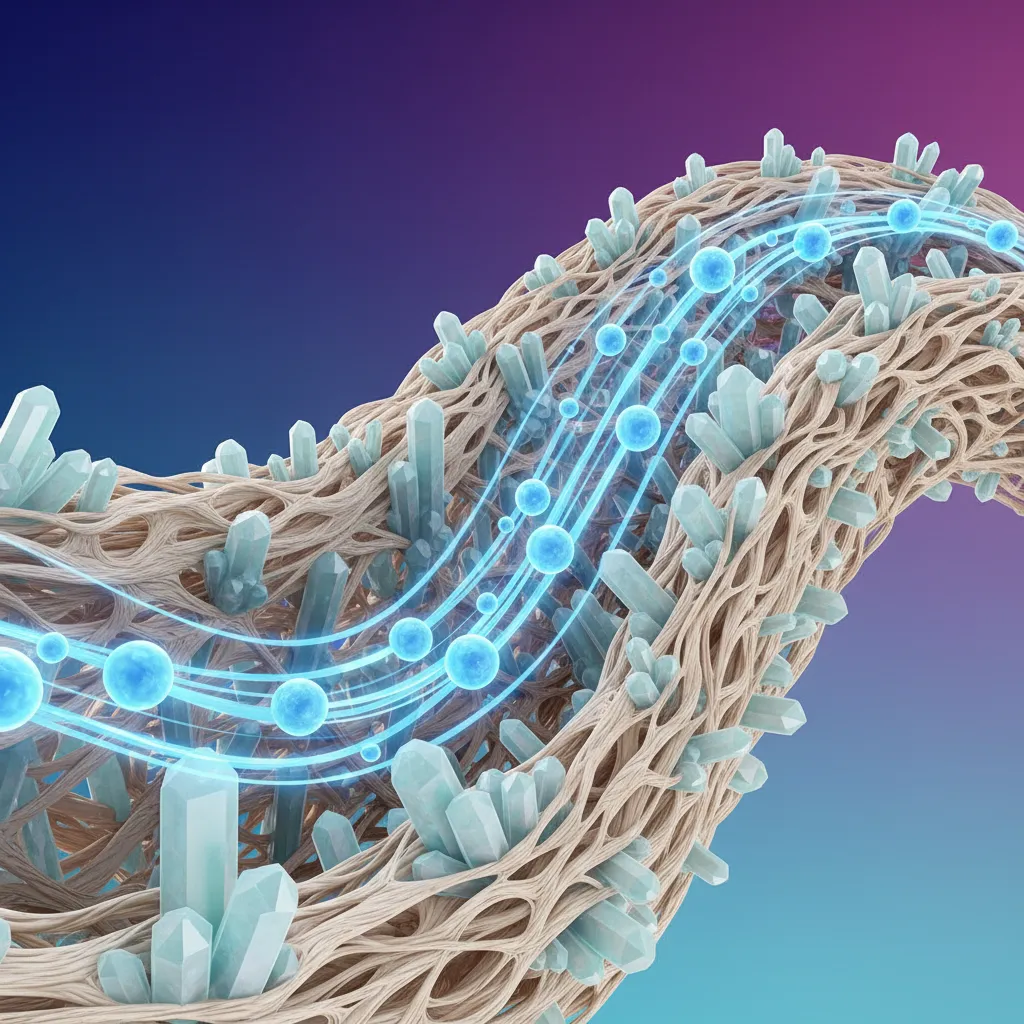
Learn what Calcium is, how it works, its benefits, and how to take it correctly.
What is Calcium?
Calcium — Calcium is an essential mineral that plays a critical role in the health and functioning of the human body, especially for the strength of bones and teeth. It is the most abundant mineral in the body and is essential for numerous vital processes, including muscle contractions, nerve function, and blood clotting.
🔬 From the practice of SportZone
In our work with over 50,000 clients, we often see the role of calcium underestimated, especially in dynamic sports. Athletes who subject their bones to constant stress have an increased need for this mineral for recovery and fracture prevention. A common mistake is to rely solely on dairy products without checking overall vitamin D levels, which are key for absorption.
⚡ Calcium in brief
- Type: Macromineral
- Origin: Dietary, natural
- Best for: Maintaining healthy bones and teeth, optimal muscle and nerve function
- Intake time: Anytime during the day, often with food (for better absorption)
- Daily dose: 1000-1200 mg for adults (may vary)
- Main benefit: Supports the structural integrity of the skeleton and regulates key physiological processes.
Simple explanation: What does Calcium do?
Imagine Calcium as the main building material for your internal "frame" – your bones and teeth. It not only makes them strong and resilient but also acts like a small "switch" for your muscles, helping them contract, and for your nerves, transmitting signals. Without it, your body would literally fall apart, and its systems wouldn't function properly.
👉 In other words: Calcium is the foundation for strong bones and the smooth functioning of all essential systems in the body.
Scientific explanation of Calcium
Calcium (Ca) is a divalent cation and is the most abundant mineral in the human body, comprising approximately 1.5-2% of the total body weight of an adult. About 99% of the total calcium in the body is found in bones and teeth in the form of hydroxyapatite [Ca10(PO4)6(OH)2], providing them with structural strength and serving as a reservoir for the mineral. The remaining 1% is distributed in extracellular fluid, soft tissues, and intracellularly, where it performs critical regulatory functions.
Calcium homeostasis is strictly maintained through a complex endocrine system involving parathyroid hormone (PTH), calcitonin, and the active form of vitamin D (calcitriol). These hormones regulate calcium absorption from the intestines, its reabsorption in the kidneys, and its exchange between bones and blood to maintain serum levels within narrow physiological limits. Ionized calcium (free Ca2+) is the biologically active form involved in cell signaling, muscle contraction, nerve transmission, blood coagulation, and enzyme activation.
How does Calcium work in the body and why is it effective?
The main mechanisms of Calcium include:
📚 Scientific sources
- NIH Office of Dietary Supplements (ODS) - "Calcium Fact Sheet for Health Professionals" (Available at NIH ODS)
- Straub, D. A. (2007). Calcium supplementation in clinical practice: a review of the evidence. Applied Physiology, Nutrition, and Metabolism, 32(5), 834-846. (DOI: 10.1139/h07-063)
- Weaver, C. M., & Fleet, J. C. (2004). Calcium. In M. E. Shils et al. (Eds.), Modern Nutrition in Health and Disease (10th ed., pp. 195-210). Lippincott Williams & Wilkins.
- Ross, A. C., Taylor, C. L., Yaktine, A. L., & Del Valle, H. B. (Eds.). (2011). Dietary Reference Intakes for Calcium and Vitamin D. The National Academies Press. (DOI: 10.17226/13050)
- Structural bone building — Calcium is a primary component of hydroxyapatite crystals that build bone tissue, providing it with hardness and resilience.
- Regulation of muscle contraction — Upon a nerve impulse, calcium ions are released into muscle cells, bind to troponin protein, and initiate the sliding of actin and myosin filaments, leading to muscle shortening.
- Nerve transmission — Calcium ions play a key role in the release of neurotransmitters from presynaptic neurons, thereby ensuring signal transmission between nerve cells.
- Blood clotting — Calcium is a cofactor for several clotting factors, which is of great importance for the formation of a blood clot and the cessation of bleeding.
👉 End effect: Calcium maintains skeletal integrity and can ensure the optimal functioning of vital physiological processes, which is fundamental for overall health and athletic performance.
What are the proven benefits of Calcium intake?
- ✅ Strengthening bones and teeth — Calcium is a primary building block of bone tissue, and regular intake contributes to increased bone density and reduced risk of osteoporosis and fractures.
- ✅ Maintaining optimal muscle function — It is critical for the process of muscle contraction, ensuring efficient movement and preventing muscle spasms and cramps during physical activity.
- ✅ Improving nerve conductivity — Calcium ions are involved in the transmission of nerve impulses, which is key for coordination, reactions, and overall nervous system function.
- ✅ Supporting cardiovascular health — It contributes to regulating blood pressure and maintaining a normal heart rhythm, as it is important for heart muscle contraction.
- ✅ Regulating hormone secretion — It participates in the secretion of various hormones and enzymes that regulate metabolism and other bodily functions.
How to take Calcium for best results?
Dosage: The recommended daily intake for most adults is between 1000 mg and 1200 mg. For athletes and individuals with increased physical activity, needs may be higher, but it is important not to exceed 2500 mg daily from all sources to avoid side effects.
When to take: Calcium is better absorbed when taken in smaller doses throughout the day (e.g., 500-600 mg twice daily) and with food. Taking it with food, especially food containing fats, can improve absorption, particularly when combined with vitamin D.
Practical advice: For maximum absorption, take Calcium in combination with Vitamin D and Magnesium, as they work synergistically.
Should you take Calcium?
✅ Yes, if:
- You have a calcium deficiency in your diet: If you don't consume enough dairy products, green leafy vegetables, or fortified foods, a supplement can fill this gap.
- You are a woman in menopause or have an increased risk of osteoporosis: Calcium is key to maintaining bone density and preventing bone diseases.
- You are an active athlete with high loads: Intense training can increase the need for calcium for muscle function and bone recovery.
❌ No, if:
- You consume a balanced diet rich in calcium: Additional intake may not be necessary and could lead to an excess.
- You have been diagnosed with hypercalcemia: High calcium levels in the blood can be dangerous, and supplementation is contraindicated.
- You suffer from kidney disease or kidney stones: Additional calcium can worsen these conditions, so medical consultation is necessary.
Who is Calcium NOT suitable for?
- People with hypercalcemia: With already high levels of calcium in the blood, additional intake can lead to serious health problems.
- Patients with kidney disease or a history of kidney stones: Excessive calcium can strain the kidneys and increase the risk of stone formation.
- People taking certain medications: Calcium can interact with some antibiotics (tetracyclines, fluoroquinolones), thyroid hormones, and diuretics, reducing their effectiveness.
- Individuals with certain heart conditions: In rare cases, high calcium intake can affect heart function, especially in people predisposed to arrhythmias.
Who is Calcium best for?
- 🏋️♂️ Strength athletes — To maintain healthy bones that are subjected to high stress during heavy training, and for optimal muscle contraction.
- 🏃 Endurance athletes — To prevent stress fractures and muscle cramps, as well as to maintain electrolyte balance during prolonged exertion.
- 🧍♂️ Active people — For overall bone health and muscle function, providing support for daily life and sports activities.
- 🌱 Vegans and vegetarians — They often have limited dietary calcium intake, so supplementation is important to compensate for the deficit.
- 👩🦰 Women in menopause — Due to hormonal changes that lead to reduced bone density, calcium is critical for osteoporosis prevention.
What is Calcium well combined with for maximum effect?
- Vitamin D — It is vital for the effective absorption of calcium in the intestines and its incorporation into bones. Taking them together is highly recommended.
- Magnesium — Works synergistically with calcium to maintain bone density, muscle function, and nerve conductivity, helping to balance calcium levels in cells.
- Vitamin K2 — Directs calcium to the bones and teeth, preventing its deposition in arteries and soft tissues, which is important for cardiovascular health.
Pros and cons of Calcium
✅ Pros
- Key for healthy bones and teeth.
- Supports normal muscle contraction and nerve function.
- Important for blood clotting and hor
Recommended products

Frequently asked questions
Why do I need calcium?
Calcium is a vital mineral for building and maintaining strong bones and teeth. It also plays a key role in muscle function, nerve function, and blood clotting.
How much calcium should I take daily?
The recommended daily intake of calcium varies by age and sex. For most adults, it is around 1000-1200 mg, but it is advisable to consult a doctor for individual needs.
What foods are a good source of calcium?
Dairy products such as milk, cheese, and yogurt are the most well-known sources. Other good sources include leafy green vegetables (spinach, kale), sardines, fortified foods (orange juice, cereals), and some nuts.
Can I have too much calcium?
Yes, excessive calcium intake, especially from supplements, can lead to health problems such as kidney stones and hinder the absorption of other minerals. It is important not to exceed the recommended daily dose.