Carnosine
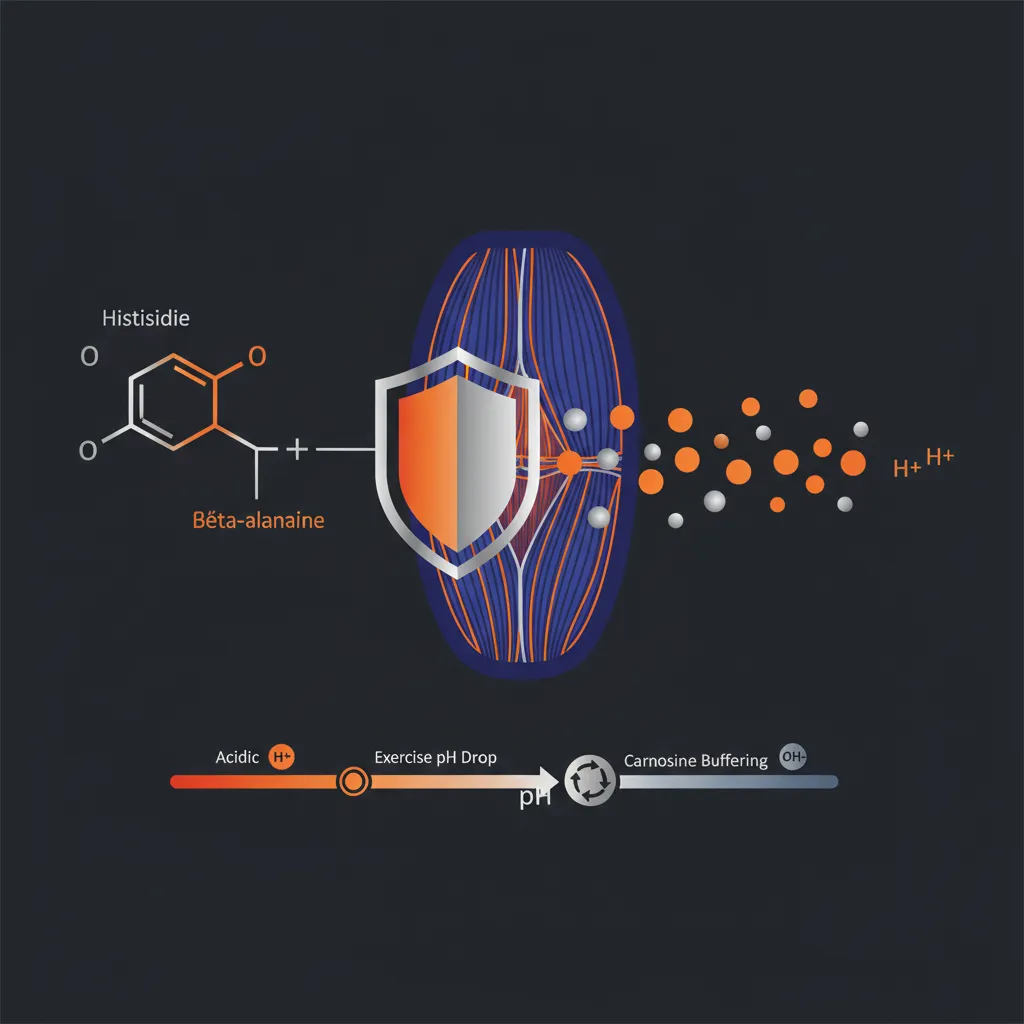
Learn what Carnosine is, how it works, what its benefits are, and how to take it correctly. Expert analysis from SportZone.
What Exactly is Carnosine and What Are Its Main Properties?
Carnosine — Carnosine is a naturally occurring dipeptide composed of two amino acids – beta-alanine and histidine. It plays a key role as a potent antioxidant and pH buffer in muscles and other tissues, supporting cellular defense and optimal body function.
🔬 From SportZone's Experience
In our work with over 50,000 clients, we observe that combining beta-alanine with creatine significantly improves endurance and strength. A common mistake is expecting an immediate effect from carnosine; its accumulation in muscles takes time and requires consistent intake for optimal results.
Carnosine is a naturally occurring dipeptide composed of two amino acids – beta-alanine and histidine. It plays a key role as a potent antioxidant and pH buffer in muscles and other tissues, supporting cellular defense and optimal body function.
⚡ Carnosine in Brief
- Type: Dipeptide (composed of beta-alanine and histidine)
- Origin: Natural (in animal products), synthetic (as a supplement)
- Best For: Antioxidant protection, pH buffering, cellular longevity, neuroprotection
- When to take: Any time of day, usually with food
- Daily Dose: 500-1000 mg when taken directly; when taking beta-alanine, doses of 3.2-6.4 g daily
- Main Benefit: Protects cells from damage and supports optimal physiological function, extending endurance and reducing fatigue.
Explained in Simple Terms: What Does Carnosine Do?
Imagine Carnosine as an elite rapid response team in your body. When cells are attacked by "free radicals" (chemical waste that damages them) or when muscles become too acidic during exercise, Carnosine steps in to neutralize the threat and restore balance. It's like a "fire extinguisher" and "acid neutralizer" all in one.
👉 In other words: Carnosine is a natural protective molecule that shields cells from damage and helps muscles work longer and more effectively.
Scientific Explanation of Carnosine
Carnosine (β-alanyl-L-histidine) is a dipeptide that is highly concentrated in muscle and brain tissue, but also found in the heart, kidneys, and stomach. It is synthesized from the amino acids beta-alanine and L-histidine via the enzyme carnosine synthetase. Its primary function is related to its antioxidant, anti-glycation, and pH-buffering properties.
Molecularly, carnosine exhibits the ability to chelate metal ions such as copper and iron, preventing their involvement in the generation of reactive oxygen species (ROS). It also directly neutralizes free radicals and alpha-beta unsaturated aldehydes formed during lipid oxidative stress. As a buffer, carnosine stabilizes intracellular pH by absorbing hydrogen ions (H+) during intense muscular activity, which delays the onset of muscle fatigue and maintains the contractile function of myofibrils.
What Are The Mechanisms of Action of Carnosine in the Human Body and What is Its Effectiveness?
The main mechanisms of Carnosine include:
📚 Scientific Sources
- Harris, R. C., et al. (2006). "The effect of a carnosine precursor (beta-alanine) on sprint cycling performance." Journal of Medicine & Science in Sports & Exercise. (DOI: 10.1249/01.mss.0000218968.28848.1a)
- Derave, W., et al. (2010). "Beta-alanine supplementation augments muscle carnosine content and attenuates fatigue during repeated bouts of high-intensity exercise." Journal of Applied Physiology. (DOI: 10.1152/japplphysiol.00697.2009)
- Baguet, A., et al. (2009). "Carnosine loading and washout in human skeletal muscles." Journal of Applied Physiology. (DOI: 10.1152/japplphysiol.01188.2008)
- Artioli, G. G., et al. (2010). "Role of β-alanine supplementation on muscle carnosine and exercise performance." Medicine & Science in Sports & Exercise. (DOI: 10.1249/MSS.0b013e3181c74e89)
- pH Buffering — Carnosine absorbs excess hydrogen ions (H+) that accumulate in muscles during intense anaerobic exercise, preventing a sharp drop in pH and delaying muscle fatigue.
- Antioxidant Protection — It directly neutralizes free radicals and reactive oxygen species that damage cells and contribute to aging and inflammation.
- Anti-glycation — Carnosine inhibits the process of glycation (the binding of sugars to proteins), which leads to the formation of advanced glycation end-products (AGEs) associated with aging and degenerative diseases.
- Metal Chelation — It binds and neutralizes toxic heavy metals such as copper and zinc, protecting cells from their damaging effects.
👉 End Effect: These mechanisms lead to improved cellular function, increased endurance, reduced muscle fatigue, and overall protection against oxidative stress and aging.
What Are The Scientifically Proven Benefits of Regular Intake of Carnosine Supplements?
- ✅ Increased Muscle Endurance — By buffering lactic acid, Carnosine delays fatigue and allows for longer and more intense workouts.
- ✅ Cellular Protection — It protects cells from damage caused by free radicals, reducing inflammation and supporting recovery.
- ✅ Brain Function Support — Plays a role in neuroprotection, improving cognitive functions and protecting neurons from oxidative stress.
- ✅ Anti-aging Effect — Reduces the formation of advanced glycation end-products (AGEs), associated with tissue aging and loss of elasticity.
- ✅ Cardiovascular System Support — Contributes to the health of blood vessels and the heart by reducing oxidative stress and inflammation.
What is The Optimal Dosage and Method of Intake of Carnosine for Maximum Results?
Dosage: When taking Carnosine directly, typical doses range from 500 mg to 1000 mg daily. To increase carnosine levels in muscles, it is more effective and cost-efficient to take its precursor beta-alanine at doses of 3.2 g to 6.4 g daily, divided into several intakes to avoid paresthesia (tingling).
When to take: It can be taken at any time of the day, but to avoid discomfort from beta-alanine (if you are taking it to increase carnosine), divide the dose throughout the day, for example, 800 mg every 3-4 hours. Taking it with food may improve absorption and reduce stomach discomfort.
Practical Tip: For maximum muscle saturation with carnosine, consistent daily intake of beta-alanine for 4-12 weeks is more important than the exact timing of intake.
Should You Take Carnosine?
✅ Yes, if:
- You want to improve muscle endurance and reduce fatigue during workouts, as carnosine buffers lactic acid.
- You are seeking powerful antioxidant protection for your cells and support against aging processes.
- You follow a vegetarian or vegan diet and have lower carnosine levels, as it is primarily obtained from meat products.
❌ No, if:
- You already consume large amounts of meat and have adequate carnosine levels, making additional intake unnecessary.
- You have certain medical conditions or are taking medications that you have not discussed with a doctor regarding carnosine compatibility.
- Taking beta-alanine (to increase carnosine) causes you significant and unpleasant paresthesia that you cannot tolerate.
Who is Carnosine NOT suitable for?
- Pregnant and breastfeeding women — There is insufficient research on the safety of carnosine in this group.
- Children and adolescents — There is not enough data to recommend routine intake without medical supervision.
- Individuals with certain medical conditions — For example, in some neurological disorders or autoimmune diseases, consultation with a doctor is necessary before intake.
- Individuals taking certain medications — Interactions are possible, so a consultation with a healthcare professional is essential.
For Which Groups of Athletes and People is Carnosine Most Recommended?
- 🏋️♂️ Strength Athletes — Improves muscle endurance and delays the onset of fatigue during high-intensity training.
- 🏃 Endurance Athletes — Helps maintain optimal pH in muscles, which is crucial for prolonged efforts.
- 🧍♂️ Active Individuals — Supports recovery after physical activity and provides antioxidant protection.
- 🌱 Vegetarians and Vegans — Carnosine levels are lower on these diets, making supplementation with the precursor beta-alanine particularly beneficial.
With Which Other Supplements Can Carnosine Be Combined for a Synergistic Effect?
- Beta-alanine — For maximum increase in muscle carnosine levels, as beta-alanine is its limiting precursor. Take it daily for saturation.
- Creatine — For a synergistic effect on strength, power, and endurance, as creatine provides ATP, and carnosine buffers acidity.
- Nitric Oxide (NO) Boosters (e.g., L-Citrulline) — Carnosine and nitric oxide work together to improve blood circulation and nutrient delivery, with carnosine intelligently managing NO homeostasis.
Advantages and Disadvantages of Carnosine
✅ Advantages
- Potent antioxidant and anti-glycation agent.
- Effective muscle pH buffer, increasing endurance.
- Supports brain function and neuroprotection.
- Potential anti-aging properties.
- Relatively safe at recommended doses.
❌ Disadvantages
- Direct intake is less effective for increasing muscle carnosine compared to beta-alanine.
- May be more expensive than beta-alanine.
- Potential for paresthesia (tingling) when taking high doses of beta-alanine.
How to Choose Quality Carnosine?
- Active Substance Percentage: For quality products, look for a carnosine percentage above 98%. Lower values may indicate the presence of fillers.
- Form of Carnosine: L-carnosine is the most common and well-researched form. Avoid products with D-carnosine or mixed forms unless there's a specific scientific rationale.
- Additives and Fillers: In most cases, avoid products with artificial sweeteners, colors, and unnecessary fillers. Pure carnosine is preferred.
- Certifications and Third-Party Testing: The presence of certificates for purity and absence of banned substances from independent laboratories is a good indicator of quality and safety.
When to Choose Carnosine Over Alternatives?
- Choose Carnosine if:
- The goal is to buffer lactic acid and improve endurance during high-intensity exercise (over 60 seconds).
- You are seeking
Recommended products
Frequently asked questions
What is carnosine and what is it used for?
Carnosine is a dipeptide composed of the amino acids beta-alanine and histidine. It is found naturally in muscles and the brain and is used as a dietary supplement to support athletic performance, slow down aging, and improve brain function.
What are the benefits of taking carnosine?
Carnosine has antioxidant properties that help protect cells from damage. It can also improve muscle endurance, reduce fatigue, and aid in post-workout recovery. Some studies suggest potential benefits for cognitive function and slowing down the aging process.
Are there any side effects to taking carnosine?
Carnosine is generally considered safe at recommended doses. In some individuals, it may cause mild tingling or prickling sensations on the skin, especially at higher doses. These effects are temporary and usually not a cause for concern.
How much carnosine should I take?
The recommended dosage of carnosine may vary depending on the purpose of intake. Common doses range from 500 mg to 1000 mg per day, divided into several servings. It is always a good idea to consult with a doctor or qualified healthcare professional before starting any supplement.