Catabolism
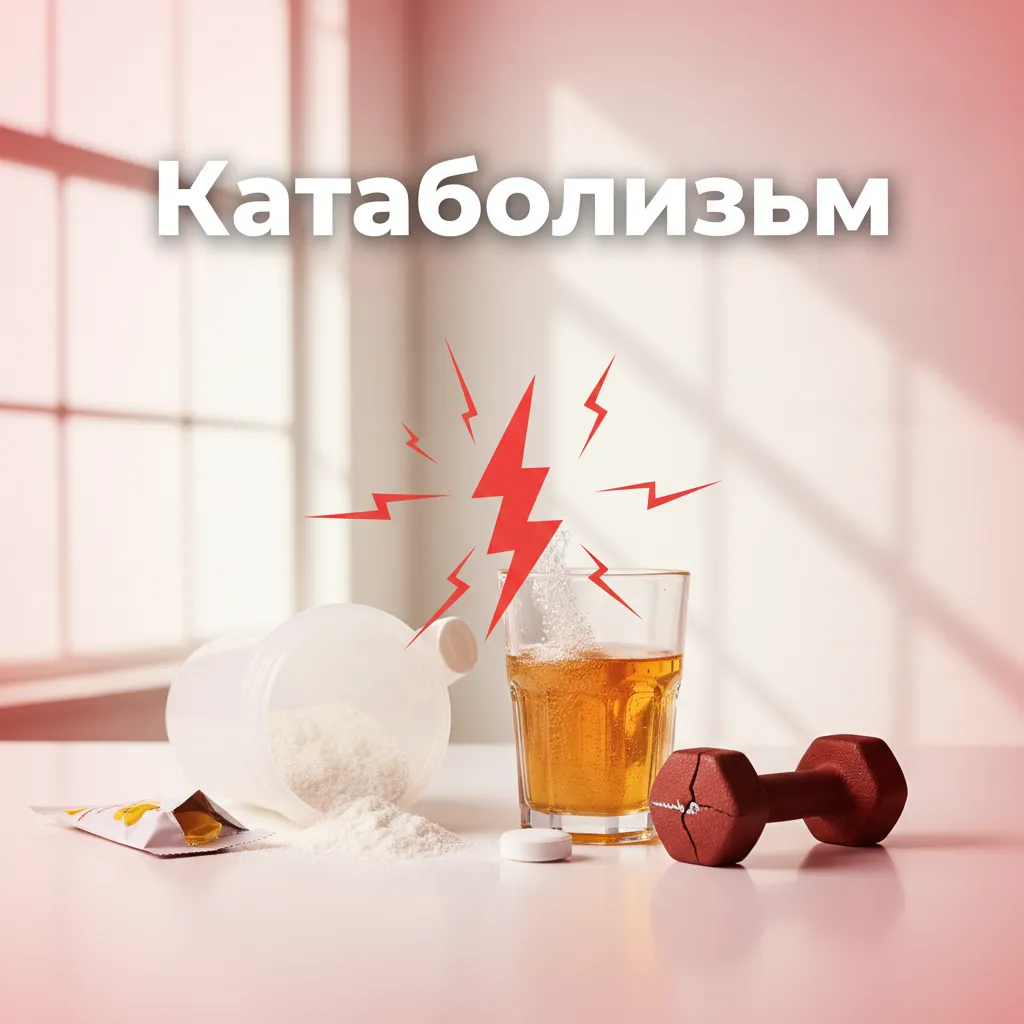
Brief expert definition: What is Catabolism, how it works in the body, and how it is applied in sports nutrition.
Short answer: Catabolism is a natural process of breaking down complex molecules for energy, but in athletes, uncontrolled catabolism leads to muscle mass loss. Practical advice: To minimize muscle breakdown, ensure an intake of 1.6 to 2.2 grams of protein per kilogram of body weight daily.
Catabolism is a metabolic process where complex molecules are broken down into simpler ones, releasing energy for cellular needs.
For broad context, see the complete guide to proper nutrition — a leading guide from the expert team at Sport Zona.
What is Catabolism?
Catabolism is a process where the body breaks down food and substances to obtain energy for all its functions.
📖 Catabolism
Catabolism is a metabolic process where complex molecules are broken down into simpler ones, releasing energy for cellular needs and maintaining vital functions.
Catabolism is one of the two main types of metabolic processes in living organisms, alongside anabolism. It involves chemical reactions that break down large, complex molecules – such as proteins, lipids, and carbohydrates – into smaller, simpler units. The primary goal of catabolism is to release stored chemical energy, which can then be used to support vital functions like cellular growth, recovery, movement, and maintaining body temperature. This process is fundamental for the survival and functioning of every cell.
In the context of nutrition, catabolic processes begin with digestion, where enzymes break down macronutrients into monomers: proteins into amino acids, carbohydrates into monosaccharides (like glucose), and fats into fatty acids and glycerol. These smaller molecules are then absorbed by the body and transported to cells, where they continue to be broken down through various metabolic pathways to generate energy in the form of adenosine triphosphate (ATP). ATP is the main energy currency of the cell.
How Does Catabolism Work?
Catabolism is a process that breaks down complex molecules into simpler ones, releasing energy for vital bodily functions and providing energy during physical activity. It adapts the body during stress or starvation, but excessive breakdown leads to muscle loss and can reduce athletic performance with an unbalanced intake.
- Releases energy for vital bodily functions
- Breaks down nutrients into absorbable components
- Provides energy during physical activity
- Adapts the body during stress or starvation
Disadvantages
- Excessive breakdown leads to muscle loss
- Slows down recovery after exertion
- Can reduce athletic performance with an unbalanced intake
- Associated with stress hormones like cortisol during prolonged exertion
The mechanism of catabolism is complex and involves numerous enzyme-catalyzed reactions occurring in different parts of the cell. For example, the breakdown of glucose begins in the cytoplasm through glycolysis, producing pyruvate and a small amount of ATP. Pyruvate then enters the mitochondria, where through the Krebs cycle and oxidative phosphorylation, a significantly larger amount of ATP is generated. Similar pathways exist for the breakdown of fatty acids (beta-oxidation) and amino acids, which can be converted into intermediate compounds and enter the Krebs cycle for energy production.
Key hormones regulate catabolic processes. For instance, cortisol, known as the "stress hormone," stimulates the breakdown of proteins and fats, especially during starvation or prolonged stress, to provide glucose for the brain and energy for the body. Glucagon, secreted by the pancreas, raises blood sugar levels by stimulating the breakdown of glycogen in the liver (glycogenolysis) and the production of glucose from amino acids and glycerol (gluconeogenesis). Adrenaline can also stimulate catabolic processes in response to short-term stress or physical exertion, providing a rapid influx of energy.
Why is Catabolism Important for Athletes?
For athletes, the balance between catabolism and anabolism is critically important for achieving maximum results and recovery. While moderate catabolism is necessary for energy production during training, excessive and uncontrolled breakdown of tissues, especially muscle proteins, is highly undesirable. Intense and prolonged training, particularly without adequate nutritional intake, can shift the balance towards catabolism, leading to muscle breakdown, delayed recovery, and reduced performance. Studies show that after strenuous workouts, increased breakdown of muscle proteins for energy can occur if sufficient carbohydrates and fats are not available.
To minimize muscle catabolism, athletes must implement an adequate nutritional strategy. This includes ensuring sufficient protein intake – often in the range of 1.6 to 2.2 grams per kilogram of body weight (g/kg BW) for athletes, to maintain and repair muscle tissues. Adequate carbohydrate intake (typically 4-7 g/kg BW, depending on training intensity) is equally important, as they are the preferred energy source and spare protein breakdown. Nutrient intake before, during, and after training, as well as sufficient caloric intake, are key to maintaining a positive energy balance and minimizing catabolic processes, supporting muscle growth and recovery.
What are Related Concepts?
Related concepts are terms closely linked to catabolism that help in better understanding this metabolic process. Anabolism is a counteracting metabolic process where energy is used to build complex molecules from simpler ones. BMR (Basal Metabolic Rate) is the rate at which the body burns calories at rest, a significant portion of which results from catabolic processes. Energy balance is the ratio between energy intake and expenditure, which directly influences the predominant catabolic or anabolic processes. Lipolysis is a specific catabolic process of breaking down triglycerides into fatty acids and glycerol.
For athletes, it is advisable to maintain a daily intake of over 1.6 grams of protein per kilogram of body weight and adequate caloric intake to minimize muscle catabolism. — Petar Mitkov
Remember: The balance between catabolism and anabolism is key for every athlete, with adequate nutritional intake being fundamental for minimizing catabolic losses and supporting recovery.
Scientific Sources
Expert Note from Sport Zona
From my experience with Bulgarian athletes, we often underestimate how easily catabolism can occur with insufficient food intake alongside heavy training. I've seen many good athletes "burn out" or fail to progress because they don't adequately cover their energy needs. Recovery and growth are directly linked to counteracting this process after intense efforts.
Recommended products
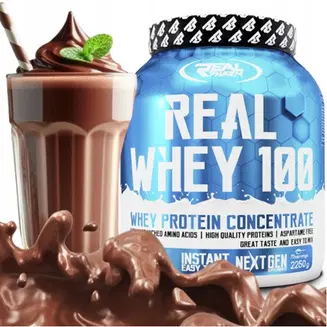
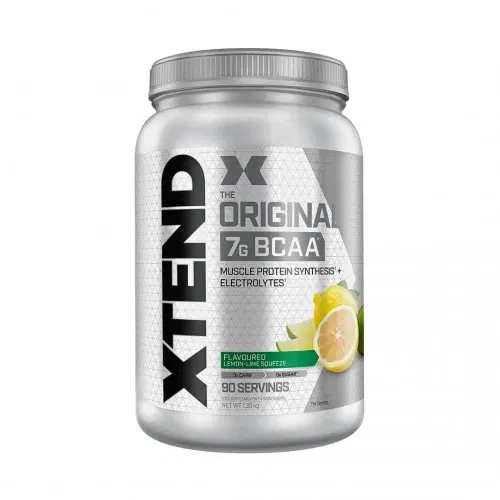
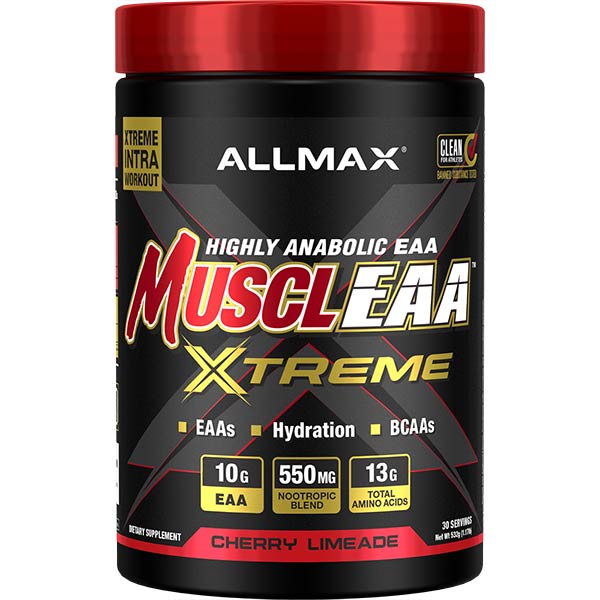
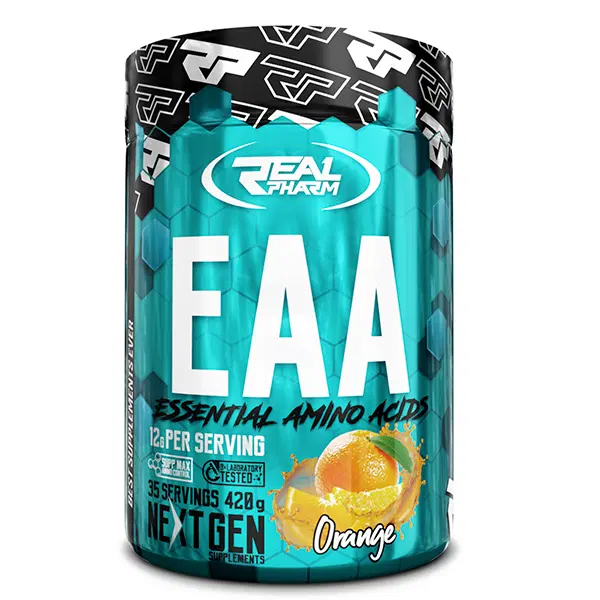
Frequently asked questions
What is catabolism in the body?
Catabolism is a metabolic process where complex nutrients (like proteins, carbohydrates, and fats) are broken down into simpler compounds. This releases energy that the body uses to maintain its basic functions.
Why is catabolism important for athletes?
For athletes, catabolism is necessary to provide energy during training. However, uncontrolled catabolism can lead to muscle mass loss, which reduces performance and slows recovery.
How can unwanted catabolism in athletes be reduced?
To minimize muscle catabolism, athletes should ensure adequate protein intake (1.6-2.2 g/kg body weight) and carbohydrates. Proper nutrition before, during, and after training is key.
Which hormones regulate catabolic processes?
Catabolic processes are regulated by hormones such as cortisol, glucagon, and adrenaline. These hormones help provide a rapid influx of energy, especially during stress or intense physical exertion.