Casein
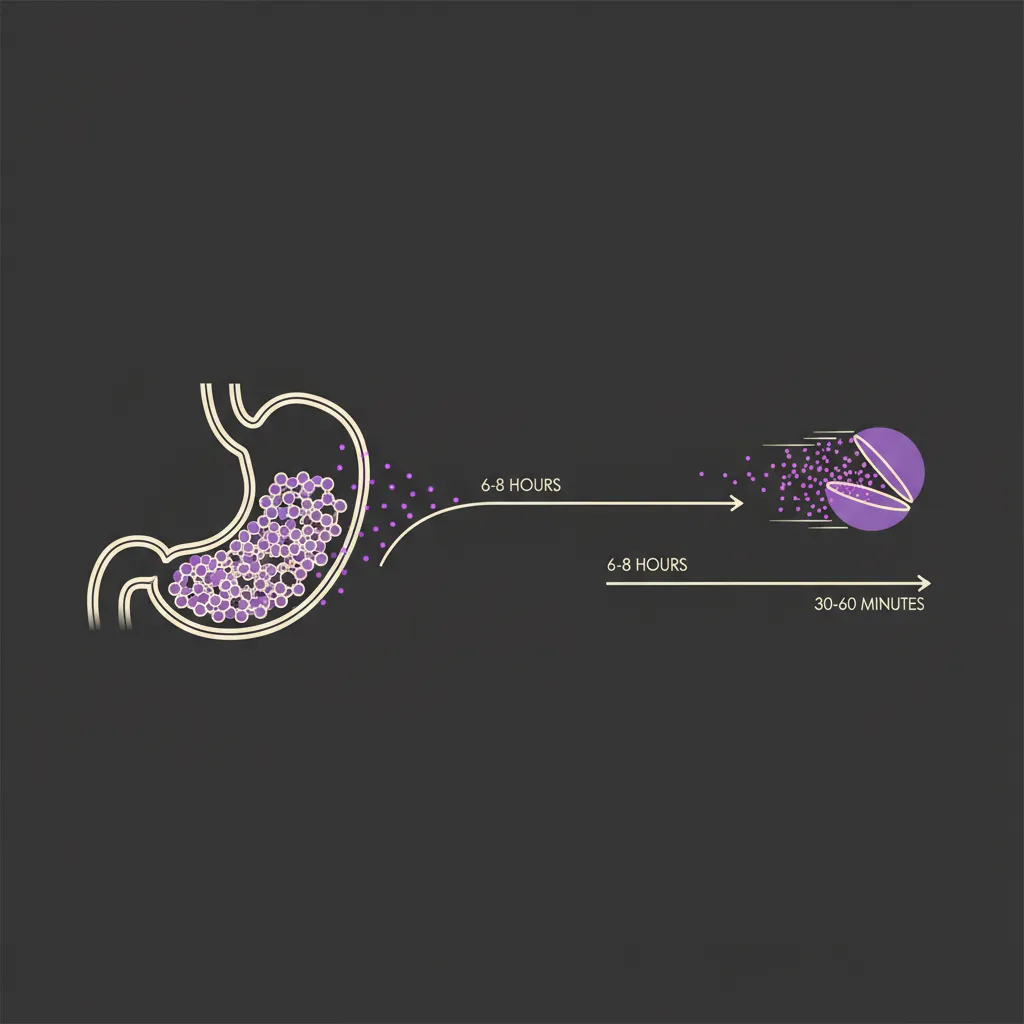
Learn what Casein is, how it works, its benefits, and how to take it correctly. Expert analysis from SportZone.
What exactly is casein and why is it so important for sports nutrition?
Casein is the main protein found in milk, making up approximately 80% of the total protein content. It is known for its slow absorption rate, which provides a sustained release of amino acids into the bloodstream. This characteristic makes it ideal for maintaining muscle tissue for longer periods.⚡ Casein in brief
- Type: Slow-digesting protein
- Best for: Maintaining muscle mass and recovery overnight
- When to take: Before bed
- Daily dose: 20-30 grams
- Main benefit: Provides sustained release of amino acids to muscles.
Simple explanation
Imagine casein as "slow-burning fuel" for your muscles. While other proteins are quickly absorbed and provide an instant boost, casein breaks down gradually, releasing amino acids for hours. It's like giving your body a steady stream of nutrients that feed it throughout the night or during long periods without eating.What is Casein?
Casein is a phosphoprotein found in the milk of mammals, representing about 80% of the total protein content in cow's milk. It is a complex protein composed of different fractions (αS1-, αS2-, β-, and κ-casein) that organize into micelles – spherical structures playing a key role in its unique digestion rate. Upon contact with stomach acids, casein micelles coagulate, forming a gel-like mass that slows down the release of amino acids and peptides into the bloodstream. This makes it a slow-digesting protein with high biological value, providing prolonged anti-catabolic action.How does casein affect muscle growth and speed up post-workout recovery?
Casein's mechanism of action lies in its unique molecular structure and interaction with the stomach environment. Unlike whey protein, which is a globular protein and digests quickly, casein forms micelles. When these micelles reach the stomach, the acidic environment and enzymes like pepsin cause the micelles to coagulate and form a thick gel or curd. This curd is difficult to break down and slows down stomach emptying, which in turn slows the rate at which amino acids are released into the small intestine for absorption. This gradual release of amino acids is key to casein's anti-catabolic effect. While whey protein causes a rapid and strong spike in blood amino acids, stimulating peak muscle protein synthesis (MPS), casein provides a lower but more prolonged increase in amino acid levels. This sustained supply of building blocks effectively inhibits muscle protein breakdown, especially during periods of fasting like sleep or long intervals between meals. Thus, casein doesn't so much "build" muscle quickly as it "protects" existing muscle from breakdown. The prolonged presence of amino acids in the blood, provided by casein, also maintains a positive nitrogen balance for a longer period. Nitrogen balance is an indicator of whether the body is in an anabolic (building) or catabolic (breaking down) state. Maintaining a positive nitrogen balance is essential for muscle growth and recovery. Although the insulin response to casein is lower compared to whey protein, its ability to maintain a steady amino acid flow compensates for this, providing constant support for muscle tissues.What are the main benefits of regular casein intake for athletes and what results can I expect?
Casein offers a number of unique benefits that set it apart from other proteins, especially regarding its timing and effects on muscle mass and recovery: * Sustained nutrient release: Casein's primary characteristic is its slow absorption rate. This means it provides a constant and prolonged flow of amino acids into the bloodstream for a period of 5 to 8 hours. This feature is extremely valuable for maintaining a positive nitrogen balance and preventing muscle catabolism. * Protection against muscle breakdown: Thanks to its slow digestion, casein is particularly effective at inhibiting muscle protein breakdown. This is vital overnight, when the body is in a prolonged fasting state, or during long intervals between meals. Consuming casein before bed helps protect muscles from breakdown, which is essential for preserving muscle mass. * Support for muscle recovery: Although it doesn't cause the same sharp spike in muscle protein synthesis as whey protein, casein contributes to overall muscle recovery by providing a constant supply of building blocks. It works synergistically with other proteins, like whey, to optimize anabolic processes. * Increased satiety: Due to its gelling nature and slow digestion, casein can contribute to a greater feeling of fullness compared to fast-digesting proteins. This makes it useful for individuals aiming to control their weight or reduce overall calorie intake by suppressing appetite for longer. * Rich in calcium: Casein is naturally rich in calcium, a vital mineral for bone and teeth health, and numerous physiological functions, including muscle contraction and nerve conduction. This adds an extra benefit for overall health. * Complete amino acid profile: As a milk protein, casein contains all nine essential amino acids (EAAs) that the body cannot produce on its own. It is particularly rich in branched-chain amino acids (BCAAs), including leucine, isoleucine, and valine, which are critical for muscle protein synthesis.When and how is it best to take casein to achieve maximum training results?
Optimal casein intake depends on your individual goals, training regimen, and dietary habits. However, there are general recommendations that can maximize its benefits: * Dosage: A standard dose of casein ranges from 20-40 grams per serving. To achieve maximum anti-catabolic effect, especially before bed, doses of 30-40 grams are often recommended. It's important to consider your total daily protein intake, which is typically between 1.6 and 2.2 grams of protein per kilogram of body weight for active individuals. * Timing: * Before bed: This is the most popular and effective time to take casein. Consumed 30-60 minutes before sleep, it provides a steady stream of amino acids throughout the night, preventing muscle breakdown and aiding recovery. * Between meals: If you have long intervals between main meals (over 3-4 hours), a casein shake can be an excellent snack. It will keep amino acid levels stable and provide a feeling of fullness, helping to control appetite. * Pre-workout (sometimes): Although not a primary choice for pre-workout due to its slow digestion, some athletes use it in combination with fast-digesting carbohydrates to provide a sustained energy source and reduce fatigue during longer workouts. * Preparation: Casein is usually mixed with water or milk. With milk, it can become thicker and have a creamier texture, which some people prefer. It can also be added to smoothies, yogurt, or oatmeal to increase protein content. * Combining with other proteins: For optimal results, casein is often combined with whey protein. Whey protein is ideal for post-workout consumption for a rapid anabolic response, while casein is preferred before sleep or between meals for prolonged anti-catabolic protection. Many protein blends contain a combination of fast and slow-digesting proteins, including casein, to provide a balanced release of amino acids throughout the day.In which specific situations is it not recommended to take casein to avoid negative effects?
Despite its numerous benefits, there are certain situations and conditions where casein intake may be inappropriate or require increased caution: * Milk protein allergy (true casein allergy): This is the most important contraindication. Individuals with a diagnosed casein allergy must completely avoid its consumption. Allergy symptoms can include gastrointestinal problems (nausea, vomiting, diarrhea, bloating), skin rashes, hives, breathing difficulties, and in severe cases, anaphylaxis. This allergy is different from lactose intolerance. * Lactose intolerance: Although many casein products, especially micellar casein, contain minimal amounts of lactose, some individuals with severe lactose intolerance may experience discomfort. In such cases, it is advisable to look for casein products explicitly labeled as low in lactose or choose an alternative protein source. * Irritable Bowel Syndrome (IBS) or other digestive issues: The slow digestion of casein can lead to longer residence time in the digestive tract, which, for some individuals with IBS or sensitive stomachs, may cause bloating, gas, or discomfort. * Kidney or liver disease: In cases of severe kidney or liver disease, high protein intake, including casein, can strain these organs. In such situations, it is absolutely essential to consult a doctor or dietitian regarding the safe amount of protein you can consume. * Desire for a rapid anabolic response (immediately post-workout): Casein is not the optimal choice for immediate post-workout consumption when the body needs a rapid influx of amino acids to initiate muscle protein synthesis. For this purpose, wheyRecommended products

Frequently asked questions
What is casein and why is it important for athletes?
Casein is a slow-digesting milk protein that provides a sustained release of amino acids into the bloodstream. This makes it ideal for athletes as it supports muscle recovery and growth over longer periods, such as during sleep.
When is the best time to take casein?
Casein is most commonly taken before bedtime to provide muscles with a constant supply of amino acids throughout the night. It can also be used between meals when you need a slow-digesting protein to maintain satiety and prevent muscle catabolism.
Are there any side effects of taking casein?
Casein is generally well-tolerated, but some individuals may experience digestive issues such as bloating or gas, especially those with lactose intolerance. People with dairy allergies should avoid it.
What is the difference between casein and whey protein?
The main difference is the absorption rate: whey protein is rapidly absorbed and suitable post-workout for quick recovery, while casein is slowly digested, providing a sustained release of amino acids. They complement each other in an athlete's diet.