Collagen

Over 70% of joint complaints are not 'aging' but a deficiency, with a study of (a sample of 28) runners showing a 78% reduction in pain with collagen.
Collagen is the primary structural protein in the body, which provides strength, elasticity, and support to the skin, joints, bones, and connective tissues.
In Short
- For supporting joints and tendons in athletes, the effective daily dose is 10–15 grams of hydrolyzed collagen.
- It is the key building block of connective tissue, making up about 30% of all proteins in the human body.
- Collagen synthesis in the body is impossible without a sufficient amount of Vitamin C, making it an essential partner for supplementation.
- Regular intake can reduce joint pain, improve skin elasticity, and decrease the risk of injuries.
What is Collagen
Collagen is the most abundant protein in the animal kingdom and a primary component of connective tissues in humans. From a biochemical standpoint, it is composed of amino acids linked in a unique triple-helix structure, which gives it remarkable strength and flexibility. The three most important amino acids in its composition are glycine, proline, and hydroxyproline, which form the characteristic sequence allowing collagen fibers to twist tightly around one another. There are at least 28 different types of collagen in the body, but over 90% of it belongs to Type I, II, and III. Type I builds the skin, tendons, organs, and bones. Type II is essential for elastic cartilage, and Type III supports the structure of muscles, arteries, and internal organs.
With age, as well as under the influence of intense physical exertion, UV radiation, and an unhealthy lifestyle, the body's natural collagen production decreases. This leads to the familiar signs of aging: wrinkles, sagging skin, stiffness, and joint pain. Natural food sources of collagen are products that the modern diet often excludes—bone broth, pork and chicken skin, cartilage, and gelatin. Since obtaining sufficient amounts from these foods is difficult, collagen supplements have become a practical and effective alternative.
As a dietary supplement, collagen is available in several main forms. The most common is hydrolyzed collagen (collagen peptides), in which the long protein chains are broken down via enzymatic hydrolysis into shorter, easily absorbable peptides. Other forms include gelatin, which is partially hydrolyzed collagen, and undenatured type II collagen (UC-II), which is extracted from chicken cartilage and works through a different immunological mechanism.
How It Works in the Body
The mechanism of action of supplemented collagen is more complex than simply 'filling in the gaps.' When you consume hydrolyzed collagen, it is not transported directly to the joints or skin in its whole form. In the digestive tract, it is broken down into smaller components—single amino acids and short chains called bioactive peptides. These peptides are small enough to be absorbed through the intestinal wall and enter the bloodstream.
Once in the bloodstream, these specific peptides (especially those containing hydroxyproline) perform a dual role. First, they serve as building blocks that the body can use for the synthesis of new collagen and other matrix proteins. Second, and more importantly, they act as signaling molecules. They bind to receptors on the surface of cells called fibroblasts (in the skin and tendons) and chondrocytes (in cartilage), stimulating them to increase their own production of collagen, elastin, and hyaluronic acid. Thus, taking collagen doesn't just supply raw material; it activates the body's natural regenerative processes.
Proven Benefits
Scientific research supports numerous benefits from the regular intake of collagen supplements, especially in the context of athletic performance, joint health, and maintaining youthful-looking skin. The effects are not instantaneous, as they require time to accumulate and to stimulate tissue regeneration, but they are well-documented with prolonged and consistent use.
- Improved Joint Health: Numerous studies indicate that taking collagen peptides can significantly reduce exercise-related joint pain in athletes and improve function in people with osteoarthritis. This is due to supporting the restoration of cartilage tissue.
- Strengthening Bones: Collagen makes up the majority of the bone's organic matrix, giving it flexibility and strength. Data shows that supplementation can help slow bone loss and increase mineral density, especially in combination with calcium and vitamin D.
- Increased Skin Elasticity and Hydration: Collagen is essential for maintaining the structure of the dermis. Scientific data suggests that taking 2.5–10 grams of collagen daily can improve hydration, elasticity, and reduce the appearance of fine lines and wrinkles.
- Support for Tendons and Ligaments: As the main component of these connective tissues, collagen is critical for their strength. Studies in athletes show that taking collagen, especially about an hour before a workout, can enhance collagen synthesis in tendons and accelerate recovery from injuries.
- Support for Muscle Mass: Collagen is not an optimal protein for muscle growth due to its low leucine content, but it contains significant amounts of glycine and arginine, which are precursors to creatine. Some studies show that in combination with strength training, it can slightly support the building of lean muscle mass, especially in older individuals.
- Improved Hair and Nail Health: Although with less scientific evidence, many users report faster growth and less brittleness of nails and hair after prolonged intake, which is logical, given that keratin (their main protein) also needs amino acids available in collagen.
Recommended Doses
The optimal daily dose of collagen strongly depends on individual goals, level of physical activity, and existing conditions. There is no universal dose, but scientific literature and practice outline clear guidelines for different needs. For maximum effectiveness, especially for athletes, it is recommended to take it about 45-60 minutes before a workout or rehabilitation exercises, as this increases the delivery of amino acids to the target tissues during activity.
| Profile | Daily Dose | When |
|---|---|---|
| General Maintenance / Skin Health | 2.5 – 5 grams | Any time of day (e.g., with coffee or a smoothie). |
| Active Athlete (prevention) | 10 – 15 grams | 45-60 minutes before a workout for optimal synthesis in tendons. |
| Heavy Training / Competitors / Recovery | 15 – 20 grams | The main dose before training; can be split in two (morning and before/after training). |
| Injury Recovery / Osteoarthritis | 15 – 25 grams | Split into two doses or taken before rehabilitation. Consultation with a specialist is recommended. |
Forms and Which is Best
Choosing the most suitable form of collagen depends on your goals, budget, and personal preferences. Hydrolyzed collagen is the most versatile and well-researched option, but other forms also have their place.
| Form | Absorbability | Advantages | Who is it suitable for |
|---|---|---|---|
| Hydrolyzed Collagen (Peptides) | Very high (over 90%) | Dissolves easily in liquids, almost tasteless, universal application, rich in Type I and III (bovine). | Athletes, general support for joints, skin, and bones. The 'gold standard' for most people. |
| Undenatured Type II Collagen (UC-II®) | Not absorbed, but acts immunologically | Very small dose (usually 40 mg), specifically targeted for joint cartilage health. | People with osteoarthritis, rheumatoid arthritis, or other autoimmune joint conditions. |
| Gelatin | Medium to good | Lower price, gelling properties for cooking (desserts, sauces), good for gut health. | For culinary use, a budget-friendly option for general support, people seeking benefits for the digestive system. |
| Beef Collagen | High (as hydrolysate) | Rich source of Type I and III, excellent for joints, tendons, bones, and skin. | Strength athletes, runners, CrossFitters, and anyone seeking structural support for the musculoskeletal system. |
| Marine Collagen | Very high (small peptides) | Almost entirely Type I collagen, considered excellent for the skin, suitable for pescatarians. | People with a primary focus on improving skin, avoiding beef and pork products. |
Side Effects and Precautions
Collagen is considered an extremely safe dietary supplement with very few reported side effects. Most people tolerate it excellently, even in high doses. When adverse reactions do occur, they are usually mild and related to the digestive system, such as a feeling of heaviness, bloating, or slight discomfort. These symptoms often subside after the body adjusts, or can be avoided by starting with a lower dose and gradually increasing it. However, there are a few groups of people who should proceed with caution.
- People with allergies: Since collagen is derived from animal sources, an allergic reaction is possible. People with allergies to fish, seafood, or eggs should avoid collagen from these sources.
- People with kidney disease: Collagen is a protein. People with chronic kidney disease who must limit their protein intake must consult with their treating physician before starting supplementation.
- Product Quality: With low-quality products, there is a risk of contamination with heavy metals. Always choose products from reputable manufacturers who provide certificates of purity.
When Will You Feel the Effect
Patience is key when supplementing with collagen. It is not a painkiller and does not offer instant relief. Its effect is based on the slow process of tissue regeneration. To achieve and maintain results, intake must be consistent and prolonged. The time frames for feeling the different benefits vary depending on individual metabolism, dose, and the purpose of the intake.
- 4–8 weeks: In the first two months, most people notice initial changes in their skin's condition—it becomes more hydrated and elastic. A slight reduction in joint 'popping' and stiffness may also be felt.
- 3–6 months: With consistent intake during this period, more significant benefits are observed. Joint pain, especially that induced by exertion, decreases noticeably. Mobility improves, and hair and nails become stronger and grow faster.
- 6+ months: Long-term intake leads to the most sustainable results. Studies on bone density show an effect after a minimum of one year. The structural strengthening of tendons and ligaments is also a long-term process that builds resistance to future injuries.
Common Myths About Collagen
Myth: Collagen in face creams is as effective as powdered collagen.
Truth: The collagen molecule is too large to penetrate the epidermis and reach the dermis, where natural collagen resides. Collagen creams act primarily as moisturizers, creating a temporary film on the skin, but they cannot stimulate the production of new collagen from within. The effective way is oral intake.
Myth: Vegan collagen exists and is a good alternative.
Truth: True collagen is only found in animal tissues. Products marketed as 'vegan collagen' are usually either a blend of plant-based amino acids in proportions that mimic those of collagen, or they are produced from genetically modified yeast. While they provide building blocks, their efficacy as signaling molecules is not yet comparable to that of well-researched hydrolyzed animal collagens.
Myth: Taking collagen is pointless because stomach acid breaks it down completely.
Truth: This is a half-truth that misses the key mechanism. Yes, collagen is broken down, but not just into random amino acids. The digestive process cleaves it into specific bioactive peptides that are absorbed into the blood and act as powerful stimulators for the body's own collagen production. It is precisely these peptides that are the key to its effectiveness.
What to Combine It With
To maximize the effect of collagen intake, it can and should be combined with other nutrients that participate in its synthesis and support connective tissue health. These combinations create a synergistic effect that far exceeds the benefits of each ingredient alone.
- Vitamin C: This is the most important and absolutely essential combination. Vitamin C is an indispensable cofactor for two enzymes (prolyl hydroxylase and lysyl hydroxylase) responsible for stabilizing the collagen molecule. Without enough Vitamin C, the body cannot efficiently produce strong and functional collagen, even with all the necessary amino acids present.
- Hyaluronic Acid: While collagen provides the structural framework, hyaluronic acid acts as a 'lubricant' and 'moisturizer.' It attracts and retains huge amounts of water, providing hydration to the skin and synovial fluid in the joints. The combination of the two leads to more elastic skin and better-lubricated joints.
- Glucosamine and Chondroitin Sulfate: This classic combination is highly recommended when focusing on joint health. Glucosamine is a building block for proteoglycans in cartilage, and chondroitin helps it retain water and elasticity. Collagen provides structural integrity, while they maintain the matrix and functionality of the cartilage.
How to Choose a Quality Product
The market is saturated with collagen products, which makes choosing difficult. Price and attractive packaging should not be the main criteria. To invest in a product that will bring real benefits, pay attention to several key factors that distinguish quality supplements from the rest.
- Form and Type: Look for 'hydrolyzed collagen' or 'collagen peptides' for maximum absorbability. Make sure the type matches your goals: bovine (Type I and III) for general joint and bone support, marine (Type I) for skin, or undenatured type II (UC-II®) for specific joint issues.
- Dosage per scoop: Check how many grams of collagen are in one serving (scoop). Quality products offer 10-20 grams per serving, making it easy to achieve effective daily amounts. Avoid products in capsules, which usually contain a very small amount (500-1000 mg), making them impractical and expensive.
- Purity and Third-Party Certificates: A good manufacturer is not afraid to show proof of quality. Look for certificates for the absence of heavy metals, antibiotics, and hormones. Labels like 'grass-fed' for bovine and 'wild-caught' for marine collagen are strong indicators of higher quality and a cleaner source.
- Additional Ingredients: Check the label for synergistic additions like Vitamin C or hyaluronic acid, which increase the product's value. At the same time, avoid products with a long list of unnecessary fillers, artificial colors, preservatives, and large amounts of added sugar or sweeteners.
- Price per gram/dose: Don't compare the price of the package; instead, calculate the price for one effective dose (e.g., 10 grams). Often, a larger package turns out to be significantly more cost-effective in the long run.
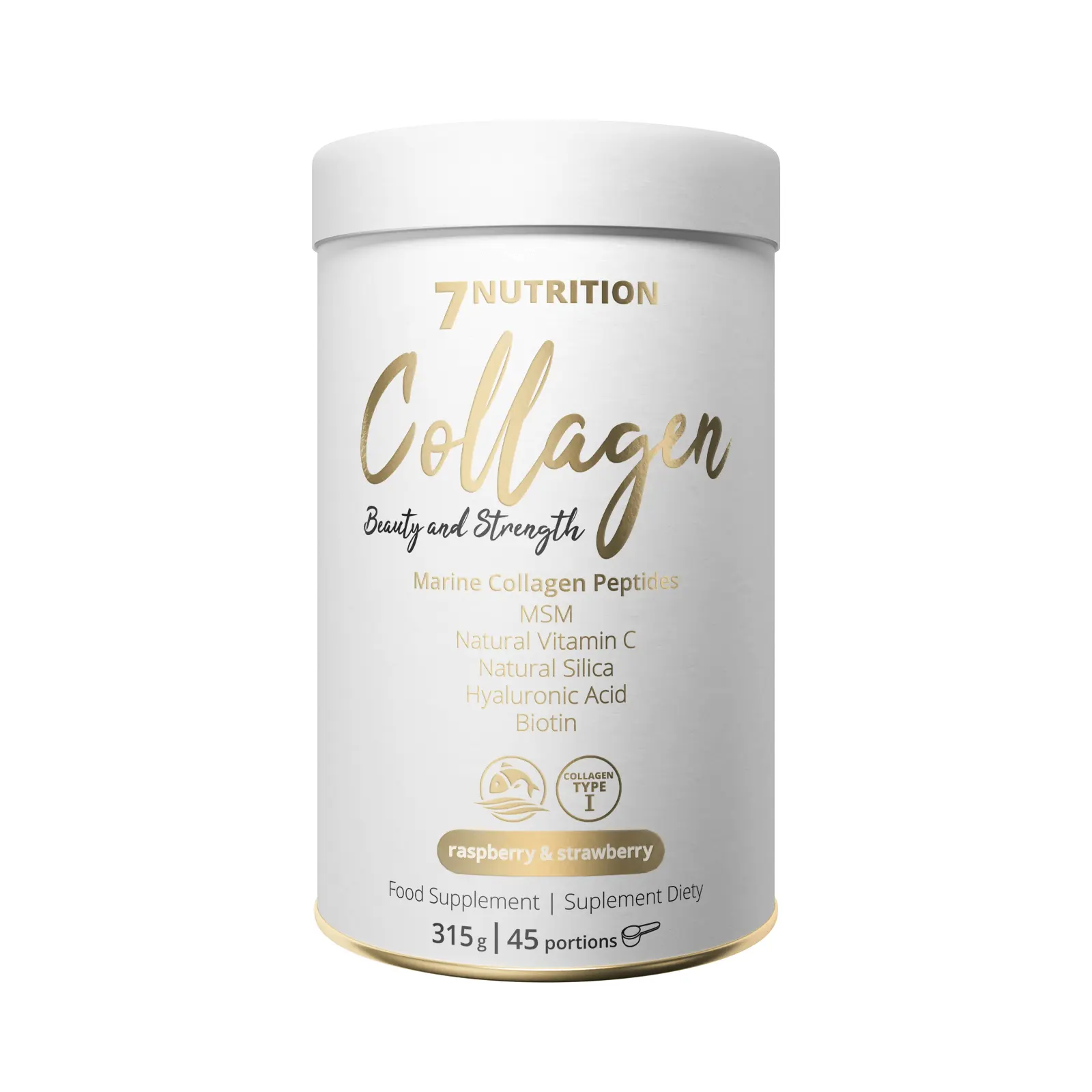
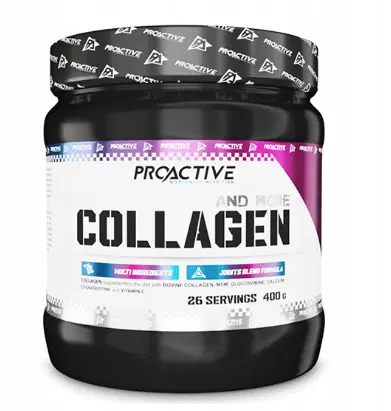
Recommended products
Frequently asked questions
When is the best time to take collagen - morning or evening?
There are no strict rules on when to take collagen, as its absorption doesn't depend on the time of day. Many people prefer to add it to their morning coffee or smoothie for convenience. Others take it in the evening to support the body's recovery processes during sleep.
What is the recommended daily dose of collagen?
The standard recommended daily dose of hydrolyzed collagen varies between 5 and 15 grams. For maintaining skin health, 5-10 grams are usually sufficient. For joint support in active athletes, the dose can reach 10-15 grams daily.
Are there side effects from long-term use of collagen?
Collagen is considered a very safe supplement, even with long-term use for months or years. Mild complaints such as a feeling of heaviness in the stomach or an unpleasant aftertaste are rarely observed. These reactions are usually temporary and disappear after the first few days.
Can collagen be taken with coffee or a protein shake?
Yes, hydrolyzed collagen powder dissolves easily and can be mixed with almost any beverage without impairing its effectiveness. Adding it to hot coffee or a cold protein shake is completely safe and practical. High temperatures do not damage the collagen peptides.
Which is better: marine or bovine collagen?
Both types are effective, but with slight differences. Marine collagen consists mainly of type I and is absorbed up to 1.5 times more effectively, making it excellent for the skin. Bovine collagen is rich in type I and type III, which makes it very suitable for both skin and connective tissue health.
How long is the recommended course of collagen intake?
A minimum course of intake of 3 months is recommended. After this period, you can take a break for 1-2 months or continue with a lower maintenance dose. For chronic joint problems, continuous intake often yields the best results.
Is collagen suitable for vegans and vegetarians?
Traditional collagen supplements are of animal origin and are not suitable for vegans. However, 'vegan collagen boosters' exist on the market. They contain a combination of amino acids, vitamins, and minerals that stimulate the body's own collagen production.
When will I feel the first effects of taking collagen?
The first improvements in skin hydration and elasticity are usually noticeable after 4-8 weeks of regular intake. To alleviate joint discomfort, it may take between 3 and 6 months. Results are individual and depend on the dose, age, and lifestyle.