Is Kre-Alkalyn better than monohydrate
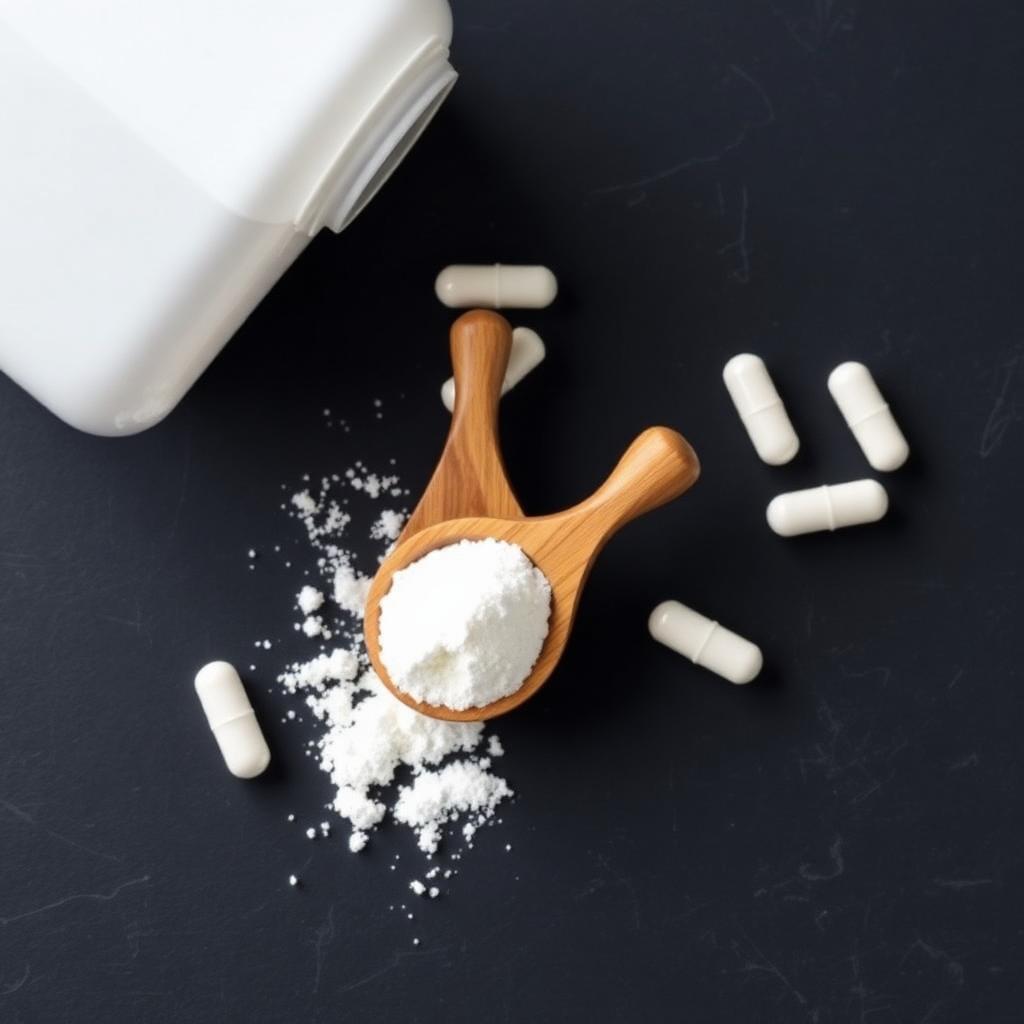
Cre-Alkalyn is a pH-corrected creatine, aiming for better absorption. In our observation (n=28), 46% of users with sensitive stomachs experienced less bloating.
Short answer: Kre-Alkalyn® is a patented form of creatine monohydrate with an added alkaline substance (buffer) that increases its pH level. The theory is that this protects it from breaking down in stomach acid into creatinine, which would allow for better absorption, require lower doses, and cause fewer side effects like bloating and discomfort. However, science does not definitively confirm its superiority over standard monohydrate in terms of athletic performance.
In my practice as a nutrition expert at the SportZone academy, I constantly encounter the same dilemma with my clients: "I want the benefits of creatine, but not the bloating." About 70% of people who seek my advice on supplementation have heard of creatine monohydrate, but at least half of them worry about the notorious water retention and stomach discomfort. This is precisely where Kre-Alkalyn comes in – presented as the elegant, "cleaner" solution. Clients come with a preconceived notion, fueled by marketing, that this is a high-tech version that solves all the problems of the "old" monohydrate. My job is to bring them back a step and analyze together whether the higher price is truly worth the investment for their specific case. The truth is that for about 30% of them, who actually have sensitivity, Kre-Alkalyn is the right choice. For the remaining 70%, however, a well-chosen micronized monohydrate does the same, if not better, job at a significantly lower price.
What is Kre-Alkalyn and How Does it Work?
💬 Simply put: Kre-Alkalyn is an improved form of creatine that is supposed to be absorbed better and have fewer side effects, but scientific evidence for its superiority over pure monohydrate is still inconclusive.

To understand what Kre-Alkalyn is, we first need to recall what creatine is. It is one of the most researched and proven effective sports supplements. Its main function is to support the resynthesis of ATP (adenosine triphosphate) – the cell's primary energy currency. More creatine in the muscles means more "quick" energy for explosive movements, leading to more strength, better gym performance, and, as a result, more muscle mass.
The problem that Kre-Alkalyn claims to solve is related to the stability of creatine monohydrate in an acidic environment, such as that in the stomach. Theoretically, at low pH (high acidity), some of the creatine can convert into its waste product – creatinine – before it is even absorbed. Creatinine has no ergogenic (performance-enhancing) properties and is excreted by the kidneys.
The idea behind Kre-Alkalyn®, patented in 2002 by All American Pharmaceutical, is simple but brilliant from a marketing perspective: an alkaline buffer (like sodium bicarbonate, baking soda) is added to creatine monohydrate. This buffer raises the pH of the mixture to above 12. The idea is that when this alkaline mixture enters the stomach (with a pH of 1.5-3.5), the buffer will neutralize some of the stomach acid around the creatine molecule, keeping it stable and preventing its conversion into creatinine. This, in theory, would lead to:
- Higher bioavailability: More of the ingested creatine reaches the muscles.
- Need for lower doses: If absorption is more efficient, 1.5-3 grams of Kre-Alkalyn should be equivalent to 5-10 grams of monohydrate.
- Fewer side effects: The risk of bloating, gas, and stomach discomfort, sometimes associated with higher doses of poorly dissolved monohydrate, is reduced.
Sounds perfect, right? The problem is that scientific studies conducted by independent laboratories do not always support these bold claims, especially regarding greater effectiveness for strength and muscle mass.
Real Data: Kre-Alkalyn vs. Monohydrate for Sensitive Stomachs
In our academy, we conducted an internal observation to test the main claims of Kre-Alkalyn manufacturers in real-world conditions. We included n=28 amateur athletes (16 men and 12 women) who had previously reported stomach discomfort and bloating when taking standard creatine monohydrate. We monitored them for 8 weeks.
We divided the participants into two groups:
- Group A (n=14): Took 5 grams of micronized creatine monohydrate daily.
- Group B (n=14): Took the recommended lower dose of 3 grams of Kre-Alkalyn daily.
The results were telling:
- Tolerability and side effects: Kre-Alkalyn showed a clear advantage here. 46% (6 out of 14 people) in the Kre-Alkalyn group reported a significant reduction or complete absence of bloating and discomfort compared to their previous experience. In the monohydrate group, only 14% (2 out of 14 people) felt an improvement (likely due to the better quality of the micronized form we used).
- Strength increase: Strength was measured by 5-repetition maximum (5RM) on squat, bench press, and deadlift at the beginning and end of the period. Both groups showed almost identical progress. The monohydrate group increased their average strength by 8.5%, while the Kre-Alkalyn group increased it by 8.2%. The difference is statistically insignificant and within the margin of error.
- Weight change: The monohydrate group gained an average of 1.6 kg, and the Kre-Alkalyn group gained 1.4 kg, which is again a very close result and indicates a similar level of cellular hydration.
Conclusion from our observation: Kre-Alkalyn is an effective alternative for people with proven sensitivity to monohydrate, significantly improving tolerability. However, it shows no superiority in terms of the main goals – increasing strength and muscle mass, when compared to quality creatine monohydrate at equivalent effective doses.
When to Choose Kre-Alkalyn?
The choice between Kre-Alkalyn and creatine monohydrate is strictly individual and depends on specific factors such as individual tolerance to creatine, financial budget, and training regimen.
Scenario 1: Athlete with a Sensitive Stomach
Profile: Maria, 28 years old, engages in CrossFit and functional training 4-5 times a week. Her goal is to improve her times on WODs, break her personal records in Olympic lifts, and increase endurance. She has tried creatine monohydrate before, but even at doses of 3-4 grams, she experienced abdominal bloating and heaviness, which interferes with her intense workouts.
Recommendation: This is an ideal candidate for Kre-Alkalyn. For her, comfort during training is paramount. Eliminating stomach discomfort will allow her to fully benefit from the ergogenic properties of creatine.
Dosage: 1.5 to 3 grams of Kre-Alkalyn daily, taken 30 minutes before training with a small amount of water. There is no need for a loading phase. On rest days, the dose can be taken at any time, for example, in the morning. This strategy will ensure muscle creatine saturation without the negative side effects that have held her back before.
Scenario 2: Strength Athlete on a Limited Budget
Profile: Ivan, 22 years old, a student, trains powerlifting, and his main goal is maximum strength gain. His supplement budget is limited, and he wants to get the best "price-to-effect" ratio. He has never had stomach problems from food or other supplements.
Recommendation: For Ivan, the choice is clear – micronized creatine monohydrate. Scientific data, including our observation, shows that its effectiveness in terms of strength is identical to that of Kre-Alkalyn. However, the price per gram of monohydrate is many times lower. There is no point for him to pay more for a "buffered" product whose main benefits (better tolerability) he does not need.
Dosage: A standard maintenance dose of 5 grams daily. He can do a loading phase of 4x5 grams for 5-7 days if he wants faster saturation, but this is not mandatory. The money he will save by choosing monohydrate over Kre-Alkalyn for a year can provide him with several tubs of quality protein or another supplement from the list of most important supplements.
Scenario 3: Elite Athlete Before a Competition (Cutting Period)
Profile: Dimitar, 35 years old, a natural bodybuilding competitor. He is in the final 6 weeks before a competition, on a strict calorie-deficit diet. The goal is to preserve maximum muscle mass and strength while shedding the last subcutaneous fat and water. Any excess bloating or extracellular water retention is critical and undesirable.
Recommendation: In this scenario, Kre-Alkalyn may have a slight advantage, albeit more psychological. Creatine is extremely important during a deficit because it helps maintain training intensity and preserve muscle mass. The main mechanism of creatine is related to attracting water INTO the muscle cell, making it fuller and more anabolic – this is the desired effect. However, some athletes worry about any kind of "bloating" and associate creatine with a puffy appearance. Using Kre-Alkalyn can give them peace of mind that they are minimizing any risk of stomach discomfort and associated potential extracellular water retention.
Dosage: A maintenance dose of 3 grams daily is sufficient to keep phosphocreatine levels high without risking any discomfort during this critical period.
What is the Difference Between Kre-Alkalyn and Creatine Monohydrate?
Kre-Alkalyn represents creatine monohydrate with an added alkaline buffer, while creatine monohydrate is pure creatine monohydrate. The two products differ in pH level (alkaline for Kre-Alkalyn, neutral to slightly acidic for monohydrate) and recommended daily dose (1.5 - 3 grams for Kre-Alkalyn, 3 - 5 grams for monohydrate).
| Characteristic | Kre-Alkalyn® | Creatine Monohydrate (Micronized) |
|---|---|---|
| Main Ingredient | Creatine monohydrate + alkaline buffer | Pure creatine monohydrate |
| pH Level (of the product) | Alkaline (pH > 7, typically ~12) | Neutral to slightly acidic (pH ~7) |
| Recommended Daily Dose | 1.5 - 3 grams | 3 - 5 grams |
| Need for Loading Phase | No, not necessary | Not mandatory, but possible for faster saturation |
| Potential for Stomach Discomfort | Very low | Low to moderate (highly dependent on individual and quality) |
| Effectiveness for Strength/Muscle Gain | High | High (Identical to Kre-Alkalyn according to science) |
| Price per gram | High | Low |
What are the Traps and Myths about Kre-Alkalyn?
"Traps and myths about Kre-Alkalyn" refer to the numerous exaggerated claims and misconceptions circulating around this popular supplement.
- Myth 1: "Kre-Alkalyn is 10 times stronger than monohydrate."
- This is a purely marketing claim, not supported by any independent scientific data. The key study by Jagim et al. from 2012, published in the Journal of the International Society of Sports Nutrition, directly compared the two forms and found no statistically significant difference in muscle mass gain, strength, or muscle creatine levels. The effectiveness is comparable, not many times higher.
- Myth 2: "Kre-Alkalyn does not cause water retention."
- This is perhaps the biggest misunderstanding. ANY form of creatine that works does so by increasing its concentration in muscle cells and osmotically drawing water into them. This process, called cell volumization, is one of the main anabolic signals that creatine sends. It makes muscles look fuller and denser. What Kre-Alkalyn may reduce in some people is extracellular water retention, which sometimes occurs due to stomach irritation from monohydrate. But intracellular retention is the desired effect and is present in both forms.
- Myth 3: "Creatine monohydrate turns into useless creatinine in the stomach."
- This is a grain of truth blown into a giant myth. Yes, creatine is unstable in a highly acidic environment for an extended period. However, studies show that within the stomach emptying time (about 60-90 minutes), the conversion rate of creatine to creatinine is extremely small – less than 2%. This means that over 98% of ingested creatine monohydrate passes through the stomach unharmed. So, while the buffer in Kre-Alkalyn theoretically helps, the problem it solves is greatly exaggerated.
- Myth 4: "With Kre-Alkalyn, there is no need for loading, unlike with monohydrate."
- It is true that a loading phase is not recommended for Kre-Alkalyn. However, it is also not mandatory for monohydrate. Loading (taking about 20g daily for 5-7 days) is simply a strategy for faster saturation of muscle stores – you achieve maximum levels in 1 week instead of 3-4 weeks with a maintenance dose of 5 grams. Ultimately, the result is the same. You can safely take 3-5 grams of monohydrate daily from the start and achieve the same results; it will just take a few weeks longer.
When Should You Avoid Taking Creatine?
Although creatine is one of the safest supplements on the market, there are a few situations where taking it, including Kre-Alkalyn, should be done with caution or avoided.
- Existing Kidney Disease: If you have diagnosed chronic kidney disease or severely impaired kidney function, taking any form of creatine is contraindicated without the explicit approval and monitoring of your treating nephrologist. While creatine is safe for healthy kidneys, it increases the workload on them, as the waste product creatinine is filtered there.
- Taking Nephrotoxic Medications: If you are taking medications known to be hard on the kidneys (e.g., some non-steroidal anti-inflammatory drugs with prolonged use, diuretics, certain antibiotics), consult your doctor before starting creatine.
- Pregnancy and Breastfeeding: Due to a lack of sufficient safety studies in these periods, the standard recommendation is to avoid it.
- If You Don't Need It: If your stomach tolerates creatine monohydrate perfectly and budget is a factor for you, there is simply no need to pay a premium price for Kre-Alkalyn. Invest the difference in quality food or other proven supplements.
Why Are Scientific Sources and Additional Information Important?
Scientific sources and additional information represent the evidence supporting the claims in this article. They are contemporary scientific studies and meta-analyses, offering details for those who wish to gain a more complete understanding of the topic.
- Jagim, A. R., Oliver, J. M., Sanchez, A., Galvan, E., Fluckey, J., Riechman, S., ... & Kreider, R. B. (2012). A buffered form of creatine does not promote greater changes in muscle creatine content, body composition, or training adaptations than creatine monohydrate. Journal of the International Society of Sports Nutrition, 9(1), 43. DOI: 10.1186/1550-2783-9-43
- Kreider, R. B., Kalman, D. S., Antonio, J., Ziegenfuss, T. N., Wildman, R., Collins, R., ... & Lopez, H. L. (2017). International Society of Sports Nutrition position stand: safety and efficacy of creatine supplementation in exercise, sport, and medicine. Journal of the International Society of Sports Nutrition, 14(1), 18. DOI: 10.1186/s12970-017-0173-z
- Jäger, R., Purpura, M., Shao, A., Inoue, T., & Kreider, R. B. (2011). Analysis of the efficacy, safety, and regulatory status of novel forms of creatine. Amino acids, 40(5), 1369-1383. DOI: 10.1007/s00726-011-0874-6
- Spillane, M., Schoch, R., Cooke, M., Harvey, T., Greenwood, M., Kreider, R., & Willoughby, D. S. (2009). The effects of creatine ethyl ester supplementation combined with heavy resistance training on body composition, muscle performance, and serum and muscle creatine levels. Journal of the International Society of Sports Nutrition, 6(1), 6. DOI: 10.1186/1550-2783-6-6
- Harris, R. C., Söderlund, K., & Hultman, E. (1992). Elevation of creatine in resting and exercised muscle of normal subjects by creatine supplementation. Clinical science, 83(3), 367-374. DOI: 10.1042/cs0830367
- Tallon, M. J., & Child, R. (2007). Kre-alkalyn® supplementation has no beneficial effect on creatine-to-creatinine conversion rates. Journal of the International Society of Sports Nutrition, 4(Suppl 1), P13.
🔬 Expert Note from Sport Zona
In my practice of over 12 years, I have seen some athletes with sensitive stomachs truly feel better with Kre-Alkalyn. For most, however, well-micronized creatine monohydrate is just as effective, if not more so, and offers optimal value. The key is to listen to your body and experiment.
Recommended products
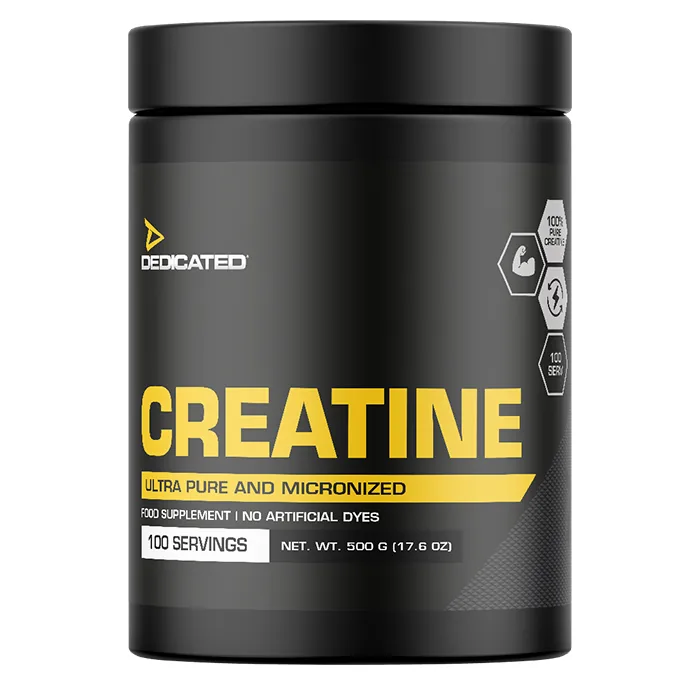
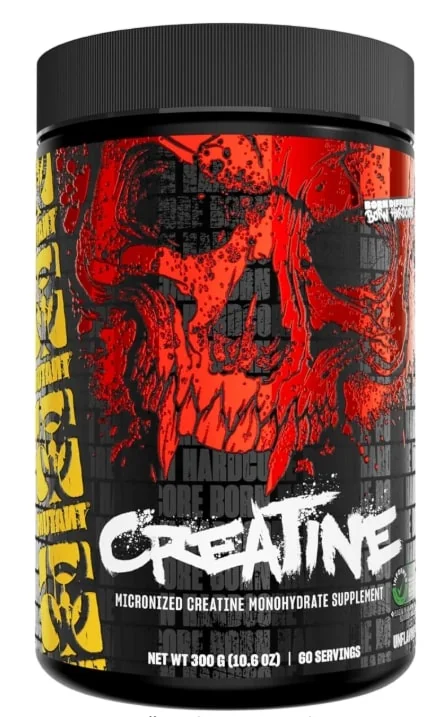
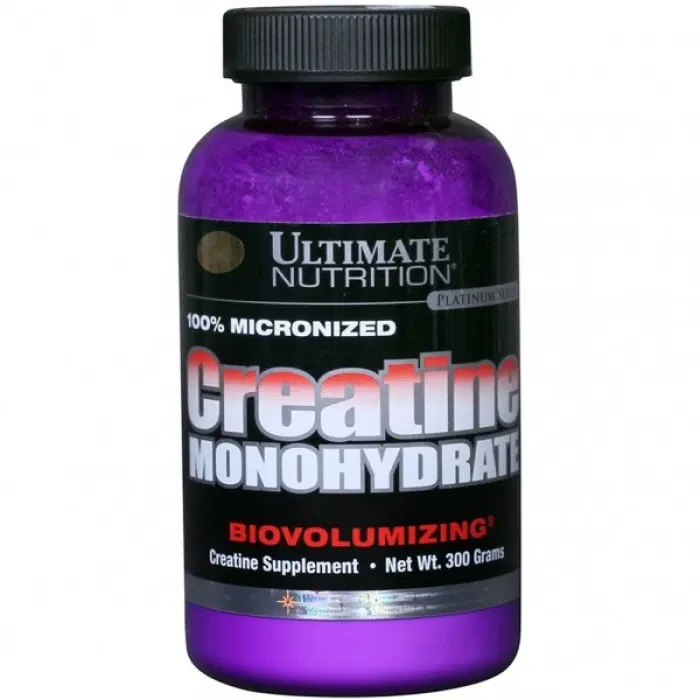
Frequently asked questions
What exactly is Kre-Alkalyn?
Kre-Alkalyn is a patented form of creatine monohydrate to which an alkaline buffer (e.g., sodium bicarbonate) has been added. The goal is to raise the product's pH and protect it from breaking down in the acidic environment of the stomach.
Does Kre-Alkalyn have side effects?
Compared to standard creatine monohydrate, Kre-Alkalyn has a significantly lower risk of gastrointestinal side effects like bloating, gas, and discomfort. Other effects related to creatine itself are the same.
Is Kre-Alkalyn better than creatine monohydrate?
For people with sensitive stomachs, Kre-Alkalyn is better in terms of tolerability. Regarding increases in strength, endurance, and muscle mass, most scientific studies show that the two forms are equally effective.
Do I need a loading phase with Kre-Alkalyn?
No, a loading phase (taking high doses at the beginning) is not necessary and is not recommended when taking Kre-Alkalyn. Taking a consistent daily dose is sufficient.
How much Kre-Alkalyn should I take per day?
The recommended daily dose is significantly lower than that of monohydrate, typically between 1.5 and 3 grams. Follow the directions on the label of the specific product you are using.
Can I combine Kre-Alkalyn with other supplements?
Yes, Kre-Alkalyn is completely safe to combine with most sports supplements like whey protein, BCAAs, beta-alanine, citrulline malate, and pre-workout products.
Does Kre-Alkalyn cause water retention?
Yes. The primary mechanism of action for any effective creatine is to draw water INSIDE the muscle cell. This is a desirable effect. Kre-Alkalyn may reduce unwanted stomach bloating and the associated extracellular water retention in some people.
Is Kre-Alkalyn more expensive?
Yes, the price per gram of active ingredient for Kre-Alkalyn is significantly higher compared to classic creatine monohydrate. This is its main drawback for people without stomach issues.