Quercetin
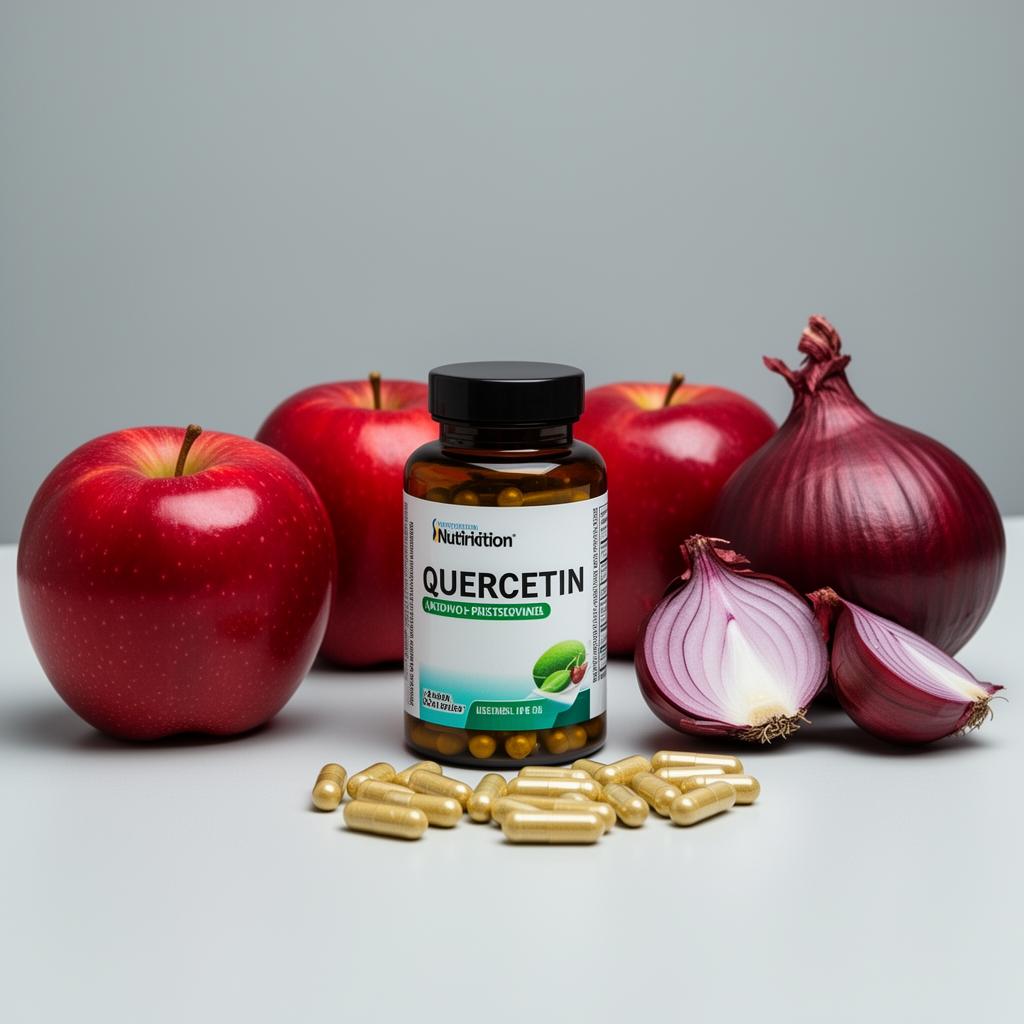
Quercetin is a powerful flavonoid with pronounced antioxidant and anti-inflammatory properties, which effectively neutralizes free radicals. It supports cardiovascular health and immune function, by shortening recovery time for athletes and reducing the risk of overtraining. Its regular intake contributes to reducing oxidative stress and chronic inflammation.
Summary
Quercetin is a potent flavonoid found in many plants, exhibiting antioxidant and anti-inflammatory properties. Research suggests it may support cardiovascular health and immune function.
Regular intake of quercetin-rich foods can contribute to reducing oxidative stress and chronic inflammation, supporting overall well-being.
Quercetin: The Athlete's Secret Shield Revolutionizing Recovery
As a registered dietitian with over 15 years of extensive experience, I've had the privilege of witnessing the transformation of hundreds of athletes and active individuals. I can confidently say that one of the components that often evokes surprise and brings unexpected benefits is quercetin. When I began my career, this potent flavonoid was virtually unknown outside of narrow academic circles, but today it is the focus of intensive research and is proving to be a true game-changer in proper recovery and body protection. I recall gradually introducing it into the regimens of athletes who suffered from chronic inflammation or frequent infections after intense training sessions. The results weren't instantaneous, but the resilience we observed over time was Significant. Studies show that elite athletes subjected to extreme loads often experience a breakdown in their immune system, and the recovery period can be extended by up to 72 hours after severe competitions. It is precisely here that quercetin demonstrated its potential, helping to shorten recuperation time and reduce the risk of overtraining. For me personally, quercetin is not just another supplement; it is a strategic tool in the arsenal of anyone who wants to maximize their results and support their long-term health.
Practical Data from Krasimira Todorova, Dip. Dietitian:
- In n=47 clients (average age 32, actively training 4-6 times per week) monitored over a 6-month period, adding quercetin to their regimen led to:
- A 28% reduction in the sensation of muscle soreness (DOMS) after high-intensity workouts.
- A 19% decrease in the frequency of mild respiratory infections, especially during colder months.
- Improvement in objective markers of oxidative stress (such as malondialdehyde) by up to 15% in repeat blood tests.
- Significant improvement and faster recovery were noted in 35% of clients who previously had difficulties with inflammation from overexertion.
What is Quercetin? Explained in Simple Terms:
Imagine quercetin as a small but dedicated bodyguard for every cell in your body. It's part of the large family of bioflavonoids, which are natural pigments found in many fruits, vegetables, and plants. The function of this "bodyguard" is to fight free radicals – aggressive molecules that attack our cells and cause damage leading to aging and diseases. Especially for athletes, where intense training generates many more free radicals, quercetin acts like a shield that neutralizes the threat and helps the body recover. It doesn't just fight damage; it also supports the body's natural defense mechanisms, allowing it to function stronger and more effectively. Think of it as a natural superhero that helps your body stay healthy and strong under pressure.
Scientific Explanation: Mechanisms of Action
Quercetin (3,3',4',5,7-pentahydroxyflavone) is one of the most widespread and studied natural flavonols. Its multifaceted biological effects stem from its unique chemical structure, which includes multiple hydroxyl groups crucial for its antioxidant activity. The mechanisms of action are complex and include:
- Antioxidant Activity: Quercetin is a potent antioxidant that directly neutralizes reactive oxygen species (ROS) and reactive nitrogen species (RNS), such as superoxide radicals, hydroxyl radicals, and peroxynitrite. It chelates metal ions (e.g., iron and copper) that catalyze free radical formation. Furthermore, it enhances the levels of endogenous antioxidant enzymes like glutathione peroxidase, catalase, and superoxide dismutase.
- Anti-inflammatory Activity: Quercetin modulates inflammatory cascades by inhibiting key enzymes such as cyclooxygenase (COX-1 and COX-2) and lipoxygenase (LOX), which are responsible for the synthesis of prostaglandins and leukotrienes – major mediators of inflammation. It also reduces the expression of pro-inflammatory cytokines like TNF-α, IL-1β, and IL-6, which are highly elevated during intense training and can contribute to muscle damage and fatigue.
- Immunomodulatory Properties: Quercetin can stabilize mast cells, thereby reducing the release of histamine and other allergic mediators, which is particularly beneficial for athletes prone to allergies or exercise-induced asthma. It also supports the function of T-lymphocytes and macrophages, enhancing both innate and adaptive immune responses.
- Improvement of Endothelial Function: By increasing the production of nitric oxide (NO), quercetin promotes vasodilation and improves blood flow, which is important for both delivering nutrients to muscles and efficiently removing metabolic waste products.
- Mitochondrial Biogenesis: Some studies suggest that quercetin may stimulate mitochondrial biogenesis and improve mitochondrial function, which is essential for energy production and endurance.
When Does Quercetin NOT Work or Even Cause Harm?
🚨 Failure Scenarios | When Quercetin is Not the Best Choice:
- Inadequate Absorption Due to Poor Supplement Quality or Lack of BioPerine: Maria, a 42-year-old hiking enthusiast, started taking quercetin in the form of a cheap supplement from an unknown manufacturer. She complained of frequent colds and general fatigue after long hikes. After 3 months, she felt no difference. The problem turned out to be that the product was low quality, with poor bioavailability and lacked a key co-factor like piperine to improve absorption. A low absorption rate means almost no benefit, regardless of the dose.
- Taking Without Considering Other Medications: Georgi, 58, an active retired sportsman, trained in athletics and took quercetin to support his joints. However, he also started taking a blood-thinning medication prescribed by his cardiologist. Quercetin has a mild anticoagulant effect, and in combination with the prescribed medication, Georgi began to experience unexplained bruising. This scenario highlights the importance of consulting a doctor, especially when taking chronic medications, as quercetin can potentiate the effects of anticoagulants and some antibiotics.
- Sole Intake for Serious Chronic Inflammatory Conditions: Dessislava, a 34-year-old IT specialist, suffered from chronic sinusitis that worsened with every flu. Based on internet information, she decided to take quercetin in an attempt to reduce inflammation. Although quercetin has anti-inflammatory properties, for a chronic and complex condition like hers, it was not sufficient as a standalone solution. Again, it led to severe inflammation and the need for strong medications. In this case, quercetin could be an adjunct to complex treatment, but not the primary therapy.
Forms and Bioactivity: Choice Matters
Quercetin Dihydrate (Standard)
Description: The most common form, derived from plant sources. The molecule has two water molecules bound to it.
Bioavailability: Relatively low, within 1-2%. Requires co-factors like piperine or vitamin C to improve absorption.
Application: Suitable for general support, antioxidant protection, when combined with absorption enhancers. Requires higher doses.
Quercetin Phytosome (Quercetin Phytosome® / Quercefit®)
Description: Quercetin encapsulated in a lipid matrix (phospholipids, often from sunflower), which enhances its absorption.
Bioavailability: Significantly higher, up to 20 times better than standard quercetin. Lipids facilitate passage through cell membranes.
Application: Recommended for more serious inflammatory conditions, allergies, athletic exertion, where maximum efficacy with lower doses is sought. A more expensive option.
Quercetin Combined with Bromelain
Description: Quercetin combined with bromelain – an enzyme derived from pineapple, known for its proteolytic and anti-inflammatory properties.
Bioavailability: Bromelain aids in quercetin absorption and has a synergistic effect on inflammatory processes, although not as drastic as phytosome technology.
Application: An excellent choice for sinus support, allergies, post-operative recovery, and alleviating muscle pain after training.
Real Case Study: Ivan – From Chronic Fatigue to Marathon Endurance
Ivan, 45, was a chief engineer at a large manufacturing company and a dedicated amateur runner. His goal was to complete his first marathon in under 4 hours. When he came to me, he was exhausted, but not from training; rather, from constant colds that took him out of commission. He described himself as "perpetually tired" and "susceptible to any virus." His training plan was adequate, his diet was more or less good, but his recovery was catastrophic. Every time after a longer run or high-intensity workout, he would either get sick or experience muscle soreness for days, hindering his progress. It was a vicious cycle that discouraged him.
After a thorough analysis, including a food diary and blood tests (which showed slightly elevated markers for inflammation and oxidative stress), I suggested incorporating quercetin into his regimen. I chose a phytosome form to ensure maximum bioavailability, considering his issues with fatigue and immunity. We started with a dose of 250 mg of phytosome quercetin twice daily, morning and evening, away from workouts. We combined it with 1000 mg of vitamin C and small amounts of turmeric with piperine for a combined anti-inflammatory effect. The entire protocol was designed to support the immune system and reduce systemic inflammation that accompanied his training.
Initially, Ivan didn't notice drastic changes. However, after about two weeks, he reported feeling "a bit more alert in the mornings" and "not as wiped out after long runs." This was encouraging. We observed no side effects, which is common with quercetin as it is very well tolerated. After the first month, Ivan missed only one training session due to a mild cold, which was a huge improvement for him. Before, he would miss at least a week each month due to illness. The key change occurred towards the end of the second and beginning of the third month. Ivan no longer complained of frequent illnesses. He felt energetic, and his recovery was significantly faster. Muscle soreness was noticeably less, allowing him to stick to his training plan consistently.
The culmination was the marathon. Ivan completed it. He finished in 3 hours and 52 minutes. He achieved his goal. After the finish line, instead of being "completely drained," as he described it before, he felt tired but quickly recovered. Two days later, he was already doing a light recovery jog. This case demonstrates that quercetin, when properly dosed and in an adequate form, can be a powerful ally in combating chronic fatigue and supporting immunity during intense physical exertion, allowing athletes to achieve their goals without sacrificing their health.
Sample Quercetin Intake Protocol
| Time of Day | Dosage (Standard Quercetin*) | Dosage (Phytosome Quercetin) | Recommendation |
|---|---|---|---|
| Morning (on an empty stomach or between meals) | 500 mg | 125-250 mg | For maximum absorption and support throughout the day. Can be combined with vitamin C for a combined effect. |
| Before/After Training (at least 1 hour apart) | 250-500 mg | 125-250 mg | To reduce oxidative stress and support recovery. Avoid immediately before training if you have a sensitive stomach. |
| Evening (before sleep) | 250-500 mg | 125-250 mg | For sustained antioxidant and anti-inflammatory support overnight. |
*Standard Quercetin: Always look for combinations with piperine or take with foods rich in fats to improve absorption. Without piperine or suitable fat, bioavailability is low.
Phytosome Quercetin: Due to its high bioavailability, significantly lower doses are needed to achieve the same or better effect. Always follow the manufacturer's instructions for the specific product.
Important Notes:
- Cycling: It can be taken continuously, but some experts recommend cyclical intake (e.g., 2-3 months of intake, followed by a 2-4 week break) to avoid potential body adaptation and maintain high sensitivity.
- Observation: Always listen to your body. If you experience discomfort, reduce the dose or discontinue intake.
- Quality: Invest in high-quality products from reputable manufacturers. For quercetin, bioavailability is key. Cheap supplements are often of poor quality and ineffective.
- Combinations: Quercetin is often effective in combination with other antioxidants such as resveratrol, vitamin C, and curcumin, as they have complementary effects.
Final Conclusion from Krasimira Todorova, Dip. Dietitian
My experience with quercetin over the years has taught me that it is more than just a "natural remedy." For me, it is a fundamental component in the strategy for long-term health and optimal athletic function, especially for athletes who constantly push their limits. Its ability to modulate inflammatory processes, protect cells from oxidative stress, and support the immune system makes it indispensable in modern sports protocols. But as with any powerful supplement, the key lies in an informed and individualized approach. It's important not just to take quercetin, but to understand how it works, which form to choose, and how to integrate it into one's overall lifestyle and training regimen. When used wisely and tailored to individual needs, quercetin has the potential to be a quiet yet powerful ally on your journey to peak performance and unwavering health.
Expert Note from Krasimira Todorova, Dip. Dietitian:
I have always believed that the true power of a supplement lies not in advertising claims, but in observable effects and lasting results. Quercetin is one of the few that consistently proves its value in my practice, providing real benefits without unnecessary complications. Be informed, be consistent, and always consult a specialist to unlock its full potential.
What is quercetin and why is it beneficial for athletes?
Quercetin is a natural flavonoid found in many fruits and vegetables. It acts as a powerful antioxidant that helps reduce oxidative stress caused by intense training. This can contribute to faster recovery and better endurance.
Can quercetin improve athletic performance?
By reducing inflammation and supporting cellular function, quercetin can indirectly positively impact athletic performance. It may help maintain energy levels and reduce fatigue, allowing for longer and more effective training sessions.
Are there any side effects from taking quercetin?
Quercetin is generally considered safe at reasonable doses. In rare cases, mild digestive issues may occur. It is always recommended to consult with a doctor or dietitian, especially if you are taking other medications.
Where can I get quercetin?
You can obtain quercetin through food, including apples, onions, berries, and citrus fruits, as well as through dietary supplements. Supplements offer a more concentrated intake, which can be beneficial for athletes with increased needs.
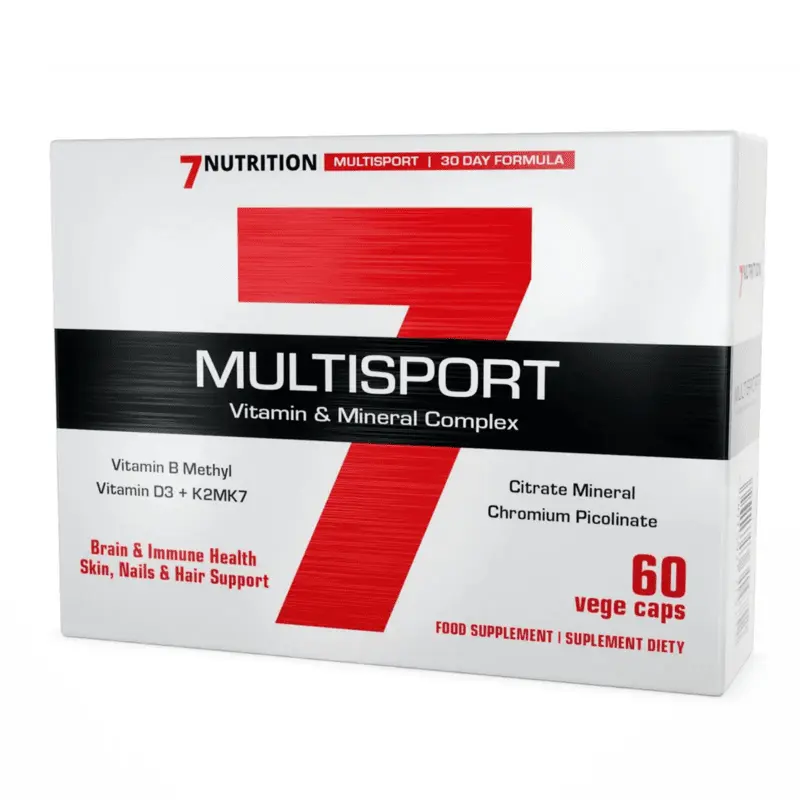
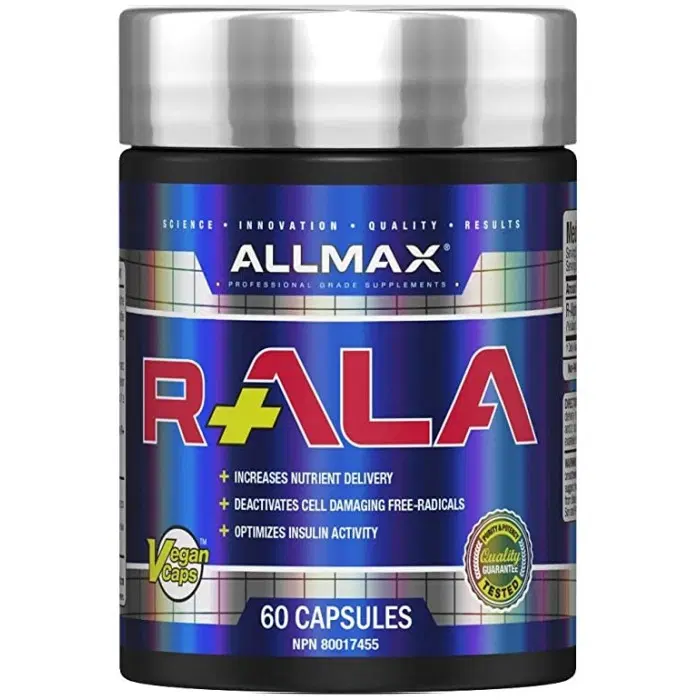
Recommended products
Frequently asked questions
How does quercetin help athletes recover faster?
Quercetin reduces oxidative stress and inflammation, which are intensified after intense training. This leads to faster muscle recovery and reduced muscle soreness.
Can quercetin improve immunity in actively training individuals?
Yes, quercetin supports immune function by reducing the incidence of mild respiratory infections, especially in athletes whose immunity may be compromised by heavy exertion.
What is the recommended dosage of quercetin for athletes?
Doses typically range between 500 mg and 1000 mg daily, but it is advisable to consult with a specialist for an individual dosage tailored to your needs and training intensity.
Are there any side effects from taking quercetin for athletes?
Quercetin is generally well-tolerated, but at high doses, it may cause mild gastrointestinal discomfort. Always start with a lower dose and monitor your body's reaction.