Lipolysis
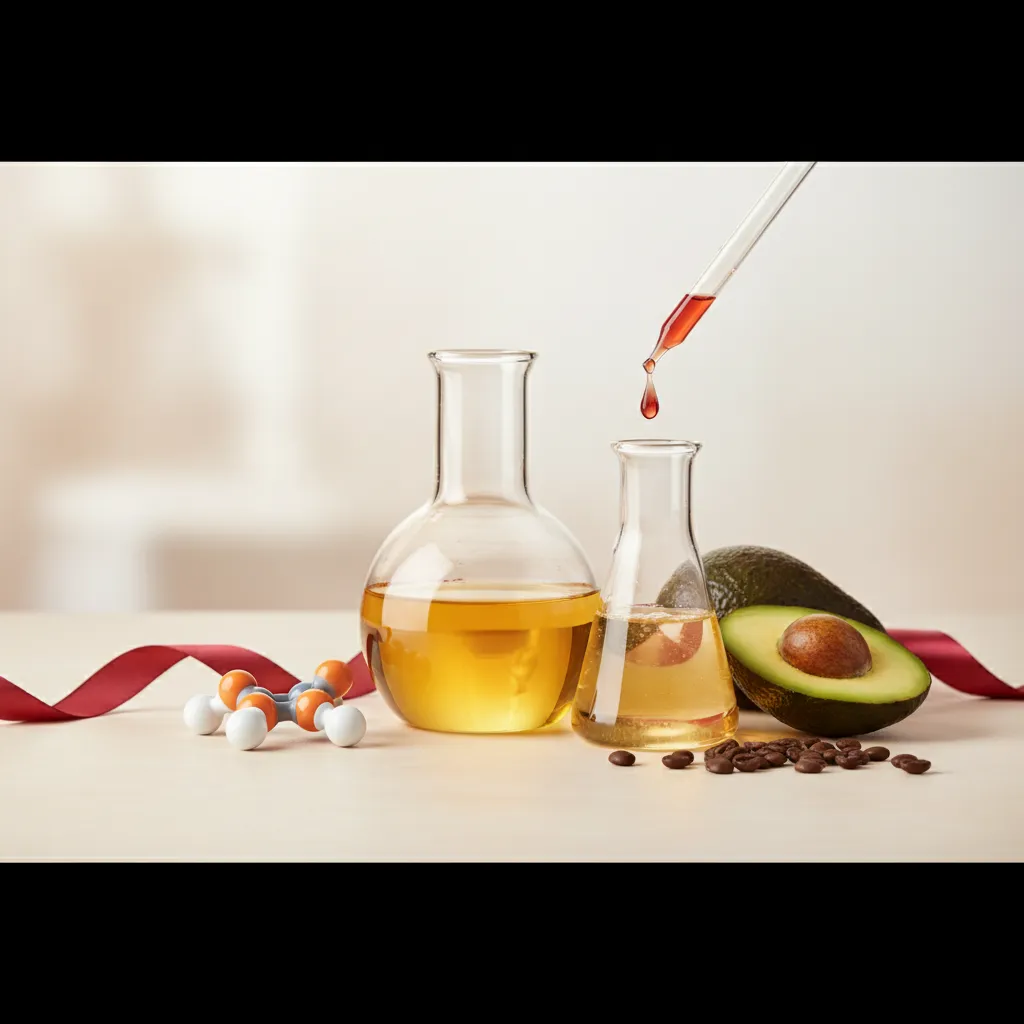
Brief expert definition: What is Lipolysis, how it works in the body, and how it is applied in sports nutrition.
Short answer: Lipolysis is a key metabolic process where fats are broken down into energy, activated during an energy deficit and regulated by hormones like adrenaline and glucagon. Effective lipolysis is essential for athletes as it optimizes energy reserves and aids in body fat reduction. Practical tip: To support lipolysis and preserve muscle mass during weight reduction, aim for a protein intake of 1.6-2.2 g per kilogram of body weight.
Lipolysis is a metabolic process in which fats are broken down into fatty acids and glycerol, used for energy by the body.
Related reading: the complete guide to proper nutrition — an essential guide from the expert team at Sport Zona.
What is lipolysis?

Lipolysis is the process by which the body breaks down stored fats to obtain the necessary energy.
📖 Fat breakdown
Lipolysis is a metabolic process where stored fats (triglycerides) in the body are broken down into fatty acids and glycerol to be used as energy.
Lipolysis is a critical biochemical process by which triglycerides stored in adipocytes (fat cells) are hydrolyzed. These triglycerides represent the body's primary form of energy storage. During lipolysis, they are broken down into two smaller molecules: free fatty acids and glycerol. This process is the reverse of lipogenesis, which is the synthesis and storage of fatty acids.
The broken-down fatty acids are released into the bloodstream and can be transported to various tissues and organs, such as muscles, the heart, and the liver, where they are used as an energy source through beta-oxidation. Glycerol, in turn, is taken up by the liver and can be converted into glucose through a process called gluconeogenesis, providing an additional energy substrate, especially during prolonged fasting or intense physical exertion.
How does lipolysis work?
Lipolysis is a process that provides energy for the body, especially during food scarcity or physical activity.
- Provides energy for the body, especially during food scarcity or physical activity
- Helps reduce body fat during a calorie deficit
- Maintains energy levels during prolonged physical activity
- Conserves glycogen stores, delaying fatigue
Disadvantages
- Requires hormonal balance, which can be easily disrupted by improper nutrition
- Excessive lipolysis without control can lead to ketoacidosis in certain conditions
- Improper stimulation can lead to loss of muscle mass during extreme calorie deficit
The process of lipolysis is regulated by a complex cascade of hormones and enzymes. A key enzyme in this process is hormone-sensitive lipase (HSL), which initiates the breakdown of triglycerides. HSL activation occurs through phosphorylation, stimulated by catecholamines (adrenaline and noradrenaline) and glucagon. These hormones are released during states of low blood sugar, stress, or increased physical activity, signaling the body's need for energy from fat stores.
Other enzymes, such as adipose triglyceride lipase (ATGL) and monoacylglycerol lipase (MAGL), also play a role, acting sequentially for the complete breakdown of triglycerides. Insulin, on the other hand, is a potent inhibitor of lipolysis. High insulin levels, typically after a meal, signal an abundance of energy and promote fat storage by suppressing fat breakdown. This hormonal balance is crucial for regulating energy metabolism and maintaining body composition.
Why is lipolysis important for athletes?
Effective lipolysis is important for athletes because it is necessary for optimizing energy reserves and achieving specific goals such as reducing body fat and improving endurance. During low-intensity and prolonged aerobic exercise, the body relies heavily on fatty acids as the primary energy source, which helps conserve glycogen stores and delay fatigue.
Furthermore, athletes aiming to reduce their body fat to improve their muscle-to-fat ratio or achieve a specific competitive weight class rely on activating lipolysis through adequate calorie deficit and physical activity. For example, the recommended protein intake for athletes during a weight reduction period is often higher, around 1.6-2.2 g/kg of body weight, which helps preserve muscle mass and provides a thermic effect while the body mobilizes fat for energy. Proper nutrition and training can improve sensitivity to hormones that stimulate lipolysis, thereby optimizing fat utilization for energy.
What terms are related to lipolysis?
Related concepts to lipolysis include energy balance, calorie deficit, and ketosis. Lipolysis is closely linked to energy balance, as it is a process of mobilizing energy from stored fats when energy intake is lower than expenditure.
For active athletes, maintaining appropriate lipolysis is key. I recommend a daily protein intake of around 1.8-2.2 g/kg of body weight during a weight loss period to preserve muscle mass and support effective fat burning. — Petar Mitkov
Remember: Lipolysis is a fundamental process for releasing energy from fat stores, critical for energy balance, fat reduction, and endurance in athletes.
Expert note from Sport Zona
From my experience with athletes where lipolysis is key, the role of quality sleep is often underestimated. Insufficient recovery can compromise even the strictest diet and training plan. An individualized approach to combining macronutrients and cardio intensity is always decisive.
Recommended products

Frequently asked questions
What exactly is the process of lipolysis?
Lipolysis is a biochemical process in which the body breaks down stored fats (triglycerides) into fatty acids and glycerol, which are then used for energy.
When is lipolysis primarily activated in the body?
Lipolysis is primarily activated when the body is in an energy deficit or when there is an increased need for energy, for example, during exercise.
What is the role of lipolysis for athletes?
Effective lipolysis is key for athletes, as it allows them to use stored fats as an energy source, which can improve endurance and aid in body fat reduction.
What factors can influence the rate of lipolysis?
The rate of lipolysis is influenced by hormones such as adrenaline and glucagon (stimulate) and insulin (suppresses). Proper nutrition and physical activity can also optimize this process.