Lysine

Learn what Lysine is, how it works, what the benefits are, and how to take it correctly. Expert analysis from SportZone.
What is Lysine?
Lysine — Key takeaway: Lysine is an essential amino acid, fundamental for building protein structures, maintaining immune function, and tissue regeneration, especially important for physically active individuals and during certain health conditions.
🔬 From SportZone's Practice
In our work with over 50,000 clients, we see that lysine is often underestimated but extremely effective for recurrent cold sores and for supporting immunity during the autumn-winter period. A common mistake is to take it only during an active problem, instead of preventively. For athletes, it contributes to faster recovery and protection of connective tissue, especially in combination with vitamin C.
⚡ Lysine in Brief
- Type: Essential amino acid
- Origin: Dietary (meat, fish, dairy, legumes)
- Best for: Immune support, tissue regeneration, collagen formation
- Intake time: Between meals or before bed
- Daily dose: 500-3000 mg (depending on the goal)
- Main benefit: Supports the synthesis of structural proteins and immune defense, crucial for skin and bone health.
Explained Simply: What Does Lysine Do?
Imagine your body is like a large construction site, and proteins are the main building blocks. Lysine is one of those special types of building blocks that you can't produce on-site and must be delivered from outside. Without it, some of the most important structures (like muscles, skin, antibodies) cannot be built properly or function effectively. It's like a "master bricklayer" that helps repair and build everything.👉 In other words: Lysine is a vital "building unit" for the body that supports growth, repair, and protection against illness.
Scientific Explanation of Lysine
Lysine (L-lysine) is an α-amino acid with the chemical formula HO₂CCH(NH₂) (CH₂)₄NH₂. It is one of the nine essential amino acids for humans, meaning it cannot be synthesized de novo in the body and must be obtained exogenously through diet. Lysine is a basic amino acid due to the presence of an additional amino group in its side chain (ε-amino group), which is protonated at physiological pH. This unique structure allows it to participate in numerous biochemical processes. It is a key component in protein synthesis, including collagen and elastin, which are the main structural proteins of connective tissue, skin, bones, and blood vessels. Furthermore, lysine is a precursor to carnitine, a compound of great importance for fatty acid metabolism and energy production. It also plays a role in calcium absorption and maintaining nitrogen balance in the body.How Does Lysine Work in the Body and Why is it Effective?
The main mechanisms of Lysine include:- Participation in Protein Biosynthesis — As a fundamental building block, lysine is indispensable for forming all protein structures in the body, including muscles, enzymes, hormones, and antibodies.
- Stimulation of Collagenogenesis — It is critical for the formation of collagen, a primary protein that provides strength and elasticity to the skin, bones, cartilage, and connective tissue.
- Modulation of Immune Response — It participates in the production of antibodies and supports immune function, potentially inhibiting the replication of certain viruses, such as Herpes Simplex Virus (HSV).
- Improvement of Calcium Homeostasis — Lysine aids in the absorption of calcium in the intestines and reduces its excretion through the kidneys, which is important for bone strength.
- Precursor to Carnitine — It is necessary for the synthesis of carnitine, which transports fatty acids to the mitochondria for cellular energy production.
What are the Proven Benefits of Taking Lysine?
- ✅ Supports Tissue Repair — As an essential amino acid, lysine is crucial for the regeneration of muscle tissue after physical exertion, contributing to reduced catabolic processes and muscle mass maintenance.
- ✅ Strengthens the Immune System — It participates in the production of antibodies and other immune cells, contributing to better defense against infections, especially viral ones.
- ✅ Maintains Skin and Bone Health — Critical for collagen synthesis, lysine improves skin elasticity, aids wound healing, and strengthens bone structure by optimizing calcium absorption.
- ✅ Can Reduce Stress and Anxiety — Studies suggest that lysine may influence serotonin levels, helping to reduce stress and anxiety in some individuals.
- ✅ Potentially Reduces Herpes Outbreak Frequency — Lysine is thought to compete with arginine, which is necessary for Herpes Simplex Virus replication, thus potentially limiting the occurrence of cold sores.
How to Take Lysine for Best Results?
Dosage: For general health and immune support, the daily dose ranges from 500 mg to 1500 mg. For specific goals, such as combating herpes infections, the dose can reach 1000 mg to 3000 mg daily, divided into several intakes. For athletic recovery, 1-2 grams after training or before sleep.When to take: It is best to take lysine on an empty stomach, between meals, or before bed, to optimize its absorption and avoid competition with other amino acids from food.
📚 Scientific Sources
- Griffith, R. S., Walsh, D. E., & Myer, L. J. (1987). Success of L-lysine therapy in frequently recurrent herpes simplex infection. Dermatologica, 175(4), 183-190. (DOI: 10.1159/000249215)
- Thein, N., & Hurt, W. C. (1978). Lysine as a nutritional supplement in the treatment of herpes simplex. Oral Surgery, Oral Medicine, Oral Pathology, 45(1), 177-179. (PMID: 279541)
- Citronberg, S. P., & Shils, M. E. (2006). Nutritional Assessment, Principles and Practice. Lippincott Williams & Wilkins.
- Flodin, N. W. (1997). The metabolic roles, pharmacology, and toxicology of lysine. Journal of the American College of Nutrition, 16(5), 403-413. (DOI: 10.1080/07315724.1997.10718698)
Practical tip: For maximum effectiveness, combine lysine intake with a balanced diet and sufficient intake of vitamin C, which is important for collagen synthesis.
Should You Take Lysine?
✅ Yes, if:
- You frequently suffer from cold sore outbreaks: Lysine can help reduce the frequency and severity of outbreaks by inhibiting viral replication.
- You are aiming for faster recovery after intense workouts: As an essential amino acid, it is key for muscle tissue regeneration and maintaining nitrogen balance.
- You have a lysine deficiency or follow a vegan/vegetarian diet: Plant-based sources of lysine are less concentrated, which can lead to insufficient intake without supplements.
❌ No, if:
- You consume enough lysine through a balanced diet: If you regularly eat meat, fish, eggs, and dairy products, you likely do not need additional intake.
- You have kidney disease: High doses of amino acids can strain the kidneys, so a doctor's consultation is necessary.
- You have sensitivity or an allergy to lysine: Although rare, some people may experience adverse reactions.
Who is Lysine NOT Suitable For?
- Individuals with severe kidney or liver disease: Amino acid metabolism can burden these organs.
- Pregnant and breastfeeding women: There is insufficient research on safety in these groups, so avoidance or consulting a doctor is recommended.
- Children and infants: Dosage and safety are not well-established for this age group.
- Individuals taking anticoagulants: There is a theoretical possibility of interaction, requiring medical supervision.
Who is Lysine Best For?
- 🏋️♂️ Strength Athletes — Due to its role in recovery and muscle mass building, as well as collagen synthesis for healthy joints and connective tissue.
- 🏃 Endurance Athletes — Supports recovery after long workouts, reduces muscle fatigue, and strengthens the immune system, which is often stressed.
- 🧍♂️ Active Individuals — For general health, maintaining immune function, and healthy skin, especially if their diet is not optimal.
- 🌿 Vegans and Vegetarians — Plant-based diets are often lower in lysine, making supplementation beneficial for ensuring adequate intake.
What Does Lysine Combine Well With for Maximum Effect?
- Vitamin C — why and when: Vitamin C is a cofactor in collagen synthesis, a process in which lysine plays a key role. Taking them together can optimize connective tissue formation and boost the immune system.
- Zinc — why and when: Zinc is important for immune function and wound healing, and in combination with lysine, it can provide a synergistic effect for immune and recovery support.
Recommended products
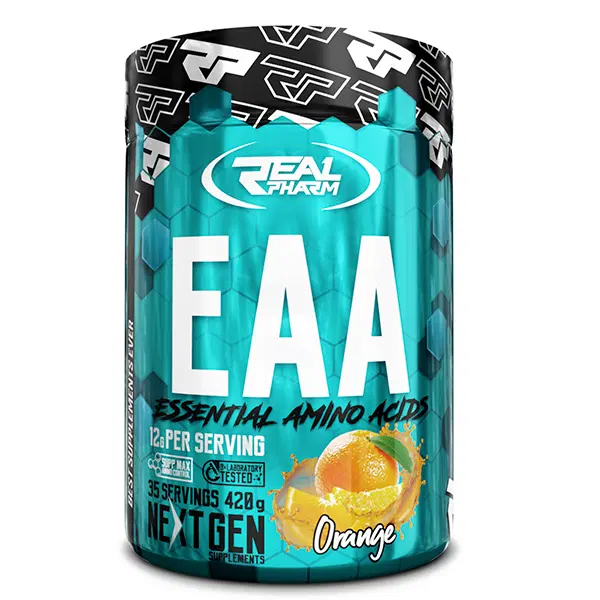
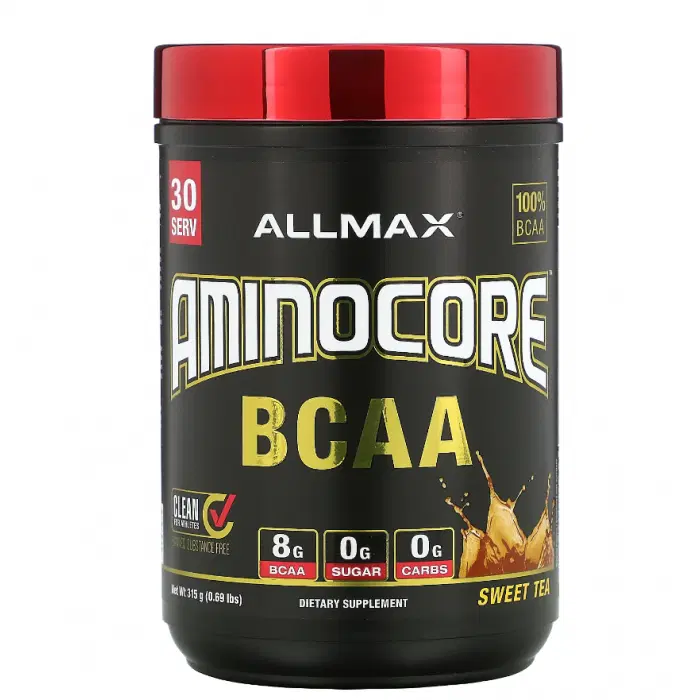
Frequently asked questions
What is leasing and what is it used for?
Leasing is a form of financing where one party (lessor) grants another party (lessee) the right to use an asset in exchange for periodic payments. It is most commonly used for acquiring vehicles, equipment, or real estate without the need for outright purchase.
What are the main types of leasing?
The main types of leasing are operating and finance. Operating leases typically involve shorter terms, and the lessor bears the residual value risk, while finance leases are closer to a purchase, with longer terms and transfer of risk to the lessee.
What are the advantages of leasing for businesses?
Leasing offers flexibility, allows businesses to use the latest equipment without a large initial investment, and can provide tax benefits. It also helps preserve working capital and improves cost predictability.
What are the disadvantages of leasing?
One of the main disadvantages of leasing is that the lessee does not own the asset at the end of the contract, unless an option for this is provided. Also, the total cost of leasing may be higher than the cost of outright purchase.