What is Magnesium Bisglycinate: Absorption, Dosage, and Application
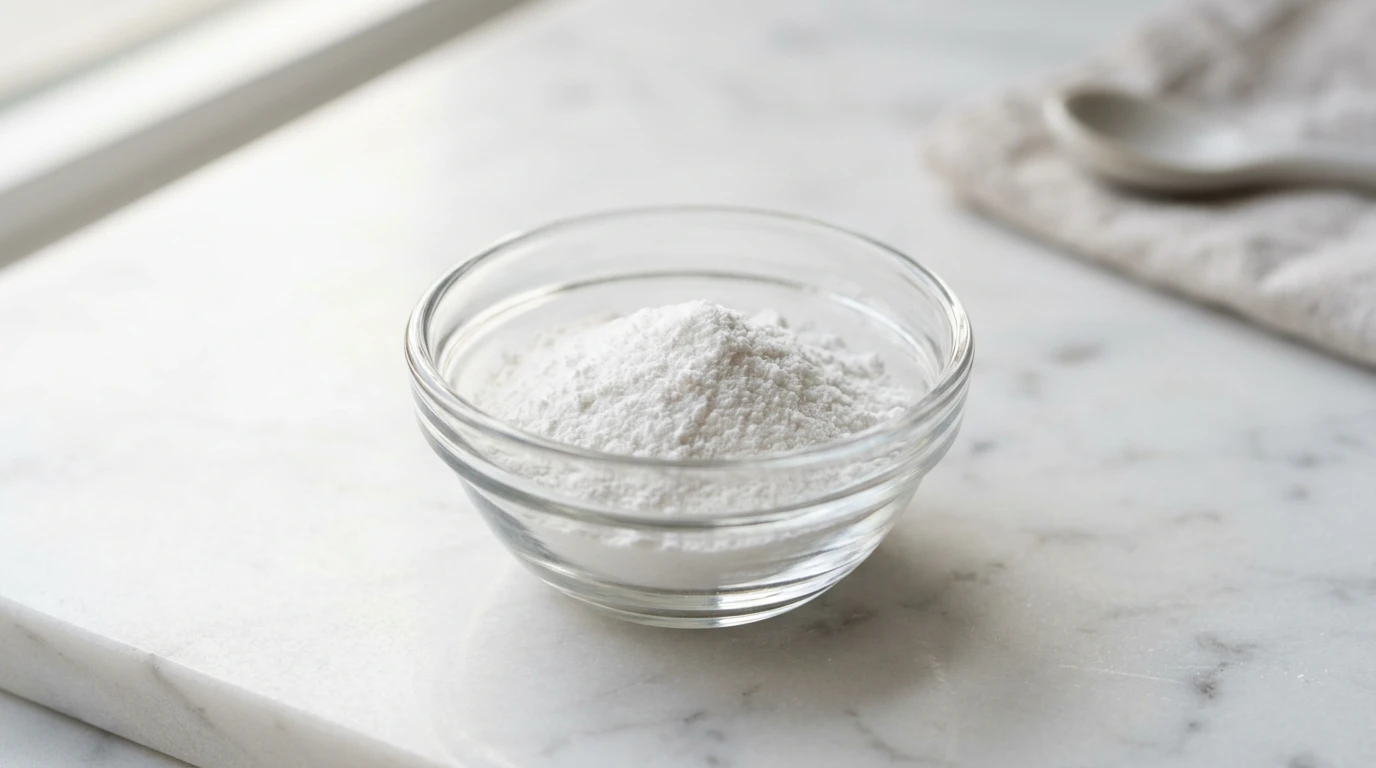
Magnesium bisglycinate is a highly absorbable chelated form, ideal for sleep, stress, and muscle cramps. It is gentle on the stomach and easy to dose.
Magnesium is one of the most important minerals for the human body, involved in over 300 enzymatic reactions – from energy production to muscle function and nervous system health. However, not all magnesium supplements are created equal. Many of the cheaper forms on the market have low bioavailability and can cause stomach discomfort. This is where magnesium bisglycinate comes in.
This chelated form has become the gold standard for people seeking maximum effectiveness without compromise. It offers a solution to the two biggest problems with magnesium supplementation: absorption and tolerance. Thanks to its unique structure, bisglycinate provides not only magnesium but also additional benefits related to relaxation and sleep.
What is Magnesium Bisglycinate?
Magnesium bisglycinate, also known as magnesium glycinate, is a chelated form of magnesium. The term "chelate" comes from the Greek word for "claw" and describes the process by which a mineral (magnesium) is bound to one or more amino acids. In this case, one magnesium ion is bound to two molecules of the amino acid glycine.
This binding is the key to its high bioavailability. Instead of competing with other minerals for absorption in the intestines, the magnesium, "masked" by glycine, is transported across the intestinal wall via amino acid pathways. These pathways are much more efficient, allowing the body to absorb a significantly larger amount of the mineral.
💬 Simply put: Magnesium bisglycinate is magnesium "wrapped" by two molecules of the amino acid glycine. This structure makes it extremely easy for the body to absorb and very gentle on the stomach.
In addition to its transport role, glycine has its own biological functions. It acts as a calming neurotransmitter in the brain, contributing to the relaxing effect of this form of magnesium and making it particularly suitable for evening intake.
Advantages of Bisglycinate Over Other Forms
Choosing the right form of magnesium depends on your goals and individual tolerance. Bisglycinate stands out with several key advantages that make it a preferred choice in many situations.
| Magnesium Form | Bioavailability | Effect on Stomach | Primary Use |
|---|---|---|---|
| Magnesium Bisglycinate | Very High | Minimal, gentle | Sleep, stress, recovery, general deficiency |
| Magnesium Citrate | Good | Can have a laxative effect | General deficiency, improving digestion |
| Magnesium Malate | Good | Gentle | Energy, muscle fatigue and pain (fibromyalgia) |
| Magnesium Oxide | Low (around 4%) | Often irritates the stomach | Antacid, inexpensive ingredient in multivitamins |
Dosage and Best Time to Take
When dosing magnesium, it's important to look at the amount of elemental magnesium, not the total weight of the compound. For example, 1000 mg of magnesium bisglycinate may contain 100-200 mg of elemental magnesium. Always check the label for this information.
The standard recommended dose for adults ranges between 200 and 400 mg of elemental magnesium per day, divided into one or two doses. For athletes or people under significant stress, the needs may be higher.
✅ When to Take
- Evening (30-60 minutes before sleep): The ideal time to utilize the calming effect of glycine for deeper, quality sleep.
- Post-workout: To speed up muscle recovery and reduce the risk of cramps.
- Any time of day: If the primary goal is simply to correct a magnesium deficiency, bisglycinate can be taken at any time, even on an empty stomach, due to its good tolerance.
⛔ When Other Forms Are an Alternative
- When a laxative effect is needed: Magnesium citrate is more suitable for constipation.
- For daytime energy: Magnesium malate is associated with malic acid, which is involved in the Krebs cycle (energy production), and may be a better choice in the morning.
- On a very tight budget: Citrate offers a good balance between price and bioavailability, albeit with a risk of stomach upset.
Who is Magnesium Bisglycinate Best For?
This form of magnesium is an excellent choice for a wide range of people, but it is particularly beneficial for:
- Athletes and active individuals: To aid recovery, reduce muscle cramps, and improve sleep quality, which is key for training adaptation.
- People experiencing high levels of stress and anxiety: The combination of magnesium and glycine has a proven calming effect on the nervous system.
- Individuals with sleep problems: If you have trouble falling asleep or wake up frequently, taking bisglycinate in the evening can lead to significant improvement.
- People with sensitive stomachs: If other forms of magnesium (especially oxide and citrate) cause you discomfort, bisglycinate is the gentlest alternative.
- Anyone looking to supplement magnesium effectively: If your goal is simply to correct a deficiency, this is one of the most bioavailable and reliable forms.
📚 Scientific Sources
- Hartle, J. W., Morgan, S., & Poulsen, T. (1994). Development of a model for in-vitro comparative absorption of magnesium from five magnesium sources commonly used as dietary supplements.
- Kawai, N., Sakai, N., Okuro, M., et al. (2015). The sleep-promoting and hypothermic effects of glycine are mediated by N-methyl-D-aspartate receptors in the suprachiasmatic nucleus.
🔬 Expert Note from Sport Zona
In our practice, we have seen hundreds of athletes struggling with recovery and sleep. One of the first and most effective changes we recommend is switching to magnesium bisglycinate, taken in the evening. Very often, clients report "deeper" sleep and a significant reduction in nighttime cramps after a hard leg day. Unlike other forms, bisglycinate almost never leads to complaints of stomach discomfort, even at higher doses, making it a reliable choice for seriously training individuals.
Frequently asked questions
What is the difference between magnesium bisglycinate and magnesium citrate?
Bisglycinate is magnesium bound to the amino acid glycine, while citrate is bound to citric acid. Bisglycinate is better absorbed and has a milder laxative effect, making it preferred for people with sensitive stomachs. Citrate, in turn, is effective when a laxative effect is needed.
When is the best time to take it – morning or evening?
Due to glycine's calming effect on the nervous system, the best time to take it is in the evening, about 30-60 minutes before bedtime. This promotes relaxation and improves sleep quality. If the goal is to manage cramps, it can also be taken after training.
How long should I take it to feel the effect?
The effect depends on the initial magnesium levels. Some people feel improvement in sleep and muscle tone after the first few days. For complete saturation of stores and a lasting effect, at least 3-4 weeks of regular intake are usually needed.
Can you overdose on magnesium bisglycinate?
Overdose is unlikely in healthy individuals, as the kidneys effectively excrete excess. Very high doses (over 1000 mg daily) may cause stomach discomfort, although significantly less frequently compared to other forms like oxide or citrate.
Is magnesium bisglycinate suitable for pregnant women?
Yes, magnesium is very important during pregnancy, and the bisglycinate form is an excellent choice due to its high tolerability. However, taking any supplements during pregnancy must be discussed with your attending physician.