What is Magnesium Malate: Energy, Fibromyalgia, and Strength Training

Magnesium malate is a form of magnesium bound to malic acid. It supports energy production (ATP) and is particularly effective against fatigue, muscle pain, and fibromyalgia symptoms.
Magnesium is one of the most important minerals for the human body, involved in over 300 enzymatic reactions. It is key for muscle function, the nervous system, blood sugar control, and energy production. However, the market is saturated with different forms of magnesium – citrate, oxide, glycinate, threonate – and each has its specific advantages. Among them stands out a lesser-known but extremely valuable form: magnesium malate.
This form combines magnesium with malic acid – a natural compound that plays a central role in the cellular energy metabolism. It is precisely this combination that makes magnesium malate a preferred choice for people seeking more energy, athletes who want to improve their endurance, and even as supportive therapy for conditions like fibromyalgia. Let's look in detail at how it works and when it is the most suitable choice.
What is Magnesium Malate?
Magnesium malate is a chelated compound in which the magnesium ion is bound to malic acid. Malic acid is found naturally in many fruits, most notably apples, and is responsible for their characteristic tart taste. However, its biological role is far more significant.
It is a key intermediate in the Krebs cycle (also known as the citric acid cycle) – the main metabolic pathway through which cells convert nutrients into energy in the form of ATP (Adenosine Triphosphate). Magnesium, in turn, is an essential cofactor for the production and stabilization of ATP molecules. When these two compounds are combined, they act synergistically to support the most efficient production of cellular energy.
💬 Simply put: Magnesium malate combines magnesium with malic acid. This acid is directly involved in cellular energy (ATP) production, making this form particularly suitable for fatigue and lack of energy, without relying on stimulants.
Energy, Fatigue, and Strength Training
The main advantage of magnesium malate is its potential to boost energy levels and reduce fatigue. This makes it extremely suitable for active individuals and anyone experiencing general lethargy.
During intense exercise, the body's ATP needs increase dramatically. The Krebs cycle works at full capacity to provide energy for muscle contractions. By supplying both magnesium and malate (a key component of the cycle), this form supports energy metabolism precisely when it is needed most. For athletes, this can translate to:
- Reduced muscle fatigue: More efficient energy production allows for longer work before fatigue sets in.
- Better recovery: Magnesium is known for its ability to relax muscles and reduce cramps. Malic acid may help in the faster clearance of lactate (lactic acid) accumulated during anaerobic exertion.
- Suitable for morning intake: Unlike other forms like magnesium glycinate, which have a calming effect, malate has a more energizing effect. This makes it ideal for taking in the morning or before a workout.
The Connection with Fibromyalgia and Chronic Fatigue
Fibromyalgia is a chronic condition characterized by widespread musculoskeletal pain, fatigue, and tenderness at specific points in the body. While the exact causes are still unclear, some theories point to impaired energy metabolism in muscle cells and low magnesium levels.
Here, magnesium malate attracts the attention of researchers. One of the early but frequently cited studies investigated the effect of combining magnesium and malic acid in patients with fibromyalgia. The results showed a significant reduction in muscle pain and tenderness after prolonged intake. The hypothesis is that by supporting ATP production in the muscles, this combination can alleviate both the pain and the chronic fatigue associated with the condition.
It is important to note that magnesium malate is not a medication but a dietary supplement that can be part of a comprehensive approach to symptom management under medical supervision.
Practical Guidelines: When and How to Take Magnesium Malate?
To get the most benefit, it is important to align your magnesium malate intake with your goals. Due to its energizing effect, it is not the best choice for intake immediately before sleep, especially if you are sensitive.
✅ When to choose magnesium malate
- In the morning: For an energetic start to the day and to combat general lethargy.
- Before training: Taken about 30-60 minutes before exertion to support endurance and energy.
- For afternoon fatigue: As an alternative to coffee or other stimulants.
- For muscle pain and cramps: Especially if combined with persistent fatigue.
⛔ When to choose another form (e.g., glycinate)
- In the evening before sleep: Glycinate has a calming effect and improves sleep quality.
- For stress and anxiety: Glycine acts as an inhibitory neurotransmitter that calms the nervous system.
- If you have a very sensitive stomach: Glycinate is one of the gentlest forms on the digestive system.
Dosage and Form
The standard dose of elemental magnesium is between 200 and 400 mg per day. Always check the product label to see how much elemental magnesium is contained in one dose, not just the total weight of the compound. Magnesium malate generally has good bioavailability and is well-tolerated by the digestive system, although at very high doses, like any form of magnesium, it can cause a mild laxative effect.
📚 Scientific Sources
🔬 Expert Note from Sport Zona
In my practice, I notice that magnesium malate is extremely effective for athletes who complain of lack of energy and "heavy" muscles, especially during morning workouts. I often recommend a split intake: malate in the morning for tone throughout the day and before exertion, and glycinate in the evening for optimal recovery and quality sleep. This combination addresses the two main pillars of athletic performance – energy for work and rest for growth.
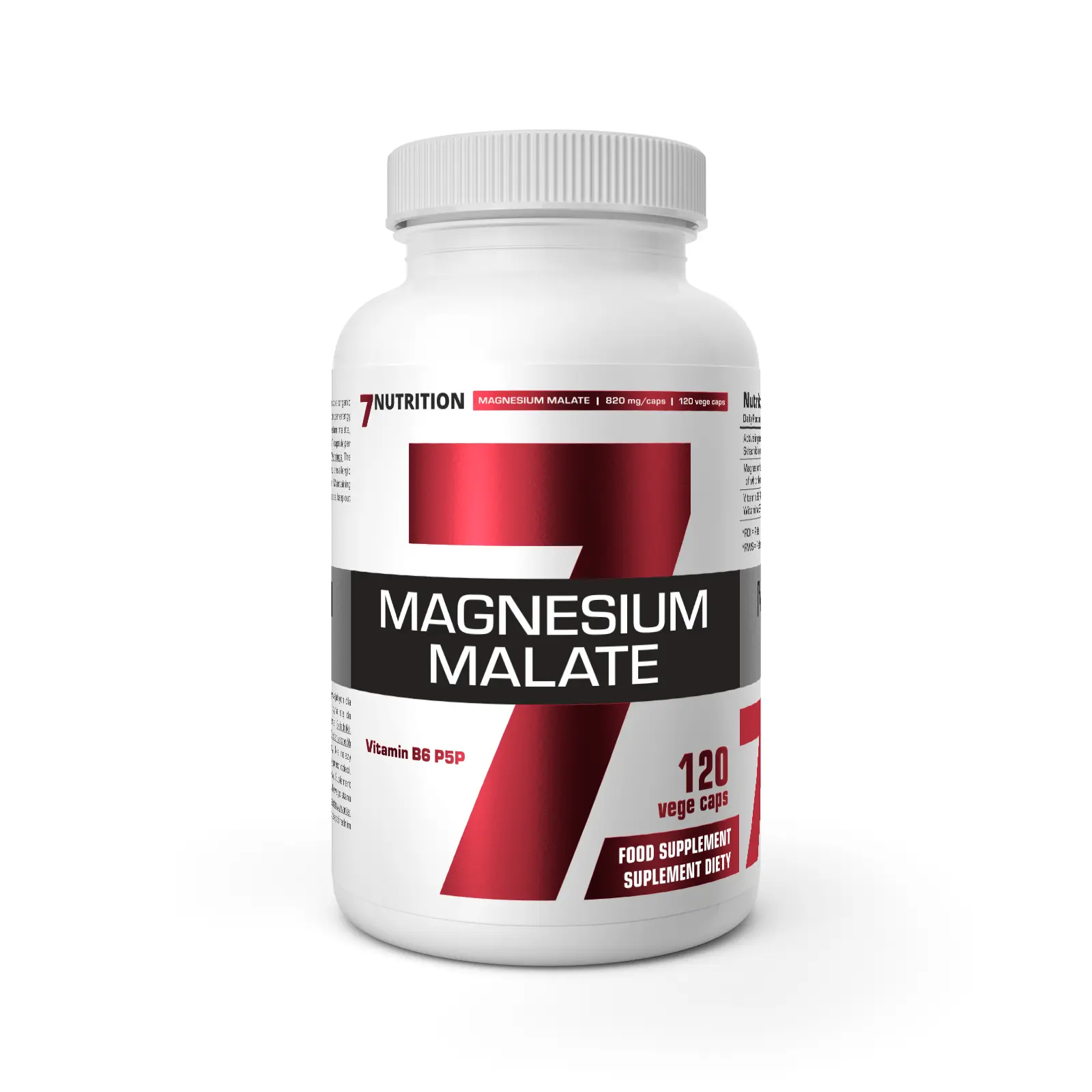
Recommended products
Frequently asked questions
What is the difference between magnesium malate and citrate?
Magnesium malate is bound to malic acid and targets energy production and muscle function. Magnesium citrate is bound to citric acid, has higher bioavailability, and is often used for relaxation and constipation due to its mild laxative effect.
When is the best time to take magnesium malate?
The best time to take it is in the morning or early afternoon. Due to the energizing effect of malic acid, taking it in the evening may potentially interfere with sleep for some individuals. Taking it before a workout is also a good option to support endurance.
Does magnesium malate help with fibromyalgia?
Yes, it is one of the most recommended forms of magnesium for fibromyalgia. The combination of magnesium (relaxes muscles) and malic acid (supports energy metabolism) can help reduce the muscle pain and chronic fatigue characteristic of the condition.
Can you overdose on magnesium malate?
As with any form of magnesium, taking very high doses can lead to gastrointestinal discomfort, diarrhea, or nausea. Sticking to the recommended dosages (usually up to 400-450 mg of elemental magnesium daily from supplements) is safe for most people.
Why is magnesium malate a good choice for athletes?
It supports ATP production, which provides energy for muscle contractions during exercise. It is also involved in electrolyte balance and can help reduce muscle cramps and fatigue after intense strength training.