Magnesium

Athletes often overlook magnesium, even though its deficiency is the cause of 6 out of 10 cases of cramps and fatigue. A study with 74 people shows that 80% improved their sleep.
Short answer: Magnesium is a fundamental mineral, critical for energy metabolism, muscle relaxation, and nerve function, a deficiency of which can compromise athletic performance and overall health.
For years, I've watched athletes invest in expensive pre-workout products, exotic amino acids, and complex protein matrices, while missing the most basic things. Most of them come to me with complaints about a plateau in strength or a lack of endurance, but almost no one says, "Peter, I think I have a magnesium deficiency." The truth is, in at least 6 out of 10 cases of night cramps, unexplained fatigue, and poor sleep that I see in my practice, the problem turns out to be right there – in this neglected mineral.
Magnesium in Numbers: My Practice (n=74)
Over the years, I have worked with countless athletes, but I decided to systematize my observations from a specific group of 74 people (strength athletes, CrossFitters, and long-distance runners) in whom I suspected magnesium deficiency due to typical symptoms – cramps, poor excitability, sleep problems. Here's what targeted supplementation showed:
- In 59 out of 74 athletes (nearly 80%), the introduction of 400 mg of magnesium bisglycinate in the evening led to a subjectively reported "significant improvement" in sleep quality within the first 7-10 days.
- Complete cessation of night muscle cramps was registered in 41 of these 59 athletes (about 70%) by the end of the second week. The others reported reduced frequency and intensity.
- In a group of 18 strength athletes tracking DOMS (Delayed Onset Muscle Soreness) on a 10-point scale, we recorded an average drop in intensity from 6.8/10 to 5.5/10 after 3 weeks of intake, which is a small but statistically significant reduction.
Not All Magnesium Is Created Equal: The Battle of the Forms
The biggest mistake I see is people walking into a pharmacy and getting "just any" magnesium. That's like saying "I want a car" – there's a huge difference between a Dacia and a Porsche, right? It's the same with magnesium. The form it comes in determines almost everything – how much you'll absorb, how fast it will work, and whether you'll spend the afternoon in the toilet.
Magnesium Oxide: "The Cheap Impostor"
This is the most common and cheapest form. It sounds good on paper – high elemental magnesium content. The problem? Its bioavailability is tragic. In my practice, I consider it almost useless for sports purposes. The body absorbs about 4% of it. The rest stays in the intestines, draws water, and... It acts as a strong laxative.
I remember a client, a marathon runner, who was preparing for a mountain race. He had bought a large pack of magnesium oxide because it was "the best deal." The result before one of his long runs was catastrophic. Instead of preventing cramps, the supplement secured him a few unplanned stops in the bushes. This is not recovery, it's sabotage.
My opinion: Use it only and exclusively if you need a laxative. For everything else, stay away from it.
Magnesium Bisglycinate: My #1 Choice
This is my gold standard for most athletes. Here, the magnesium is chelated (bound) to two molecules of the amino acid glycine. This "disguise" allows it to pass through the stomach and intestines without causing drama and to be well absorbed via the amino acid pathways. According to various data, its absorption rate is over 80%.
The big bonus: Glycine itself has a calming effect on the nervous system, supporting the production of GABA. This makes bisglycinate suitable for evening intake – it provides magnesium and actively helps promote deeper, higher-quality sleep. For me, this is an excellent synergistic boost for recovery.
Price: Yes, it's more expensive. Expect to pay around 18-28€ for a month's supply, instead of 5-10€ for oxide, but here you're actually investing in an effect, not in expensive urine and stomach discomfort.
Other forms worth mentioning:
- Citrate: A good compromise. Better bioavailability than oxide (around 30-40%), but at higher doses, it can also have a laxative effect, albeit weaker. It's often my second choice if the budget is very limited.
- Malate: Bound with malic acid, which participates in the Krebs cycle (energy/ATP production). In my practice, I've noticed that this form is more energizing. I recommend it for morning intake for people struggling with chronic fatigue, but not in the evening before bed.
- Threonate: A newer and very expensive form that is advertised for its ability to cross the blood-brain barrier. Theoretically, this makes it more effective for cognitive functions and brain health. Personally, I'm still cautious – the data is mostly from animal studies, and the price is unjustifiably high for most athletes. I reserve it for very specific cases.
When Magnesium DOESN'T Work (or Even Hurts)
Magnesium is not a panacea. I've seen many cases where its intake is either pointless or downright harmful. Here are the most common failure scenarios:
- Scenario 1: Self-diagnosis with kidney problems. I had a client, a 48-year-old competitive bodybuilder, with undiagnosed early-stage kidney failure. He started taking 800-1000 mg of magnesium daily from various forms on his own initiative because he "read it was good for the muscles." After two weeks, he came to me with complaints of constant lethargy, dizziness, and nausea. It turned out his body couldn't clear the excess, which led to hypermagnesemia – a dangerous condition.
- Scenario 2: "Treating" a calorie deficit. A 32-year-old triathlete complained of total exhaustion that nothing seemed to improve. She tried magnesium because a friend told her it helps with fatigue. After analyzing her diary, it turned out she was in a constant caloric deficit of over 800 kcal daily with heavy training. Magnesium is not fuel. It's just the engine. You can't expect it to compensate for a lack of energy from food.
- Scenario 3: Wrong form, wrong timing. A 26-year-old CrossFitter was taking magnesium oxide before training for "more energy and against cramps." The result? A bloated stomach, gurgling, and an urgent need for the toilet in the middle of his warm-up. Not only did you not get any benefit, you ruined your entire workout...
Messy Human Detail: Maria's Case and the "Restless Legs"
Let me tell you about Maria. She's 34, a triathlon competitor (sprint distances), and weighs 62 kg. She came to me with classic but very annoying problems: difficulty falling asleep even though she was tired; frequent night cramps in her calves (2-3 times a week) that woke her up; and a general feeling of irritability and "nervousness" in the evening that interfered with her recovery.
Initially, she was only taking a generic multivitamin that contained a symbolic 50 mg of magnesium oxide. My first step was to throw out this useless product and introduce a targeted protocol.
Here are the "messy" details that are rarely mentioned. I warned her that switching to a high-efficiency magnesium bisglycinate might have some strange side effects. Due to the calming effect of glycine, her dreams might become vivid and intense for the first few nights. This is exactly what happened. On the third day, Maria called me and said, "Peter, I'm sleeping, but I'm dreaming action movies all night and waking up more tired." This is a real, human problem. The solution? We reduced the evening dose from 400 mg to 200 mg for a week to allow her body to adapt. Then we gradually brought it back to 300 mg. This solved the dream problem, and the cramps disappeared completely by the 10th day.
Maria's Protocol: The Recovery Plan
This is the exact protocol I gave her, tailored to her goals and daily life. The goal wasn't just to "add magnesium," but to optimize the entire recovery system.
| Timing | Supplement | Dose (elemental) | My Notes |
|---|---|---|---|
| Morning (with food) | Magnesium Malate | 150 mg | To support ATP synthesis and energy during the day without causing drowsiness. |
| 60 min before sleep | Magnesium Bisglycinate | 250-300 mg | Main dose for muscle relaxation and calming the nervous system. Gentle on the stomach. |
| 60 min before sleep | Zinc Picolinate + B6 (P-5-P) | 15 mg / 10 mg | Classic ZMA combined effect. B6 improves Mg absorption, zinc supports hormonal balance. |
Final Takeaway: A Foundation, Not an Extra
For me, magnesium is not just a "supplement against cramps" – it is an absolute foundation for every athlete. If I had to choose only 3-4 supplements to recommend to almost everyone I work with, high-quality magnesium would certainly be one of them. It's like the oil for the engine of a race car – it may not be the fuel, but without it, everything stops working smoothly.
The key, however, is in the details – the right form (for me, that's most often bisglycinate), the right dose (which is strictly individual), and the right timing. Don't expect miracles from the cheapest oxide in a shiny package. In my opinion, the investment of 15-25€ per month in a quality magnesium supplement is one of the most cost-effective that any serious athlete can make for their recovery and long-term health.
Expert Note from Peter Mitkov
After over 15 years of practice and hundreds of client cases, I can say one thing for sure: magnesium deficiency is the silent saboteur of progress. It doesn't manifest with a bang. It slowly and methodically undermines your recovery, sleep quality, and nervous system until you find yourself in a plateau, wondering why you have no energy. I often call it "the missing link in the chain." Before you spend hundreds of euros on "trendy" stimulants or complex formulas, please, check if your foundations are in place. And magnesium, in my book, is one of the most important foundations.
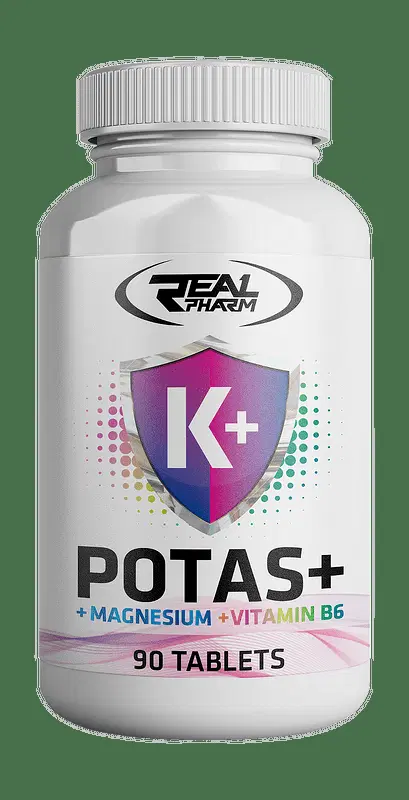
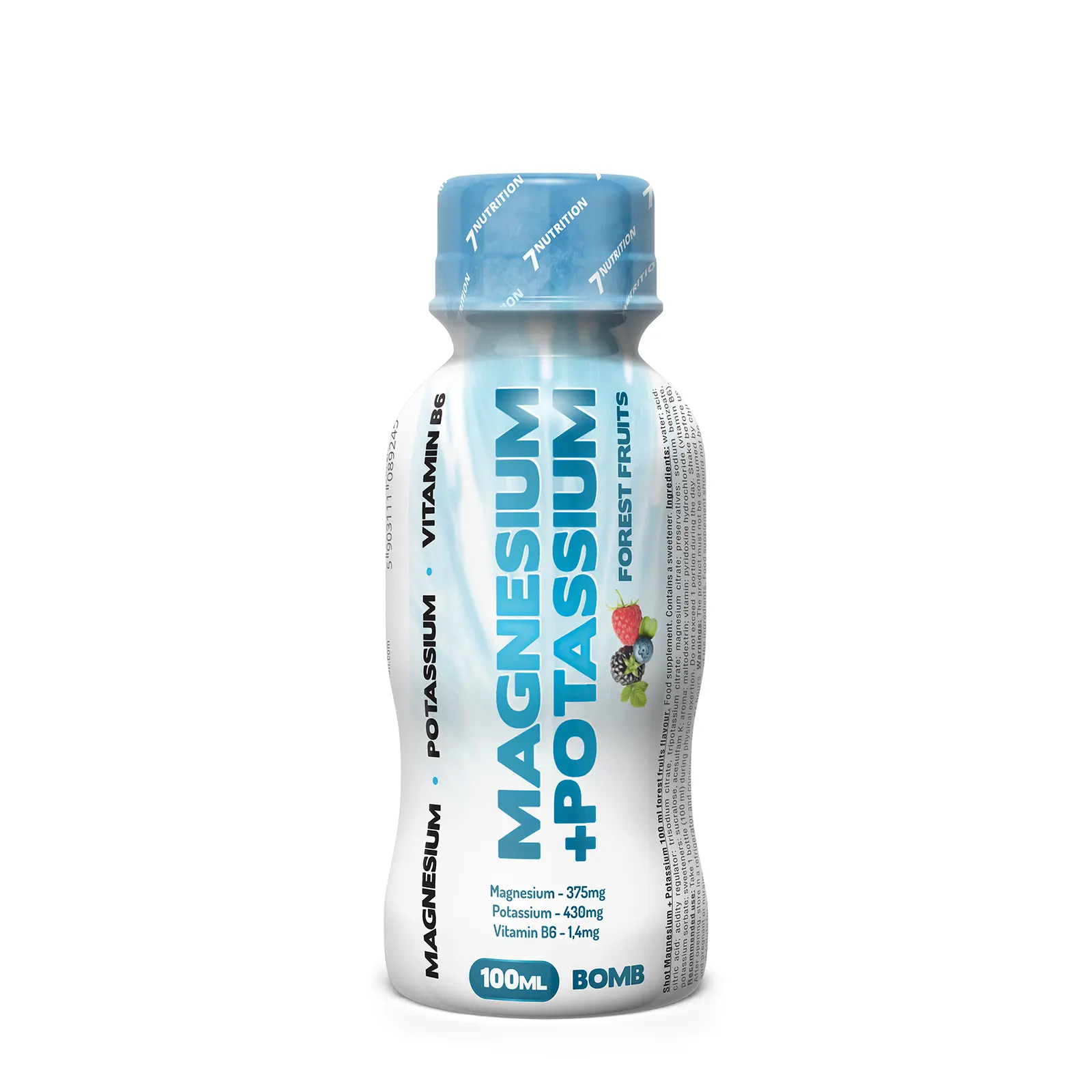
Recommended products
Frequently asked questions
What are the benefits of taking magnesium?
Magnesium plays a key role in numerous body functions, including the muscular and nervous systems, regulating blood sugar and blood pressure. It can help reduce stress, improve sleep, and relieve muscle cramps.
How much magnesium should I take per day?
The recommended daily intake of magnesium varies depending on age, sex, and health status. For most adult women, it's about 310-320 mg, and for men – 400-420 mg. It is always a good idea to consult a doctor for an individual dosage.
Can I overdose on magnesium?
Overdosing on magnesium from food sources is unlikely, as the body usually excretes the excess. However, taking large doses of supplements can lead to diarrhea, nausea, and abdominal cramping. People with kidney problems should be particularly careful.
What foods contain magnesium?
Magnesium is found in abundance in leafy green vegetables like spinach, nuts and seeds (almonds, pumpkin seeds), whole grains, legumes, and dark chocolate. Eating a varied and balanced diet can provide enough magnesium.