Maka
Learn what Maca is, how it works, what its benefits are, and how to take it correctly. Expert analysis from SportZone.
What is Maca?
Maca — Maca (Lepidium meyenii) is a root vegetable native to the Andes of Peru, known for its adaptogenic properties. It has been used for centuries as food and medicine by indigenous populations for its purported benefits for energy, stamina, and hormonal balance.
🔬 From SportZone's Practice
In our work with over 50,000 clients, we see that Maca is particularly effective for people seeking a natural energy boost without stimulants. A common mistake is expecting an instant effect, as Maca works cumulatively and requires consistent intake for optimal results, usually after 2-4 weeks.
⚡ Maca in Brief
- Type: Adaptogen / Superfood / Herb
- Origin: Natural (plant-based)
- Best for: Boosting energy, stamina, libido, and hormonal balance
- When to take: Morning or during the day
- Daily dose: 1500 mg to 3000 mg (varies by form)
- Main benefit: Improves the body's adaptation to stress and supports overall well-being.
Explained in simple terms: What does Maca do?
Imagine your body is like a car, and Maca is like a universal fuel that not only gives you more energy but also helps the engine run smoother and more efficiently, even when the road is bumpy. It's not a turbo booster, but rather an optimizer of all systems.
👉 In other words: Maca helps the body cope better with stress and function more balanced and energetically.
Scientific Explanation of Maca
Maca (Lepidium meyenii) is a cruciferous plant distinguished by its unique phytochemical profile, including macamides, macaenes, glucosinolates, alkaloids, sterols, and polysaccharides. These bioactive compounds are responsible for its adaptogenic properties, allowing the body to adapt more effectively to physical and psychological stressors without directly influencing hormone levels, but rather by modulating the homeostasis of the endocrine system.
Maca's mechanism of action does not involve the direct presence of hormones but rather supports the hypothalamic-pituitary-adrenal (HPA) axis, which regulates stress responses, energy metabolism, and reproductive function. Glucosinolates and their metabolites, such as isothiocyanates, also contribute to its antioxidant and anti-inflammatory effects, protecting cells from oxidative stress and supporting overall cellular health.
How does Maca work in the body and why is it effective?
Maca's primary mechanism involves:
📚 Scientific Sources
- Gonzales, G. F., et al. (2009). Effect of Lepidium meyenii (MACA) on sexual desire and its absent relationship with serum testosterone levels in adult healthy men. Andrologia, 34(6), 367-372. (DOI: 10.1046/j.1439-0272.2002.00519.x)
- Wang, Y., et al. (2007). Macamide-based chemical fingerprint analysis and quantitative determination of maca (Lepidium meyenii Walp.) from Yunnan, China. Journal of Agricultural and Food Chemistry, 55(4), 1642-1647. (PMID: 17300139)
- Meissner, H. O., et al. (2008). Therapeutic effects of pre-gelatinized maca (Lepidium peruvianum Chacon) on symptoms of sexual dysfunction in postmenopausal women. Evidence-Based Complementary and Alternative Medicine, 5(4), 435-442. (DOI: 10.1093/ecam/nem059)
- Gonzales, G. F. (2012). Ethnobiology and ethnopharmacology of Lepidium meyenii (Maca) in Peru. Evidence-Based Complementary and Alternative Medicine, 2012. (DOI: 10.1155/2012/193496)
- Endocrine System Modulation — Maca does not contain hormones but influences the hypothalamus and pituitary gland, which in turn regulate other glands like the adrenal glands, thyroid, and gonads, improving overall hormonal balance.
- Adaptogenic Action — It helps the body adapt to physical and psychological stress by reducing cortisol levels and improving resilience, without being a stimulant.
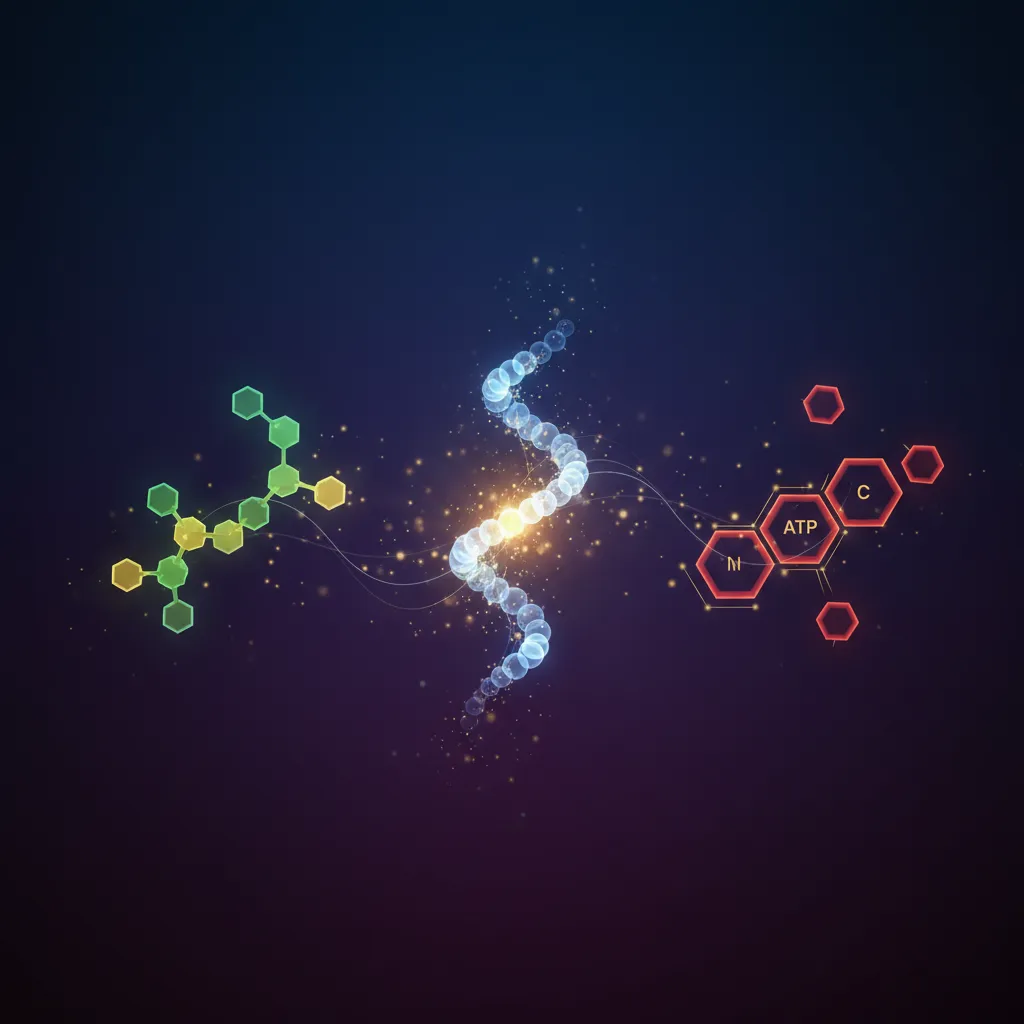
- Improved Cellular Energy Metabolism — The bioactive compounds in Maca support mitochondrial function and ATP production, leading to increased energy and stamina at the cellular level.
👉 End Result: Maca enhances the body's resilience to stress, boosts energy, and supports hormonal balance for optimal physical and mental functioning.
What are the proven benefits of taking Maca?
- ✅ Increased Energy and Stamina — Many users report increased energy levels and improved physical endurance without the jitters or "crash" associated with stimulants.
- ✅ Improved Libido and Sexual Function — Studies suggest Maca can enhance sexual desire in both men and women, and improve erectile function in men.
- ✅ Hormonal Balance Support — Particularly for menopausal women, Maca can help alleviate symptoms like hot flashes and night sweats without directly altering estrogen levels.
- ✅ Mood Enhancement and Anxiety Reduction — Maca's adaptogenic properties may contribute to a better mood and reduced symptoms of anxiety and depression.
How to take Maca for best results?
Dosage: Start with 1500 mg daily and gradually increase to 3000 mg (3 grams) per day, divided into 1-2 doses. Take it in powder or capsule form. Black Maca is often recommended for men, and red Maca for women.
When to take: It's best taken in the morning or early afternoon, as it can boost energy and might interfere with sleep if taken too late in the evening. It can be taken on an empty stomach or with food.
Practical tip: Start with a lower dose and observe your body's reaction before increasing your intake.
Should you take Maca?
✅ Yes, if:
- You want to naturally boost your energy levels and stamina without resorting to stimulants.
- You are looking for support for libido and sexual function, as well as overall hormonal balance.
- You are experiencing stress or fatigue and desire adaptogenic support for better body adaptation.
❌ No, if:
- You have hormone-sensitive conditions such as breast, uterine, or ovarian cancer, as Maca may affect hormonal balance.
- You are taking blood-thinning medications, as Maca may have anticoagulant properties.
- You are pregnant or breastfeeding, due to a lack of sufficient safety research in these cases.
Who is Maca NOT suitable for?
- Pregnant and breastfeeding women — There is insufficient research on safety during pregnancy and breastfeeding.
- Individuals with hormone-sensitive conditions — Such as breast cancer, ovarian cancer, uterine cancer, or endometriosis, as Maca may have estrogen-like effects.
- Individuals with thyroid issues — Due to its glucosinolate content, which can affect thyroid function when consumed in large quantities or with iodine deficiency.
- Individuals taking anticoagulants — Maca may affect blood clotting and interact with medications like Warfarin.
Who is Maca best suited for?
- 🏋️♂️ Strength Athletes — To increase stamina during workouts, aid recovery, and optimize hormonal balance for strength.
- 🏃 Endurance Athletes — To boost energy, reduce fatigue, and improve adaptation to long and intense efforts.
- 🧍♂️ Active Individuals — To maintain high energy levels throughout the day, reduce stress, and improve overall well-being.
- 👩🦰 Menopausal Women — To alleviate symptoms like hot flashes, night sweats, and mood swings, as well as to support libido.
What does Maca combine well with for maximum effect?
- Ashwagandha — for a synergistic adaptogenic effect that further reduces stress and improves the body's resilience, while Maca provides energy, Ashwagandha calms.
- Tribulus Terrestris — for additional support of libido and sexual function, as both herbs are known for their aphrodisiac properties.
- B Vitamins — to optimize energy metabolism, as Maca supports cellular energy production, and B Vitamins are essential cofactors.
Pros and Cons of Maca
✅ Pros
- Natural adaptogen without stimulants.
- Boosts energy and stamina.
- Improves libido and sexual function.
- Supports hormonal balance.
- May improve mood and reduce stress.
❌ Cons
- Potential interactions with hormone-sensitive conditions.
- May affect thyroid function under certain circumstances.
- Possible mild digestive issues at high doses.
How to choose quality Maca?
- Protein percentage from the label: For quality products, the protein percentage can range between 10% and 15%. Higher values are rare for pure Maca.
- Amino acid profile: Pay attention to the leucine content. In most cases, quality Maca contains about 0.5-0.8 g of leucine per 100 g of product.
- Indicator for collagen (hydroxyproline): Maca is not a source of collagen. The presence of hydroxyproline in significant amounts may indicate added ingredients.
- Additives: Avoid products with added sugars, artificial sweeteners, or unnecessary fillers. Pure Maca is best.
- Certifications and third-party testing: Products tested by independent laboratories for purity and content offer greater assurance.
When to choose Maca over alternatives?
- Choose Maca if:
- You are looking for adaptogenic properties and hormonal balance support, without focusing primarily on high protein intake.
- You need a natural source of micronutrients like copper, iron, and manganese, found in Maca.
- You prefer a product with lower protein content (around 10-15%) and slower absorption compared to fast-absorbing proteins.
- Choose whey protein if:
- Priority is rapid post-workout recovery and high protein intake (over 20 g per serving).
- You need a high percentage of leucine (around 2-3 g per serving) for maximum muscle growth.
- You are looking for a fast-absorbing product, typically within 30-60 minutes of intake.
What to compare Maca with?
Understand how Maca differs from other supplements:
- Maca vs. Caffeine — Maca offers sustained energy boost and adaptogenic support without the jitters or "crash" associated with caffeine.
- Maca vs. Tribulus Terrestris — While both support libido, Maca has a broader adaptogenic effect on overall well-being and energy, whereas Tribulus is more focused on testosterone levels.
- Maca vs. Ginseng — Both are adaptogens, but Maca is better known for its effect on libido and hormonal balance, while Ginseng is often associated with cognitive function and immune support.
⚠️ Important: Dietary supplements are not a substitute for a balanced diet and healthy lifestyle. The information in this article is for educational purposes and does not constitute medical advice. Consult a doctor before use, especially if you are taking medication, have chronic conditions, or are pregnant/breastfeeding.
Recommended products
Frequently asked questions
What is maca and what is it used for?
Maca is a root vegetable native to the Andes of Peru. It has traditionally been used to enhance energy, stamina, and libido. Modern research suggests it may have benefits for hormone balance and stress reduction.
What are the benefits of taking maca?
Maca is known for its adaptogenic properties, meaning it helps the body cope with stress. It can boost energy levels, improve mood, and support sexual function in both men and women. Some studies also suggest potential benefits for fertility.
How is maca taken?
Maca is typically available in powder, capsule, or extract form. The powder can be added to smoothies, yogurt, oatmeal, or other foods. Recommended dosages vary, so it's best to follow the package instructions or consult with a healthcare professional.
Are there any side effects to taking maca?
Maca is generally considered safe for most people when consumed in moderation. However, some individuals may experience mild digestive issues or insomnia, especially at high doses. It's advisable to start with a low dose and monitor your body's reaction.