Mass Gainer
Learn what Mass Gainer is, how it works, what the benefits are, and how to take it correctly. Expert analysis from SportZone.
What exactly is Mass Gainer and what are its main ingredients?
Mass Gainer — Mass Gainer is a dietary supplement designed to aid in increasing body weight and muscle mass by providing concentrated calories in the form of carbohydrates, proteins, and fats. It is intended for individuals who find it difficult to consume enough calories solely through regular food.
🔬 From SportZone's Experience
In our work with over 50,000 clients, we've observed that Mass Gainer is exceptionally effective for individuals with fast metabolisms who struggle to gain mass. A common mistake is using it as a meal replacement instead of a supplement, which can lead to digestive discomfort or inefficient absorption.
⚡ Mass Gainer in a nutshell
- Type: Complex dietary supplement
- Origin: Nutritional (combination of macronutrients)
- Best for: Weight and muscle gain
- Intake time: Post-workout, between meals, before sleep
- Daily dose: Varies from 500 to 1200+ calories, split into 1-2 servings
- Main benefit: Optimizes caloric intake for effective muscle growth and weight gain.
In simple terms: What does Mass Gainer do?
Imagine you're a car that needs a lot of fuel to travel a long distance and carry heavy loads. Mass Gainer is like high-octane fuel, providing a quick and easy way to load your body with the necessary calories and nutrients to "build" more muscle and gain weight, without having to eat huge amounts of food throughout the day.
👉 In other words: Mass Gainer is a concentrated calorie shake that helps your body get enough energy and building material to grow and gain weight.
Scientific Explanation of Mass Gainer
Mass Gainer is a hypercaloric dietary supplement formulated to facilitate a positive energy balance, which is a fundamental condition for hypertrophy and body weight gain. Its composition typically includes a significant amount of complex carbohydrates (e.g., maltodextrin, waxy maize, oat flour), which provide fast-digesting and sustained energy sources to replenish glycogen stores and maintain high insulin levels, promoting nutrient uptake by muscle cells. The protein fraction often contains a combination of fast and slow-digesting proteins (such as whey protein, casein) to ensure a sustained release of amino acids, maintaining a positive nitrogen balance and stimulating muscle protein synthesis.
Additionally, Mass Gainer products may include dietary fats (MCTs, flaxseed oil) to increase caloric density and provide essential fatty acids, as well as vitamins, minerals, and other ergogenic compounds like creatine, glutamine, and BCAAs, which synergistically support recovery, strength, and the body's overall anabolic response.
How does Mass Gainer support muscle growth and body weight gain?
The primary mechanism of Mass Gainer involves:
📚 Scientific Sources
- Morton, R. W., et al. (2018). "Resistance training with protein supplementation increases muscle mass and strength: A meta-analysis of the current literature." British Journal of Sports Medicine, 52(2), 147-152. (DOI: 10.1136/bjsports-2017-097608)
- Stark, M., et al. (2012). "Protein timing and its effects on muscular hypertrophy and strength in trained individuals." Journal of the International Society of Sports Nutrition, 9(1), 42. (PubMed: 22989104)
- Close, G. L., & Maughan, R. J. (2009). "Dietary strategies to optimize recovery from prolonged exercise." British Journal of Sports Medicine, 43(8), 565-570. (DOI: 10.1136/bjsm.2009.060173)
- Kerksick, C. M., et al. (2018). "ISSN position stand: nutrient timing." Journal of the International Society of Sports Nutrition, 15(1), 38. (PubMed: 30078377)
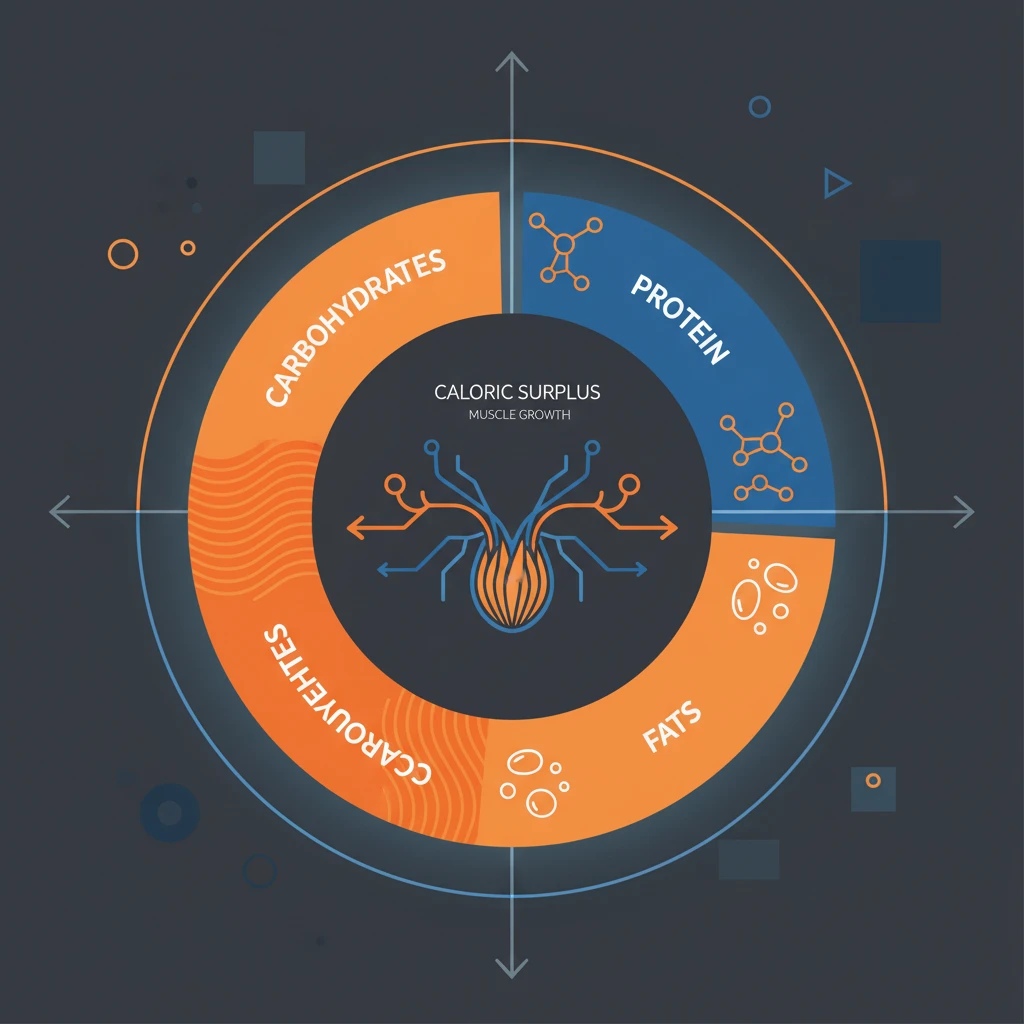
- Creating a Caloric Surplus — Provides a large amount of readily available calories, essential for weight gain when dietary intake is insufficient.
- Optimizing Macronutrient Balance — Delivers an optimal ratio of carbohydrates, proteins, and fats, supporting muscle growth, recovery, and energy levels.
- Supporting Muscle Protein Synthesis — The high-quality proteins in its composition provide the necessary amino acids for muscle tissue repair and building after training.
👉 End Result: Mass Gainer effectively supports the process of weight and muscle gain by facilitating the achievement of the required caloric and nutrient intake.
What are the main benefits of regular Mass Gainer intake for athletes?
- ✅ Increased Body Weight — The primary and most obvious benefit is aiding weight gain in individuals who struggle to reach their caloric optimum.
- ✅ Support for Muscle Growth (Hypertrophy) — The high content of protein and carbohydrates provides building blocks and energy for new muscle tissue synthesis.
- ✅ Improved Post-Workout Recovery — Carbohydrates replenish glycogen stores, and proteins aid in muscle fiber repair, reducing fatigue.
- ✅ Convenience and Ease of Consumption — Offers a quick and easy way to consume a large amount of calories and nutrients, especially when time is limited or appetite is low.
How should I properly take Mass Gainer to achieve maximum results?
Dosage: Dosage varies significantly depending on the specific product and individual needs, but it typically ranges from 500 to 1200+ calories per serving. Split the recommended daily dose into 1-2 servings to avoid digestive discomfort and ensure a steady supply of nutrients.
When to take: The most effective times to take it are immediately after training to replenish glycogen stores and stimulate protein synthesis, as well as between main meals as an additional source of calories. Some individuals prefer to take it before bed for a prolonged release of amino acids.
Practical tip: Start with a smaller dose to assess your tolerance and gradually increase it until you reach your desired calorie intake.
Should you take Mass Gainer?
✅ Yes, if:
- You have difficulty gaining weight despite consuming large amounts of food, due to a fast metabolism or low appetite.
- You have high energy needs due to intense physical activity and cannot meet them solely through solid food.
- You are looking for a convenient and effective way to increase your daily caloric and protein intake to support muscle growth.
❌ No, if:
- You gain weight easily or tend to gain fat, as the extra calories may lead to excess fat accumulation.
- You have diabetes or insulin resistance, as the high carbohydrate content can affect blood sugar levels.
- You prefer to get all your nutrients solely from whole foods and have enough time and appetite to do so.
Who is Mass Gainer NOT suitable for?
- Individuals aiming for weight loss or fat reduction — The high caloric content is counterproductive to weight reduction goals.
- Individuals with metabolic disorders — People with diabetes or insulin resistance should avoid high doses of fast carbohydrates.
- Individuals with sensitive stomachs or digestive issues — Some ingredients, especially lactose or large amounts of carbohydrates, can cause discomfort.
- Those who gain weight easily — Additional calories are more likely to lead to fat gain rather than lean muscle mass if not combined with adequate training.
For which groups of people is Mass Gainer intake most suitable?
- 🏋️♂️ Strength Athletes — Ideal for those aiming for rapid increases in muscle mass and strength, as it provides the necessary caloric surplus and protein.
- 🏃 Endurance Athletes — Beneficial for replenishing depleted glycogen stores and maintaining energy levels after prolonged workouts.
- 🧍♂️ Active individuals with fast metabolisms ("hardgainers") — Helps people who struggle to gain weight, despite eating abundantly, to achieve a caloric surplus.
- 👨🍳 Individuals with limited access to food or time — Offers a quick and convenient way to consume a complete meal on the go or with a busy schedule.
What other dietary supplements or foods does Mass Gainer combine best with?
- Creatine Monohydrate — For maximum increases in strength, muscle mass, and volume, as creatine enhances energy metabolism and muscle cell hydration.
- BCAAs (Branched-Chain Amino Acids) — For additional support of muscle recovery and reduction of muscle breakdown during intense workouts.
- Multivitamins and Minerals — To ensure optimal body function and support all metabolic processes that are enhanced during mass gain.
Pros and Cons of Mass Gainer
✅ Pros
- Significantly facilitates achieving a caloric surplus for weight gain.
- Provides a balanced ratio of macronutrients (proteins, carbohydrates, fats).
- Convenient and easy to prepare and consume, especially with a fast-paced lifestyle.
- Supports rapid recovery after intense physical exertion.
❌ Cons
- High caloric content can lead to excess fat accumulation if not aligned with the training regimen.
- Some formulas contain high amounts of sugars, which are not suitable for everyone.
- May cause digestive discomfort in individuals with sensitive stomachs, especially upon initial intake.
How to choose a quality Mass Gainer?
- Protein percentage from the label: In most cases, quality Mass Gainer products contain between 20% and 35% protein of the total serving weight. A lower percentage may indicate excessive simple carbohydrate content.
- Amino acid profile: Pay attention to the BCAA content, especially leucine. In quality products, leucine should be at least 2.5-3 grams per serving of protein for optimal muscle synthesis.
- Collagen indicator (hydroxyproline): If applicable, avoid products with high hydroxyproline content, as this may indicate added collagen, which has a lower biological index compared to whey protein.
- Additives (sweeteners, fillers): Prefer products with minimal amounts of artificial sweeteners, colorings, and fillers. Natural sweeteners like stevia are preferable.
- Certifications and third-party testing: Products tested by independent laboratories for purity and content (e.g., Informed-Sport, NSF Certified for Sport) offer additional assurance of quality and absence of banned substances.
When to choose Mass Gainer over alternatives?
- Choose Mass Gainer if:
- You have difficulty consuming enough calories daily (over 3000-3500 kcal) through solid food.
- You are looking for a convenient way to quickly consume 500-1000+ calories, 50-70 grams of carbohydrates, and 20-30 grams of protein in one serving post-workout or between meals.
- You aim for rapid weight and muscle gain, and can tolerate a higher intake of sugars (up to 10-15% of carbohydrates).
- Choose [main alternative] if:
- Whey Protein + Carbohydrates (e.g., oats, maltodextrin): You want more control over the protein/carbohydrate ratio and their sources. You can prepare shakes with 25-30g protein and 30-50g complex carbohydrates.
- Whole Foods: You can consume sufficient calories (e.g., 400-600 kcal per meal) and macronutrients from solid food without relying on supplements.
- Protein Bar: You need a quick and convenient source of protein (15-25g) and a moderate amount of carbohydrates (20-30g) on the go, but not high calories.
What to compare Mass Gainer with?
Understand how Mass Gainer differs from other supplements:
- Mass Gainer vs. Whey Protein — Mass Gainer is a complete, high-calorie, high-carbohydrate liquid meal, whereas whey protein is a concentrated protein source with low caloric content, ideal for lean muscle mass without overall weight gain.
- Mass Gainer vs. Creatine — Mass Gainer provides macronutrients for caloric surplus and muscle growth, while creatine is an energy booster that directly enhances muscle strength and endurance.
- Mass Gainer vs. BCAAs — Mass Gainer is a comprehensive solution for caloric intake and recovery, while BCAAs are specific amino acids focused on preventing muscle breakdown and supporting recovery during and after training.
📖 Detailed Comparisons with Mass Gainer
Recommended products
Frequently asked questions
What is Mass Gainer and what is it used for?
Mass Gainer is a dietary supplement designed to help people who have difficulty gaining weight and muscle mass. It is rich in calories, carbohydrates, and proteins, which provide energy and building material for muscles.
Who should take Mass Gainer?
Mass Gainer is most suitable for people with a fast metabolism (hardgainers) who find it difficult to gain weight and muscle mass despite training. It can also be useful for athletes who need extra calories and energy.
How should I take Mass Gainer?
Typically, Mass Gainer is mixed with water or milk and taken between meals or after training. Always follow the package instructions for dosage and method of intake, as they may vary depending on the specific product.
Can Mass Gainer lead to gaining fat?
Yes, if taken in excessive amounts or without adequate training, Mass Gainer can lead to the accumulation of body fat. It is important to combine it with a balanced diet and regular strength training for optimal results.