Methionine
Learn what Methionine is, how it works, what the benefits are, and how to take it correctly. Expert analysis from SportZone.
What is Methionine?
Methionine — Methionine is an essential amino acid, meaning the body cannot produce it on its own and must obtain it through food or supplements. It is a key building block for proteins and participates in numerous vital metabolic processes, including the synthesis of other amino acids and antioxidants.
🔬 From SportZone's Experience
In our work with over 50,000 clients, we see that Methionine is often underestimated but is crucial for recovery and the good condition of skin and hair after intense workouts. A common mistake is to focus only on BCAAs and proteins, without considering the importance of sulfur-containing amino acids for detoxification.
⚡ Methionine in Brief
- Type: Essential amino acid
- Source: Dietary (meat, fish, eggs, dairy products)
- Best for: Supporting protein synthesis, liver detoxification, hair, skin, and nail health
- Timing: Anytime during the day, often with food
- Daily Dose: Typically 500-1500 mg, depending on the goal
- Primary Benefit: Supports key metabolic functions and tissue building.
Simple Explanation: What Does Methionine Do?
Imagine Methionine as one of the most important "builders" and "workshops" in your body. It not only provides essential bricks for building muscles and other tissues, but it's also the master craftsman that prepares other important chemicals and cleans up waste. Without it, many other processes simply wouldn't work efficiently.
👉 In other words: Methionine is an essential amino acid that is crucial for building proteins, supporting detoxification, and regulating many cellular functions.
Scientific Explanation of Methionine
Methionine (Met or M) is an α-amino acid with the chemical formula C₅H₁₁NO₂S. It is one of the two sulfur-containing proteinogenic amino acids (the other being cysteine), which makes it unique and critical for a large number of biological processes. As an essential amino acid, it cannot be synthesized de novo by mammals and must be obtained through the diet.
Methionine is a central player in one-carbon metabolism, as it is the precursor to S-adenosylmethionine (SAMe) – a universal methyl donor involved in over 100 different methylating reactions. These reactions are key for the synthesis of DNA, RNA, proteins, phospholipids, and neurotransmitters, as well as for detoxification processes. Furthermore, methionine is a precursor to cysteine, which is important for the synthesis of glutathione – one of the most powerful antioxidants in the body. Its metabolism is closely linked to the folate and vitamin B12 cycles, highlighting the interconnectedness of nutrients for its optimal functioning.
How Does Methionine Work in the Body and Why Is It Effective?
The primary mechanisms of Methionine include:
📚 Scientific Sources
- Finkelstein, J. D. (1990) - Methionine metabolism in mammals. Annual Review of Nutrition, 10(1), 223-251. (DOI: 10.1146/annurev.nu.10.070190.001255)
- Mato, J. M., Lu, S. C. (2007) - Methionine cycle and S-adenosylmethionine metabolism. Federation of European Biochemical Societies Letters, 581(18), 3500-3506. (PMID: 17616238)
- Ducker, C. E., Rabinowitz, J. D. (2017) - Understanding cellular one-carbon metabolism. Cell Metabolism, 25(3), 506-523. (DOI: 10.1016/j.cmet.2017.02.016)
- Methylation (via SAMe) — Methionine is the precursor to S-adenosylmethionine (SAMe), which is the primary methyl group donor in the body, involved in the synthesis of DNA, RNA, proteins, neurotransmitters, and other essential molecules.
- Synthesis of Other Amino Acids — It is necessary for the production of cysteine, which in turn is a building block for glutathione – a potent antioxidant that protects cells from oxidative stress.
- Liver Detoxification — It participates in processes that help the liver process and eliminate toxins, heavy metals, and waste products, supporting the health of this key organ.
👉 End Effect: Supports overall cellular health, metabolic functions, and the body's antioxidant defense.
What Are the Proven Benefits of Taking Methionine?
- ✅ Support for Protein Synthesis — As a fundamental amino acid, Methionine is indispensable for building all proteins in the body, including those that form muscle tissue, which is crucial for recovery and growth.
- ✅ Optimizing Liver Function — It plays a key role in the production of glutathione and other compounds that aid the liver in eliminating toxins and maintaining its normal activity.
- ✅ Improving Hair, Skin, and Nail Health — Methionine is important for the synthesis of keratin, a primary structural protein that contributes to the strength and elasticity of these tissues.
- ✅ Involvement in Lipid Metabolism — It aids in the breakdown and transport of fats, helping to prevent their accumulation in the liver (lipotropic effect).
How to Take Methionine for Best Results?
Dosage: Standard doses range between 500 mg and 1500 mg daily, often divided into 2-3 servings. For specific conditions or under medical supervision, doses may be higher. Always follow the manufacturer's instructions or a specialist's recommendations.
When to Take: It can be taken at any time of the day, but it is recommended to take it with food to minimize potential stomach discomfort and optimize absorption. For muscle recovery purposes, it can be taken post-workout.
Practical Tip: For maximum effectiveness and synergistic effects, combine Methionine with B vitamins (especially B6, B9, and B12), which are cofactors in its metabolism.
Should You Take Methionine?
✅ Yes, if:
- You have a low-animal protein diet (e.g., vegan), as Methionine is an essential amino acid primarily found in them.
- You want to support liver detoxification processes, as Methionine is key for glutathione production.
- You aim to improve hair, skin, and nail health, as Methionine is important for keratin synthesis.
❌ No, if:
- You suffer from certain genetic disorders like homocystinuria, where Methionine can accumulate to toxic levels.
- You already consume enough protein from animal sources, as you are likely getting adequate amounts.
- You have pre-existing kidney conditions, as high amino acid intake can strain the kidneys.
Who is Methionine NOT Suitable For?
- Individuals with Homocystinuria: This is a rare genetic disorder where the body cannot metabolize Methionine properly, leading to toxic accumulation.
- Individuals with Severe Liver Disease: Although Methionine supports detoxification, in certain advanced conditions, medical consultation may be necessary.
- Pregnant and Breastfeeding Women: There is insufficient research on the safety of high doses of Methionine in these groups, so consulting a doctor is recommended.
- Individuals Taking Certain Medications: Methionine can interact with some medications, such as those for Parkinson's (L-Dopa), so it's important to consult a doctor.
Who is Methionine Most Suitable For?
- 🏋️♂️ Strength Athletes — Supports protein synthesis and muscle recovery after intense workouts, which is key for adaptation and growth.
- 🏃 Endurance Athletes — Contributes to tissue repair and immune function maintenance, which can be compromised during prolonged exertion.
- 🧍♂️ Active Individuals — Supports overall health, energy metabolism, and detoxification, which is important for coping with daily stress and workload.
- 🌱 Vegans and Vegetarians — As an essential amino acid that is more abundant in animal products, supplementation can compensate for potential deficiencies in meat-free diets.
What Does Methionine Combine Well With for Maximum Effect?
- B Vitamins (B6, B9/Folate, B12) — Why and When: These are cofactors in Methionine's metabolic pathway, especially in its conversion to S-adenosylmethionine (SAMe) and homocysteine recycling. Combining them can ensure optimal functioning of methylation processes and maintain healthy homocysteine levels.
- Choline and Inositol — Why and When: These lipotropic agents work synergistically with Methionine to support fat metabolism and liver detoxification, preventing fat accumulation.
- Cysteine and Glutathione — Why and When: Methionine is a precursor to cysteine, which is in turn necessary for glutathione synthesis. Combining them can enhance the body's antioxidant defense and detoxification capacity.
Pros and Cons of Methionine
✅ Pros
- Essential amino acid, vital for many functions.
- Supports protein synthesis and tissue repair.
- Key role in liver detoxification.
- Improves hair, skin, and nail health.
- Important for the production of powerful antioxidants like glutathione.
❌ Cons
- High doses can increase homocysteine levels in sensitive individuals.
- Potential gastrointestinal discomfort for some people.
- Not suitable for individuals with certain metabolic disorders.
How to Choose Quality Methionine?
- Protein percentage from the label: For quality products, especially if part of a protein blend, look for over 80% protein. Pure L-Methionine should be almost 100% active ingredient.
- Amino acid profile: If Methionine is part of a complex product, check for a balanced profile. In most cases, high levels of leucine (over 2.5g per serving) indicate a complete protein.
- Indicator for collagen (hydroxyproline): If hydroxyproline is present in significant amounts, the product may contain collagen, which is not optimal for muscle growth due to an incomplete amino acid profile.
- Additives: Avoid products with excessive sweeteners, artificial colors, and fillers that reduce the concentration of the active ingredient.
- Certificates and third-party testing: In most cases, the presence of purity certificates and absence of banned substances (e.g., Informed-Sport) is a guarantee of quality.
When to Choose Methionine Over Alternatives?
- Choose Methionine if:
- Choose whey protein (WPC/WPI) if:
- Your main goal is maximum muscle growth and recovery, due to its high protein content (over 80%) and rapid absorption.
- You are looking for high intake of BCAAs, especially leucine (over 2.5g per serving), to stimulate the mTOR pathway.
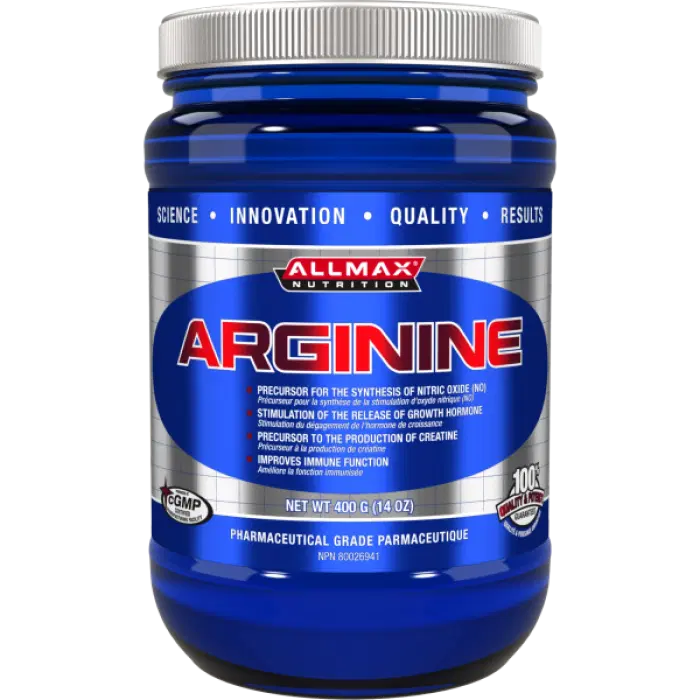
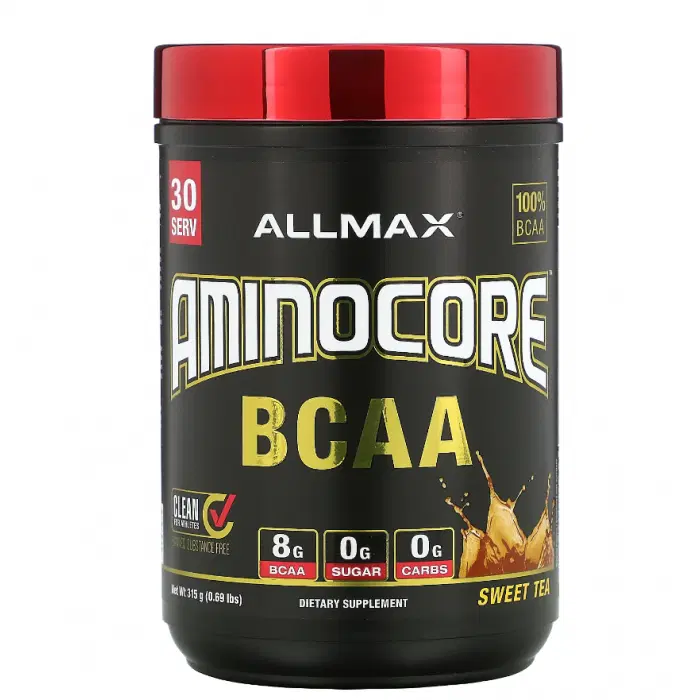
Recommended products
Frequently asked questions
What is methionine and what is it used for?
Methionine is an essential amino acid that the body cannot produce on its own. It is important for protein synthesis, metabolism, and detoxification. It is often used as a dietary supplement to improve liver, hair, and nail health.
What are the benefits of taking methionine?
Methionine plays a key role in the formation of proteins, including keratin, which is a major component of hair and nails. It also aids in the body's detoxification by participating in the production of glutathione, a powerful antioxidant, and supports liver health.
Are there any side effects from taking methionine?
At normal doses, methionine is generally well-tolerated. However, excessive intake may lead to stomach upset, nausea, or diarrhea. Individuals with certain health conditions, such as kidney problems, should consult a doctor before taking it.
What foods contain methionine?
Methionine is naturally found in many protein-rich foods. Good sources include meat, fish, eggs, dairy products, as well as some seeds and nuts. Vegetarians and vegans can ensure adequate methionine intake through a combination of various plant-based foods.