Mini cut

Brief expert definition: What is a Mini cut, how it works in the body, and how it is applied in sports nutrition.
Short answer: A mini cut is an aggressive, short-term (2-6 weeks) calorie deficit aimed at rapid fat loss with minimal muscle loss, through high protein intake (2.0-3.0 g/kg body weight) and intense training. Practical advice: Use a mini cut to "reset" accumulated fat after a "bulk" phase, allowing for longer and more effective periods of muscle growth.
Mini cut is a short-term period of aggressive calorie deficit, aiming for rapid body fat loss using high intensity and protein intake.
For a more in-depth review, see the complete nutrition guide — a fundamental manual from the expert team at Sport Zona.
What is a mini cut cycle?
A mini cut cycle is a short period where fewer calories are consumed to quickly lose body fat without losing muscle mass.
📖 Mini Cut
A mini cut is a short-term, aggressive calorie deficit aimed at rapid body fat loss for 2-6 weeks, while maintaining muscle mass with a high intake of protein.
A mini cut, also known as a "mini cutting cycle," is a strategic approach in sports nutrition characterized by the deliberate creation of a significant calorie deficit for a relatively short period. Unlike traditional long-term weight loss phases, a mini cut is designed to be more aggressive but with a limited duration, typically 2 to 6 weeks. Its primary goal is to reduce accumulated body fat, often after a "bulking" period (muscle mass gain), without causing a significant decrease in metabolism or excessive muscle tissue loss.
The biochemical essence of a mini cut is based on forcing the body to use stored fat reserves for energy. This is achieved by maintaining a negative energy balance, where calorie intake is significantly lower than expenditure. Simultaneously, protein intake remains high to minimize muscle protein breakdown (catabolism), which is a common side effect during prolonged and/or insufficient protein deficit.
How does a mini cut work?
A mini cut is an aggressive, short-term diet aimed at rapid fat loss for a period of 2 to 6 weeks.
- Fast and effective fat loss in a short period
- Allows for extended muscle growth (bulking) phases without excessive fat accumulation
- Maintains metabolic health and insulin sensitivity
- Minimizes muscle breakdown through high protein intake
Disadvantages
- Requires a strong calorie deficit, which can lead to fatigue and hunger
- Not suitable for beginners or individuals without experience with aggressive diets
- Risk of overtraining if high training intensity is maintained in a low-calorie state
The mechanism of a mini cut involves two main strategies: a significant calorie deficit and muscle mass preservation. A large calorie deficit, often 20-30% below maintenance calories (and sometimes more depending on the individual and duration), forces the body to mobilize its fat reserves. To compensate for *potential* muscle tissue breakdown, it is crucial to consume sufficient protein. Studies show that an intake of 2.0-3.0 grams of protein per kilogram of body weight can effectively protect muscle mass during a calorie deficit, especially when combined with weight training.
Over 2-6 weeks, training intensity is usually kept high, while volume may be slightly reduced to avoid overtraining under low-calorie conditions. Although weight loss is rapid, the focus is on fat mass loss, not just body weight. The physiological response includes increased lipolysis (fat breakdown) and fatty acid oxidation, while striving to maintain protein synthesis in the muscles.
Why is a mini cut important for athletes?
A mini cut is an important tool for athletes, especially those involved in bodybuilding, strength sports, and other disciplines requiring periodic muscle mass increases. It allows for a quick and effective "reset" of accumulated body fat, which occurs after periods of caloric surplus, without the need for long cutting cycles.
This approach helps athletes stay within a suitable body fat range, maintaining insulin sensitivity and overall metabolic health. For example, ISSN recommendations for protein intake for active individuals are 1.4-2.0 g/kg body weight, but during a calorie deficit, up to 2.3-3.1 g/kg body weight of lean mass is often recommended for maximum muscle protection. By incorporating 2-6 week mini cuts, athletes can extend their "bulking" phases without becoming "too" fat, which would make future cutting phases more difficult and could negatively impact performance and appearance. This improves the efficiency of the training cycle and maintains sustainability in an athletic career.
What are the related concepts?
Related concepts to the mini cut include lean bulk, calorie deficit, and energy balance.
In my practice, the mini cut is effective for returning athletes to a good body fat percentage, especially after bulking, and I recommend 2.5-3.0 grams of protein per kilogram of body weight for maximum muscle mass preservation. — Petar Mitkov
Remember: A mini cut is a strategic approach for rapid fat reduction that optimizes the training cycle and maintains athlete performance while preserving muscle mass.
Scientific Sources
- Evidence-based recommendations for natural bodybuilding contest preparation: nutrition and supplementation, 2014
- The effect of two different weight loss rates on body composition and strength and power performance indices in elite athletes, 2011
- Metabolic adaptation to weight loss: implications for the athlete, 2014
Expert Note from Sport Zona
When working with athletes, I often observe that short mini-cuts are effective for breaking plateaus in weight loss. It's important to monitor recovery and strength, as an aggressive deficit can compromise progress. Successful implementation of a mini cut requires precise planning and careful body monitoring.
Recommended products
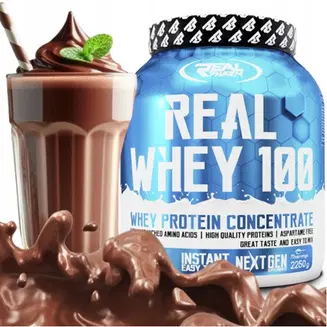
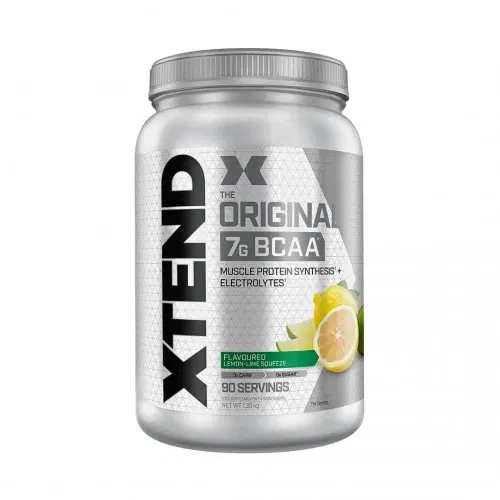
Frequently asked questions
What is a "mini cut" and what is its main goal?
A "mini cut" is a short period of a targeted and aggressive calorie deficit. Its main goal is to rapidly reduce body fat while minimizing muscle mass loss.
How long does a "mini cut" typically last and what calorie deficit is recommended?
A "mini cut" typically lasts from 2 to 6 weeks. The recommended calorie deficit is significant, often 20-30% below maintenance calories, sometimes more, depending on the individual.
How does a "mini cut" help preserve muscle mass?
Muscle mass preservation is achieved by maintaining a high protein intake, which can reach 2.0-3.0 grams per kilogram of body weight. Combining it with weight training also plays a key role.
When is it most appropriate to implement a "mini cut"?
A "mini cut" is particularly useful for athletes after periods of "bulking" (muscle mass gain) to reduce accumulated fat before the next cycle. It helps extend bulking phases without excessive fat gain.