NAC (N-acetylcysteine)
Learn what NAC (N-acetylcysteine) is, how it works, its benefits, and how to take it correctly. Expert analysis from SportZone.
What is NAC (N-acetyl cysteine)?
NAC (N-acetyl cysteine) — NAC, or N-acetyl cysteine, is a stable form of the semi-essential amino acid L-cysteine, which plays a key role in the synthesis of glutathione – one of the most powerful antioxidants in the body. It is known for its mucolytic, antioxidant, and detoxifying properties, making it a valuable supplement in sports nutrition and health.
🔬 From SportZone's practice
In our work with over 50,000 clients, we see that NAC is often an underestimated supplement, but it is extremely effective for athletes looking for faster recovery after intense workouts and reduced inflammation. A common mistake is to take it only for a cold, while its true potential lies in prevention and maintaining optimal health.
⚡ NAC (N-acetyl cysteine) in brief
- Type: Amino acid (L-cysteine derivative)
- Origin: Synthetic (stabilized form of a natural amino acid)
- Best for: Antioxidant defense, detoxification, respiratory function, recovery
- When to take: Anytime of the day, preferably with food or between meals
- Daily dose: 600-1800 mg, divided into 1-3 doses
- Main benefit: Increases glutathione levels, protects cells from oxidative stress, and supports detoxification.
In simple terms: What does NAC (N-acetyl cysteine) do?
Imagine your body is like a big city, and the cells are the buildings. Every day, "waste" and "pollution" (free radicals and toxins) are generated in the city from daily life, workouts, and stress. NAC is like the city's best cleaner and defender, supplying special "materials" (cysteine) to build a super-powerful "cleaning crew" (glutathione). This crew not only cleans up the mess but also strengthens the buildings against future damage.
👉 In other words: NAC helps the body produce its own internal "super-defense" that fights harmful substances and keeps cells healthy.
Scientific explanation of NAC (N-acetyl cysteine)
N-acetyl cysteine (NAC) is an acetylated derivative of L-cysteine, characterized by increased bioavailability and stability compared to the non-acetylated form. As a semi-essential amino acid, L-cysteine is the limiting substrate for the biosynthesis of the tripeptide glutathione (GSH), which consists of glutamate, cysteine, and glycine. NAC effectively increases intracellular cysteine levels, which in turn stimulates the endogenous synthesis of glutathione.
Glutathione is a central component of the body's antioxidant defense system, participating in the detoxification of xenobiotics and endogenous toxins, neutralization of reactive oxygen species (ROS), and maintenance of redox balance. In addition to its role as a glutathione precursor, NAC also possesses direct antioxidant properties through the reduction of disulfide bonds, as well as mucolytic effects by breaking down disulfide bridges in mucoproteins, leading to a decrease in the viscosity of mucus in the respiratory tract.
How does NAC (N-acetyl cysteine) work in the body and why is it effective?
The main mechanisms of NAC (N-acetyl cysteine) include:
📚 Scientific sources
- De Rosa et al., 2017 - N-acetylcysteine in the prevention of oxidant-induced chronic disease (DOI: 10.1016/j.ajkd.2016.08.026)
- Mousavi et al., 2019 - The effect of N-acetylcysteine on exercise-induced oxidative stress: a systematic review and meta-analysis (PubMed: 30485989)
- Rushworth & Jenner, 2017 - N-acetylcysteine: A Potential Therapeutic Option for Oxidative Stress in Chronic Diseases (DOI: 10.3390/ijms18081682)
- Kerksick et al., 2018 - International Society of Sports Nutrition Position Stand: nutrient timing (DOI: 10.1186/s12970-018-0242-y)
- Glutathione boost — NAC provides the necessary cysteine, which is a key building block for the production of glutathione – the most powerful intracellular antioxidant.
- Direct antioxidant — NAC can directly neutralize free radicals, thus protecting cells from oxidative damage.
- Mucolytic action — It breaks down disulfide bonds in mucin, which reduces mucus viscosity and facilitates its expulsion from the respiratory tract.
👉 End result: These mechanisms lead to powerful antioxidant defense, improved respiratory function, and support for detoxification processes in the liver.
What are the proven benefits of taking NAC (N-acetyl cysteine)?
- ✅ Powerful antioxidant defense — NAC significantly increases glutathione levels, protecting cells from damage caused by free radicals, which is especially important after intense workouts.
- ✅ Respiratory system support — Thanks to its mucolytic properties, NAC helps to thin mucus in the lungs, alleviating conditions such as bronchitis and other respiratory problems.
- ✅ Liver detoxification — It participates in the detoxification of heavy metals and other toxins, supporting liver function and protecting it from damage.
- ✅ Improved recovery — Reduces oxidative stress and inflammation after physical exertion, which aids in faster muscle recovery and reduced muscle fatigue.
How to take NAC (N-acetyl cysteine) for best results?
Dosage: The usual dosage ranges between 600 mg and 1800 mg daily, divided into 1 to 3 doses. For sports purposes, 600-1200 mg are often recommended after training or before bed. For specific health conditions, the dosage may be higher, but always under medical supervision.
When to take: It can be taken at any time of the day, but for optimal absorption and to minimize digestive discomfort, it is best taken with food or between meals. For recovery, taking it after training is effective.
Practical advice: Start with a lower dose and gradually increase it to see how your body reacts, and always drink plenty of water.
Should you take NAC (N-acetyl cysteine)?
✅ Yes, if:
- You are looking for a powerful antioxidant to support your recovery after intense workouts and reduce oxidative stress.
- You have respiratory issues or wish to support lung health, especially during periods of pollution or allergies.
- You want to support the body's natural detoxification processes, especially liver function.
❌ No, if:
- You have an allergy to NAC or any of its components, as this can cause adverse reactions.
- You are taking blood-thinning medications, as NAC may enhance their effect and increase the risk of bleeding.
- You have recently had or are scheduled for surgery, as it may affect blood clotting.
Who is NAC (N-acetyl cysteine) NOT suitable for?
- People with asthma (uncontrolled) — Although NAC helps with respiratory problems, in some people with active asthma, it may cause bronchospasm.
- Pregnant and breastfeeding women — There is insufficient research on the safety of NAC in these groups, so avoidance or consultation with a doctor is recommended.
- People with blood clotting issues or taking anticoagulants — NAC may affect blood coagulation, increasing the risk of bleeding.
- Children without a doctor's prescription — Dosages and effects in children are not sufficiently studied and should only be administered under medical supervision.
Who is NAC (N-acetyl cysteine) best for?
- 🏋️♂️ Strength athletes — Improves recovery after heavy workouts, reducing oxidative stress and muscle damage.
- 🏃 Endurance athletes — Supports respiratory function and reduces fatigue, allowing for longer and more intense efforts.
- 🧍♂️ Active individuals — Helps maintain overall health, boosts immunity, and supports detoxification from daily environmental factors.
- 🌱 Vegans and vegetarians — Can contribute to cysteine intake, which is more limited in plant-based diets.
What does NAC (N-acetyl cysteine) combine well with for maximum effect?
- Vitamin C — Enhances the antioxidant effect, as Vitamin C aids in glutathione regeneration and acts synergistically with NAC.
- Alpha-lipoic acid (ALA) — Another powerful antioxidant that works synergistically with NAC to maintain glutathione levels and protect against oxidative stress.
- Milk Thistle — Further supports the liver's detoxification function, synergistically protecting liver cells along with NAC.
Pros and cons of NAC (N-acetyl cysteine)
✅ Pros
- Potent antioxidant, boosts glutathione.
- Supports respiratory function and detoxification.
- Aids in post-workout recovery.
- Has potential benefits for mental health.
❌ Cons
- Possible digestive upset (nausea, diarrhea) at high doses.
- Unpleasant (sulfur) smell of the product itself.
- Not suitable for all groups of people (pregnant women, people with asthma, those taking anticoagulants).
How to choose quality NAC (N-acetyl cysteine)?
- Product Purity: For quality products, look for information on NAC purity. In most cases, it should be above 98%.
- Form of NAC: NAC is available in various forms (capsules, powder). Choose the form that is most convenient for you and suits the dosage.
- Additives and Fillers: Avoid products with unnecessary additives, artificial sweeteners, colors, and fillers. For quality products, the ingredient list is short and clear.
- Dosage: Check the dosage per serving. It should be in line with recommended daily doses for sports nutrition, which typically range from 600 mg to 1800 mg.
- Certificates and Third-Party Testing: The presence of certificates from independent laboratories (e.g., for purity and absence of contaminants) is an indicator of product quality and reliability.
When to choose NAC (N-acetyl cysteine) over alternatives?
- Choose NAC (N-acetyl cysteine) if:
- You are looking for specific antioxidant support and glutathione enhancement.
- You need support for the respiratory system and mucus secretion.
- You aim to reduce oxidative stress after intensive workouts.
- Choose [main alternative, e.g., Vitamin C] if:
- The priority is general immune support and collagen synthesis.
- You are looking for a broader spectrum of antioxidant benefits not specific to glutathione.
- You need higher doses for general health, for example, 500-1000 mg daily.
What to compare NAC (N-acetyl cysteine) with?
Understand how NAC (N-acetyl cysteine) differs from other supplements:
- Glutathione (supplement) — NAC is more effective at increasing intracellular glutathione levels as it is its precursor, whereas oral glutathione has low bioavailability.
- Vitamin C — NAC is specific to the glutathione pathway and mucolytic effects, while Vitamin C is a more general antioxidant and immunostimulant.
- Alpha-lipoic acid (ALA) — NAC is more focused on pulmonary health
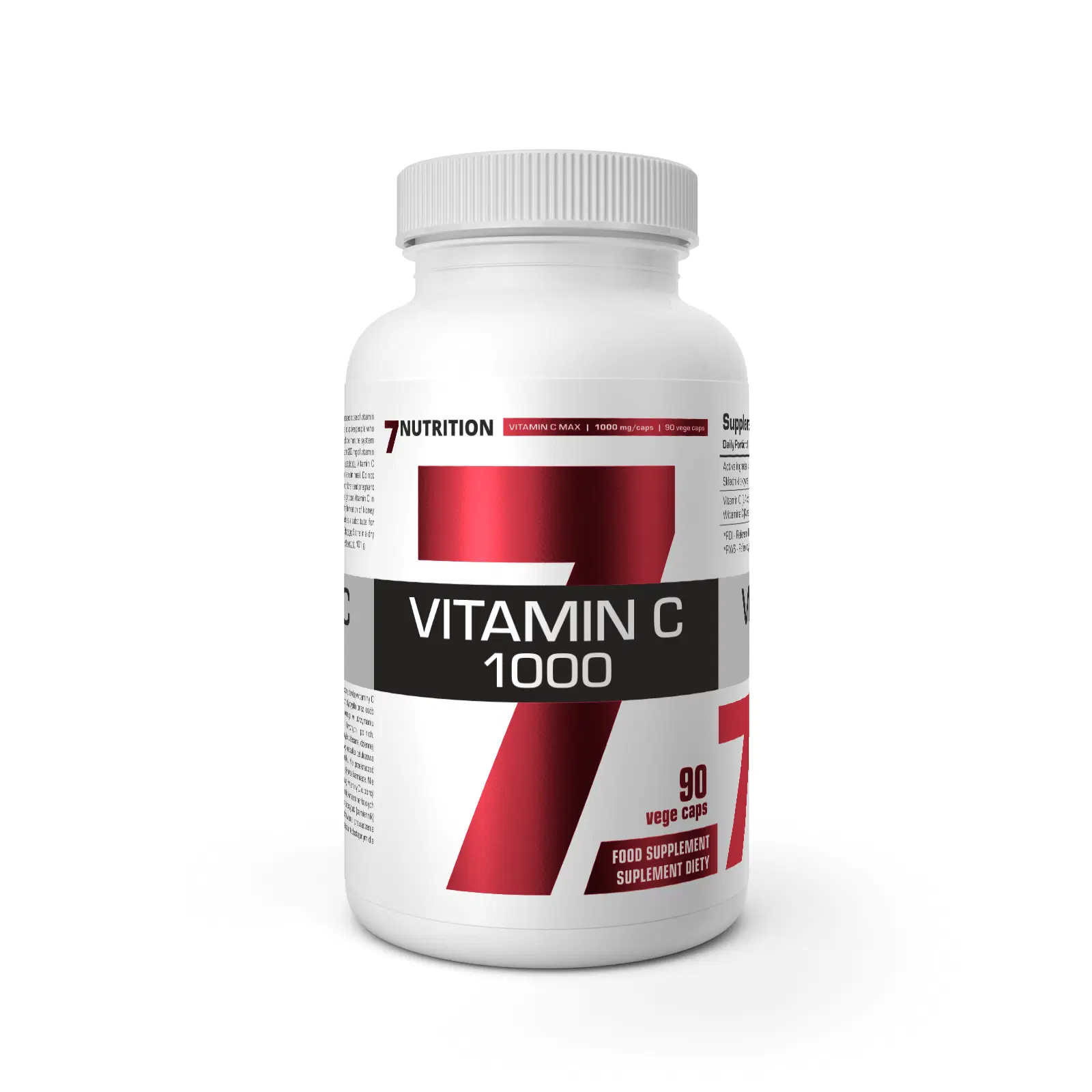
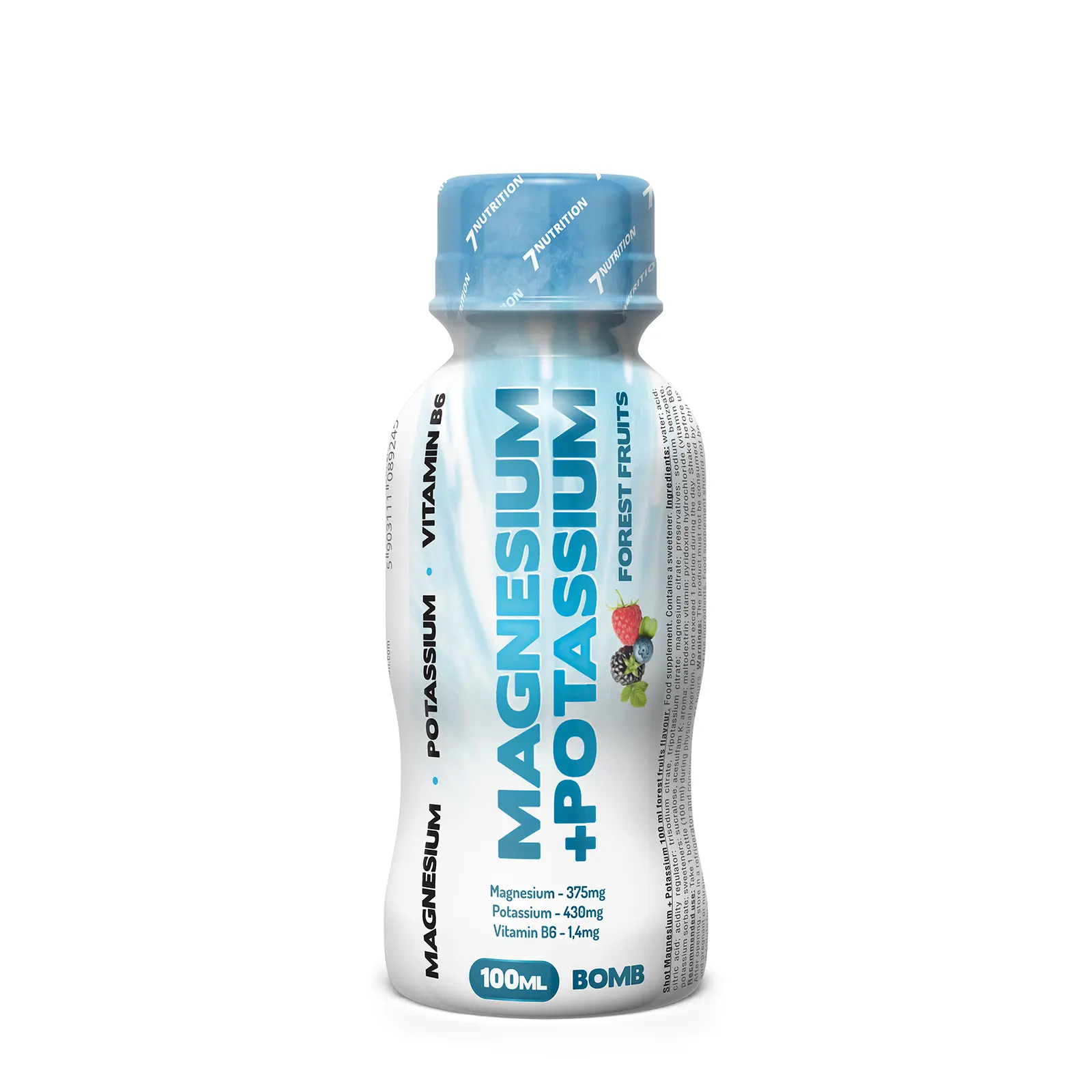
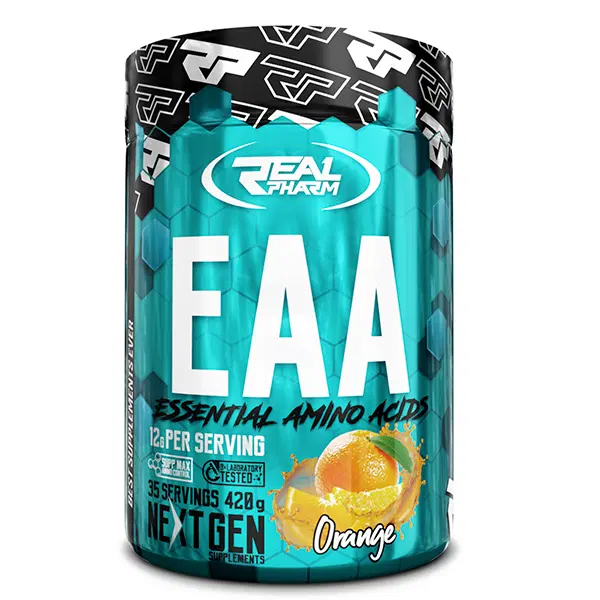
Recommended products
Frequently asked questions
What exactly is NAC and what is it used for?
NAC, or N-acetyl cysteine, is a form of the amino acid cysteine. It is used as a dietary supplement as well as a medication to treat various conditions, including respiratory diseases and acetaminophen overdose.
Can NAC help with respiratory problems like bronchitis or COPD?
Yes, NAC has mucolytic properties, meaning it helps to thin thick mucus in the airways. This can alleviate symptoms in conditions such as bronchitis, COPD, and cystic fibrosis by making it easier to cough up.
What are the potential side effects of taking NAC?
The most common side effects of taking NAC are related to the digestive system, such as nausea, vomiting, and diarrhea. Some people may also experience headaches or a rash. These effects are usually mild and temporary.
What is the recommended dosage of NAC and does it matter when it is taken?
The recommended dosage of NAC varies depending on the purpose of intake and can range from 600 mg to 1800 mg per day, divided into several doses. Some people prefer to take it with food to reduce the likelihood of stomach problems.