Paleo diet
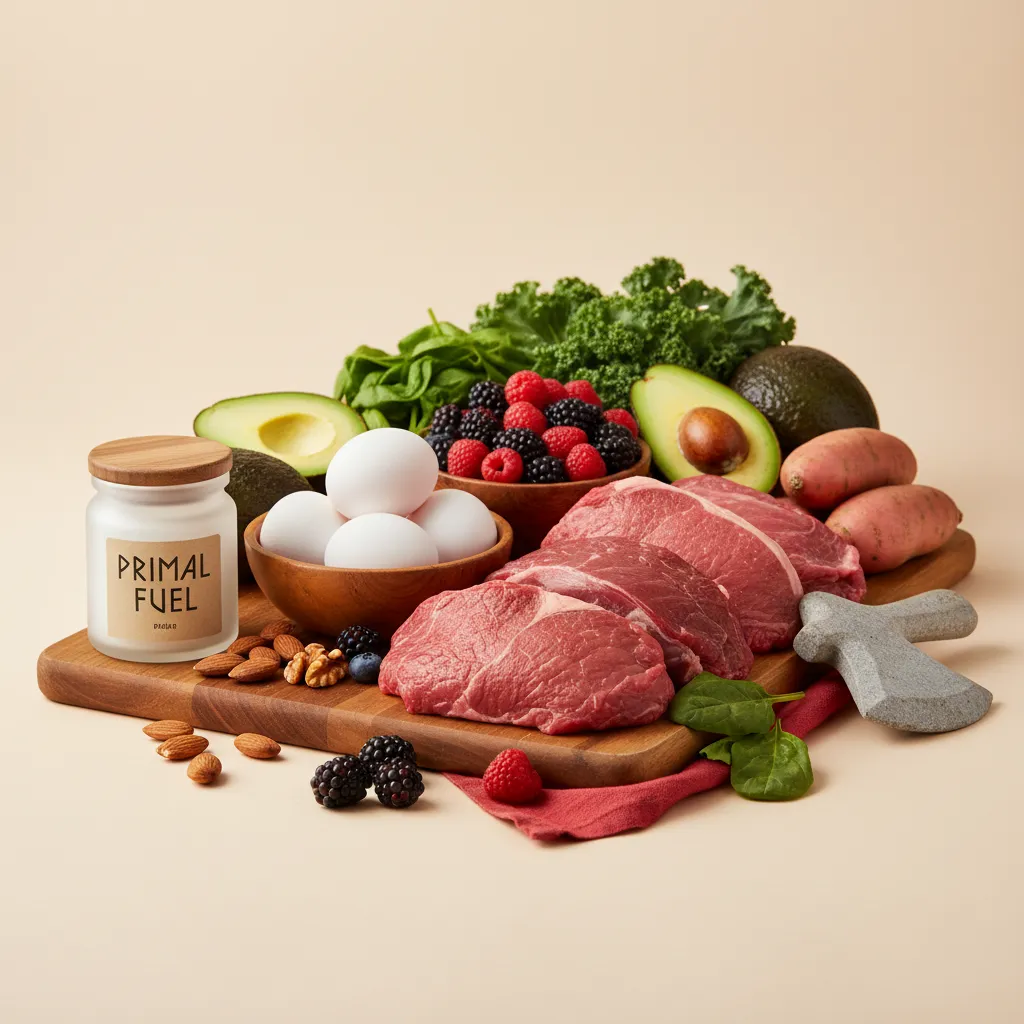
Brief expert definition: What is the Paleo diet, how it works in the body, and how it is applied in sports nutrition.
Short answer: The Paleo diet, mimicking our ancestors' nutrition, excludes grains, legumes, dairy, and processed foods, focusing on meat, fish, eggs, fruits, vegetables, nuts, and seeds to optimize health and athletic performance by eliminating inflammatory foods and stabilizing blood sugar. Practical tip: To improve recovery and energy metabolism, try replacing refined carbohydrates with whole protein sources and healthy fats.
Paleo diet is a nutritional regimen that imitates the eating habits of early humans, using natural and unprocessed foods.
This article is part of the complete guide to proper nutrition — a fundamental guide from the expert team at Sport Zona.
What is the Paleo Diet?
The Paleo diet is a nutritional regimen that aims to replicate the eating habits of our Stone Age ancestors, emphasizing natural and unprocessed foods.
📖 Paleo Diet
The Paleo diet is a nutritional regimen that imitates the eating habits of early humans, focusing on natural, unprocessed foods such as meat, vegetables, fruits, nuts, and seeds, while avoiding grains, legumes, and dairy products.
The Paleo diet, also known as the "Stone Age diet" or "caveman diet," is a dietary pattern that attempts to replicate the eating habits of our ancestors from the Paleolithic period. This regimen is based on the concept that the human body is genetically adapted to a certain type of food that was available before the development of agriculture and the industrial food revolution. The main idea is that modern chronic diseases and metabolic dysfunctions are a result of consuming foods that are evolutionarily new to the human organism.
In essence, the Paleo diet focuses on consuming whole, unprocessed foods. This includes high-quality sources of animal protein (lean meat, fish, seafood, eggs), abundant fresh fruits and vegetables, nuts and seeds, as well as healthy fats like avocado and olive oil. Strictly avoided are grains (wheat, rice, corn, oats), legumes (beans, lentils, chickpeas), dairy products, refined sugar, processed foods, and vegetable oils high in omega-6 fatty acids.
Biochemically, the Paleo diet promotes a lower glycemic index of foods, limiting fast carbohydrates that lead to sharp spikes in blood sugar and insulin response. This can contribute to stabilizing energy levels and reducing the risk of insulin resistance. The regimen is often higher in protein and fiber, which provides a prolonged feeling of fullness and helps maintain muscle mass, even during a calorie deficit.
How Does the Paleo Diet Work?
The mechanism of the Paleo diet is based on consuming whole, unprocessed foods like meat, fish, eggs, fruits, vegetables, nuts, and seeds, excluding grains, legumes, dairy products, processed foods, and added sugar.
- Promotes consumption of whole, unprocessed foods
- High intake of proteins and fiber, supporting satiety and muscle mass
- Potential stabilization of blood sugar and energy levels
- Reduces intake of inflammatory foods and antinutrients
The mechanism of the Paleo diet is based on several key principles that are thought to optimize metabolism and overall health. By eliminating grains, legumes, and dairy products, the intake of antinutrients like phytates and lectins is reduced, which can interfere with nutrient absorption and cause inflammatory reactions in the digestive system. The absence of added sugar and processed foods reduces caloric intake from "empty" calories and maintains stable blood sugar levels, preventing insulin spikes.
The Paleo diet encourages the consumption of nutrient-dense foods that provide adequate amounts of vitamins, minerals, antioxidants, and fiber. The high intake of protein from animal sources contributes to a feeling of fullness, maintains muscle mass, and thermogenesis, which is beneficial for weight management. Healthy fats from avocado, nuts, and fish provide essential fatty acids and fat-soluble vitamins, supporting hormonal balance and cellular function. As a result, many people on this diet report improved digestion, increased energy, and reduced inflammatory processes.
- Elimination of antinutrients and inflammatory foods.
- Stabilization of blood sugar and insulin response.
- High intake of whole proteins and fiber.
- Rich in micronutrients and healthy fats.
Why is the Paleo Diet Important for Athletes?
The Paleo diet is a nutritional regimen that offers significant advantages for athletes related to energy metabolism, recovery, and overall performance, providing a constant supply of quality nutrients for tissue repair and optimization of bodily functions by focusing on whole, unprocessed foods and a high protein intake (typically over 1.6 g/kg body weight) for muscle protein synthesis and prevention of muscle catabolism after intense training.
While associated with lower carbohydrate intake compared to traditional sports diets, the Paleo diet is not necessarily low-carb. Athletes can adjust their carbohydrate intake from fruits and root vegetables (like sweet potatoes, pumpkin) according to their energy needs, especially around training periods. This allows for the maintenance of glycogen stores without consuming grains. Furthermore, eliminating inflammatory components often found in processed foods and some grains can reduce systemic inflammation, accelerating recovery and reducing post-exercise muscle soreness. Adequate micronutrient intake from abundant vegetables and fruits strengthens the immune system and overall antioxidant defense, which is stressed during high athletic loads.
What are Similar Concepts to the Paleo Diet?
Ketosis is a state that the Paleo diet can lead to, especially in its lower-carbohydrate variations, although it is not the primary goal. The Carnivore diet is a stricter variant that excludes almost all plant-based foods, while Paleo allows fruits and vegetables. The Keto diet focuses on macronutrient composition to achieve ketosis, while Paleo concentrates on the selection of whole, unprocessed foods. Whole Foods - Paleo is based on the consumption of whole, unprocessed foods.
For active individuals, Paleo can be effective, but it's important to ensure adequate carbohydrate intake from allowed sources like sweet potatoes - around 200-300 grams daily to maintain glycogen with moderate training. — Petar Mitkov
Remember: The Paleo diet emphasizes evolutionarily compatible, unprocessed foods, which can improve health and athletic performance by reducing inflammation and optimizing digestion.
Expert Note from Sport Zona
From our years of experience with athletes, I've noticed that adapting a diet to individual needs is the key to success. A strictly Paleo diet is difficult for many trainees to follow, so we often recommend a more flexible approach with an emphasis on unprocessed foods and quality protein, but also a moderate amount of complex carbohydrates when needed.
Recommended products




Frequently asked questions
What foods are forbidden on the Paleo diet?
The Paleo diet avoids grains, legumes, dairy products, processed foods, sugar, and refined vegetable oils. The goal is to consume only foods available before the agricultural revolution.
How does the Paleo diet affect athletic performance?
The regimen provides a constant supply of quality nutrients for the recovery and optimization of bodily functions. High protein intake supports muscle mass, and a stable glycemic index aids in better energy metabolism.
What are the main benefits of the Paleo diet?
Key benefits include the elimination of antinutrients and inflammatory foods, stabilization of blood sugar and insulin response. It also promotes better digestion and increased energy.
Can the Paleo diet lead to side effects?
When transitioning to a lower-carbohydrate diet, you may feel sluggish at first. It is important to emphasize adequate fluid and electrolyte intake.