Pre-Workout

Learn what Pre-Workout is, how it works, what its benefits are, and how to take it correctly. Expert analysis from SportZone.
What is Pre-Workout?
Pre-Workout — Pre-Workout is a specialized nutritional supplement formulated to be taken before physical activity, aiming to enhance energy, focus, endurance, and strength performance. It contains a synergistic combination of ingredients such as caffeine, creatine, beta-alanine, amino acids, and other stimulants or vasodilators.
🔬 From SportZone's Experience
In our work with over 50,000 clients, we've observed that a well-chosen Pre-Workout can drastically improve workout quality, especially for individuals with busy schedules. A common mistake is excessive use or combining it with other stimulants, leading to unwanted side effects like heart palpitations and insomnia. We notice that users with low caffeine tolerance often prefer stimulant-free or lower-dose options.
⚡ Pre-Workout in a Nutshell
- Type: Complex dietary supplement
- Origin: Synthetic / nutritional (extracts)
- Best for: Enhancing workout performance
- Timing: 20-30 minutes before exercise
- Daily dose: Varies by formula, typically 1 serving (5-20g)
- Main benefit: Increases energy, focus, and endurance for a more effective workout.
Explained Simply: What Does Pre-Workout Do?
Imagine you want to climb a tall mountain, but you feel tired even before you start. Pre-Workout is like your "special snack" or "energy drink" that gives you an extra boost – it sharpens your mind, wakes up your muscles, and makes you feel stronger and more focused to tackle the challenge of your workout. It’s like putting a turbo on your engine before a race.
👉 In other words: Pre-Workout is a supplement that helps you train harder, longer, and with more focus by fueling you with energy and motivation.
Scientific Explanation of Pre-Workout
Pre-Workout is a multi-component dietary supplement whose formula is synergistically designed to optimize the physiological and cognitive functions associated with training performance. It typically contains stimulants like caffeine, which is an adenosine receptor antagonist, leading to increased alertness and reduced perception of fatigue. The inclusion of creatine monohydrate aims to increase intramuscular phosphocreatine stores, critical for ATP resynthesis during short, high-intensity efforts. Beta-alanine is a precursor to carnosine, a buffer that reduces the accumulation of hydrogen ions in muscles, delaying the onset of muscle fatigue.
Other common ingredients include L-citrulline or L-arginine, which are nitric oxide (NO) precursors, leading to vasodilation and improved blood flow to working muscles, enhancing oxygen and nutrient delivery. Branched-chain amino acids (BCAAs) or other essential amino acids may be added to support muscle preservation and recovery. Nootropic agents like L-tyrosine or choline can support cognitive function and focus. The overall effect is the modulation of energy pathways, neurotransmitter activity, and muscle physiology for enhanced workout efficiency.
How Does Pre-Workout Work in the Body and Why is it Effective?
The primary mechanism of Pre-Workout involves:
📚 Scientific Sources
- Hoffman, J.R., et al. (2009) - "Effects of a pre-workout supplement on endurance performance and cognition." Journal of the International Society of Sports Nutrition, 6(1), 2. (PMID: 19133947)
- Jagim, A.R., et al. (2018) - "International Society of Sports Nutrition Position Stand: nutrient timing." Journal of the International Society of Sports Nutrition, 15(1), 17. (PMID: 29599824)
- Cameron, M., et al. (2012) - "The effects of a pre-workout supplement on body composition and performance in collegiate women." Journal of Strength and Conditioning Research, 26(10), 2824-2830. (DOI: 10.1519/JSC.0b013e318247072e)
- Astorino, T.A., et al. (2017) - "Efficacy of a commercial pre-workout supplement on resistance exercise performance." Journal of Strength and Conditioning Research, 31(6), 1604-1611. (DOI: 10.1519/JSC.0000000000001642)
- Central Nervous System Stimulation — via caffeine and other stimulants that block adenosine receptors, reducing fatigue perception and increasing alertness and focus.
- Enhanced Muscular Endurance and Strength — through ingredients like creatine, which increases muscle energy stores, and beta-alanine, which buffers lactic acid, allowing for longer and more intense sets.
- Vasodilation and Improved Blood Flow — via nitric oxide precursors (like L-citrulline) that widen blood vessels, improving oxygen and nutrient delivery to working muscles and removal of metabolic waste.
👉 End Result: All these mechanisms work synergistically to provide increased energy, improved focus, enhanced strength and endurance, leading to higher quality and more productive workouts.
What are the Proven Benefits of Taking Pre-Workout?
- ✅ Increased Energy and Reduced Fatigue — Stimulant ingredients like caffeine help combat fatigue and provide an energy boost for the entire workout.
- ✅ Improved Focus and Mental Clarity — Nootropic ingredients support concentration and the "mind-muscle connection," crucial for effective exercise execution.
- ✅ Increased Power Output and Endurance — Creatine and beta-alanine contribute to higher power output and delayed muscle fatigue, enabling more reps and heavier weights.
- ✅ Enhanced Muscle Blood Flow ("Pump") — Ingredients like citrulline and arginine stimulate nitric oxide production, leading to vasodilation and more efficient nutrient transport.
How to Take Pre-Workout for Best Results?
Dosage: Always start with half a dose to test your tolerance. Then, follow the manufacturer's instructions, which is typically 1 serving (mixed with water) per day.
Timing: The optimal time to take it is 20-30 minutes before the start of your workout to allow active ingredients to be absorbed and start working.
Practical Tip: Avoid taking Pre-Workout too late in the day, especially if it contains caffeine, to avoid disrupting your sleep.
Should You Take Pre-Workout?
✅ Yes, if:
- You need an extra energy boost and focus when feeling tired or unmotivated before a workout to improve its quality.
- You want to increase strength, endurance, and the number of repetitions during intense training sessions to achieve faster progress.
- You are looking for a way to improve muscle "pump" and blood flow, which can lead to better nutrient absorption and faster recovery.
❌ No, if:
- You have heart problems, high blood pressure, or are sensitive to stimulants like caffeine, as it can cause adverse side effects.
- You train in the evening and are prone to insomnia, as stimulants can seriously disrupt your sleep cycle.
- You are pregnant, breastfeeding, or have medical conditions that require consulting a doctor before taking supplements.
Who is Pre-Workout NOT Suitable For?
- Individuals with heart conditions or high blood pressure: Stimulants can increase heart rate and blood pressure, which is dangerous for these conditions.
- Pregnant and breastfeeding women: There is insufficient research on safety for the fetus/baby, and stimulants can cross the placenta/breast milk.
- Individuals sensitive to caffeine or other stimulants: May experience nervousness, anxiety, palpitations, insomnia, or gastrointestinal upset.
- Children and adolescents: Their nervous systems are still developing, and intake of strong stimulants is not recommended.
Who is Pre-Workout Best Suited For?
- 🏋️♂️ Strength Athletes — to increase energy, strength, and endurance during heavy weight training, leading to better results and muscle growth.
- 🏃 Endurance Athletes — to improve focus, reduce fatigue, and maintain a higher pace during long workouts or competitions.
- 🧍♂️ Active Individuals — to get a boost of energy and motivation when feeling tired after work or before a workout, ensuring consistency in their routine.
- 💪 Individuals Seeking Peak Performance — if they want to get the most out of every workout and overcome plateaus in their progress.
What Does Pre-Workout Combine Well With for Maximum Effect?
- Protein Powder (Whey/Casein) — to support recovery and muscle growth after training, taken immediately after the session.
- BCAAs (Branched-Chain Amino Acids) — can be taken during training to reduce muscle breakdown and support endurance.
- Omega-3 Fatty Acids — for general health, reducing inflammation, and supporting the cardiovascular system, taken daily with food.
Pros and Cons of Pre-Workout
✅ Pros
- Significantly improves energy levels and focus.
- Increases strength and endurance during workouts.
- Can lead to more intense and productive training sessions.
- Enhances muscle blood flow ("pump").
❌ Cons
- Possible side effects like nervousness, palpitations, insomnia (especially with high stimulant doses).
- Risk of becoming accustomed to stimulants, reducing effectiveness over time.
- Some ingredients may cause stomach discomfort or "tingling" (from beta-alanine).
How to Choose a Quality Pre-Workout?
- Percentage of Active Ingredients: In most cases, quality products have a high percentage of active ingredients (over 80%) relative to the total dose weight. Check the label for the ratio of active substances to fillers.
- Amino Acid Content (for products with amino acids): For products containing amino acids, pay attention to the leucine content. In quality BCAA products, a 2:1:1 ratio (leucine:isoleucine:valine) is common, with a dose of 2-3 grams of leucine being effective.
- Indicator for collagen (hydroxyproline): If a product claims protein content but contains significant amounts of hydroxyproline, this may indicate added collagen, which has a lower biological index compared to other proteins.
- Additives and Fillers: Avoid products with excessive amounts of artificial sweeteners, colorings, and fillers. In quality products, the ingredient list is shorter and clearer.
- Certifications and Third-Party Testing: The presence of certifications from independent laboratories (e.g., Informed-Sport, NSF Certified for Sport) contributes
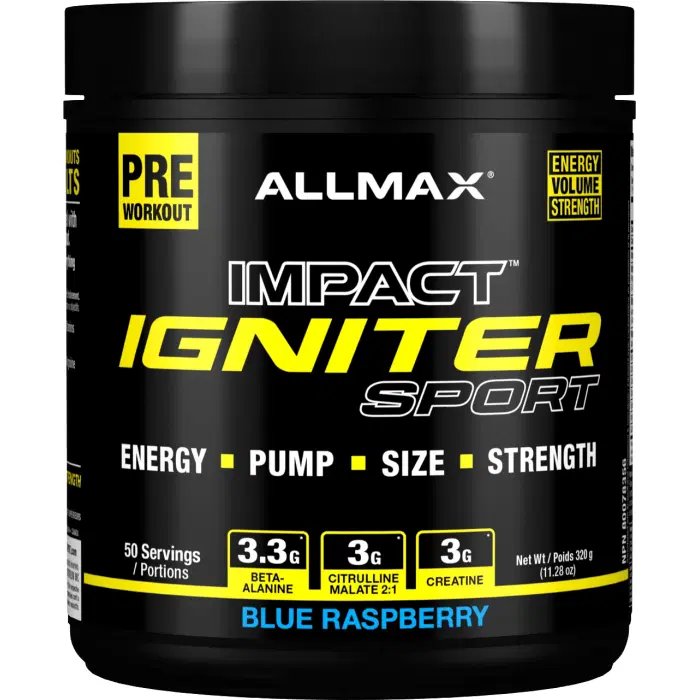
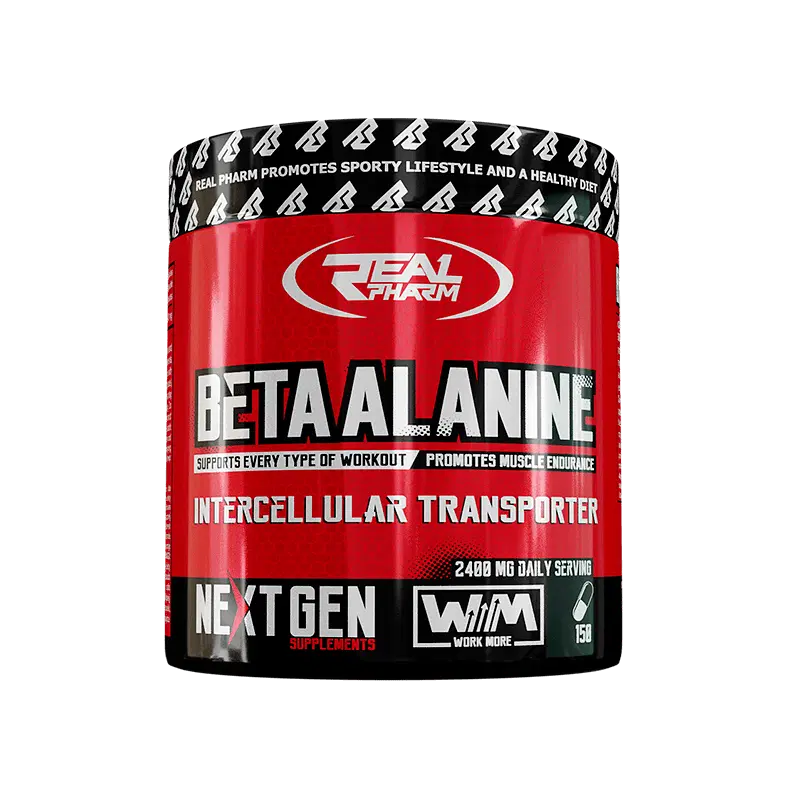
Recommended products
Frequently asked questions
What exactly is pre-workout and what is it for?
Pre-workout is a dietary supplement that is taken before training. It is formulated to increase energy, focus, and endurance during physical activity.
When is the best time to take pre-workout?
It is recommended to take pre-workout about 20-30 minutes before the start of your workout. This gives the ingredients enough time to be absorbed and start working.
Are there any side effects from taking pre-workout?
Some people may experience mild side effects such as palpitations, tingling, or insomnia, especially at higher doses or if they are sensitive to stimulants. Always follow the recommended dosage.
Can I take pre-workout every day?
Daily intake of pre-workout is not recommended, especially if it contains stimulants like caffeine. The body can develop tolerance, which reduces its effectiveness, and it can also disrupt sleep and lead to exhaustion.