Proline
Learn what Proline is, how it works, its benefits, and how to take it correctly. Expert analysis from SportZone.
What is Proline?
Proline — Proline is a non-essential amino acid that plays a key role in protein synthesis, especially collagen. It is unique among amino acids due to its cyclic structure, which contributes to the stability and flexibility of collagen fibers.
🔬 From SportZone's Experience
In our work with over 50,000 clients, we observe that athletes, especially those in strength sports or high-impact sports, often seek solutions for joint and connective tissue health. A common mistake is to focus solely on hydrolyzed collagen, forgetting its specific building blocks like proline, which are crucial for its effective synthesis and repair. Our observations indicate that including proline in recovery regimens significantly improves skin elasticity and the speed at which the body handles micro-injuries.
⚡ Proline in Brief
- Type: Amino acid
- Origin: Natural (synthesized in the body, obtained from food)
- Best for: Maintaining joint, skin, and tendon health, and post-workout recovery.
- Timing: Can be taken anytime during the day, often before or after training, or with meals.
- Daily dose: Typically 1-3 grams daily, but can vary based on individual needs.
- Main benefit: Supports collagen synthesis for healthy connective tissue and accelerated recovery.
Simple Explanation: What does Proline do?
Imagine your body is a house, and collagen is the bricks and mortar that keep it strong and stable. Proline is like one of the most important "special" bricks that not only builds the walls but also gives them elasticity and resistance to pressure. Without enough proline, your bricks would be more brittle, and the house more prone to damage.
👉 In other words: Proline is a key ingredient that helps the body build and maintain healthy joints, skin, and tendons, making them stronger and more flexible.
Scientific Explanation of Proline
Proline (Pro) is a cyclic alpha-amino acid, structurally classified as an imino acid due to the presence of a secondary amine group incorporated into a pyrrolidine ring. This unique cyclic structure imparts specific conformational constraints to proline residues within proteins, which are essential for the formation of secondary structures like alpha-helices and beta-sheets, as well as for stabilizing the collagen triple helix.
The biosynthesis of proline in the human body occurs from glutamate via reduction to glutamate-semialdehyde, followed by cyclization and reduction to proline. As a major component of collagen, proline (along with hydroxyproline) constitutes approximately 25-30% of the total amino acid composition of this protein. The hydroxylation of proline residues to 4-hydroxyproline, mediated by prolyl hydroxylase, is a vital post-translational modification requiring vitamin C, which stabilizes the collagen triple helix through hydrogen bonds and ensures its structural integrity and function in connective tissue.
How does Proline work in the body and why is it effective?
The main mechanism of Proline involves:
📚 Scientific Sources
- Lodish, H., Berk, A., Zipursky, S. L., et al. (2000). Molecular Cell Biology. 4th edition. Section 3.4, Amino Acids. (PubMed)
- Wu, G. (2013). Amino acids: metabolism, functions, and nutrition. Amino acids, 45(3), 415-427. (DOI: 10.1007/s00726-013-1500-2)
- Le Leu, R. K., Winter, J. A., & Young, G. P. (2004). The effects of L-proline on DNA damage and apoptosis in rat colon. Clinical Science, 107(2), 163-170. (PubMed: 15155700)
- Rehfeldt, C., & Korner, B. (2010). Proline metabolism and its role in health and disease. Amino Acids, 39(1), 17-26. (DOI: 10.1007/s00726-009-0442-5)
- Collagen Synthesis — Proline is one of the three main building blocks of collagen (along with glycine and hydroxyproline), which is the most abundant protein in the body and is key to the health of skin, joints, bones, tendons, and blood vessels.
- Supporting Tissue Repair — By stimulating new collagen production, Proline aids in the rapid repair of damaged tissues, including muscles after intense workouts and wounds.
- Antioxidant Protection and Cell Signaling — Proline participates in the cellular response to stress, helping cells adapt to oxidative stress and osmotic imbalance by acting as an osmoprotectant and protein stabilizer.
👉 End effect: Improves the structural integrity of connective tissues, accelerates recovery, and enhances the body's resilience to stress.
What are the proven benefits of taking Proline?
- ✅ Strengthens the musculoskeletal system — As a key component of cartilage and connective tissue, Proline contributes to the strength and elasticity of joints, reducing the risk of degeneration and discomfort.
- ✅ Improves skin elasticity and hydration — By participating in collagen synthesis, Proline helps maintain a youthful appearance of the skin, reduces fine lines, and improves its moisture content.
- ✅ Accelerates regeneration after physical exertion and injuries — High levels of Proline are essential for the repair of muscle fibers, tendons, and ligaments after intense workouts or injuries.
- ✅ Supports the integrity of the digestive system — Collagen, rich in Proline, is important for the strength of the intestinal lining, which can support gut function.
How to take Proline for best results?
Dosage: The typical recommended dose is between 1 and 3 grams per day. For specific needs, such as intensive recovery or connective tissue support, the dose can be up to 5 grams, but it is always advisable to consult a specialist.
Timing: Proline can be taken at any time of the day. For optimal recovery and collagen synthesis, many people prefer to take it before or after training, or at night before bed, as the body actively recovers during this time. It can also be taken with food to minimize potential stomach upset.
Practical tip: For best absorption and effect, combine Proline with vitamin C, as it is a cofactor for the hydroxylation of proline in collagen.
Should you take Proline?
✅ Yes, if:
- You want to support joint and tendon health: Proline is a fundamental building block of collagen, which is vital for the strength and elasticity of connective tissue.
- You are seeking accelerated recovery after workouts or injuries: By supporting new collagen synthesis, Proline aids in faster tissue healing and regeneration.
- You wish to improve your skin's elasticity and appearance: Due to its key role in collagen production, Proline contributes to healthier, smoother, and more hydrated skin.
❌ No, if:
- You consume enough protein from diverse sources: Your body likely synthesizes sufficient proline if your diet is rich in complete proteins.
- You have certain kidney conditions: High intake of amino acids can strain the kidneys, so medical consultation is necessary.
- You are pregnant or breastfeeding without medical advice: There is insufficient research on the safety of high doses of proline in these conditions.
Who is Proline NOT suitable for?
- Individuals with severe kidney or liver diseases — High doses of amino acids can strain filtering organs; consultation with a doctor is mandatory.
- Pregnant and breastfeeding women — Insufficient clinical studies exist on safety for this group, so avoidance or strict medical supervision is recommended.
- Children and adolescents — As their bodies are still developing, additional amino acid intake is generally not necessary, except for specific medical indications.
- Individuals with allergies to specific proline sources — If the supplement is derived from a source to which you are allergic (e.g., dairy products), it should be avoided.
Who is Proline best suited for?
- 🏋️♂️ Strength athletes — Supports the repair of connective tissue, which is heavily strained during weightlifting, and reduces the risk of injuries.
- 🏃 Endurance athletes — Helps maintain healthy joints and tendons that are subjected to repetitive stress during long runs and cycling.
- 🧍♂️ Active individuals — Supports overall musculoskeletal health, which is important for anyone leading an active lifestyle and wishing to avoid joint pain.
- 👩🦳 People over 30 — As collagen synthesis decreases with age, Proline can help maintain skin elasticity and joint health.
What is Proline well combined with for maximum effect?
- Vitamin C — An essential cofactor for the hydroxylation of proline in collagen synthesis, which ensures the structural integrity of collagen fibers. Take it with Proline for maximum effect on connective tissue.
- Glycine — Another primary amino acid in collagen, which, along with Proline and Hydroxyproline, forms the collagen triple helix. The combination provides complete building material for collagen synthesis.
- Collagen Hydrolysate — Collagen itself is a rich source of Proline and Glycine. Taking collagen hydrolysate provides all the necessary amino acids for maintaining connective tissue.
Pros and Cons of Proline
✅ Pros
- A fundamental building block for collagen synthesis.
- Improves the health and elasticity of joints, skin, and tendons.
- Accelerates recovery after physical exertion and injuries.
- Supports the integrity of the intestinal barrier.
❌ Cons
- High-dose intake can strain the kidneys in individuals with pre-existing conditions.
- It is not an essential amino acid; the body can synthesize it with adequate protein intake.
- Potential stomach upset in sensitive individuals.
How to choose quality Proline?
- Protein Percentage from the Label: For quality products, look for over 80% protein per 100 grams. Lower values may indicate more fillers.
- Amino Acid Profile: Pay attention to the leucine content. In most cases, a good product will have at least 2-3 grams of leucine per serving if it's a complex protein. For pure proline, the focus is on proline itself.
- Collagen Indicator (Hydroxyproline): If proline is derived from collagen, the presence of hydroxyproline is a good indicator of origin and quality.
- Additives (Sweeteners, Fillers): Avoid products with a long list of artificial sweeteners, colorings, and unnecessary fillers. Pure proline typically has few ingredients.
- Certificates and Third-Party Tests: For quality products, look for evidence of laboratory tests from independent organizations confirming purity and composition.
When to choose Proline over alternatives?
- Choose Proline if:
- You are looking for specific support for collagen synthesis and connective tissue.
- You need an amino acid that is less anabolic than leucine but supports tissue repair.
- You want to supplement your diet with an amino acid that is abundant in collagen, but not as much in other
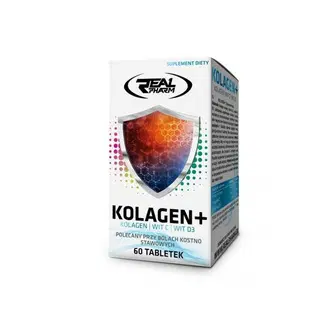
Recommended products
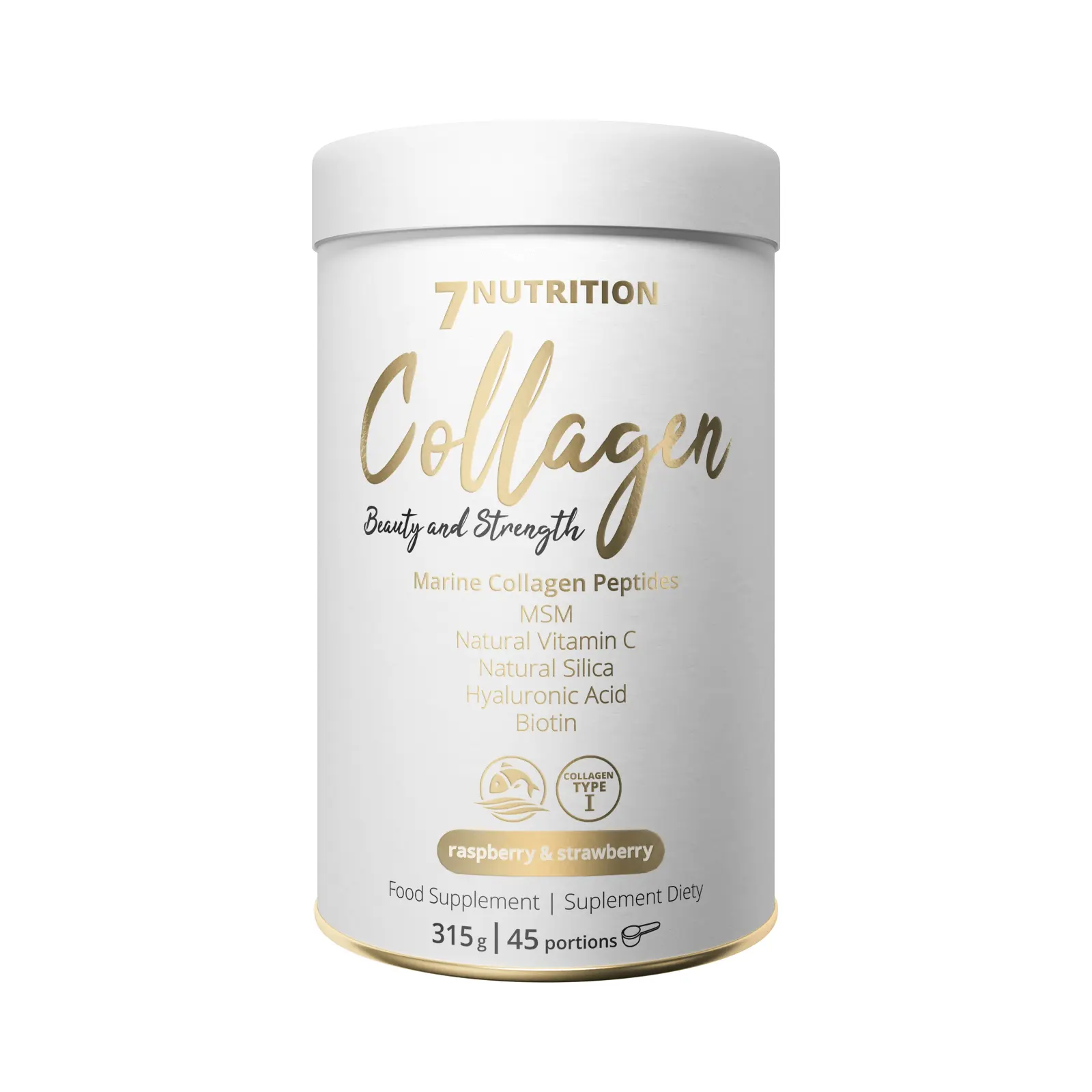
Frequently asked questions
What is proline and what is it used for?
Proline is one of the 20 amino acids that build proteins in the body. It plays an important role in the structure and stability of collagen, being key for the health of skin, joints, and blood vessels. It is also used as a dietary supplement to support these functions.
In which foods can I find proline?
Proline is naturally found in protein-rich foods. Good sources include meat (especially red meat), fish, eggs, dairy products, as well as some plant-based foods like legumes, nuts, and seeds.
Are there any side effects from taking proline?
Taking proline as part of a balanced diet is generally safe. As a dietary supplement, when recommended doses are followed, side effects are rarely observed. However, if you have specific health conditions, it is advisable to consult a doctor.
How does proline affect skin health?
Proline is a fundamental component of collagen, which is essential for skin elasticity and strength. It helps maintain skin structure, reduces the appearance of wrinkles, and supports wound healing processes.