Selenium
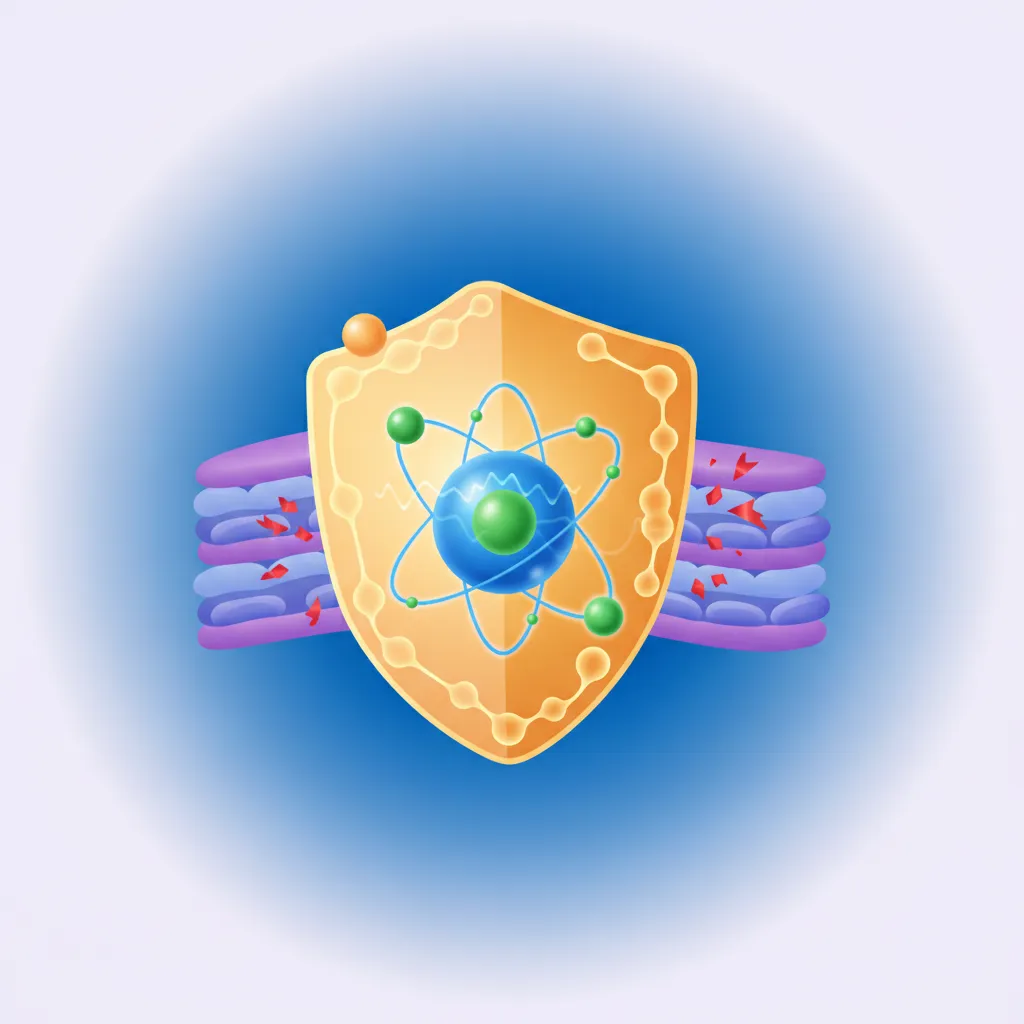
Learn what Selenium is, how it works, its benefits, and how to take it correctly. Expert analysis from SportZone.
What is Selenium?
Selenium — Selenium is an essential trace element that plays a key role in numerous biological processes in the human body. It is a powerful antioxidant and is essential for the proper functioning of the immune system, thyroid gland, and reproductive health.
🔬 From the practice of SportZone
In our work with over 50,000 clients, we see that selenium deficiency often goes undetected, even though it can affect recovery and immune function. A common mistake is taking arbitrary doses instead of considering individual needs and element levels.
⚡ Selenium in Brief
- Type: Trace element
- Origin: Dietary (soil, plants, animals), synthetic (supplements)
- Best for: Optimizing immune function, thyroid support, antioxidant defense
- When to take: Any time of day, preferably with food
- Daily dose: 55-200 mcg (depending on needs and recommendations)
- Main benefit: Protects cells from oxidative stress and maintains hormonal balance.
Explained in simple terms: What does Selenium do?
Imagine your body's cells are like small factories that constantly produce energy, but in this process, "waste" (free radicals) is also released, which can damage the factory. Selenium is like a team of special cleaners and guards that neutralize these harmful wastes and keep the factory (cells) healthy and working efficiently. Additionally, it's important for the body's "dispatcher" (the thyroid gland), helping it regulate many processes.
👉 In other words: Selenium is a mineral that protects cells from damage, strengthens immunity, and is key to thyroid health.
Scientific Explanation of Selenium
Selenium (Se) is a chemical element from Group 16 of the periodic table, classified as a metalloid. In biological systems, it is primarily found in organic forms, such as selenomethionine and selenocysteine, which are incorporated into specific proteins known as selenoproteins. Over 25 selenoproteins have been identified in the human body, each performing a unique function.
The most well-known selenoproteins include glutathione peroxidases (GPx), thioredoxin reductases (TrxR), and iodothyronine deiodinases (DIO). Glutathione peroxidases play a central role in antioxidant defense, catalyzing the reduction of hydrogen peroxide and organic hydroperoxides to water and alcohols, thereby protecting cells from oxidative stress. Iodothyronine deiodinases are crucial for thyroid hormone metabolism, converting thyroxine (T4) into the biologically active triiodothyronine (T3), thus regulating cellular metabolism, growth, and development. Selenoproteins are also involved in immune response, reproduction, and DNA synthesis.
How does Selenium work in the body and why is it effective?
The primary mechanisms of Selenium include:
📚 Scientific Sources
- Rayman, M. P. (2012). Selenium and human health. The Lancet, 379(9822), 1256-1268. (DOI: 10.1016/S0140-6736(11)61452-9)
- Arthur, J. R., & Beckett, G. J. (1999). Thyroid function and selenium. The American Journal of Clinical Nutrition, 70(5), 896-899. (PubMed ID: 10539757)
- Schwarz, K., & Foltz, C. M. (1957). Selenium as an integral part of Factor 3 against dietary necrotic liver degeneration. Journal of the American Chemical Society, 79(12), 3292-3293.
- Antioxidant Defense — Selenium is a key component of selenoproteins, such as glutathione peroxidase, which neutralize harmful free radicals and reduce oxidative stress, protecting cells from damage.
- Thyroid Support — It is necessary for the proper functioning of iodothyronine deiodinase enzymes, which regulate the production and activation of thyroid hormones, critical for metabolism.
- Immune Response Modulation — Selenium strengthens the immune system by improving the function of immune cells, antibody production, and the body's ability to fight infections.
👉 End Effect: Through these mechanisms, Selenium contributes to overall cellular health, hormonal balance, and the body's resilience against disease and stress.
What are the proven benefits of taking Selenium?
- ✅ Powerful Antioxidant Defense — Selenium reduces oxidative stress, which can cause cell damage and contribute to chronic diseases like cardiovascular disease and certain types of cancer.
- ✅ Thyroid Health Support — It is crucial for thyroid hormone metabolism and may help prevent and manage autoimmune thyroid diseases, such as Hashimoto's disease.
- ✅ Immune System Strengthening — Selenium enhances the immune response by stimulating T-cell production and supporting the function of other immune cells, leading to better protection against infections.
- ✅ Reproductive Health Improvement — In men, selenium is important for sperm motility and morphology, and in women, it supports ovarian health and reduces the risk of miscarriage.
How to take Selenium for best results?
Dosage: The recommended daily intake for adults is around 55 micrograms (mcg). For athletes or in cases of deficiency, doses between 100-200 mcg daily are often used, but the upper tolerable limit of 400 mcg per day should not be exceeded without medical advice, as high doses can be toxic.
When to take: It can be taken at any time of day, but for optimal absorption and to minimize stomach discomfort, it is recommended to take it with food. There is no specific time that is more effective for selenium, as it acts at the cellular level cumulatively.
Practical advice: Always start with a lower dose and gradually increase it if necessary, after consulting with a doctor or nutritionist.
Should you take Selenium?
✅ Yes, if:
- You have a confirmed selenium deficiency, established through a blood test, as deficiency can disrupt many bodily functions.
- You have an autoimmune thyroid disease, such as Hashimoto's, as selenium can reduce antibodies and improve thyroid function.
- You are an active athlete exposed to increased oxidative stress, to support recovery and immune function.
❌ No, if:
- You are already getting enough selenium through your diet and have no symptoms of deficiency, as additional intake may lead to excess.
- You suffer from selenium toxicity (selenosis), which occurs with excessive intake and can have serious side effects.
- You have specific medical conditions or are taking medications that interact with selenium, without consulting a doctor.
Who is Selenium NOT suitable for?
- People with excess selenium (selenosis) — Taking additional selenium when levels are already high can worsen the condition, leading to symptoms like hair loss, brittle nails, fatigue, and neurological problems.
- People with selenium allergy — Although rare, allergic reactions are possible and intake should be avoided.
- People taking certain medications — Selenium can interact with anticoagulants, chemotherapy drugs, and cholesterol-lowering medications, requiring consultation with a doctor.
- People at increased risk of type 2 diabetes — Some studies suggest a link between high selenium intake and an increased risk of developing type 2 diabetes, especially in individuals with already adequate levels.
Who is Selenium most suitable for?
- 🏋️♂️ Strength Athletes — Selenium aids in recovery after intense workouts by reducing oxidative stress and muscle damage caused by strenuous physical exertion.
- 🏃 Endurance Athletes — It supports a healthy immune system that is stressed by prolonged training and provides antioxidant protection against free radicals generated during aerobic activities.
- 🧍♂️ Active Individuals — It enhances overall immune defense and energy metabolism, which is important for maintaining good health and an active lifestyle.
- 👩🦰 Women with thyroid issues — Especially in autoimmune conditions like Hashimoto's thyroiditis, selenium can help reduce inflammation and improve thyroid function.
What does Selenium combine well with for maximum effect?
- Vitamin E — These two antioxidants work synergistically, mutually enhancing their protective effect against free radicals and protecting cell membranes.
- Zinc — The combination of selenium and zinc is powerful for immune system support, as both elements are key for immune cell functions and antioxidant defense.
- Iodine — For thyroid health, optimal intake of selenium along with iodine is critical, as selenium is necessary for the conversion of iodine-containing hormones into their active form.
Pros and Cons of Selenium
✅ Pros
- Powerful antioxidant, protecting cells from damage.
- Key for thyroid health and function.
- Strengthens the immune system and resistance to infections.
- Important for reproductive health in men and women.
❌ Cons
- Excessive intake can lead to toxicity (selenosis) with unpleasant side effects.
- Levels in soil and food vary significantly, making precise dietary intake difficult to determine.
- May interact with certain medications and affect cholesterol levels at high doses.
How to choose quality Selenium?
- Form of selenium: In most cases, organic forms like selenomethionine or selenocysteine are better absorbed than inorganic forms (e.g., sodium selenite).
- Dosage: Pay attention to the amount of elemental selenium per dose. The recommended daily intake for adults is around 55-70 mcg, but for intense training, a slightly higher intake may be necessary after consulting a specialist.
- Additives and fillers: Quality products usually contain minimal unnecessary ingredients. Avoid products with artificial colors, artificial flavors, or a large amount of fillers.
- Certificates and third-party testing: For quality products, information about testing by independent laboratories is beneficial, contributing to purity and label accuracy.
When to choose Selenium over alternatives?
- Choose Selenium if:
- You have a confirmed selenium deficiency, established through a blood test.
- You are undergoing intense training that can increase oxidative stress and raise the need for antioxidants.
- You want to support thyroid function, especially if you have hypothyroidism.
- Choose [main alternative, e.g., multivitamins] if:
- You are looking for general health support and are unsure about a specific deficiency.
- You want to get a wide spectrum of vitamins and minerals, not just selenium.
- You have a balanced diet and do not need high doses of a specific trace element.
What to compare Selenium with?
Understand how Selenium differs from other supplements:
- Selenium vs. Vitamin E — While both are powerful antioxidants, selenium often acts as an enzyme cofactor, whereas Vitamin E directly protects cell membranes. They are most effective when taken together.
- Selenium vs. Zinc — Both minerals are vital for the immune system, but selenium is more specific to antioxidant defense and thyroid function, while zinc is key for cell growth and repair.
- Selenium vs. Iodine — Iodine is the primary building block of thyroid hormones, while selenium is necessary for their activation and metabolism, making them inseparable for optimal thyroid health.
⚠️ Important: Dietary supplements are not a substitute for a balanced diet and a healthy lifestyle. The information in this article is for educational purposes only and does not constitute medical advice. Consult a doctor before use, especially if you are taking medication, have chronic conditions, or are pregnant/breastfeeding.
Recommended products
Frequently asked questions
What is selenium and what is it used for?
Selenium is a chemical element with the symbol Se and atomic number 34. It is an important trace element for human health, participating in antioxidant processes and supporting thyroid function. It is also used in the production of glass, electronics, and as a dietary supplement.
Which foods are rich in selenium?
Foods that are rich in selenium include Brazil nuts, seafood (such as tuna, sardines, and shrimp), meat (especially poultry and liver), eggs, and whole grains. The selenium content in plants depends on the soil in which they were grown.
What are the symptoms of selenium deficiency?
Symptoms of selenium deficiency can include a weakened immune system, increased risk of heart disease, thyroid problems, and even impaired cognitive function. Severe deficiency can lead to Keshan disease, which affects the heart.
Can there be an overdose of selenium and what are the risks?
Yes, selenium overdose (selenosis) is possible and can be toxic. Symptoms include hair loss, brittle nails, gastrointestinal problems, fatigue, and even neurological disorders. The recommended daily intake should be followed.