Soy protein
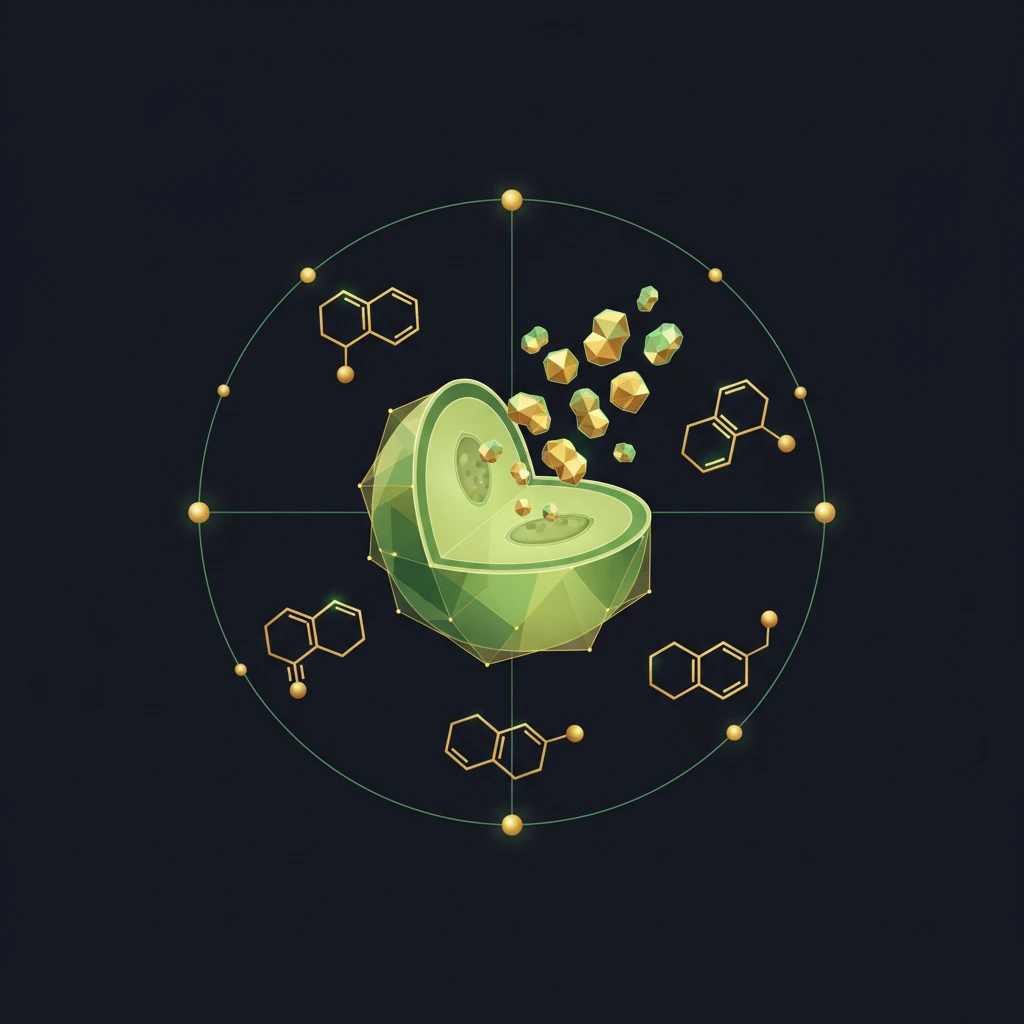
Learn what Soy Protein is, how it works, what its benefits are, and how to take it correctly. Expert analysis from SportZone.
What exactly is soy protein and what are its main characteristics?
Soy protein — Soy protein is a high-quality plant-based protein derived from soybeans, containing all nine essential amino acids necessary for the human body. It's a popular choice among vegetarians, vegans, and individuals seeking an alternative to animal proteins, offering a complete amino acid profile for muscle growth and recovery.
🔬 From the practice of SportZone
In our work with over 50,000 clients, we see that soy protein is often underestimated due to outdated myths, but it's actually an excellent choice for people with lactose intolerance or those seeking a plant-based alternative. A common mistake is worrying about "female hormones," although scientific evidence does not support these concerns with normal intake.
Soy protein is a high-quality plant-based protein derived from soybeans, containing all nine essential amino acids necessary for the human body. It's a popular choice among vegetarians, vegans, and individuals seeking an alternative to animal proteins, offering a complete amino acid profile for muscle growth and recovery.
⚡ Soy protein in brief
- Type: Protein
- Origin: Dietary (plant-based)
- Best for: Muscle building, post-workout recovery, vegan/vegetarian diet
- Timing: Post-workout, between meals, before bed
- Serving size: 20-30 grams per serving, 1-3 times daily
- Main benefit: Provides all essential amino acids for protein synthesis and tissue maintenance.
Explained in simple terms: What does Soy Protein do?
Imagine your body is like a house, and proteins are the bricks it's built with. Soy protein is like a special kind of brick made from plants (soy), but it's still very strong and contains all the necessary elements to build or repair any part of the house – especially your muscles. It's like a complete toolkit that helps your body build and repair everything it needs, without having to eat meat or other animal products.
👉 In other words: Soy protein is a plant-based supplement that gives your body all the essential building blocks for muscles and health, without being an animal product.
Scientific explanation of Soy Protein
Soy protein is extracted from soybeans (Glycine max) and is classified as a complete protein because it contains adequate proportions of all nine essential amino acids (EAAs), which the human body cannot synthesize on its own and must obtain through diet. Its amino acid profile is comparable to that of animal proteins, making it an exceptionally valuable protein source, especially for vegetarians and vegans.
The two main forms of soy protein used in supplements are Soy Protein Isolate (SPI) and Soy Protein Concentrate (SPC). SPI undergoes a more intensive processing that removes most carbohydrates and fats, reaching over 90% protein content. SPC contains about 70% protein, with higher levels of carbohydrates and fiber. Soy protein is rich in branched-chain amino acids (BCAAs), particularly leucine, which is key for initiating muscle protein synthesis (MPS).
How is soy protein digested by the body and what are its mechanisms of action for achieving results?
The primary mechanism of Soy Protein includes:
📚 Scientific sources
- Messina, M. J. (2016). Soy and health update: evaluation of the current evidence. Nutrients, 8(12), 754. (PMID: 27886135)
- Joy, J. M., et al. (2013). The effects of 8 weeks of an all-natural protein supplement and resistance training on strength, body composition, cardiovascular endurance, and fitness in women. Journal of Nutritional Health & Food Engineering, 1(1), 00004. (DOI: 10.15406/jnhfe.2013.01.00004)
- Kalman, D., et al. (2007). Effect of protein source and resistance training on body composition and sex hormones in men. Journal of the International Society of Sports Nutrition, 4(1), 4. (PMCID: PMC2129141)
- Devries, M. C., & Phillips, S. M. (2015). Supplemental protein in support of muscle mass and health: advantage animal over plant protein? Journal of the American Medical Directors Association, 16(12), 1017-1022. (DOI: 10.1016/j.jamda.2015.09.009)
- Complete amino acid spectrum — Soy protein provides all nine essential amino acids, which are critical for building and repairing muscle tissues, as well as for numerous other metabolic processes. This makes it an effective alternative to animal proteins.
- Activation of muscle protein synthesis (MPS) — Thanks to its high content of leucine, a key BCAA, soy protein actively participates in activating the mTOR pathway, leading to the stimulation of MPS and supporting muscle adaptation after training.
- Moderate absorption rate — Soy protein is absorbed at a rate that is between fast-absorbing whey protein and slow-absorbing casein, ensuring a sustained release of amino acids into the bloodstream. This maintains a positive nitrogen balance for a longer period.
👉 End effect: Soy protein provides the necessary building blocks and biochemical signals for effective muscle recovery, body composition maintenance, and overall health, especially for diets excluding animal products.
What are the scientifically proven benefits of regular soy protein intake for athletes?
- ✅ Supports muscle building and recovery — As a complete protein with a rich BCAA content, soy protein effectively stimulates muscle protein synthesis, which is essential for increasing muscle mass and rapid recovery after physical exertion.
- ✅ Benefits cardiovascular health — Studies indicate that regular soy protein intake can contribute to lowering LDL cholesterol ("bad" cholesterol) and triglyceride levels, thereby reducing the risk of heart disease.
- ✅ Source of antioxidants and phytonutrients — Soy protein contains isoflavones (phytoestrogens), which possess antioxidant properties and may play a role in preventing chronic diseases, including certain types of cancer.
- ✅ Aids in weight management — Protein, in general, contributes to satiety, which can reduce overall calorie intake. Soy protein, with its low fat and carbohydrate content (especially isolate), is an excellent choice for maintaining a healthy weight or for weight loss.
What are the best ways to consume soy protein to achieve maximum athletic results?
Dosage: Typically, 20-30 grams of soy protein per serving are recommended. Total daily intake depends on individual needs but generally falls within the range of 1.2-2.2 grams of protein per kilogram of body weight, distributed over several doses throughout the day.
Timing: It is most effective to consume it immediately after training to optimize muscle protein synthesis. It can also be consumed between meals as a meal replacement or before bed to ensure a sustained release of amino acids overnight.
Practical advice: Mix soy protein with water, plant-based milk, or add it to smoothies, oatmeal, or baked goods to increase the protein content of your meals.
Should you take Soy Protein?
✅ Yes, if:
- You want to build or maintain muscle mass, as soy protein is a complete source of all essential amino acids.
- You follow a vegan or vegetarian diet and are looking for a high-quality plant-based protein to replace animal sources.
- You are looking for an effective way to increase your daily protein intake for better recovery, weight management, or overall health.
❌ No, if:
- You have a diagnosed soy allergy, as this can cause adverse reactions.
- You are already getting enough protein from other sources in your diet and do not need an additional supplement.
- You suffer from certain hormonal conditions where phytoestrogen intake may be contraindicated, although evidence of negative effects is limited.
Who is Soy Protein NOT suitable for?
- Individuals with soy allergies: Soy products can trigger allergic reactions such as hives, swelling, shortness of breath, or anaphylaxis.
- Individuals sensitive to phytoestrogens: Although evidence is mixed, some individuals with hormone-sensitive conditions may prefer to avoid large amounts of soy products.
- Individuals who already consume adequate protein: If your diet is rich in other high-quality proteins, additional soy protein intake may not be necessary.
- Individuals with thyroid issues: While most research indicates moderate soy consumption is safe, individuals with hypothyroidism may wish to consult a doctor.
For which groups of athletes is soy protein the most suitable choice as a dietary supplement?
- 🏋️♂️ Strength athletes — Provides a complete amino acid profile, including BCAAs, to support muscle growth and recovery after intense training.
- 🏃 Endurance athletes — Aids in the repair of muscle fibers after
Recommended products

Frequently asked questions
What are the benefits of soy protein?
Soy protein is a complete protein, meaning it contains all the essential amino acids. It is a good source of fiber and can help lower cholesterol levels.
Is soy protein suitable for vegetarians and vegans?
Yes, soy protein is an excellent plant-based protein source, making it ideal for vegetarians and vegans. It offers an alternative to animal-based proteins.
Are there any side effects of consuming soy protein?
Soy protein is generally well-tolerated by most people. However, some individuals may experience allergic reactions. It is important to consult a doctor if you have concerns.
How can I incorporate soy protein into my diet?
Soy protein can be added to smoothies, shakes, or used as a meat substitute in various dishes. There are also ready-to-eat soy products like tofu and tempeh.