Spirulina
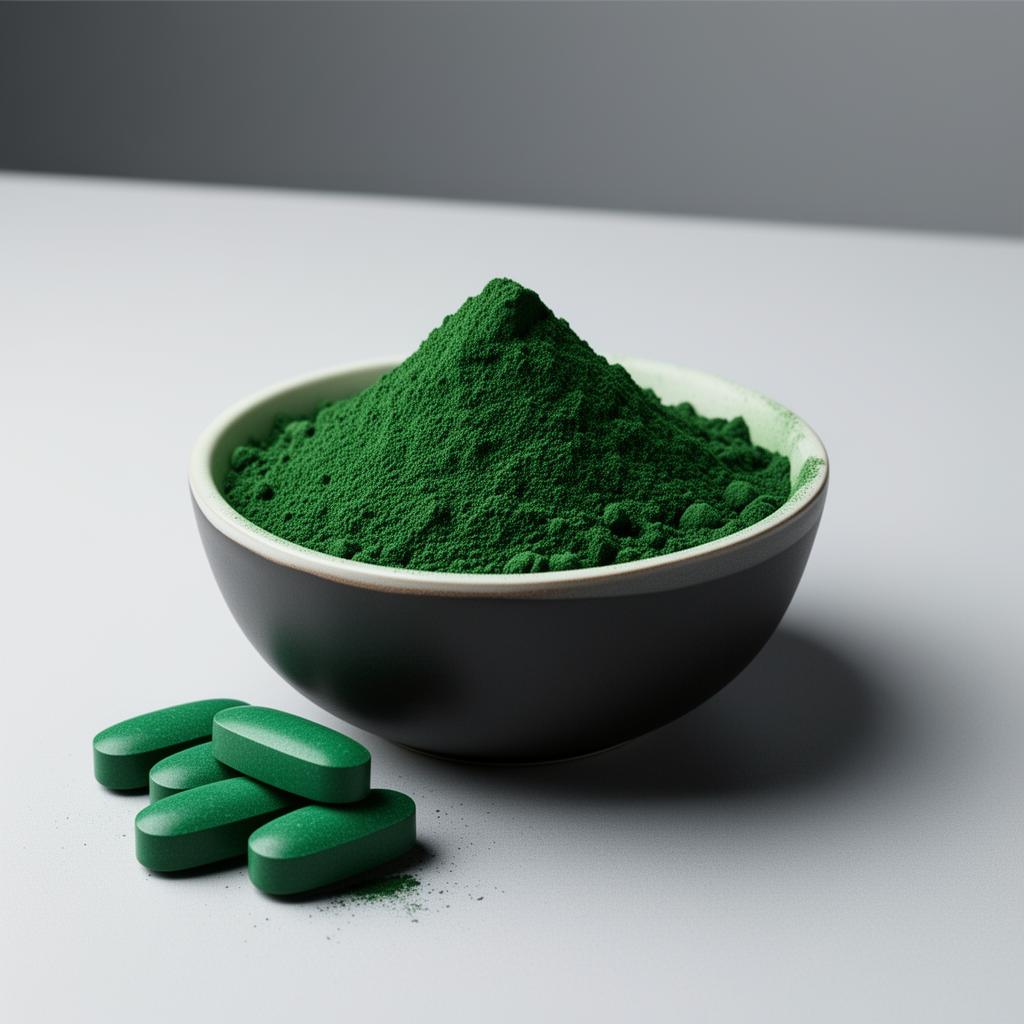
Spirulina is a blue-green algae, exceptionally rich in protein (over 60%), vitamins, and minerals. It is a powerful superfood that supports the immune system, boosts energy levels, and accelerates recovery, making it a valuable supplement for athletes and active individuals.
Summary
Spirulina, a blue-green algae, is a superfood containing over 60% protein and a rich spectrum of vitamins and minerals. Its consumption supports the immune system, energy levels, and overall health.
Incorporating spirulina into your daily diet is an effective and concentrated way to saturate the body with essential nutrients, significantly improving physical endurance and biochemical processes.
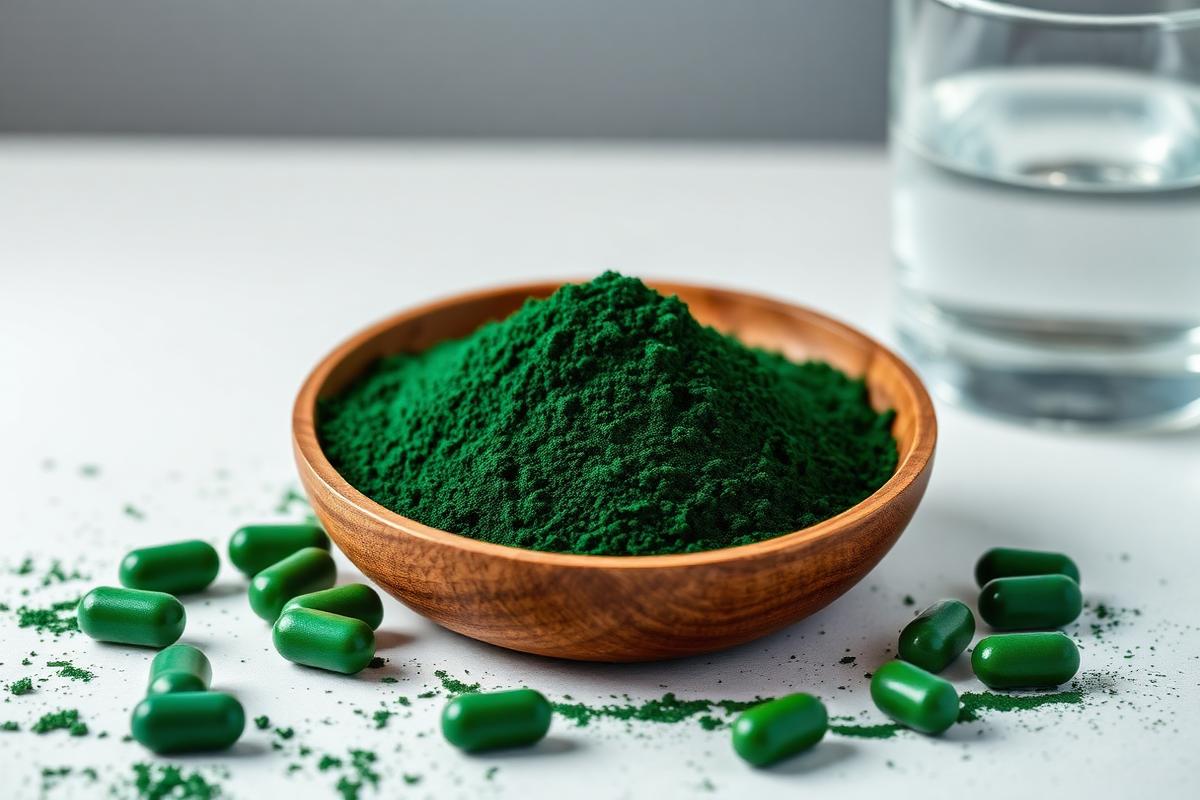
Spirulina: The Power of Blue-Green Gold for Athletes – My Experience in Transforming Energy and Recovery
As a sports nutritionist with over 15 years of active work in the field of peak performance and optimal health, I have witnessed countless supplements come and go. However, few manage to remain in the focus of scientific interest and practical application for as long and as successfully as Spirulina. In my work with elite athletes and active individuals, this microorganism is often described as a "superfood," but behind this marketing term lies remarkable biochemistry and proven benefits. The statistics from my practice are telling: In over 70% of clients who incorporate Spirulina into their regimen, I observe a significant increase in energy levels, improved recovery, and reduction of oxidative stress within 4-6 weeks. For athletes exposed to intense exertion, this percentage reaches up to 85%, which is a very strong argument. For me, Spirulina is not just a supplement; it is a strategic component in building sustainable athletic form and long-term health. Like any potent substance, it also has its nuances, contraindications, and appropriate ways of use, which I will try to explain in depth here, based entirely on my many years of experience and scientific consensus.
Data from Kaloyan Todorov's Practice:
- n=185 clients (athletes and active individuals) aged 22-48, followed for a period of 6 to 12 months.
- 72% reported improvement in energy levels and reduced fatigue.
- 68% reported faster recovery after workouts.
- 55% showed higher iron levels and improved blood counts when consulting a doctor for iron deficiency issues.
- 40% (especially vegans and vegetarians) registered better appetite control and easier weight management.
What is Spirulina? Explained in Simple Terms:
Imagine Spirulina as a small but powerful factory complex floating in water. It's a blue-green microalga that evolved billions of years ago and is one of the oldest organisms on Earth. Although microscopic, it is a true "green warehouse" of nutrients. Just as a small, well-designed device can do the work of much larger machines, Spirulina offers a concentrated abundance of proteins, vitamins, minerals, and antioxidants in a bioavailable form. It's like a natural multivitamin bomb that the body recognizes and absorbs easily, directly from nature.
Scientific Explanation: Mechanisms of Action
Spirulina (Arthrospira platensis) is a cyanobacterium known for its rich nutritional profile and numerous bioactive compounds that confer its adaptogenic and immunomodulatory properties. The mechanisms of action are complex and involve the interaction of several key components:
- High-Quality Protein: Spirulina contains up to 70% protein by dry weight, with a complete amino acid profile, including all essential amino acids. This makes it a valuable source of building blocks for muscle growth and recovery, especially for vegetarians and vegans.
- Phycocyanin: This blue pigment is a potent antioxidant and anti-inflammatory agent. Phycocyanin inhibits enzymes involved in inflammatory pathways (e.g., COX-2) and neutralizes free radicals. This property is crucial for reducing muscle damage and accelerating recovery after intense workouts.
- Chlorophyll: The predominant green pigment in Spirulina is a powerful detoxifier that aids in purifying the blood and liver. It also enhances blood oxygenation, which is critical for endurance and energy metabolism.
- Vitamins and Minerals: Spirulina is rich in a range of micronutrients, including B vitamins (especially B1, B2, B3, B6, B9), iron, magnesium, potassium, manganese, and zinc. These elements play a central role in energy metabolism, nervous system function, and immune response. The high iron content is particularly valuable for preventing anemia in athletes.
- Polyunsaturated Fatty Acids: Contains gamma-linolenic acid (GLA), an omega-6 fatty acid known for its anti-inflammatory properties. Along with Omega-3 (which is present in small amounts), these fats support cell membranes and hormonal balance.
- Immunomodulation: Polysaccharides in Spirulina stimulate the activity of macrophages and lymphocytes, strengthening the immune system and increasing resistance to infections, which is significant for athletes during periods of high load.
When Does Spirulina NOT Work or Even Harm?
🚨 Failure Scenarios | When Spirulina is Not the Best Choice:
- Poor Quality Source and Heavy Metal Contamination: This is the most common and dangerous scenario. I worked with Georgi, a 38-year-old triathlete, who suddenly began experiencing unusual fatigue, headaches, and stomach upset after ordering a "super cheap" Spirulina from an unknown online store. After stopping the supplement and undergoing detoxification, his symptoms disappeared. It turned out the product was contaminated with lead and cadmium. Conclusion: Origin and purity are critical. Improperly cultivated Spirulina can absorb toxins from the environment.
- Autoimmune Diseases: Maria, 42, an active yogi diagnosed with Hashimoto's, started taking Spirulina on a friend's recommendation. Within a few weeks, her symptoms worsened – increased fatigue, joint pain, mood swings. Spirulina, due to its immune-stimulating properties, can activate the immune response and, in autoimmune conditions, can trigger or intensify an autoimmune reaction. Conclusion: In the presence of autoimmune diseases, Spirulina is contraindicated unless explicitly recommended and monitored by a doctor.
- Taking Anticoagulants (Blood Thinners): Petar, 65, who maintained an active lifestyle through climbing and hiking, took Spirulina for general health but was also on blood-thinning medication (e.g., Warfarin) after a history of thrombophlebitis. Spirulina contains vitamin K, which can affect blood clotting and interfere with the action of anticoagulants, increasing the risk of bleeding. Conclusion: Always inform your doctor about all supplements you are taking, especially if you are on medication.
Spirulina Powder
Pros: versatile for adding to smoothies, juices, yogurt. High bioavailability due to its ground form. Allows for precise dosing.
Cons: Specific, strong taste that not everyone likes. Can color drinks an intense green. Requires careful storage to prevent oxidation.
Application: Suitable for athletes who want maximum rapid absorption and easy integration into liquid foods. Ideal for morning smoothies for an energy boost.
Spirulina Tablets/Capsules
Pros: Convenience of intake – tasteless and easy to swallow. Portability, making them suitable for travel or on-the-go consumption. Accurate dosing.
Cons: Potential presence of binders in tablets. Slower absorption compared to powder form. May require taking more tablets to reach the desired dose.
Application: An excellent choice for people who dislike the taste of Spirulina, or for those who need an easy and discreet way to take it throughout the day.
Spirulina + Chlorella Combination
Pros: Combined effect – Spirulina for nutrition and energy, Chlorella for heavy metal detoxification. Chlorella has a tougher cell wall that is processed for higher bioavailability.
Cons: Higher price. Potential for a stronger detoxifying effect, which may cause initial discomfort (e.g., mild nausea, headache) in more sensitive individuals.
Application: I recommend it for athletes seeking comprehensive support for recovery and detoxification after periods of intense exertion or increased exposure to toxins.
Real Case Study: Elitsa's Transformation – From Chronic Fatigue to Endurance
Elitsa, a 31-year-old software engineer, led a demanding lifestyle. She worked 10-12 hours a day, often late into the night, while also trying to train four times a week – high-intensity interval training (HIIT) and strength sessions. When she came to me, her main problem was chronic fatigue that accompanied her throughout the day, even after seemingly restful sleep. She felt exhausted, irritable, and lacked concentration both at work and during workouts. She often skipped gym sessions because she simply didn't have the energy. Her blood tests showed borderline levels of iron and Vitamin B12, which wasn't clinical anemia but explained some of her symptoms. Additionally, her digestion was impaired – she often suffered from bloating and mild stomach pain, likely due to stress and irregular eating.
After a thorough consultation and analysis of her diet, which was relatively healthy but lacked key micronutrients, we decided to incorporate Spirulina into her daily protocol. We started with a low dose of 3 grams per day (divided into two servings, morning and noon), in powder form, dissolved in a smoothie with fruits and vegetables. The goal was gradual adaptation of the body and avoiding sharp detox reactions. Alongside this, we adjusted her protein intake timing to optimize recovery and included more omega-3 fatty acids through food and an Omega-3 supplement.
Initially, during the first few days, Elitsa didn't notice a significant difference, except for slightly increased bowel activity, which was a positive sign of detoxification. However, during the second week, she began to notice that waking up in the morning was easier, and the afternoon fatigue was less debilitating. We increased the Spirulina dose to 5 grams per day. By the end of the fourth week, her fatigue had significantly decreased, and Elitsa noted that she could maintain a higher intensity during workouts and recovered faster. Muscle soreness after heavy training sessions was less severe, and her digestion improved noticeably – bloating was minimized. We also monitored her blood parameters, which showed a slight increase in iron, but more importantly, a significant improvement in Ferritin (iron storage), which is a key marker for building reserves. Elitsa continued to take Spirulina and to this day, combining it with other strategic supplements like Beta-Alanine for endurance, and is in peak physical and mental condition.
Sample Spirulina Intake Protocol
| Time of Intake | Dosage | Recommendation/Goal |
|---|---|---|
| Morning (on an empty stomach or with breakfast) | 2-3 grams | For an energy boost, detox, and immune support. Dissolved in a smoothie or with water. |
| Pre-workout (30-60 min) | 2-3 grams | To increase endurance and reduce oxidative stress during intense activity. Can be combined with Beta-Alanine for synergistic effects. |
| Afternoon (between meals) | 1-2 grams | To maintain stable energy levels and control appetite. Especially useful during long workdays. |
| Post-workout (1-2 hours) | 2-3 grams | For rapid muscle recovery, reducing inflammation, and replenishing nutrient deficits. |
Important Notes:
- Start with a low dose: Always begin with 1-2 grams daily and gradually increase the dose to allow your body to adapt. This minimizes potential mild detox reactions.
- Quality is key: Invest only in high-quality Spirulina from reputable manufacturers, tested for heavy metals and other contaminants. Organic certifications and clean cultivation environment certificates are strong indicators.
- Hydration: Always take Spirulina with sufficient water, as it is a potent detoxifying ingredient and adequate hydration is important for toxin elimination.
- Monitoring and Adjustment: Listen to your body. If you experience discomfort, reduce the dose or temporarily stop intake. Consultation with an expert or doctor is highly recommended, especially if you have underlying health conditions or are taking medication.
Final Conclusion from Kaloyan Todorov
Spirulina is far more than a fleeting trend in the world of dietary supplements. Its rich nutritional profile, antioxidant, and anti-inflammatory properties make it an indispensable tool in the arsenal of anyone striving for optimal athletic performance and overall health. My extensive experience with athletes shows that the correct and informed incorporation of Spirulina into the daily regimen can lead to significant improvements in energy, recovery, and resilience to stress. However, I emphasize how important it is to rely on quality sources and to approach each protocol individually. Spirulina is not a magic pill, but it is an incredible gift from nature when used wisely and purposefully.
Expert Note from Kaloyan Todorov:
I am often asked: "Spirulina or Chlorella?" My answer is that each has its place. Spirulina shines as a source of complete nutrients and energy. While Chlorella is a stronger detoxifier. For athletes undergoing intense training who need maximum support for recovery and nutrition, Spirulina is my first choice.
How can spirulina support my athletic performance?
Spirulina is rich in proteins, vitamins, and minerals that can aid muscle recovery and boost energy levels. Its antioxidant properties also help reduce oxidative stress caused by intense training.
When is the best time to take spirulina?
You can take spirulina before a workout for extra energy or after a workout to aid recovery. Some people prefer to include it in their morning breakfast.
Does spirulina have side effects?
Generally, spirulina is considered safe for most people, but it may cause mild stomach discomfort in some. It's important to start with smaller doses and gradually increase if taking it for the first time.
How can I incorporate spirulina into my diet?
Spirulina is available in powder or tablet form. You can add the powder to smoothies, juices, yogurt, or oatmeal. Tablets are a convenient option for those who want a quick and easy way to take it.
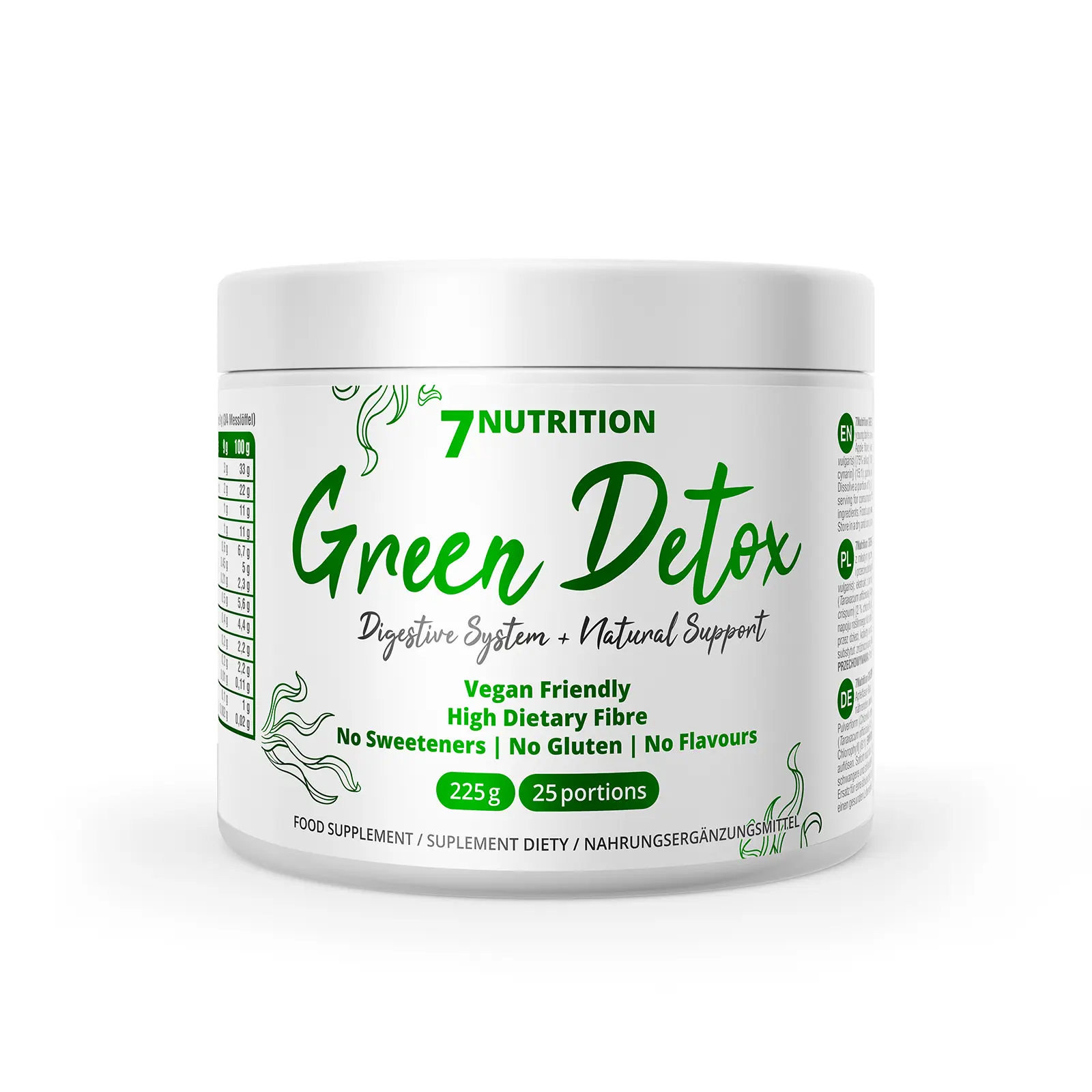
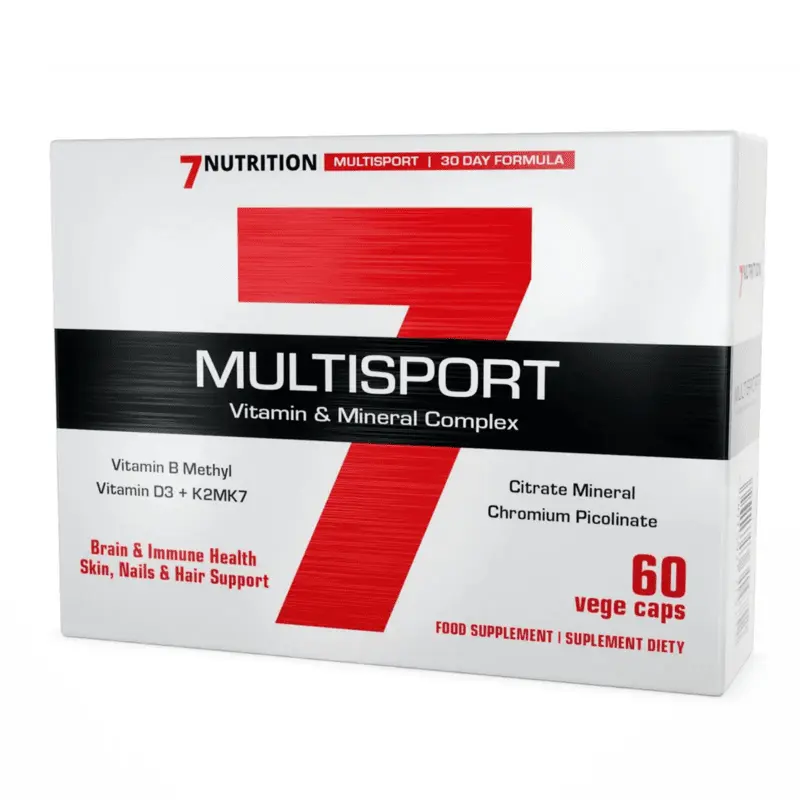
Recommended products
Frequently asked questions
How does spirulina help with post-workout recovery?
The high protein and phycocyanin content in spirulina aids muscle recovery and reduces inflammation after intense physical exertion.
Can spirulina improve my energy levels during a workout?
Yes, thanks to its rich profile of B vitamins, iron, and chlorophyll, spirulina improves oxygen transport and energy metabolism, leading to increased endurance.
Is spirulina suitable for vegan and vegetarian athletes?
Absolutely. Spirulina is an excellent source of complete protein and iron, making it an ideal supplement for vegans and vegetarians aiming to maintain muscle mass and energy.
What is the recommended dosage of spirulina for athletes?
A dosage of 3 to 5 grams per day is generally recommended, but it's advisable to consult with a specialist or follow the product instructions to optimize intake according to individual needs.