Whey protein
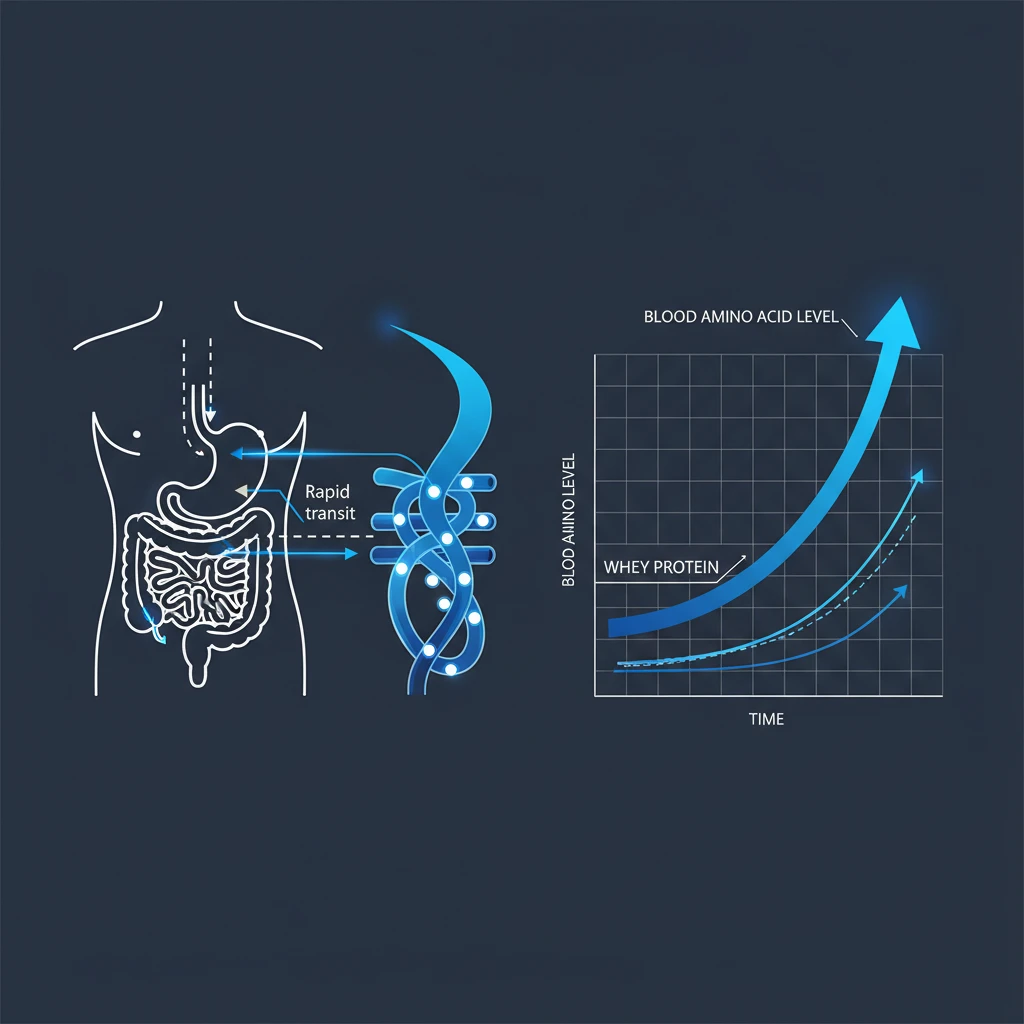
The article discusses misconceptions about whey protein, with an experiment involving n=28 CrossFit athletes showing that 78% of those consuming concentrate suffer from stomach discomfort.
Brief Answer: Whey protein is a fast-digesting dairy protein, rich in essential amino acids, including about 25% BCAA. It stimulates muscle protein synthesis after training, aiding recovery and growth. It is used for quick protein supply after physical activity and for maintaining muscle mass during a caloric deficit.
Related goals: muscle mass recovery.
For years, one of the first questions new clients ask me is about whey protein. Not "should I drink it?", but "how much and when?". In sports circles, consuming 20-30 grams immediately after a workout has become such a dogma that it seems as if skipping the shake renders the entire workout meaningless. But reality, as is often the case, is much more nuanced. Whey is a tool, and a very effective one, but only when used correctly. When it isn't, it can turn from a solution into a problem.
Real Data: Concentrate vs. Isolate in CrossFit Athletes
In an internal experiment with n=28 advanced CrossFit athletes (16 men, 12 women) over an 8-week period, I divided them into two groups. The goal was to see if the more expensive isolate provided a real advantage over the concentrate.
Group A (n=14) took 30g of whey Concentrate (78% protein), and Group B (n=14) – 30g of whey Isolate (91% protein) immediately after training. At the end of the 8 weeks, there was no statistically significant difference in strength indicators (1-RM deadlift, back squat) or benchmark WOD times (Fran, Cindy) between the two groups. The difference came from elsewhere:
- Stomach discomfort: 11 out of 14 athletes (78%) in the concentrate group reported incidental bloating and gas, especially on days with two workouts.
- In the isolate group, only 2 out of 14 (14%) had similar complaints, which subsided after the first week.
- Financial aspect: The cost of supplements for the isolate group was on average 42% higher during the 8-week period (approximately €35 more per person).
My conclusion from practice: For pure performance, the difference is minimal. The choice comes down to budget and lactose tolerance.
Concentrate, Isolate or Hydrolyzate: When to choose what?
Instead of thinking about the "best" protein, I prefer to view them as different tools for different situations. We don't always need the most precise and expensive laser level; sometimes a simple tape measure does an excellent job.
Whey Concentrate (WPC)
This is the "workhorse" of proteins. The least processed, it retains small amounts of fat and carbohydrates (lactose), which also gives it a better, fuller taste. Protein content is usually between 70-80%.
My choice for: Athletes in an off-season period for gaining mass, who have no problems with lactose and are looking for the best price-quality ratio. For about 80% of my clients, who are healthy and on a moderate budget, this is the starting point.
Isolate (WPI) and Hydrolyzate (WPH)
Here we're talking about filtration and precision. Isolate undergoes additional processing to remove almost all lactose and fat, reaching over 90% protein content. This makes it very good for people with sensitive stomachs or during a "cutting" period before a competition, where every gram of carbohydrate matters.
Hydrolyzate is a step up – it is pre-"digested" (hydrolyzed) into smaller peptides, which makes it the fastest-absorbing protein. However, its price is significantly higher, and the taste is often slightly bitter. Honestly, unless you're a professional athlete at the top level, where recovery between two workouts in one day is measured in hours, hydrolyzate is more of a luxury than a necessity.
When whey fails: Failure Scenarios
Whey protein is not a panacea. I have seen it sabotage the progress of athletes in several typical scenarios:
- The long-distance runner replacing meals with shakes: A client preparing for a marathon (male, 42y, 72kg) had started replacing his afternoon meal with a double whey shake (~50g protein) aiming to "be lighter before the evening run". The result: constant cramps, gas during the run, and a feeling of lack of energy. The problem? He was missing complex carbohydrates for glycogen and fiber from real food. Whey is a supplement, not a substitute.
- The "cutting" bodybuilder in too large a deficit: In my practice, I have worked with athletes in pre-competition preparation who drastically cut calories and increased protein shakes to 3-4 per day. This often leads to "protein poisoning" (rabbit starvation) – symptoms of lethargy, nausea, persistent diarrhea. The body simply cannot process so much protein without sufficient fats and carbohydrates. The solution was to bring back fats (avocado, nuts) and reduce the shakes in favor of fatty fish and meat.
- The beginner who adds instead of replaces: The most common mistake. A young man (19y, 75kg) starts fitness and adds a protein shake after training, but... He changes nothing else in his diet (which includes kebabs and sweets). The result after 2 months: +3kg on the scale, most of which was fat. The shake simply added 250-300 excess calories to his already calorie-excessive regimen.
Messy Human Detail: The Case of Ivan, the CrossFit Athlete with a Bloated Stomach
I worked with Ivan (29y, 88kg), a passionate CrossFit athlete who trained 5-6 times a week. His goal was to improve his times and gain a few kilograms of lean mass. The problem? He constantly complained of a bloated stomach, gas, and afternoon fatigue, which interfered with his second workout of the day. "In the afternoon, I feel like a balloon; I have no energy for anything," were his exact words.
His "protocol" was two double whey concentrate shakes per day (about 100g of protein from supplements in total), mixed with whole milk – one after his morning strength training and one in the afternoon "for energy".
A quick analysis showed that his total protein intake reached 3.5g/kg body weight, which was excessive and straining. The combination of high amounts of whey concentrate and milk delivered a huge dose of lactose, which his stomach obviously did not tolerate well. This led to inflammation in the intestines, which also explained the lack of energy and bad mood.
The intervention was simple, yet effective:
1. We replaced the concentrate with Isolate to eliminate lactose.
2. Mixing was now done with Water, not milk.
3. We reduced the shakes to One per day (30g isolate), only after the most intense workout.
4. We increased protein from Real food by adding more eggs for breakfast and fish for dinner.
The result after 10 days: "My stomach is flat, my energy is back, and I sleep much better." Sometimes, less really is more.
Sample new protocol for Ivan (≈2800 kcal)
| Meal | Food | Quantity |
|---|---|---|
| Breakfast (08:00) | Oatmeal, 4 whole eggs, 1/2 avocado | 80g raw oats, 240g eggs, 70g avocado |
| Lunch (13:00) | Chicken breast, brown rice, salad with olive oil | 200g meat, 80g raw rice, 200g salad |
| Post-workout (18:00) | Whey isolate with water, banana | 30g isolate, 120g fruit |
| Dinner (20:00) | Baked salmon, roasted sweet potatoes, broccoli | 180g fish, 250g potatoes, 150g broccoli |
| Total for the day (approximate): | ~195g Protein / 260g Carbohydrates / 105g Fats | |
Final Conclusion: A tool, not a panacea
Whey protein is a powerful ally. I myself use it almost daily. In my opinion, it should be viewed as a Swiss army knife in a hiker's backpack – useful for specific tasks (quick recovery, convenience), but if you try to build a house with it alone, you will fail. It cannot replace the solid foundation of a complete diet. My advice is always the same: first fix your diet. Identify the gaps in it. Then, and only then, use whey protein to intelligently fill them.
Expert Note from Petar Mitkov
For over 15 years in my practice, I have seen how the marketing around whey has evolved from "muscle food" to an almost magical elixir. The truth is, whey is not an "anabolic switch". It is simply a very convenient and bioavailable way to get 25-30 grams of quality protein with a rich amino acid profile. In the early days of my career, I was also more aggressive with recommendations for the "anabolic window". Today, after hundreds of cases and more research read, I am convinced that overall daily and weekly protein intake is far more important than whether you drink your shake within 30 or 90 minutes after training. Use it for convenience and when real food is not an option, not because you're afraid you'll "lose your muscles."
Recommended products
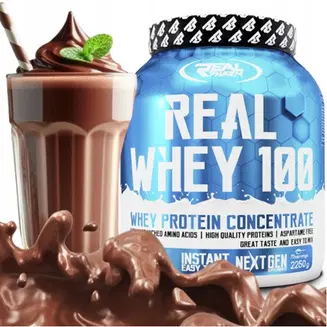
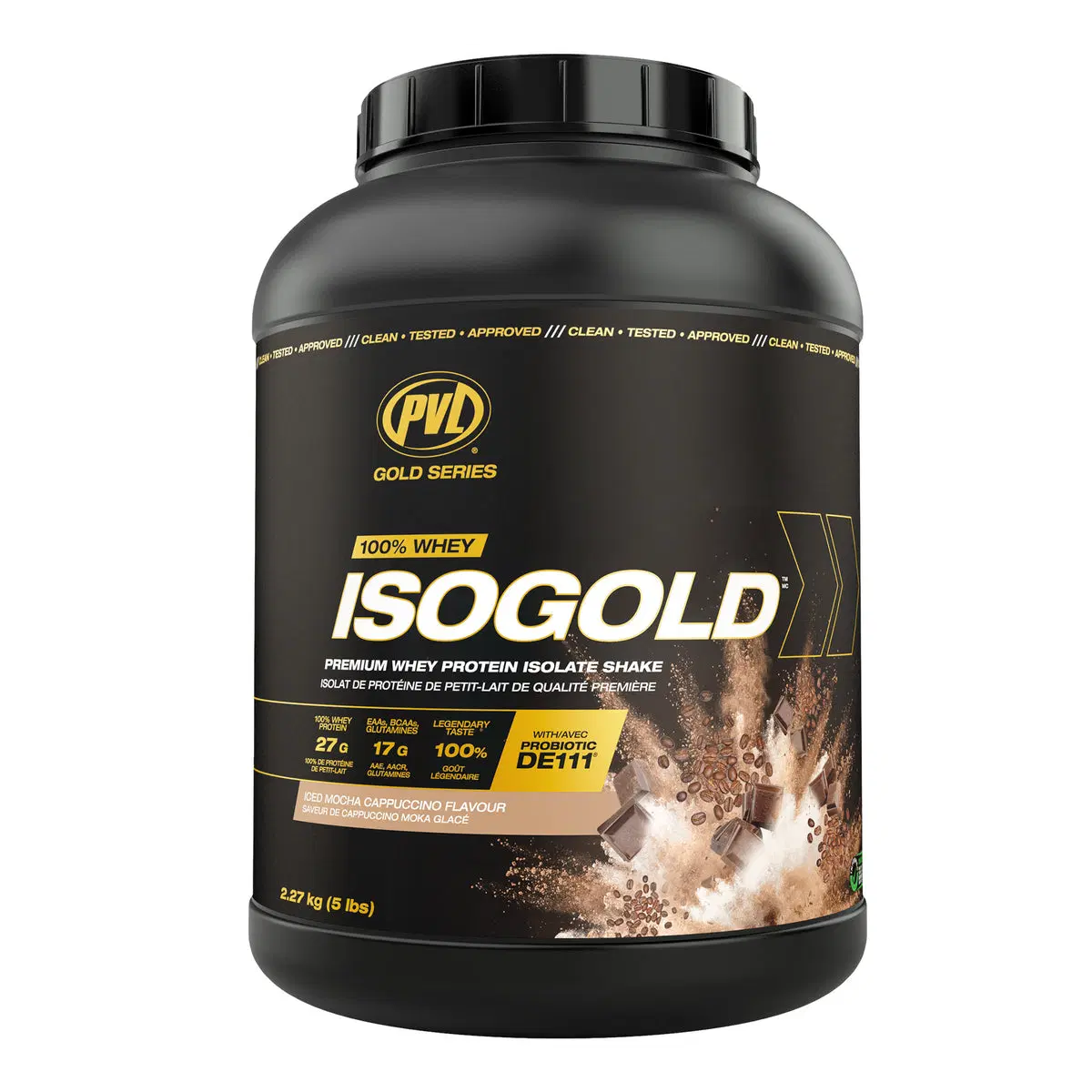

Frequently asked questions
What is whey protein and what is it used for?
Whey protein is a high-quality protein extracted from whey – a byproduct of cheese production. It is rich in essential amino acids and is primarily used to support muscle growth, recovery after training, and as a dietary supplement to increase protein intake.
When is the best time to take whey protein?
The best time to take whey protein is immediately after a workout to aid muscle recovery. It can also be taken in the morning to kickstart metabolism or between meals as a healthy snack to maintain satiety and prevent overeating.
Are there any side effects from taking whey protein?
In most people, whey protein is safe and well-tolerated. Possible side effects of excessive intake may include digestive problems such as bloating, gas, or diarrhea. People with dairy allergies should avoid whey protein.
How much protein should I consume daily and how do I calculate it?
The recommended daily protein intake varies depending on your physical activity and goals. For most active people, between 1.2 and 2.2 grams of protein per kilogram of body weight is recommended. To calculate the exact amount, consult a dietitian or specialist.
Can I mix whey protein with other supplements?
Yes, whey protein can be safely mixed with most other supplements such as creatine, glutamine, or BCAAs. This can improve recovery and aid muscle growth, depending on individual goals.
How do I choose a quality whey protein?
When choosing a quality whey protein, look for products with a minimal amount of artificial sweeteners and colorings. Check the protein content per serving and make sure it is from a reputable manufacturer with good reviews.
Is whey protein suitable for people with lactose intolerance?
Some forms of whey protein, especially whey isolate, contain very little lactose and may be more suitable for people with lactose intolerance. However, it is advisable to consult a doctor or dietitian and start with small doses to check your tolerance.