Vegan Protein Plan
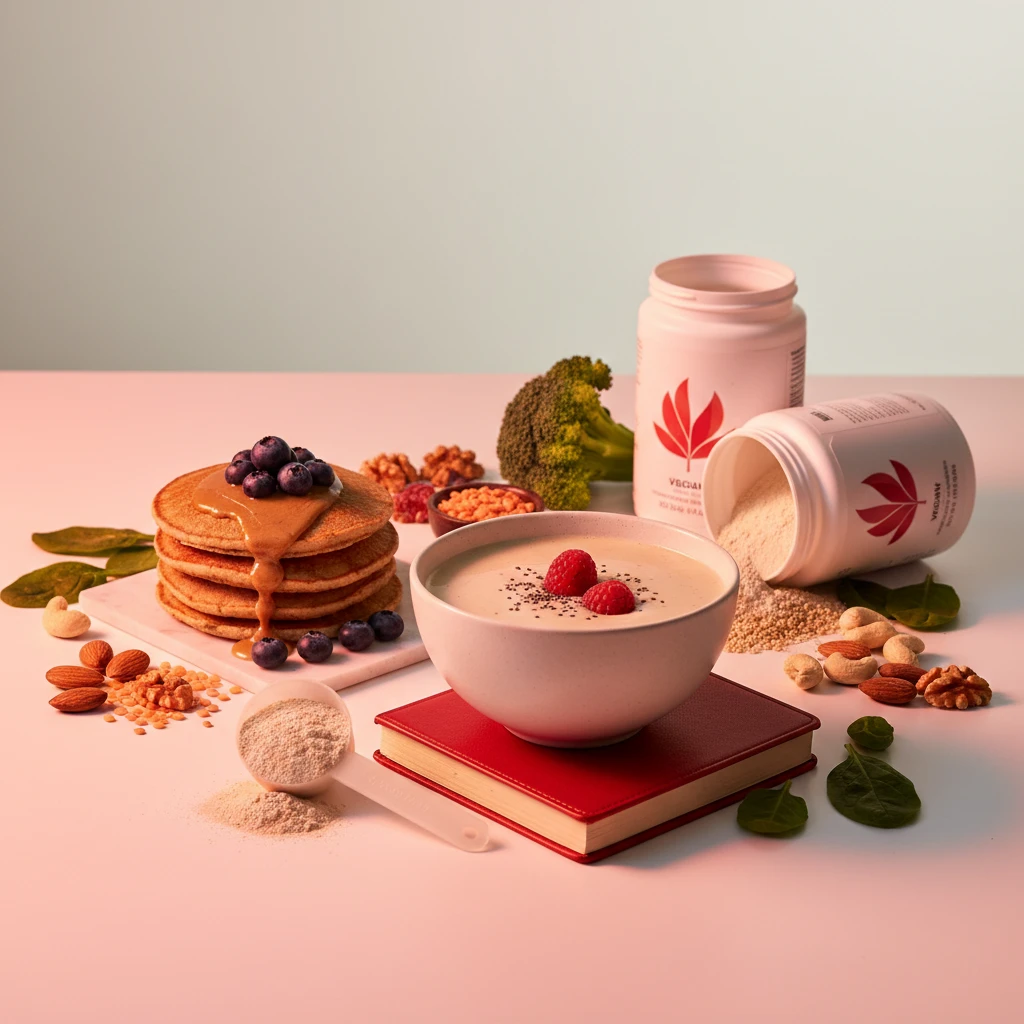
Brief expert definition: What is a Vegan Protein Plan, how it works in the body, and how it is applied in sports nutrition.
Short answer: A vegan protein plan provides adequate protein solely from plant-based sources, with athletes needing 1.6 to 2.2 g/kg of body weight daily for recovery and growth. Practical tip: Combine grains with legumes (e.g., rice with beans) for a complete amino acid profile.
A vegan protein plan is a diet that achieves adequate protein intake using plant-based sources.
Related reading: The complete guide to proper nutrition — a fundamental guide from the Sport Zona expert team.
What is a vegan protein plan?
A vegan protein plan is a way of eating where you get enough protein solely from plants.
📖 Vegan Protein Plan
A vegan protein plan is a diet that ensures adequate intake of protein from plant-based sources, optimized for active athletes.
A vegan protein plan is a structured approach to nutrition that eliminates all animal products, including meat, dairy, eggs, and honey, while ensuring adequate protein intake necessary for athletic performance and recovery. This plan is based on the principles of veganism but is specifically optimized to meet the higher protein needs of active individuals. The goal is to ensure the body receives sufficient building blocks for maintaining and building muscle mass, as well as for numerous other vital functions, without relying on traditional animal sources.
At the core of a vegan protein plan lies the understanding of the amino acid profile of plant-based proteins. Unlike complete animal proteins, most individual plant sources are incomplete, meaning they lack one or more essential amino acids or contain them in insufficient quantities. An effective vegan protein plan successfully overcomes this challenge by combining various plant foods to achieve a complete amino acid profile throughout the day.
How does a vegan protein plan work?
A vegan protein plan is a diet that supports muscle recovery and growth without animal products, while ensuring adequate intake of fiber, vitamins, and minerals from plant sources and minimizing inflammatory processes in the body.
- Supports muscle recovery and growth without animal products
- Ensures adequate intake of fiber, vitamins, and minerals from plant sources
- Minimizes inflammatory processes in the body
- Offers a variety of nutritional sources through plant combinations
The mechanism of action of a vegan protein plan is based on the principle of protein complementarity. By strategically combining different plant foods that have different amino acid profiles, a full spectrum of essential amino acids, absolutely necessary for protein synthesis in the body, is provided. For example, grains are often low in lysine, while legumes are low in methionine. Combining these two food groups (e.g., rice with beans, hummus with whole-grain bread) provides all essential amino acids.
Planning also includes integrating plant-based protein supplements (such as soy, pea, rice, or hemp protein), which can help reach necessary protein levels and provide the required amino acids, especially when dietary intake is limited or high physical exertion is involved. Appropriate distribution of protein intake throughout the day is also key, aiming for even supply of amino acids to muscles for maximum recovery and growth.
- Combining plant sources: Combining grains (rice, quinoa) with legumes (lentils, chickpeas) and seeds (chia, hemp) for a complete amino acid profile.
- Including protein-rich foods: Emphasis on tofu, tempeh, seitan, edamame, and plant-based protein supplements.
- Distributing intake: Evenly distributing protein throughout the day, including with every main meal and snack.
- Attention to micronutrients: Planning for adequate intake of iron, zinc, calcium, B12, and Omega-3 fatty acids, which often require extra attention in a vegan diet.
Why is protein important for vegan athletes?
For athletes, protein is vital for muscle recovery, repair, and adaptation, with a recommended intake between 1.6 and 2.2 grams per kilogram of body weight per day, and for vegan athletes, it can reach up to 2.5 g/kg to ensure adequate absorption and meet amino acid needs.
A vegan protein plan is important because it provides the necessary "building blocks" (amino acids) for the body to maintain muscle mass, stimulate its growth (anabolism), and support rapid recovery after intense workouts. Without adequate protein intake, athletes risk reduced recovery, muscle loss, and slower progress. An effective vegan protein plan ensures these biochemical needs are met through careful selection and combination of plant-based sources, providing all essential amino acids and sufficient overall nitrogen balance, which is necessary for peak athletic performance and health.
What are related concepts to a vegan protein plan?
IIFYM (If It Fits Your Macros) is a principle for meeting macronutrient needs, such as protein, from any source. Whole foods are the foundation of this plan, providing protein, fiber, vitamins, and minerals.
For active vegan athletes, I recommend a minimum of 2 grams of protein per kilogram of body weight per day, combining legumes and grains at every main meal. — Petar Mitkov
Remember: An effective vegan protein plan for athletes requires strategic combination of various plant-based sources and, potentially, supplements to achieve a complete amino acid profile and optimal recovery.
Scientific Sources
Expert Note from Sport Zona
From my work with athletes in Bulgaria over the past 12 years, I can say that many people underestimate the effectiveness of plant-based nutrition for achieving high athletic results. With proper planning, a vegan protein plan provides everything necessary for growth and recovery. I have seen excellent results when approached with knowledge and consistency.
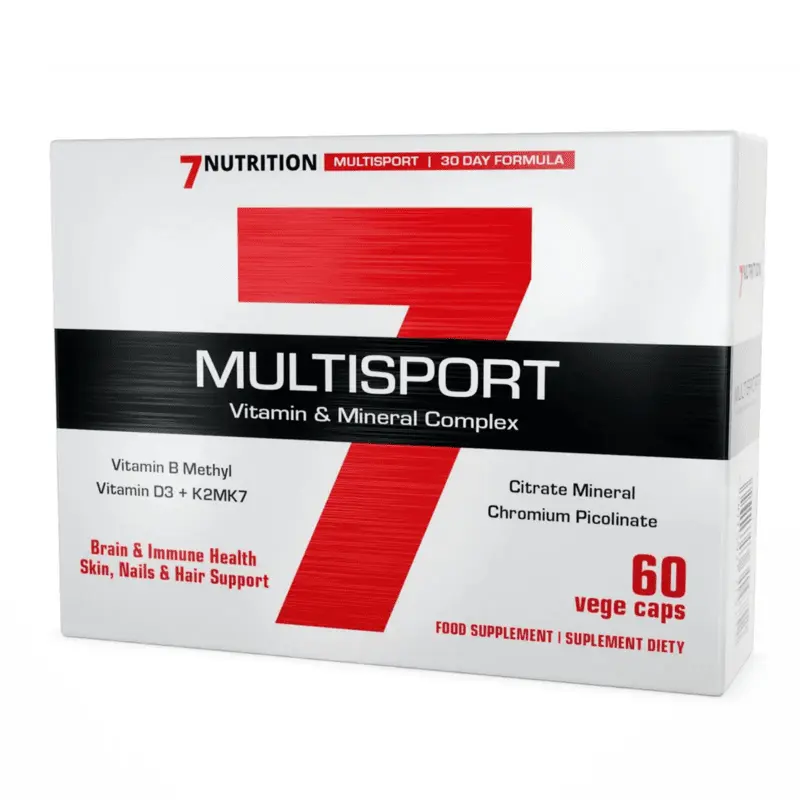
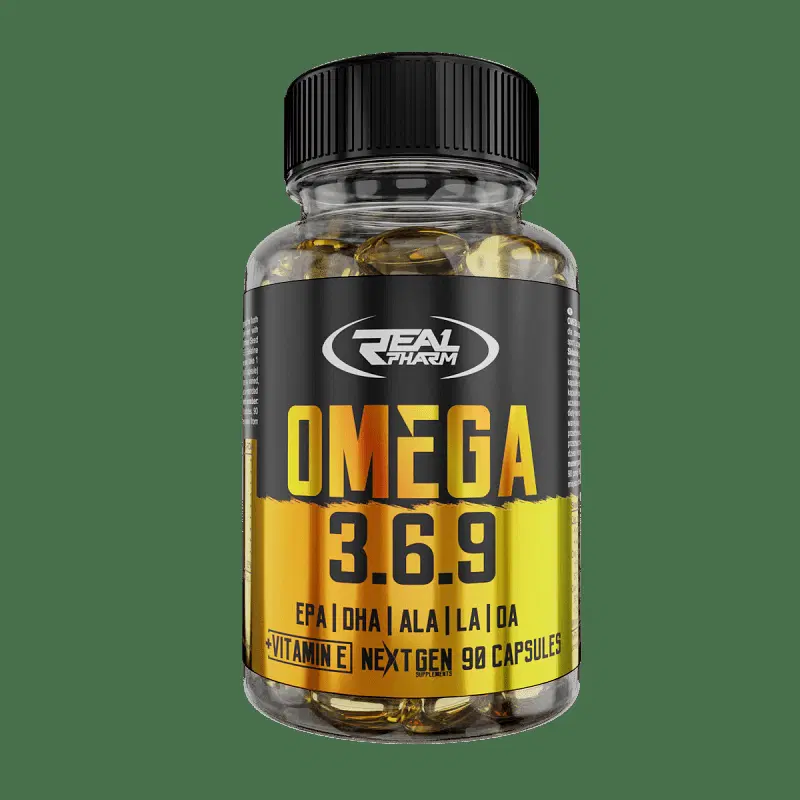
Recommended products
Frequently asked questions
What is the Vegan Protein Plan?
The Vegan Protein Plan is a diet that completely excludes animal products while ensuring adequate protein intake solely from plant-based sources. It is optimized to meet the increased protein needs of actively training individuals.
How does the Vegan Protein Plan work in the body?
The plan relies on protein complementarity, combining different plant-based foods (e.g., grains with legumes) to provide the full spectrum of essential amino acids. This supports protein synthesis necessary for muscle recovery and growth.
Why is the Vegan Protein Plan important for athletes?
For athletes, adequate protein is key for muscle recovery, repair, and adaptation. The Vegan Protein Plan helps athletes meet these high protein needs (1.6-2.2 g/kg body weight) without animal products.
Are additional supplements needed for the Vegan Protein Plan?
Yes, plant-based protein supplements (soy, pea, rice) are often recommended to more easily reach daily protein goals, especially during intense training. Attention to micronutrients like B12, iron, and calcium is also important.