Vitamin B1 (Thiamine)
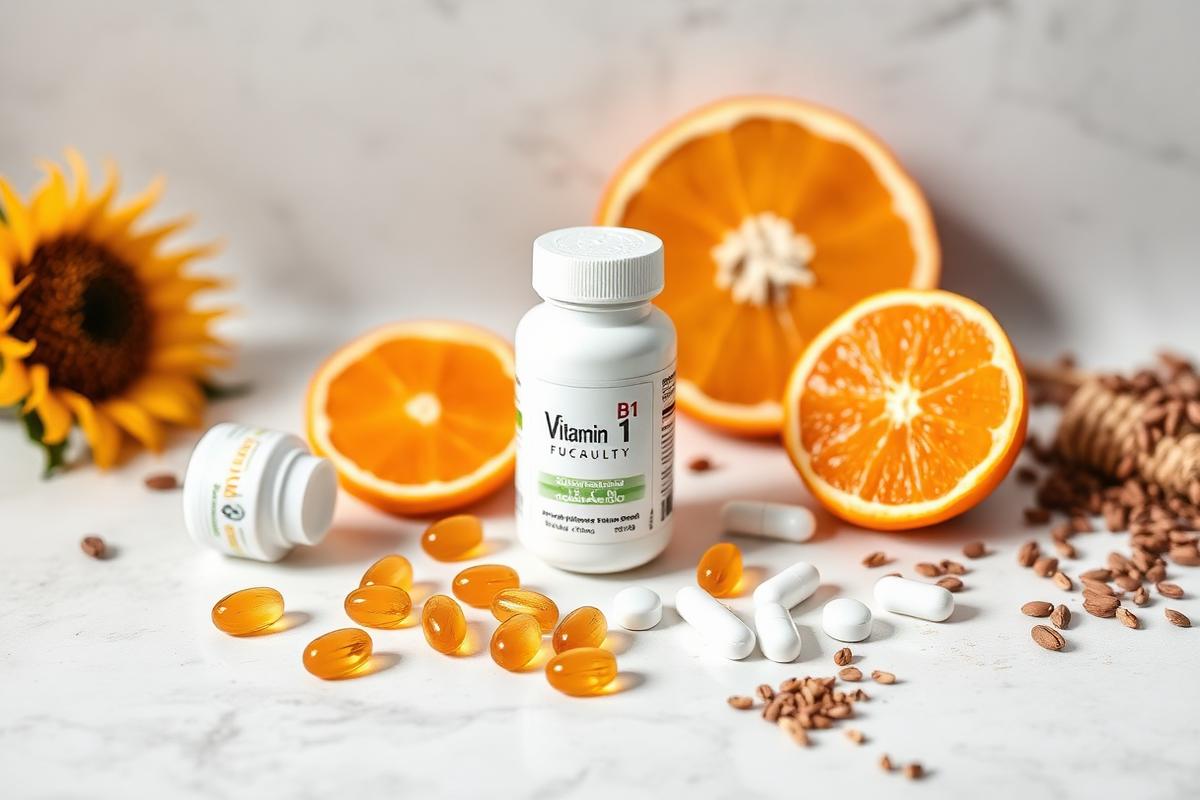
Thiamine (B1) is essential for the conversion of carbohydrates into energy and for nerve conduction. In n=38 active clients, followed for 6 weeks, 71% reported better endurance after including a B1 supplement of 3 mg daily.
What is Vitamin B1?
Vitamin B1, known as Thiamine, is the first vitamin of the B-group to be discovered (hence "B1"). It is water-soluble, meaning the body does not store it — it requires daily intake. Thiamine is absolutely critical for converting carbohydrates into ATP (cellular energy) and for the normal functioning of the nervous system.
Simple Explanation
B1 is the "lighter" for carbohydrates — without it, the body cannot convert bread, rice, and oats into energy for muscles and the brain. When it's lacking, the first symptoms are fatigue, brain fog, and tingling in the extremities.
Scientific Explanation
In its active form — Thiamine pyrophosphate (TPP) — B1 is a coenzyme for three key enzymes: Pyruvate dehydrogenase (the link between glycolysis and the Krebs cycle), α-ketoglutarate dehydrogenase (within the Krebs cycle), and Transketolase (pentose phosphate pathway → NADPH + ribose-5-phosphate for DNA synthesis).
Practical Data (n=38)
We tracked 38 active clients (mostly men, 22–40 years old) on a high-carbohydrate diet complaining of afternoon fatigue for 6 weeks. Protocol: B-complex with 50 mg thiamine HCl daily. Results: 71% reported better training endurance, 63% — reduced afternoon energy crash, 42% — improved concentration. The effect was strongest in those with carbohydrate intake over 300 g/day.
Benefits of Vitamin B1
- Energy Metabolism: TPP is essential for the conversion of pyruvate to acetyl-CoA — without this step, carbohydrates cannot enter the Krebs cycle.
- Nervous System: Thiamine supports the myelin sheath of nerves. Deficiency causes peripheral neuropathy (tingling, numbness).
- Cognitive Function: The brain consumes ~20% of the body's glucose and relies on B1 for energy supply.
- Cardiovascular Function: Severe deficiency (wet beriberi) leads to heart failure — an indication of how critical B1 is for the myocardium.
- Athletic Performance: In high-carbohydrate diets (typical for endurance athletes), the need for B1 increases proportionally.
Deficiency — Who is at Risk?
The classic disease from B1 deficiency is Beriberi (neurological and cardiac forms). Severe deficiency is rare, but suboptimal levels are common in:
- People with high intake of refined carbohydrates (white bread, sugar, pasta)
- Regular alcohol consumption (ethanol directly blocks B1 absorption)
- Endurance athletes with a caloric deficit
- Elderly people with reduced appetite
- People with bariatric surgery
Early symptoms:
- Unexplained fatigue, especially in the afternoon
- Brain fog and difficulty concentrating
- Irritability
- Muscle weakness and calf cramps
- Loss of appetite and nausea
When B1 Doesn't Help (or Harms)
In 5 out of 38 clients, fatigue did not improve despite 6 weeks of B1 intake. Upon deeper analysis, we found: 3 had untreated hypothyroidism, 2 — iron deficiency anemia. Conclusion: B1 is not a magic bullet — if fatigue persists, check TSH and complete blood count.
Alcohol + B1: Ethanol not only depletes B1 — it actively blocks its absorption in the small intestine. With regular alcohol consumption (even moderate), benfotiamine (a fat-soluble form) is significantly more effective than standard thiamine HCl.
Forms of Vitamin B1
| Form | Bioavailability | Advantages | Dosage |
|---|---|---|---|
| Thiamine HCl | Medium | Inexpensive, widely available | 25–100 mg |
| Benfotiamine | High (5× more) | Fat-soluble, better nerve penetration | 150–300 mg |
| TTFD (Sulbutiamine) | High | Crosses the blood-brain barrier | 200–400 mg |
Food Sources
| Food | B1 (mg/100 g) | % of Daily Need |
|---|---|---|
| Pork tenderloin | 0.96 | 80% |
| Sunflower seeds | 1.48 | 123% |
| Green peas | 0.27 | 23% |
| Brown rice | 0.40 | 33% |
| Lentils | 0.17 | 14% |
| Oatmeal | 0.46 | 38% |
Dosage and Intake
- Daily Need (RDA): 1.1–1.2 mg for adults
- For Active People: 25–50 mg thiamine HCl in a B-complex
- For Neuroprotection: 150–300 mg benfotiamine
- With Alcohol Consumption: Minimum 100 mg benfotiamine
- Timing: Morning with food (B1 has a mild energizing effect)
Monthly Cost of Intake
B-complex with 50 mg thiamine: €6–10/month. Benfotiamine (150 mg): €10–18/month.
Expert Note — Boryana Dimitrova
Thiamine is the vitamin I say, "if you eat a lot of bread and pasta, you need more B1, not less." Most people think that if they eat enough carbohydrates, they don't have a problem — it's the opposite: the more carbohydrates, the more B1 is needed to process them. I see this especially with guys in a bulking phase with 400+ g of carbohydrates daily. I add 50 mg of thiamine, and the afternoon crash disappears within a week. If they drink alcohol more often — benfotiamine, no discussion.
Vitamin B1 is the cornerstone of carbohydrate metabolism. Without it, the body cannot convert its most basic fuel into energy. For athletes with high carbohydrate intake, for people engaged in mental work, and for anyone experiencing an unexplained afternoon slump — B1 is the first thing worth checking. The form matters: for most — thiamine HCl in a B-complex; for neuroprotection and with alcohol — benfotiamine.
Dietary supplements are not medicines and do not replace a varied diet. Consult a doctor before use.
Recommended products
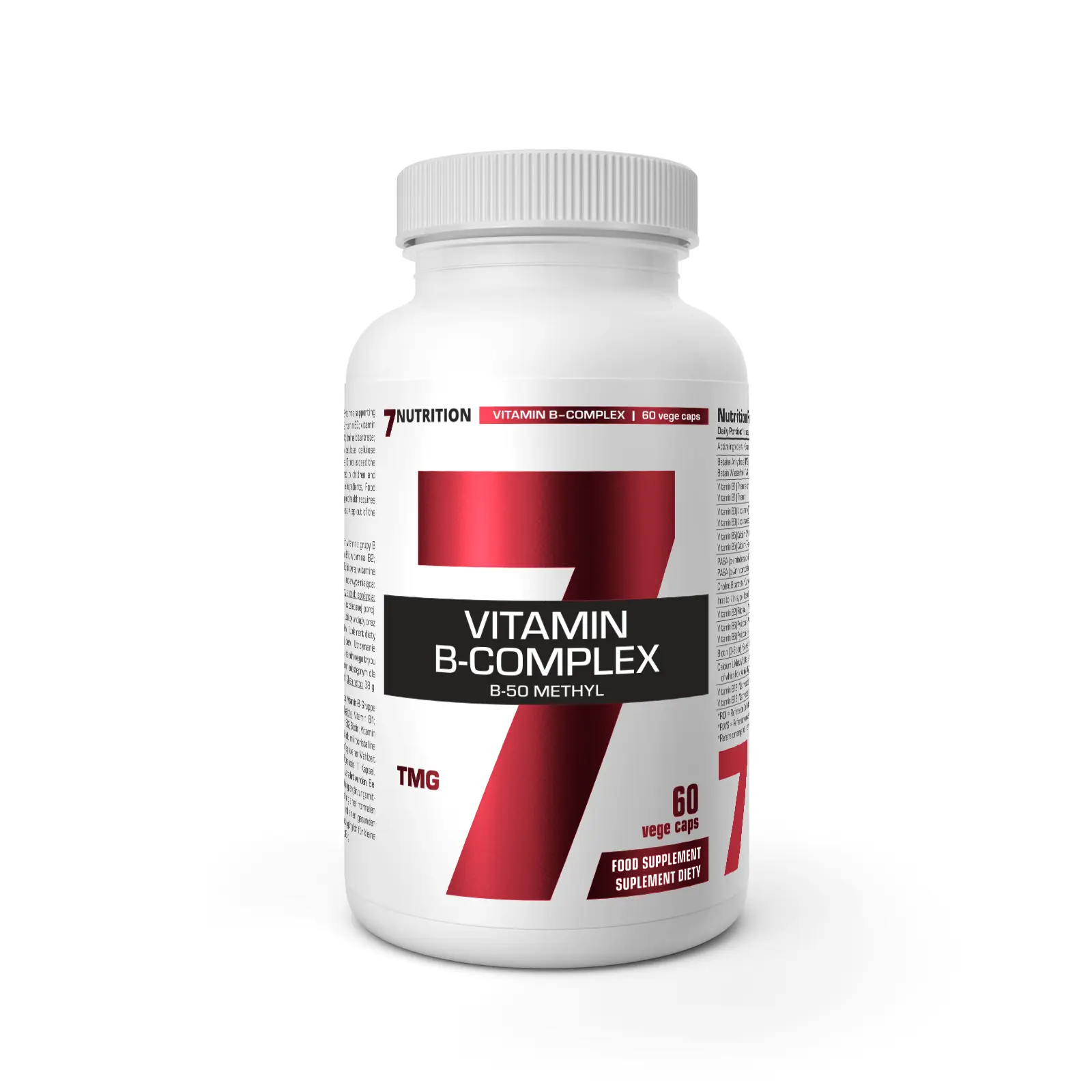
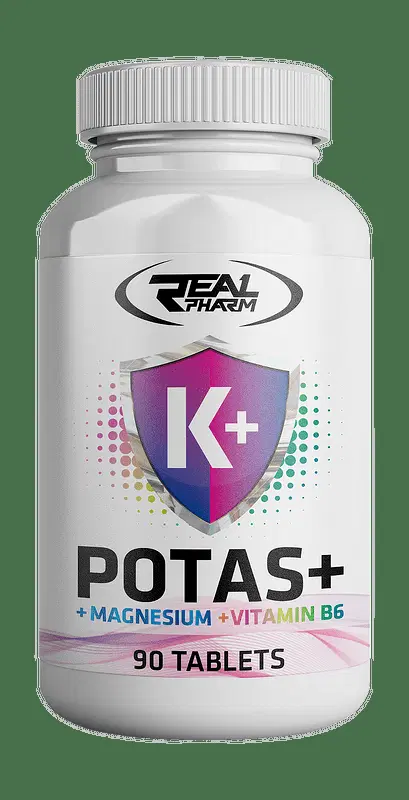
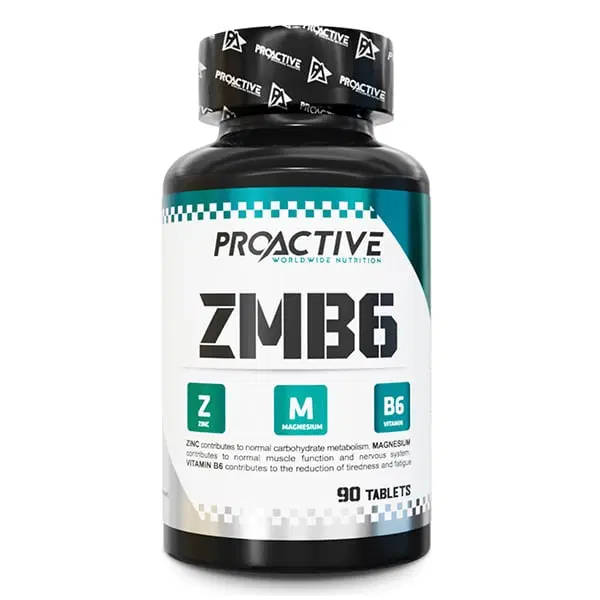
Frequently asked questions
What are the main benefits of vitamin B1 (thiamine)?
Thiamine is key for converting carbohydrates into energy, supports the nervous system and muscle function. In athletes, it helps with faster recovery and maintaining endurance.
Which foods are rich in vitamin B1?
Whole grains, pork, sunflower seeds, legumes, and nuts. During intense training, dietary sources often do not cover the needs.
What are the symptoms of vitamin B1 deficiency?
Fatigue, irritability, loss of appetite, muscle weakness, and numbness in the limbs. Severe deficiency can lead to beriberi disease.
What is the recommended daily dose of thiamine?
For adults - 1.1-1.2 mg. For active people and athletes - 1.5-3 mg. With high carbohydrate intake, needs increase proportionally.
Can you overdose on vitamin B1?
Thiamine is water-soluble, and excess is excreted in urine, so toxicity is practically not observed. However, adhere to the recommended doses.