Vitamin B2 (Riboflavin)
Riboflavin (B2) is involved in energy metabolism and antioxidant defense through the glutathione cycle. In n=34 clients with complaints of fatigue and cracked lips, 76% reported improvement after 4 weeks of taking 10 mg daily.
Short answer: Vitamin B2 (riboflavin) powers the glutathione cycle—the body's most potent intracellular antioxidant system—and is involved in the energy metabolism of every cell, with deficiency manifesting as cracked lips, photosensitivity, and chronic fatigue.
What is Vitamin B2?
💬 Simply put: Vitamin B2 is vital for energy production in the body and the functioning of its most powerful antioxidant system, protecting cells from damage.
Vitamin B2, known as Riboflavin, is a water-soluble vitamin with a characteristic yellow color (it's what makes urine bright yellow when taking B-complex). Riboflavin is a precursor to two vital coenzyme forms: FAD (flavin adenine dinucleotide) and FMN (flavin mononucleotide), which participate in hundreds of redox reactions.
Simple explanation
B2 is the cell's "shield"—it charges glutathione (the body's most potent antioxidant) and helps extract energy from everything you eat. When it's lacking, you feel fatigue, your lips crack, and your eyes become sensitive to light.
Scientific explanation
FAD is a coenzyme for Glutathione reductase (regenerates oxidized glutathione → GSH), Succinate dehydrogenase (complex II in the electron transport chain), MTHFR (folate metabolism → methylation), and Monoamine oxidase (breakdown of serotonin and dopamine). B2 deficiency impairs the function of B6, B9, and B3, making it a "master regulator" of the B group.
Practical data (n=34)
We tracked 34 clients (mostly women, 25–40 years old) with complaints of chronic fatigue, cracked lips, and photosensitivity for 4 weeks. Protocol: 25 mg riboflavin + B-complex. Results: 76% reported improvement in fatigue, 82%—healing of cracked lips, 59%—reduced photosensitivity. Additionally: in 8 clients with a history of migraines, 6 (75%) reported a reduction in the frequency of attacks.
What are the benefits of Vitamin B2?
Vitamin B2 provides antioxidant protection by regenerating glutathione, which protects cells from oxidative stress; 400 mg of riboflavin daily has been shown to prevent migraines by improving mitochondrial function in the brain, and it is involved in energy metabolism in ATP production and is necessary for the function of the MTHFR enzyme.
- Antioxidant Protection: FAD regenerates glutathione—without B2, glutathione is depleted, leaving cells unprotected from oxidative stress.
- Migraine: 400 mg of riboflavin daily is a proven migraine preventative (EFSA approved health claim). Mechanism: improving mitochondrial function in the brain.
- Energy Metabolism: FAD and FMN are involved in the electron transport chain—the final step of cellular respiration, where 90% of ATP is produced.
- Methylation: B2 is needed for the function of the MTHFR enzyme. In individuals with MTHFR polymorphism (30–40% of the population), adequate B2 is critical.
- Skin Health: B2 supports mucous membranes and skin. Deficiency causes angular cheilitis (cracks at the corners of the mouth) and seborrheic dermatitis.
What are the classic signs of Vitamin B2 deficiency?
Vitamin B2 (riboflavin) deficiency is a condition that is relatively easy to recognize visually, thanks to its characteristic symptoms.
- Cracks at the corners of the mouth (angular cheilitis)
- Inflamed, purple/magenta tongue (glossitis)
- Photosensitivity and burning in the eyes
- Seborrheic dermatitis (oily, flaky patches around the nose)
- Chronic fatigue
When B2 doesn't help (or harms)
B2 is safe—even at doses of 400 mg, no toxic effects have been reported (excess is excreted in urine, coloring it bright yellow). However, in 2 out of 34 clients, cracked lips did not improve with B2—the cause was Iron deficiency anemia, which mimics B2 deficiency.
Antibiotics: Tetracycline antibiotics reduce B2 absorption. Take them at least 2 hours apart.
What are the food sources of Vitamin B2?
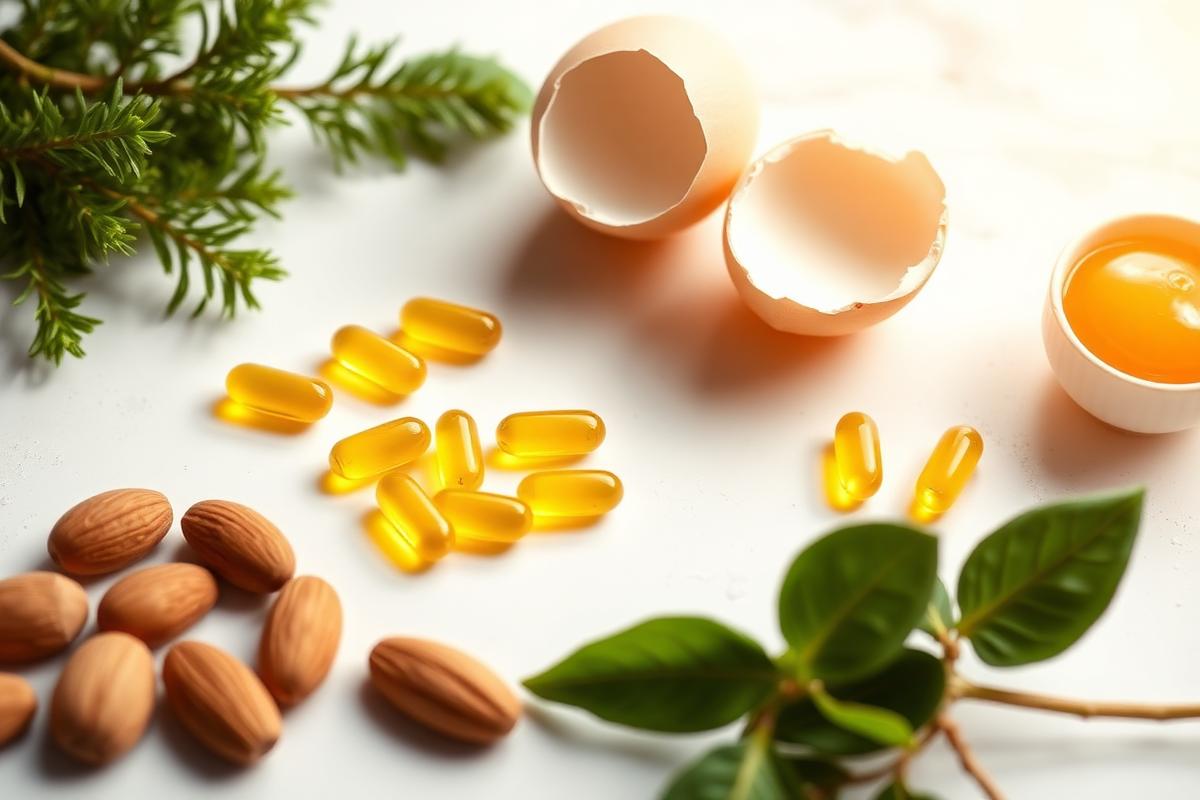
Vitamin B2 is found in foods such as beef liver (2.7 mg/100 g, which is 192% of daily needs), almonds (1.0 mg/100 g, 71%), eggs (0.5 mg/100 g, 36%), milk (0.18 mg/100 g, 13%), mushrooms (0.4 mg/100 g, 29%), and spinach (0.2 mg/100 g, 14%).
| Food | B2 (mg/100 g) | % of Daily Needs |
|---|---|---|
| Beef liver | 2.7 | 192% |
| Almonds | 1.0 | 71% |
| Eggs (whole) | 0.5 | 36% |
| Milk (2%) | 0.18 | 13% |
| Mushrooms | 0.4 | 29% |
| Spinach | 0.2 | 14% |
What is the dosage and intake of Vitamin B2?
- Daily Needs (RDA): 1.1–1.3 mg
- For General Support: 10–25 mg in a B-complex
- For Migraine (Prevention): 400 mg daily, for at least 3 months
- With MTHFR Polymorphism: 25–50 mg
- Timing of Intake: With food (fats improve absorption)
Monthly cost of intake
The dosage and intake of Vitamin B2 represent a B-complex with 25 mg of B2, which costs €6–10/month, as well as high-dose riboflavin for migraines (400 mg), which costs €12–20/month.
Expert Note — Elena Georgieva
B2 is a vitamin we often overlook, yet it controls the effectiveness of half the B group. When I see a client with cracked lips and fatigue, I first check B2 and iron—the two most common causes. For migraines, 400 mg of riboflavin is safer than any medication and works for 60–70% of people. The only "strange side effect" is bright yellow urine—I tell them: "That means it's working, not that something is wrong."
Vitamin B2 is the "master regulator" of the B group—without it, B3, B6, and folate cannot function properly. It is critical for antioxidant protection through glutathione, for energy metabolism, and for migraine prevention. It is safe even in high doses and deserves more attention than it receives.
Dietary supplements are not medicines and do not replace a varied diet. Consult a doctor before use.
🔬 Expert Note from Sport Zona
In athletes, especially those with more intense training, we often observe B2 deficiency. Taking a B-complex containing adequate doses of riboflavin leads to a noticeable improvement in energy levels and the metabolism of carbohydrates and fats within a few months. This is key to achieving high athletic performance.
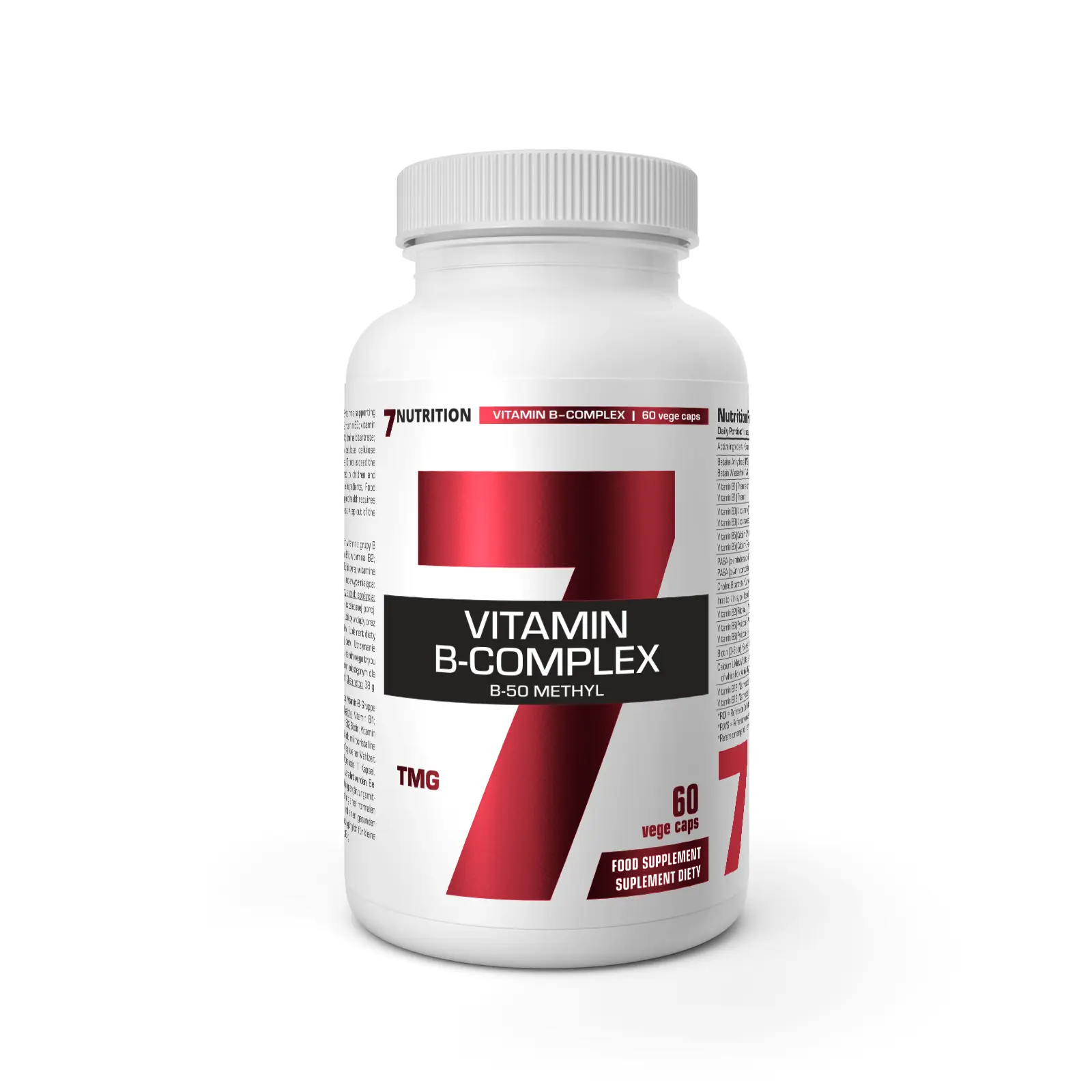
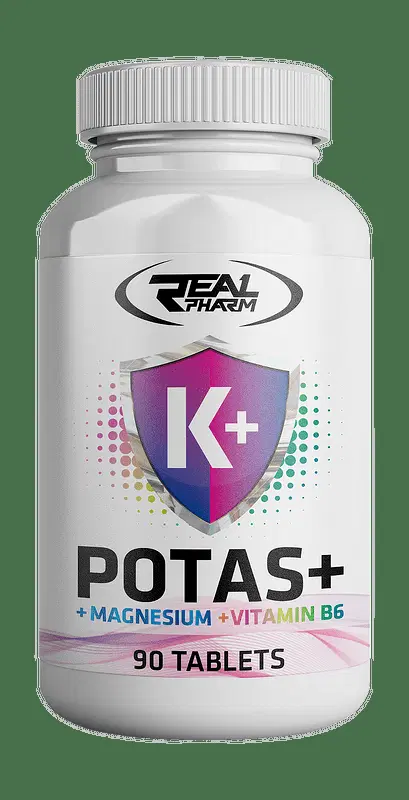
Recommended products
Frequently asked questions
What are the main functions of vitamin B2 (riboflavin)?
Riboflavin is involved in energy metabolism, supports the health of skin, eyes, and mucous membranes. It is a coenzyme in oxidation-reduction reactions important for cellular respiration.
What are the symptoms of vitamin B2 deficiency?
Cracks in the corners of the mouth (cheilosis), inflamed tongue, red and itchy eyes, peeling skin around the nose and ears. In athletes - delayed recovery.
Which foods are richest in riboflavin?
Milk and dairy products, eggs, liver, almonds, mushrooms, and spinach. Light destroys B2, which is why milk in transparent bottles loses up to 50% of its content.
What is the recommended daily dose of vitamin B2?
For adults - 1.1-1.3 mg. For athletes and people with intense exertion - up to 1.7 mg. Pregnant and breastfeeding women have increased needs.
Does vitamin B2 interact with medications?
Yes, antibiotics (especially tetracyclines) reduce the absorption of B2. Antidepressants and antipsychotics can also affect levels. Consult a doctor.